The Ingredient Panel: A Technical Guide to Choosing a Beard Wash
The skin on your face is significantly thinner and more sensitive than the skin on your scalp, yet many men treat both with the same harsh chemicals. Understanding the ingredient panel is the first step in moving from basic hygiene to professional-grade grooming. True beard maintenance begins with knowing exactly what you are putting into your follicles.
- ›Avoid sulfates like SLS and SLES that strip necessary sebum oils.
- ›Look for mild surfactants derived from coconuts or sugar.
- ›Essential oils provide scent and antibacterial benefits without synthetic irritation.
- ›Quality washes include glycerin or aloe for humectant-based hydration.
- ›pH balance is critical to prevent the cuticle from swelling and becoming brittle.
The Problem with Sulfates and Synthetic Detergents
Most commercial soaps and cheap shampoos rely on Sodium Lauryl Sulfate (SLS) or Sodium Laureth Sulfate (SLES) to create a thick lather. While effective at removing grease, these chemicals are too aggressive for facial hair. They strip away the natural sebum oil that your sebaceous glands produce to keep your beard soft and your skin hydrated.
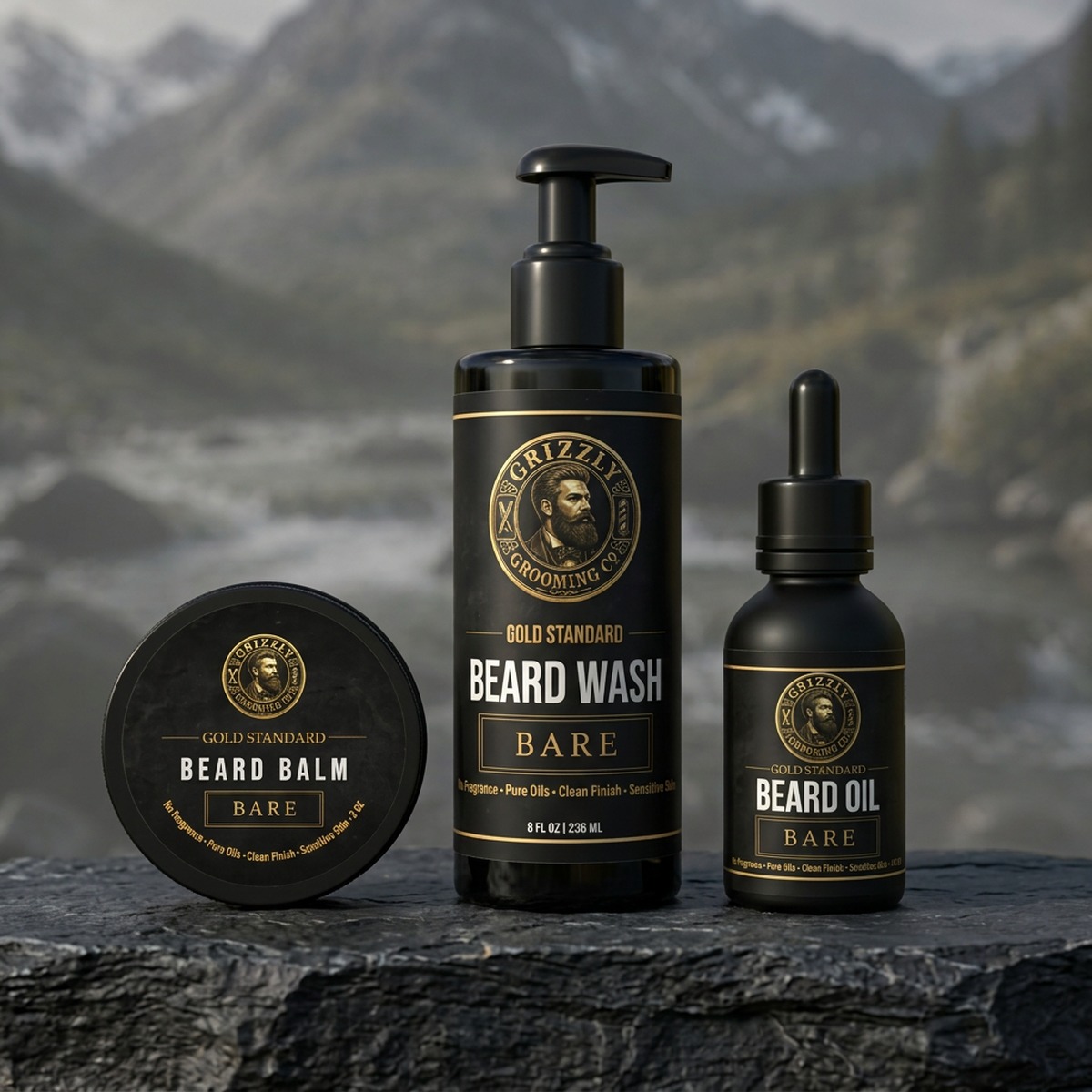
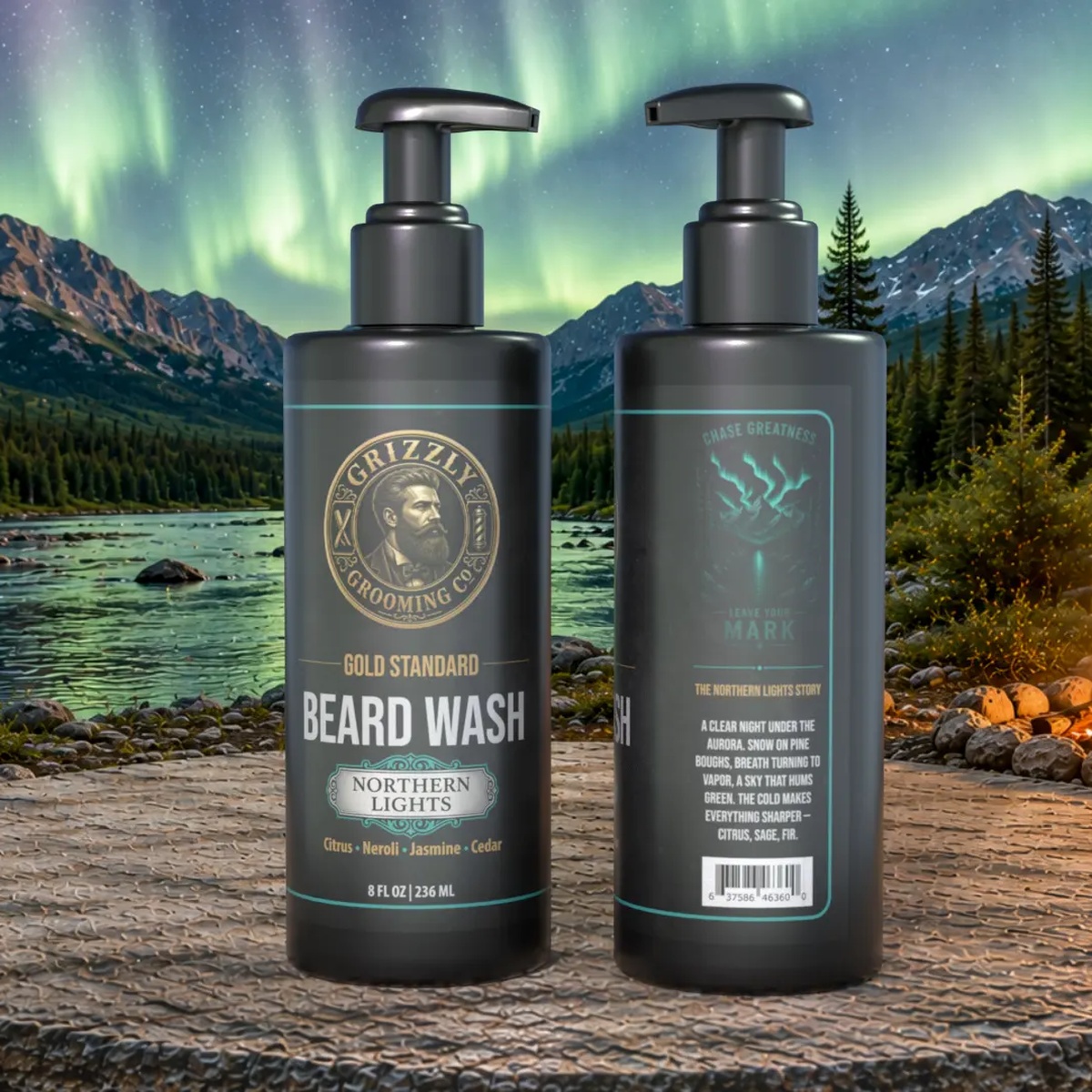
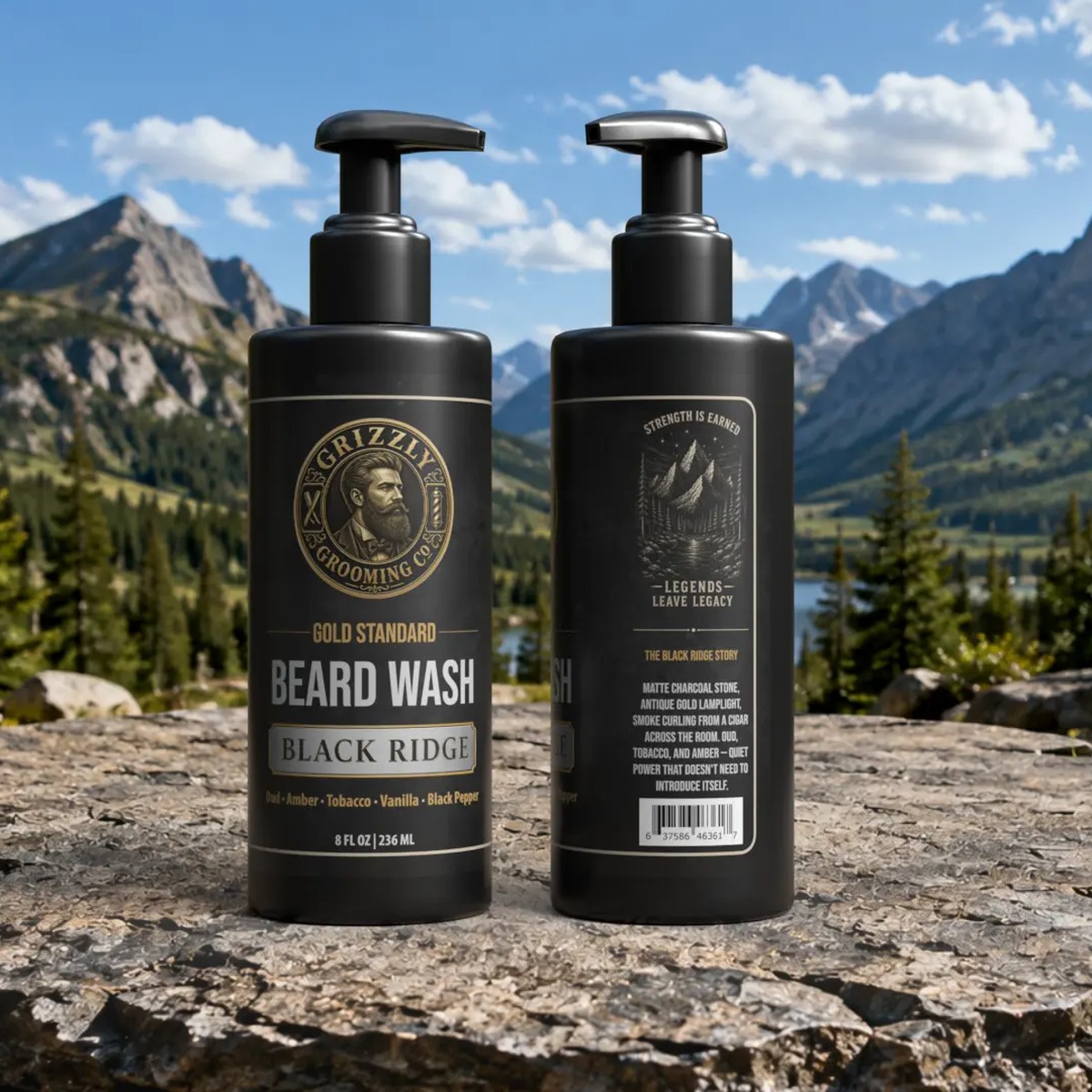
When these oils are removed, the beard becomes brittle and the skin underneath becomes dry, leading to the common irritation known as beardruff. A professional beard wash, like those in the Grizzly Gold Standard line, replaces these harsh detergents with milder alternatives that cleanse without compromising the hair's structural integrity.
Surfactants That Respect the Follicle
Instead of sulfates, look for ingredients like Decyl Glucoside or Coco-Betaine on the label. These are plant-derived surfactants that lower the surface tension of water to lift away dirt and excess oil while leaving the essential moisture barrier intact. They produce a finer, denser lather that is less likely to irritate the eyes or the sensitive skin around the mouth.
The presence of these ingredients usually indicates a higher manufacturing cost and a commitment to quality. If the first three ingredients after water are synthetic sulfates, the product is likely too harsh for long-term use on a mature beard.
The Role of Humectants and Emollients
A superior beard wash does more than just clean; it prepares the hair for conditioning. Ingredients such as vegetable glycerin and aloe vera act as humectants, drawing moisture from the air into the hair shaft. This prevents the 'straw-like' texture often felt after a morning shower.
Emollients like jojoba oil or argan oil are frequently added in small concentrations to provide immediate smoothing effects. These oils mimic the body's natural sebum, ensuring that even as you wash away the day's grime, you are replenishing the lipid layer that keeps the beard pliable.
Preservatives and pH Balance
Facial hair has an optimal pH level between 4.5 and 5.5. Many bar soaps are highly alkaline, which causes the hair cuticle to lift and snag. A dedicated beard wash is formulated to be slightly acidic, keeping the cuticle flat and smooth. This results in a beard that reflects light better and feels softer to the touch.
Preservatives are necessary to prevent bacterial growth in water-based products, but you should avoid parabens. Look for safer alternatives like Phenoxyethanol or Potassium Sorbate, which ensure product shelf-life without the hormonal disruption concerns associated with older preservative classes.
Frequently Asked Questions
Can I use regular hair shampoo on my beard?
It is not recommended. Scalp skin is tougher and produces more oil, so hair shampoos are formulated with stronger detergents that will leave your beard dry and the skin underneath itchy.
How often should I actually wash my beard?
For most men, two to three times a week is sufficient. Washing every day can strip too much oil, unless you work in a high-dust environment or have a particularly oily skin type.
Why doesn't my natural beard wash foam as much as soap?
Natural surfactants like those used in Grizzly beard wash create a creamy, low-suds lather rather than big bubbles. This is a sign that the product is cleaning gently without harsh chemical blowing agents.
Build your ritual in 60 seconds.
Answer four questions and get a custom regimen — plus a 15% bundle discount.
Start The Ritual Builder