The Essential Guide to Correcting Common Beginner Beard Grooming Mistakes
Most men assume that growing a beard is a passive process of simply letting hair sprout from the face. The reality is that the transition from stubble to a full beard requires a deliberate shift in how you treat the skin beneath the hair. Failure to address the foundation is why most grooming journeys end prematurely due to irritation and coarseness.
- ›Hydrate the skin, not just the hair, to prevent itching and flaking.
- ›Apply beard oil to damp skin immediately after washing for maximum absorption.
- ›Avoid using standard bar soaps which strip natural sebum from the face.
- ›Use a dedicated beard wash to maintain the correct pH balance.
- ›Beard butter provides the necessary deep conditioning for overnight repair.
The Fallacy of Surface Application
The most frequent error beginners make is applying product only to the outer layer of the beard. While the hair feels soft momentarily, the skin underneath remains parched, leading to the dreaded beard itch and eventual dandruff.
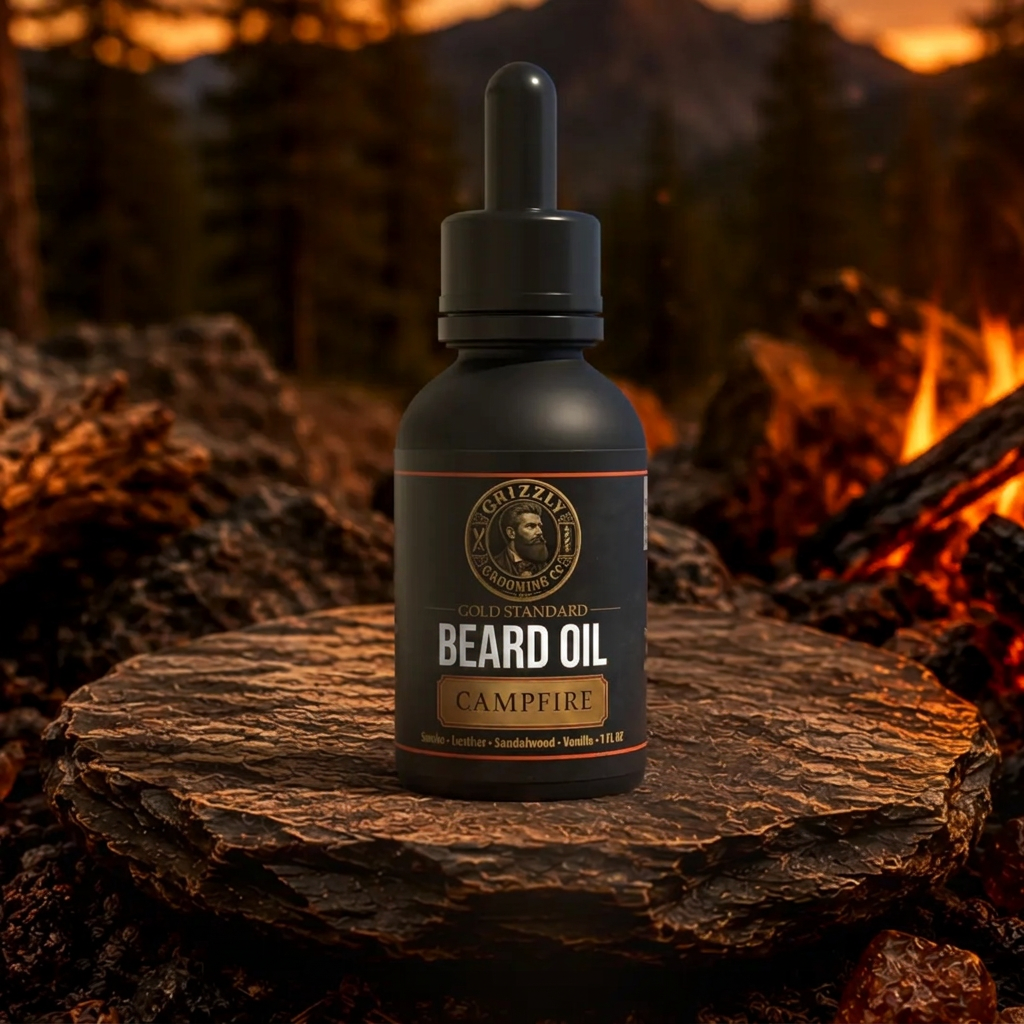
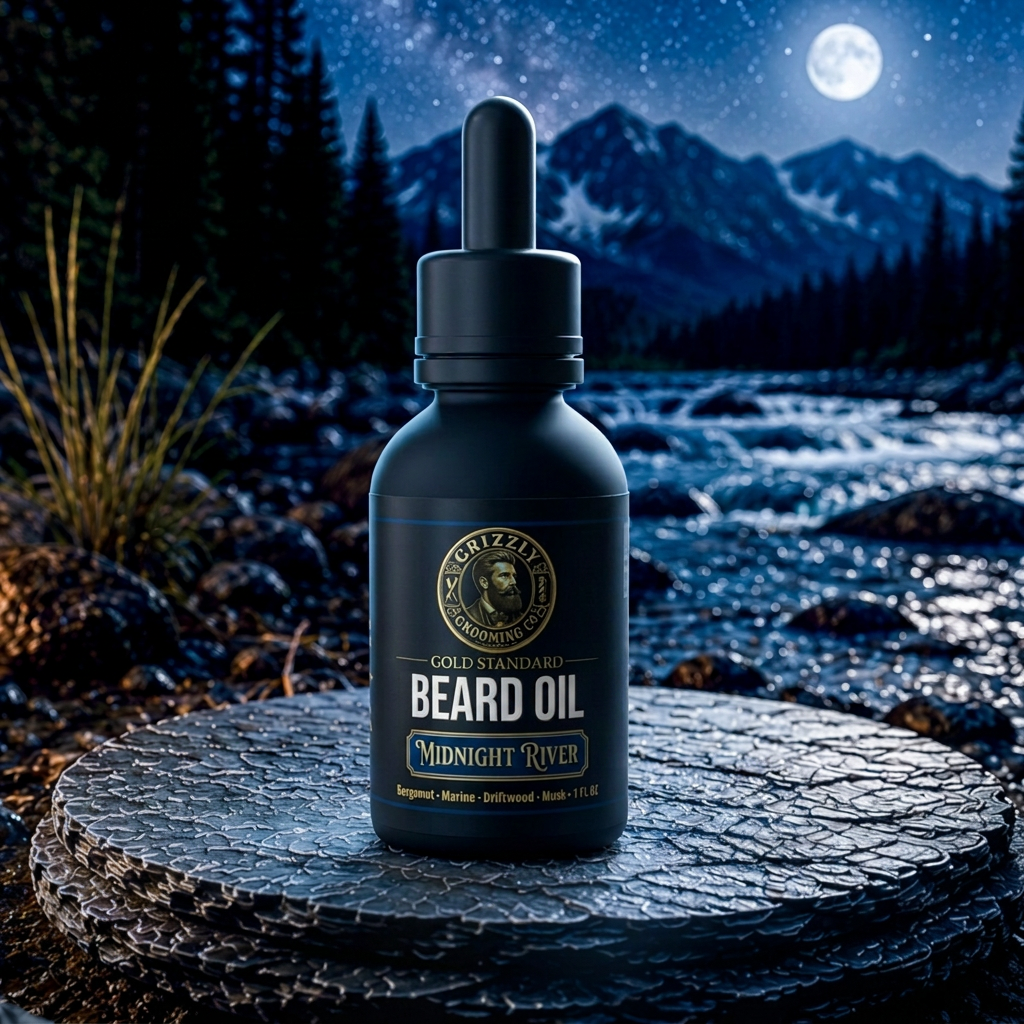
To correct this, you must work the product down to the follicle. When using Grizzly Gold Standard beard oil, use your fingertips to massage the liquid directly into the skin. This ensures the sebaceous glands are supported as they struggle to keep up with the moisture demands of longer hair strands.
The Chemistry of Cleansing
Traditional shampoos and body washes are formulated with harsh surfactants designed to strip away heavy oils. On the face, these chemicals destroy the delicate acid mantle, leaving the beard brittle and the skin inflamed.
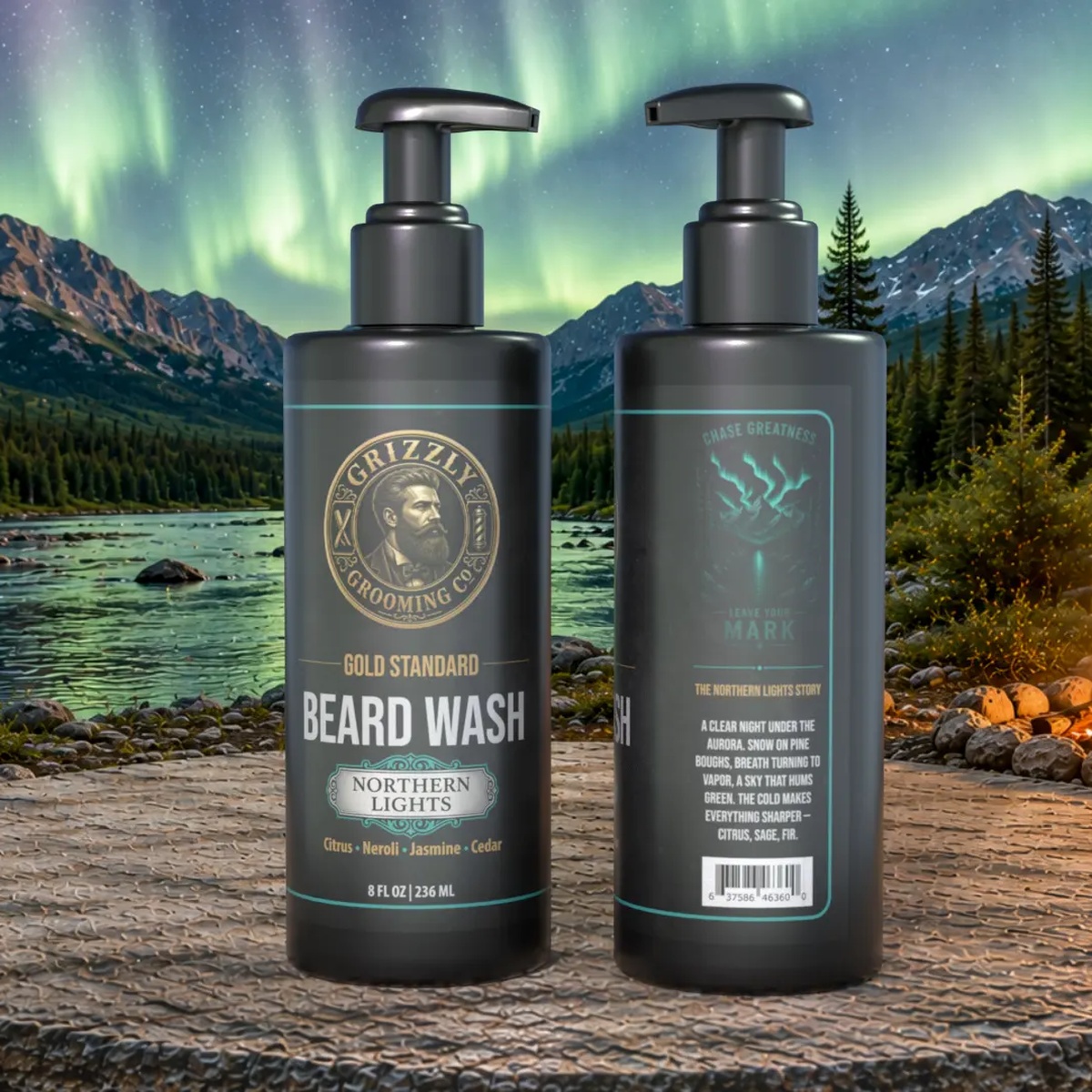
Switching to a specialized beard wash is non-negotiable. A proper wash cleanses the cuticle without depleting the essential lipids that keep the hair pliable. This professional adjustment reduces breakage and split ends by up to forty percent during the first three months of growth.
Timing Your Hydration Ritual
Application timing is just as critical as the product itself. Applying oil to bone-dry hair is inefficient because the hair cuticle is closed and less receptive to nutrient intake.
The ideal window is three minutes after towel-drying your beard. When the hair is slightly damp and the pores are open from the warmth of a shower, the carrier oils can penetrate deeper. This practice seals in moisture, preventing the atmospheric dehydration that causes a wiry texture.
The Role of Structural Conditioning
Beginners often rely solely on oil, neglecting the structural needs of longer beard hairs. As the beard grows past two inches, it requires heavier emollients to maintain its shape and internal moisture levels.
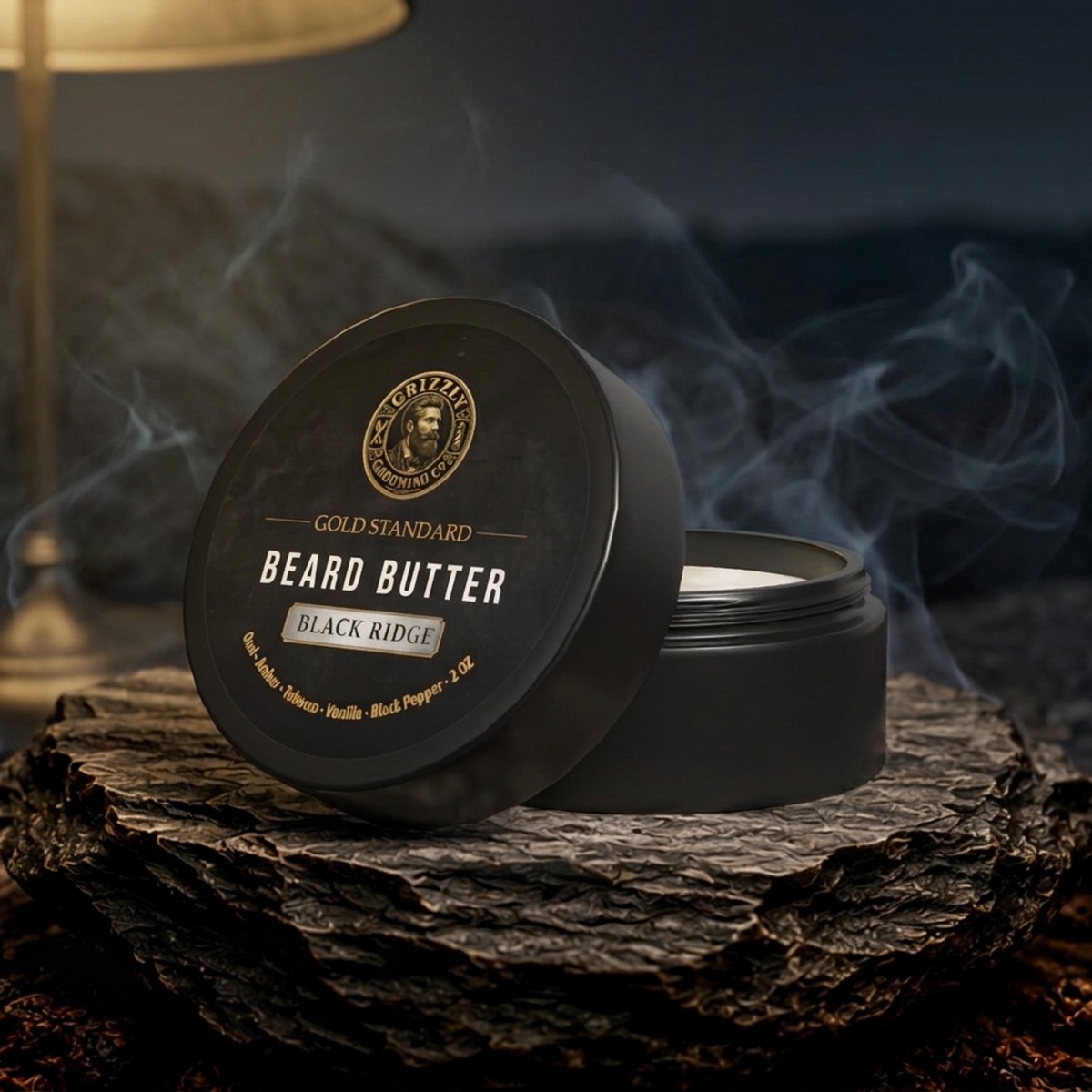
Integrating a beard butter into your evening routine provides a slow-release hydration cycle. Unlike oils that absorb quickly, the shea and cocoa butters found in quality blends create a protective barrier that repairs the hair shaft while you sleep, resulting in a significantly softer mane by morning.
Frequently Asked Questions
How often should I actually wash my beard?
For most men, two to three times a week is sufficient. Washing every day with even the best beard wash can eventually lead to dryness; instead, rinse with plain water on off-days to remove debris without stripping oils.
Why does my beard still feel itchy after using oil?
You are likely not using enough product or failing to reach the skin. Ensure you are using roughly one drop of oil per inch of beard length and using a boar hair brush to distribute it evenly from root to tip.
Can I use hair conditioner on my beard?
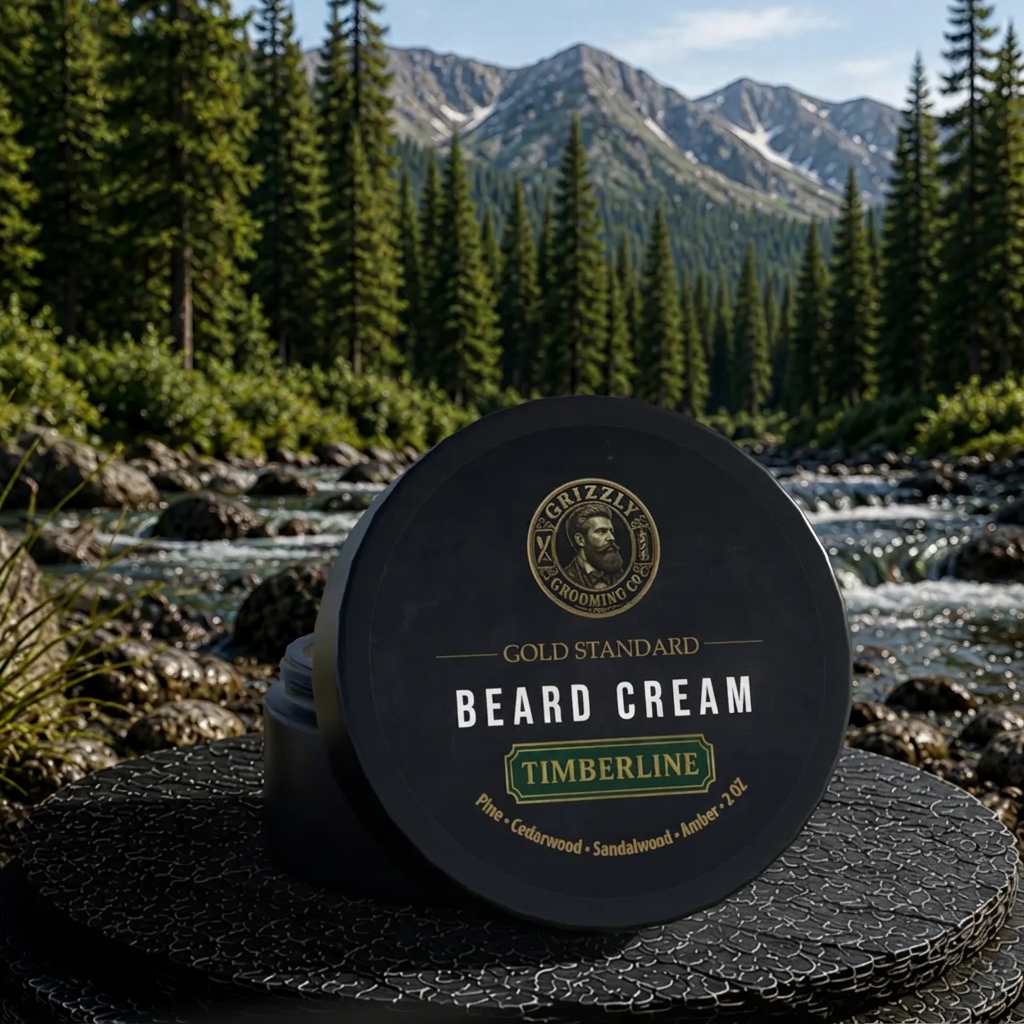
Standard hair conditioners often contain heavy silicones that can clog facial pores and lead to breakouts. It is better to use a dedicated beard conditioner or beard butter designed for the thinner, more sensitive skin of the face.
Build your ritual in 60 seconds.
Answer four questions and get a custom regimen — plus a 15% bundle discount.
Start The Ritual Builder