The Efficacy and Considerations of Using Minoxidil for Beard Growth
The pursuit of a denser beard often leads men toward pharmaceutical intervention, specifically minoxidil. While originally developed for scalp hypertension and vertex balding, its application on the face has become a standard, albeit off-label, practice for correcting patchiness. Understanding the biological mechanisms and the necessary maintenance is vital before beginning such a regimen.
- ›Minoxidil works by shortening the resting phase and extending the growth phase of the hair follicle.
- ›Results are not instantaneous and typically require six to twelve months of consistent application.
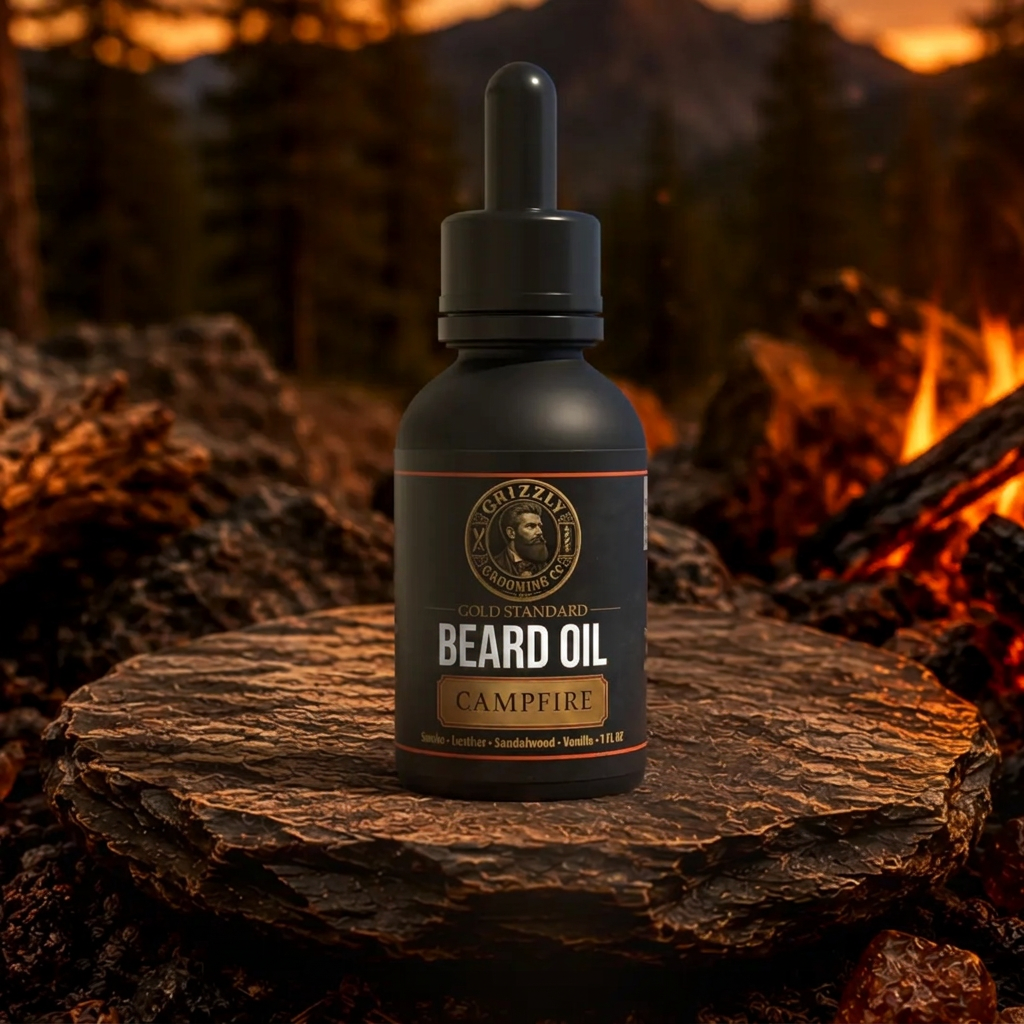
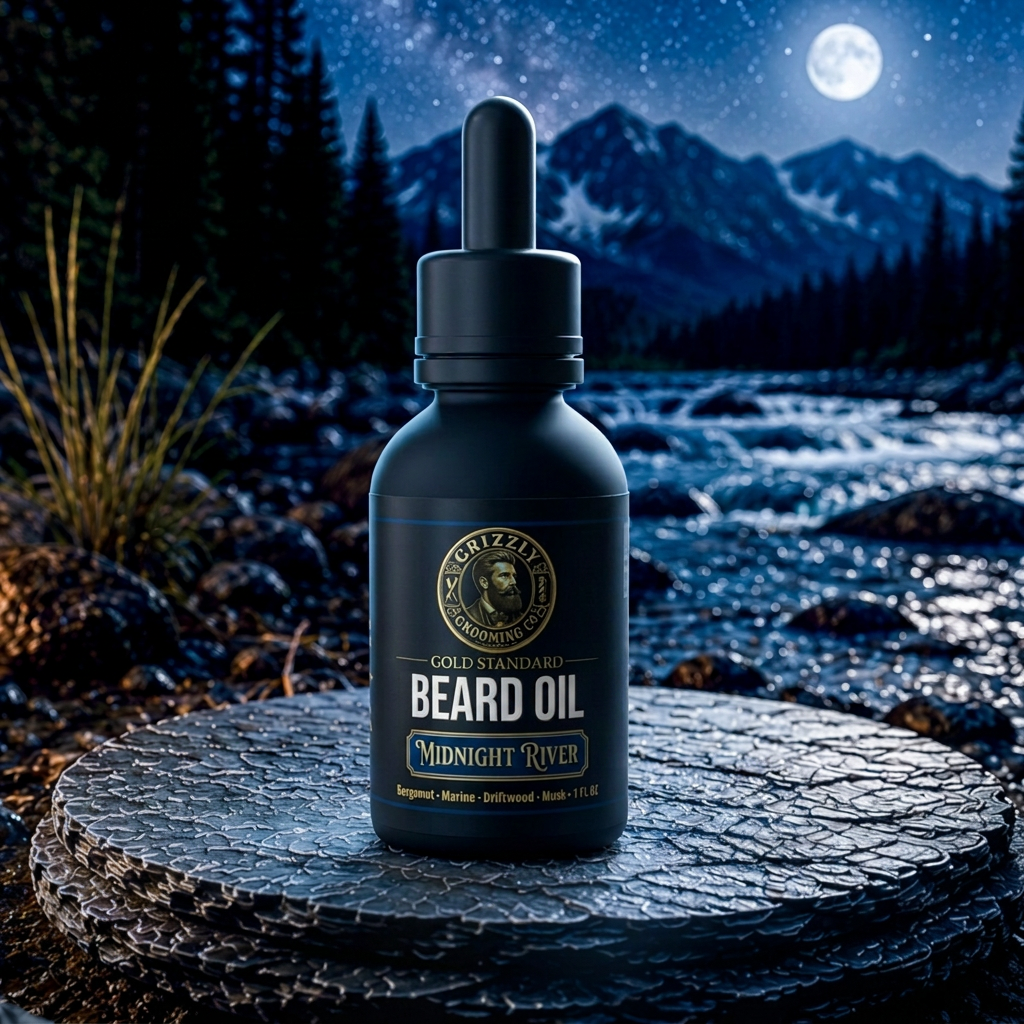
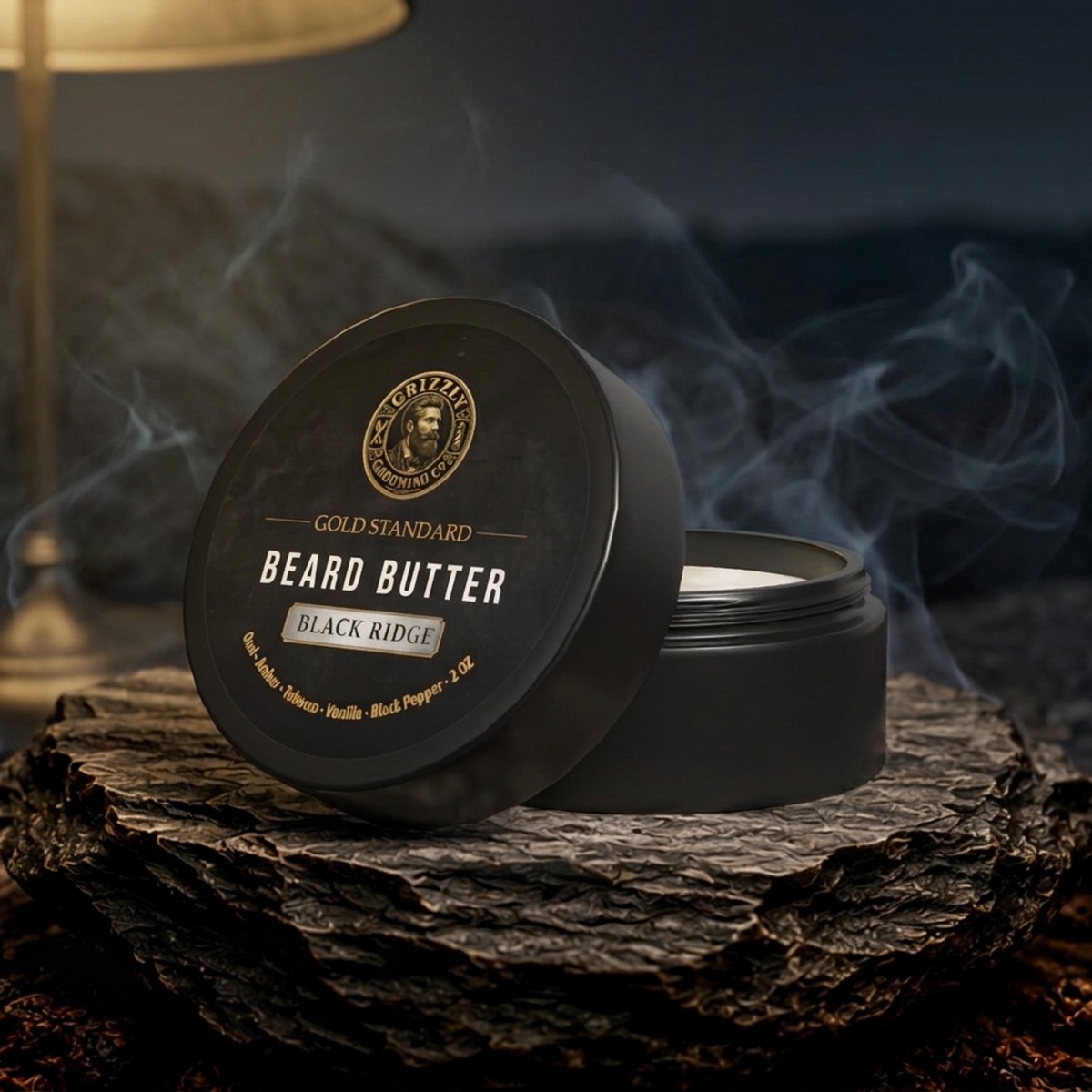
- ›Skin dryness is a frequent side effect that must be countered with high-quality beard oil or beard butter.
- ›Transitioning from vellus hair to terminal hair is the primary goal of the treatment.
- ›Consistent hygiene using specialized beard wash prevents pore blockage and irritation during the process.
The Mechanism of Follicular Stimulation
Minoxidil is an antihypertensive vasodilator that, when applied topically, widens blood vessels to increase nutrient delivery to the hair follicles. In the context of facial hair, this process encourages follicles to move from the telogen, or resting phase, into the anagen, or active growth phase.
This chemical intervention does not create new follicles where none exist, but rather revitalizes dormant ones and increases the diameter of existing strands. Over time, thin vellus hairs can transition into the thick, pigmented terminal hairs that constitute a full beard profile.
Management of Adverse Skin Reactions
The most common complication of using minoxidil on the face is severe localized dehydration. The alcohol base found in most liquid formulations strips the skin of its natural sebum, leading to flaking, itching, and a compromised skin barrier.
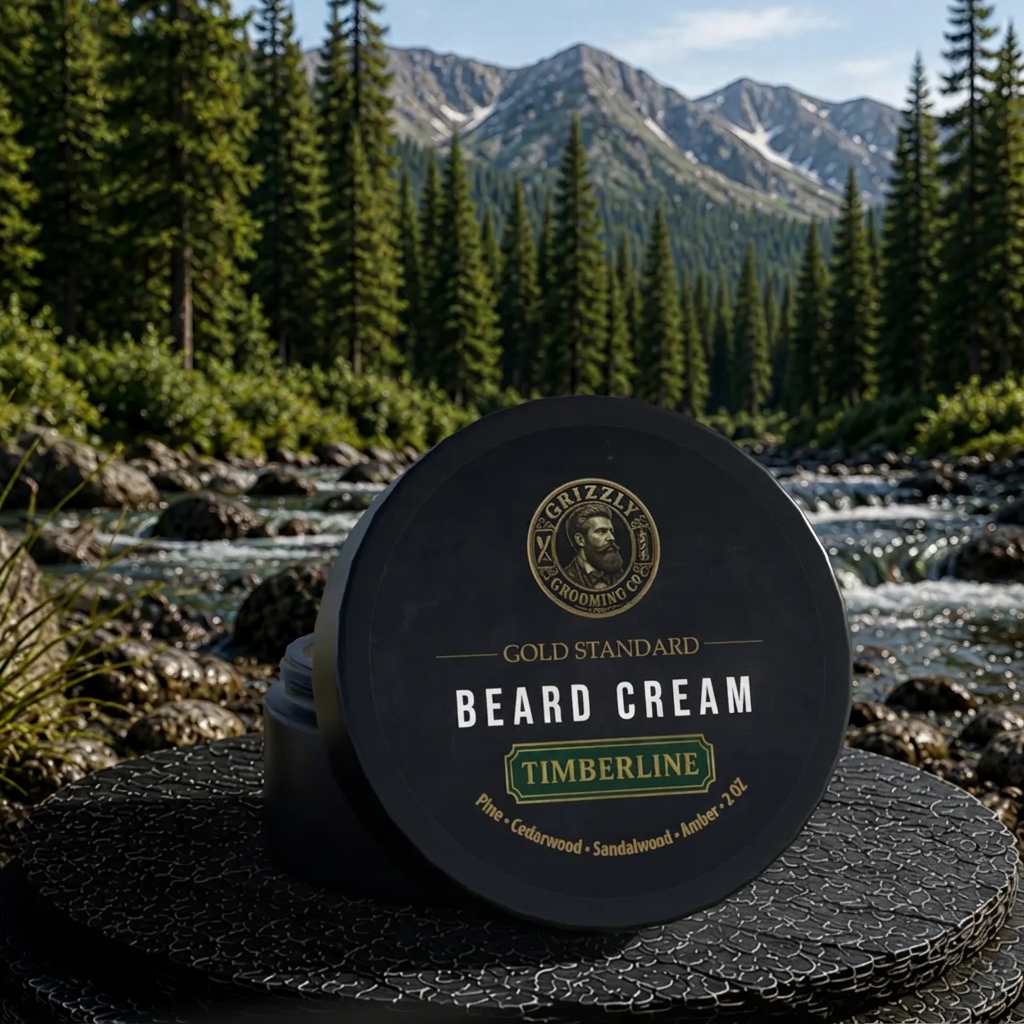
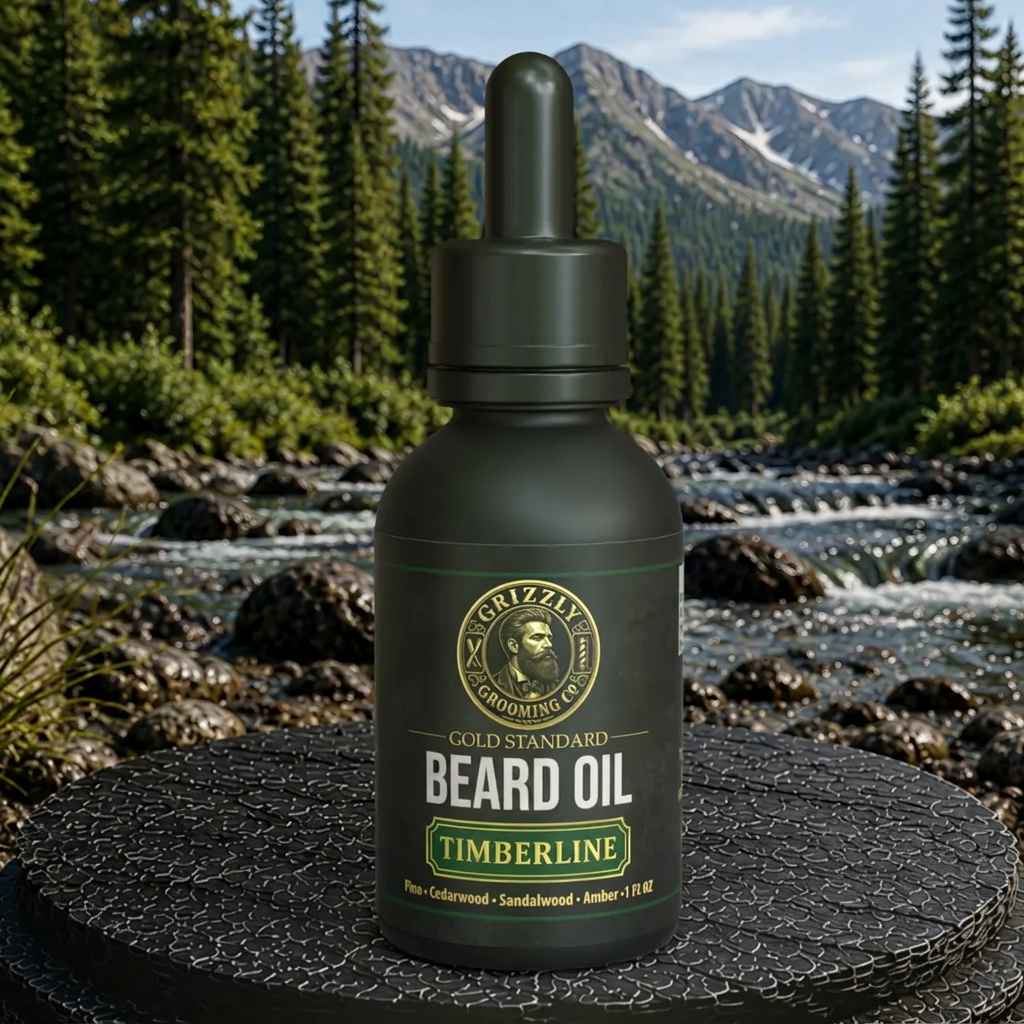
To mitigate this, a disciplined moisturizing routine is non-negotiable. Applying a Grizzly Gold Standard beard oil several hours after your minoxidil application replenishes lost lipids. For deeper hydration during the night, a nutrient-dense beard butter can provide the necessary recovery for the underlying dermis.
Establishing a Professional Regimen
Consistency is the bedrock of chemical beard enhancement. Most protocols suggest a twice-daily application of a five percent solution, ensuring the skin is clean and free of excess oil before use. A dedicated beard wash should be used to remove residual product buildup without further drying out the hair shaft.
Patience is required as the hair cycle dictates the timeline. Initial shedding is a common occurrence as new growth pushes out old strands; this is a sign of progress, not failure. Expect a minimum of four months before visible density changes become apparent to the casual observer.
The Transition to Permanent Growth
The primary concern for many is the longevity of the results once the application ceases. While scalp hair often requires indefinite use, facial hair follicles tend to remain terminal once they have fully matured and thickened.
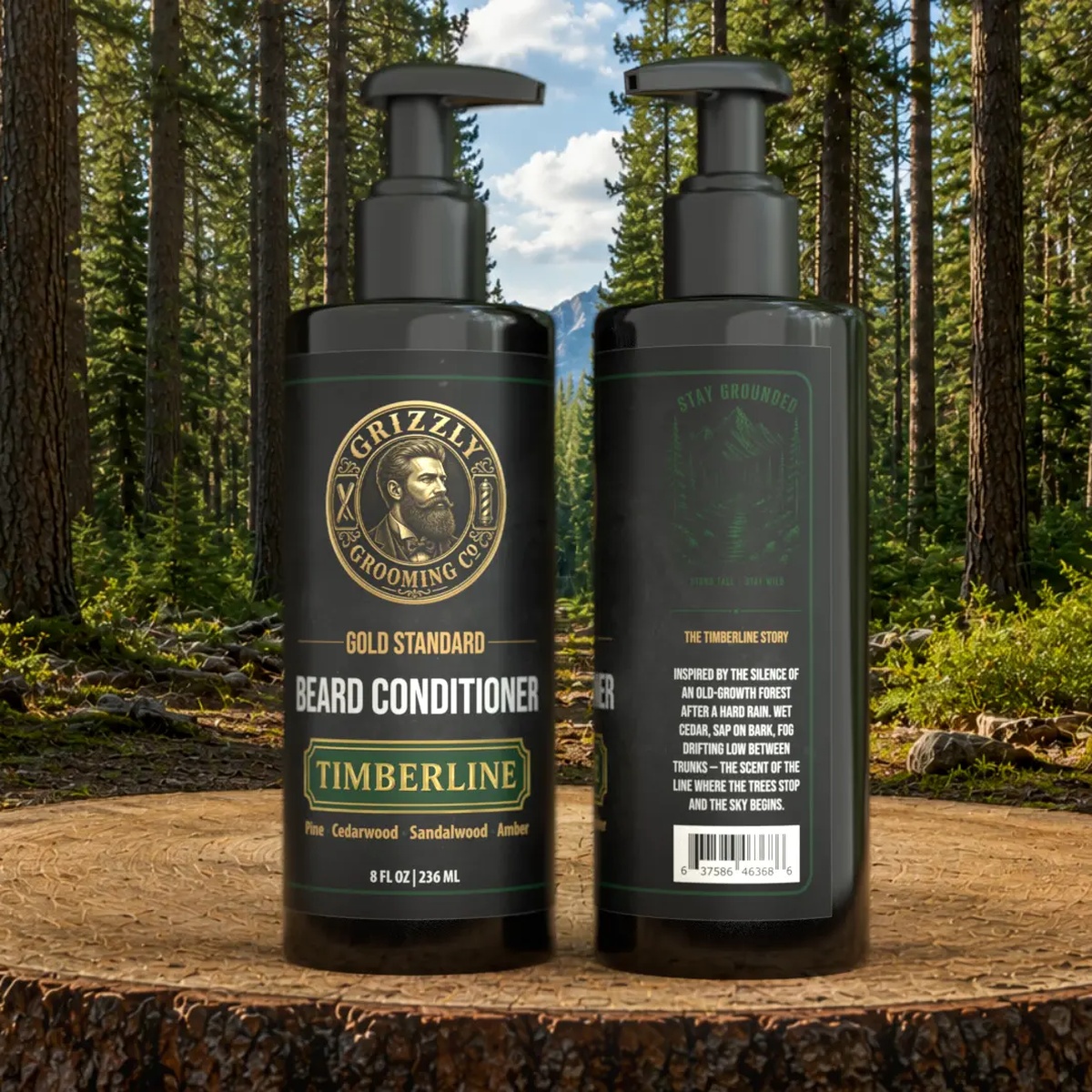
Once your beard has reached the desired density and the hairs have achieved terminal status—characterized by their coarse texture and deep pigment—you can slowly taper off the usage. During and after this transition, maintaining the health of the hair with a professional conditioner and regular grooming will ensure the beard remains soft and manageable.
Frequently Asked Questions
How long should I leave minoxidil on my face before washing?
It is generally recommended to leave the solution on the skin for at least four hours to ensure maximum absorption. Afterward, you should wash the area with a gentle beard wash and immediately apply beard oil to restore moisture.
Can I use beard oil while using minoxidil?
Yes, and it is highly recommended to do so. However, you should wait approximately four hours after applying minoxidil to ensure the medication has absorbed before layering on your beard oil or beard balm.
Will minoxidil fix a completely hairless patch?
If there are dormant follicles present, it can stimulate them. If the area is completely void of follicles due to genetics or scarring, topical treatments are unlikely to produce new hair growth.
Build your ritual in 60 seconds.
Answer four questions and get a custom regimen — plus a 15% bundle discount.
Start The Ritual Builder