The Chemistry of Clean: Understanding Your Beard Wash Ingredients
The skin on your face is significantly more sensitive than your scalp, yet many men use the same harsh detergents for both. Understanding the chemistry behind your beard wash is the difference between a brittle, prone-to-breakage beard and one that feels like silk. Modern grooming requires a literacy in ingredient panels to ensure you are nourishing your follicles rather than stripping them bare.
- ›Identify and avoid harsh sulfates like SLS that compromise the natural lipid barrier.
- ›Prioritize gentle, plant-derived surfactants such as Decyl Glucoside or Coco Glucoside.
- ›Look for hydration anchors like Aloe Vera and Glycerin to prevent 'beard-druff'.
- ›Ensure the presence of structural proteins like Keratin or Silk Amino Acids to repair hair shafts.
- ›Verify that the formula uses high-quality carrier oils rather than synthetic silicones.
The Problem with Sulfates and Synthetic Detergents
Most standard hair shampoos rely on Sodium Lauryl Sulfate (SLS) or Sodium Laureth Sulfate (SLES) because they are inexpensive and produce a voluminous lather. While effective for removing heavy oils from the scalp, these industrial-strength surfactants are far too aggressive for the face. They strip away sebum, the natural oil produced by your sebaceous glands that is vital for beard softness.
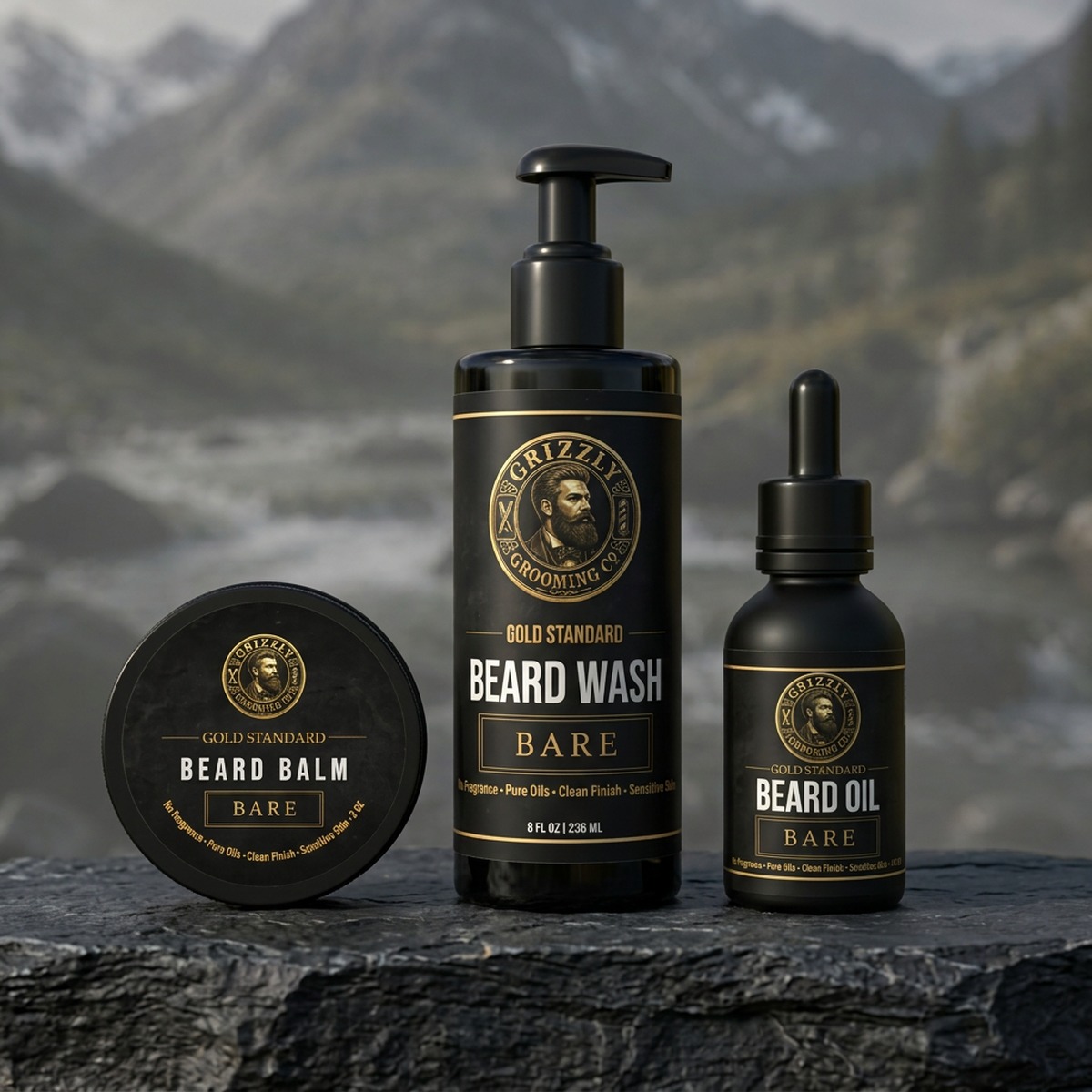
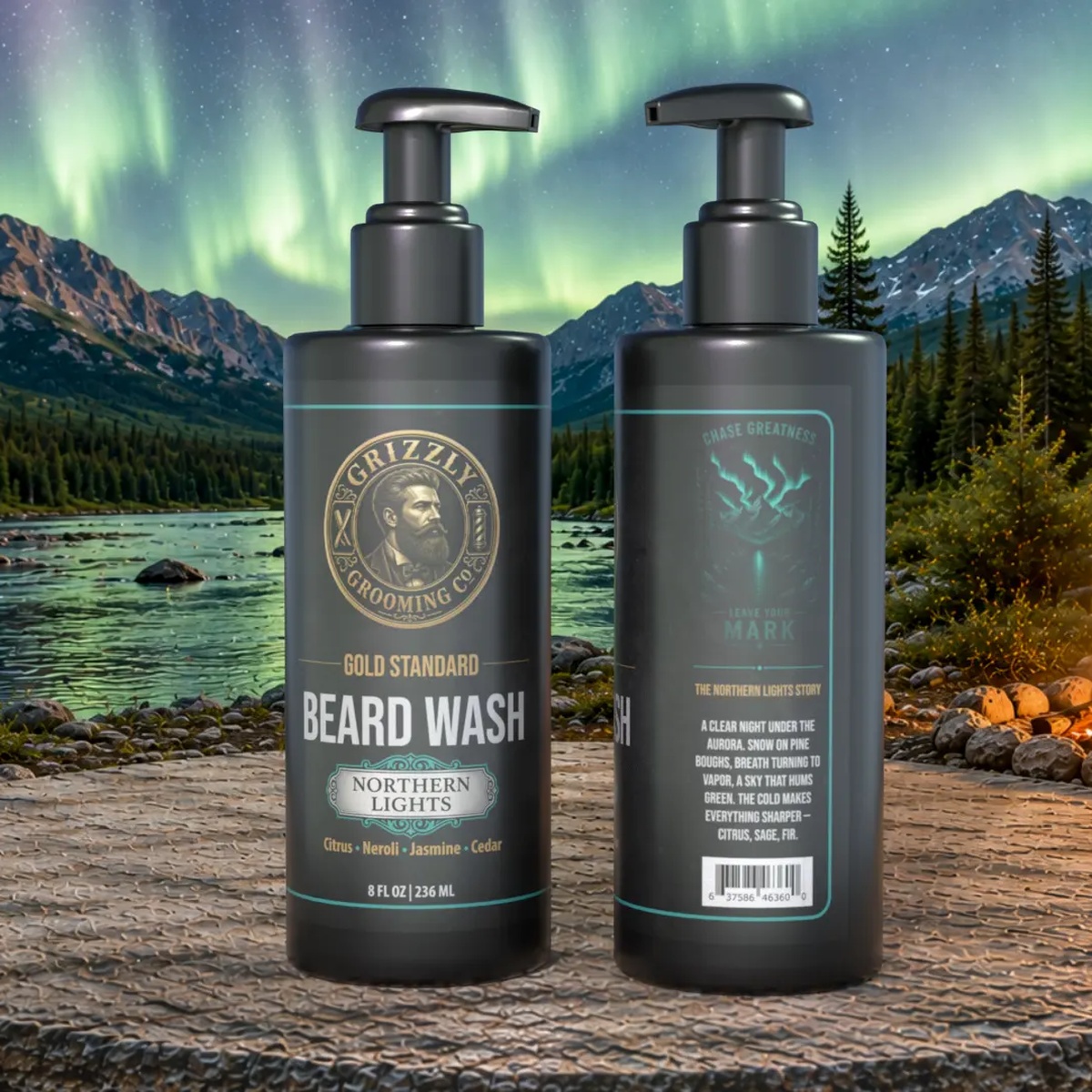
When these oils are removed, the cuticle of the hair lifts, leading to tangles, frizz, and eventually split ends. This is why a dedicated Beard Wash, like the Grizzly Gold Standard formula, uses milder alternatives that cleanse the hair without compromising its structural integrity. If your current wash leaves your face feeling tight or 'squeaky,' it is likely too alkaline.
Gentle Cleansing Through Plant-Based Surfactants
Professional-grade beard washes utilize surfactants derived from coconut or sugar. Ingredients such as Coco-Glucoside and Sodium Lauroyl Sarcosinate provide a dense, stable foam that lifts dirt and environmental pollutants while remaining pH-balanced for the face. These compounds are large molecules that do not penetrate the skin deeply, reducing the risk of irritation and redness.
The goal is an effective emulsification of excess oil and sweat, not a total sterilization of the hair. By using these gentler agents, you preserve the natural moisture of the skin underneath, which is the primary defense against the itching typically associated with early-stage beard growth.
Essential Humectants and Moisture Anchors
A superior wash does more than clean; it deposits moisture back into the hair. Look for Panthenol (Pro-vitamin B5) and Glycerin on the label. These are humectants, meaning they draw moisture from the environment into the hair shaft. This increases the diameter of the hair slightly, making the beard appear fuller and more robust.
Aloe Vera is another benchmark ingredient for the Base Camp standard. It serves as a soothing agent for the skin and provides a water-dense base that is far superior to simple deionized water. When these ingredients are combined with a ritual of follow-up care, such as Grizzly beard oil, the hydration is locked in for the duration of the day.
The Role of Botanical Extracts and Proteins
Longer beards require structural support. Ingredients like Hydrolyzed Silk or Wheat Protein fill in the gaps of a damaged hair cuticle caused by heat styling or environmental exposure. This process, known as protein binding, strengthens the hair from the inside out and prevents the 'straw-like' texture common in neglected beards.
Botanical extracts such as Green Tea or Chamomile provide antioxidant properties that protect the hair from UV damage. These aren't just marketing additives; they act as a biological shield. A well-formulated beard wash functions as a treatment, preparing the facial hair to better absorb conditioners and balms later in your grooming routine.
Frequently Asked Questions
Can I use regular hair shampoo on my beard once a week?
It is not recommended. Even a single wash with harsh scalp detergents can strip days' worth of hydration, leading to immediate itchiness and dry skin. Always use a dedicated beard wash designed for the sensitive skin of the face.
Why does my beard wash not lather as much as my soap?
A lack of massive bubbles usually indicates the absence of harsh sulfates. High-quality beard washes produce a creamy, 'low-suds' lather that is more effective at conditioning while it cleanses.
How often should I actually wash my beard?
For most men, two to three times per week is sufficient. Washing every day can be counterproductive, but you should always rinse with warm water and apply a light beard oil or butter daily to maintain the moisture balance.
Build your ritual in 60 seconds.
Answer four questions and get a custom regimen — plus a 15% bundle discount.
Start The Ritual Builder