Tactical Strategies for Correcting a Patchy Beard Along the Jawline
A strong jawline is the foundation of a well-groomed profile, yet it is often the area where follicular density is most inconsistent. Addressing these gaps requires a disciplined approach that balances technical trimming with a rigorous skin and hair health regimen.
- ›Lower the neckline to create a visual weight that compensates for cheek patches.
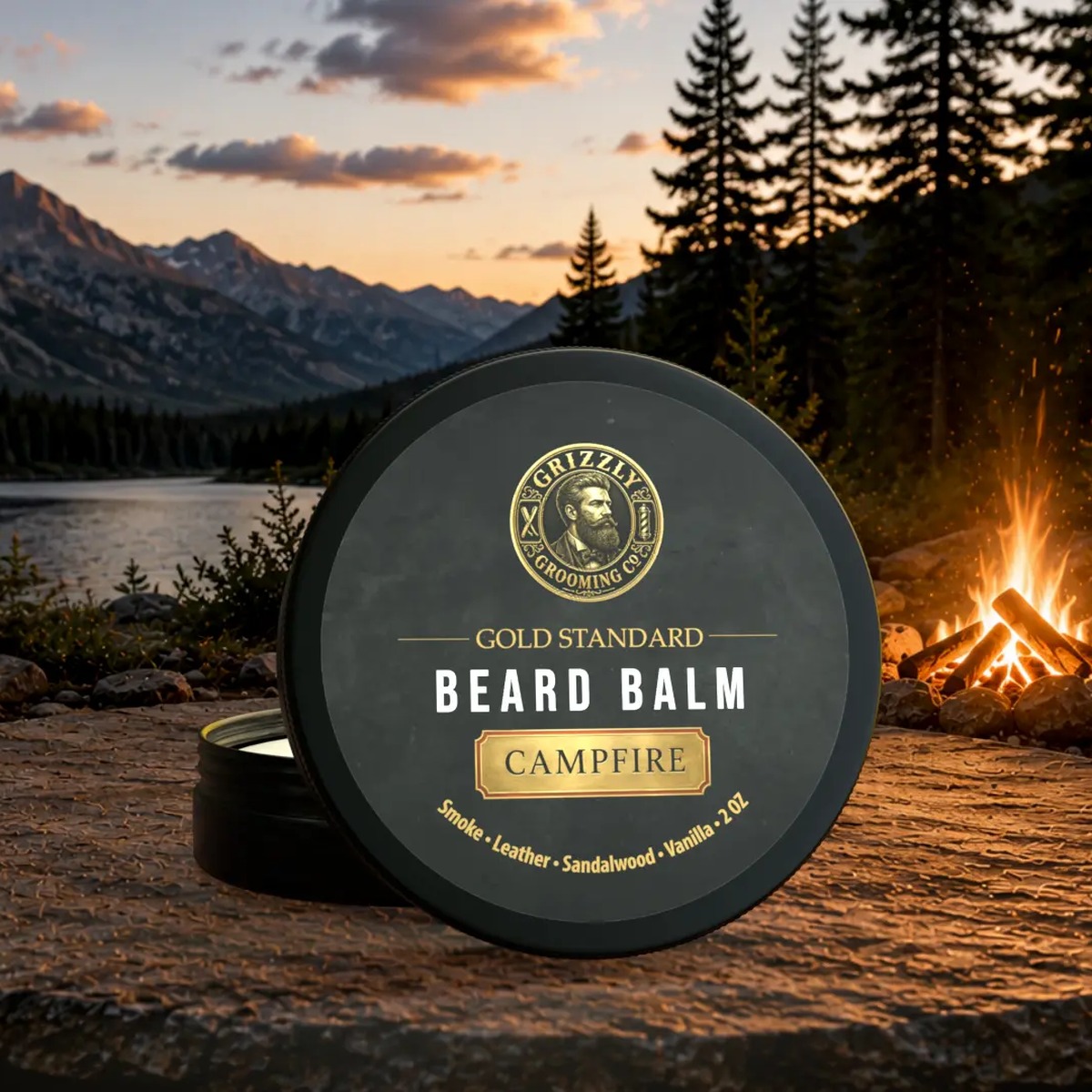
- ›Utilize beard balm to provide the structural hold necessary for directional styling over thin spots.
- ›Exfoliate the jawline twice weekly to clear dormant follicles and promote blood flow.
- ›Maintain uniform length with professional shears to prevent light-colored vellus hairs from looking unkempt.
- ›Prioritize hydration to thicken the individual hair shafts you already have.
The Geometric Approach to Neckline Placement
The most common mistake men make when facing a patchy jawline is trimming the beard too high. By moving the line upward to avoid thin areas, you inadvertently diminish the perceived mass of your beard and soften your facial structure. The goal is to create a solid border that defines the bone.
Set your line exactly two fingers above the Adam's apple, following a gentle curve toward the back of the ears. This provides a dark, dense foundation of hair that creates an optical illusion of thickness further up the jaw. A clean, sharp edge below the jawline draws the eye away from minor inconsistencies in density above it.
Utilizing Structural Styling Aids
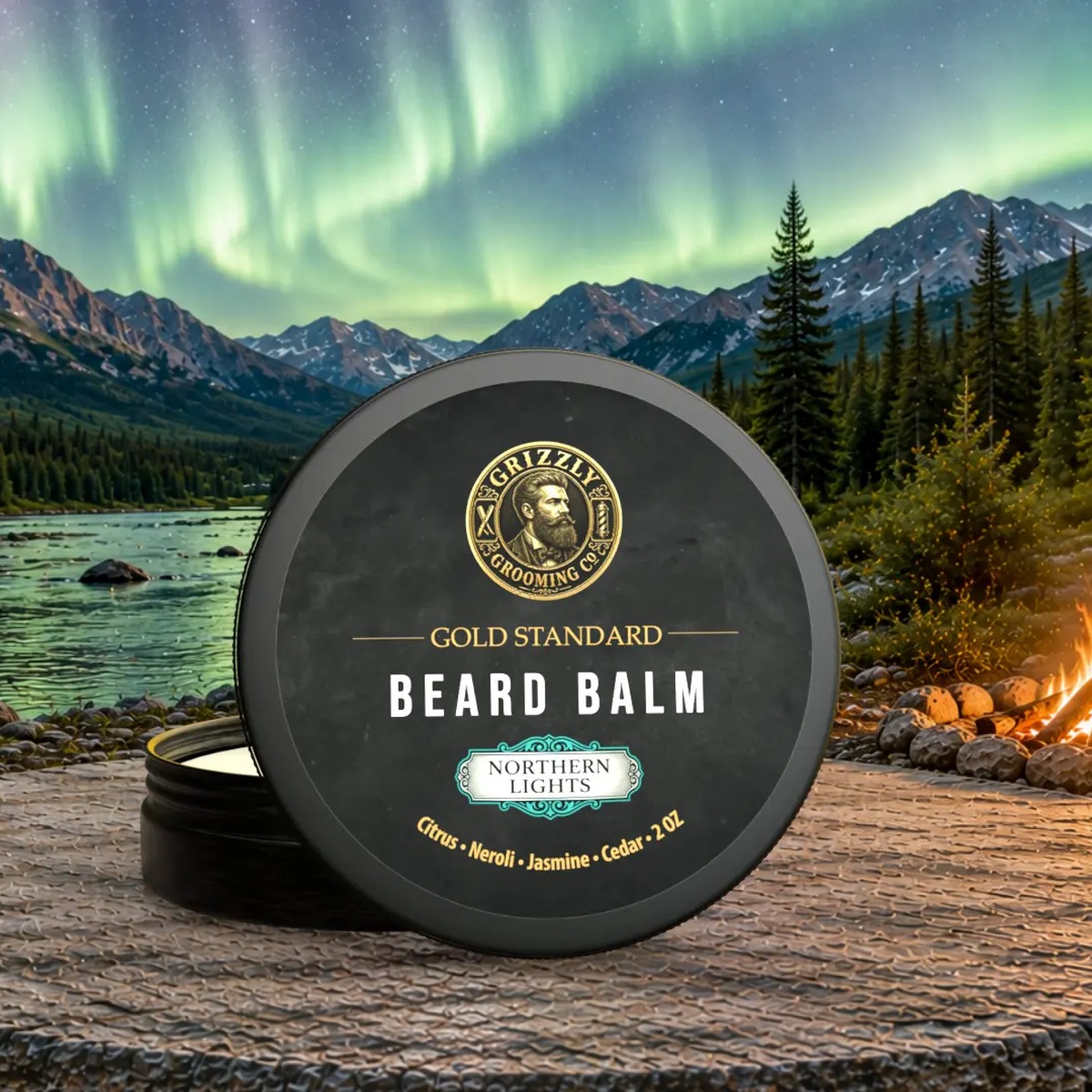
When hair is sparse, each strand must work harder. Regular beard oil is essential for skin health, but for a patchy jawline, you require the mechanical hold of a high-quality beard balm. The beeswax and shea butter found in the Grizzly Gold Standard balm allow you to brush longer hairs over thinner patches and keep them locked in place.
Apply balm while the hair is slightly damp. Use a firm boar bristle brush to direct the hair downward and slightly forward. This technique, known as directional grooming, uses the existing length of the upper beard to mask the skin showing through at the jawline.
Length Management and the Uniformity Rule
It is a paradox of grooming that growing a beard longer can sometimes make it look thinner. Transparent or 'patchy' areas become more obvious when surrounded by long, unruly flyaways. Keeping the hair at a medium, uniform length ensures that the density appears consistent across the entire face.
Use a high-quality trimmer with a fixed guard to even out the bulk every ten days. By removing the wispy ends, the beard looks intentional and deliberate rather than neglected. If the jawline remains thin, consider a 'heavy stubble' look, which relies on skin contrast rather than total hair coverage.
Follicle Stimulation and Skin Health
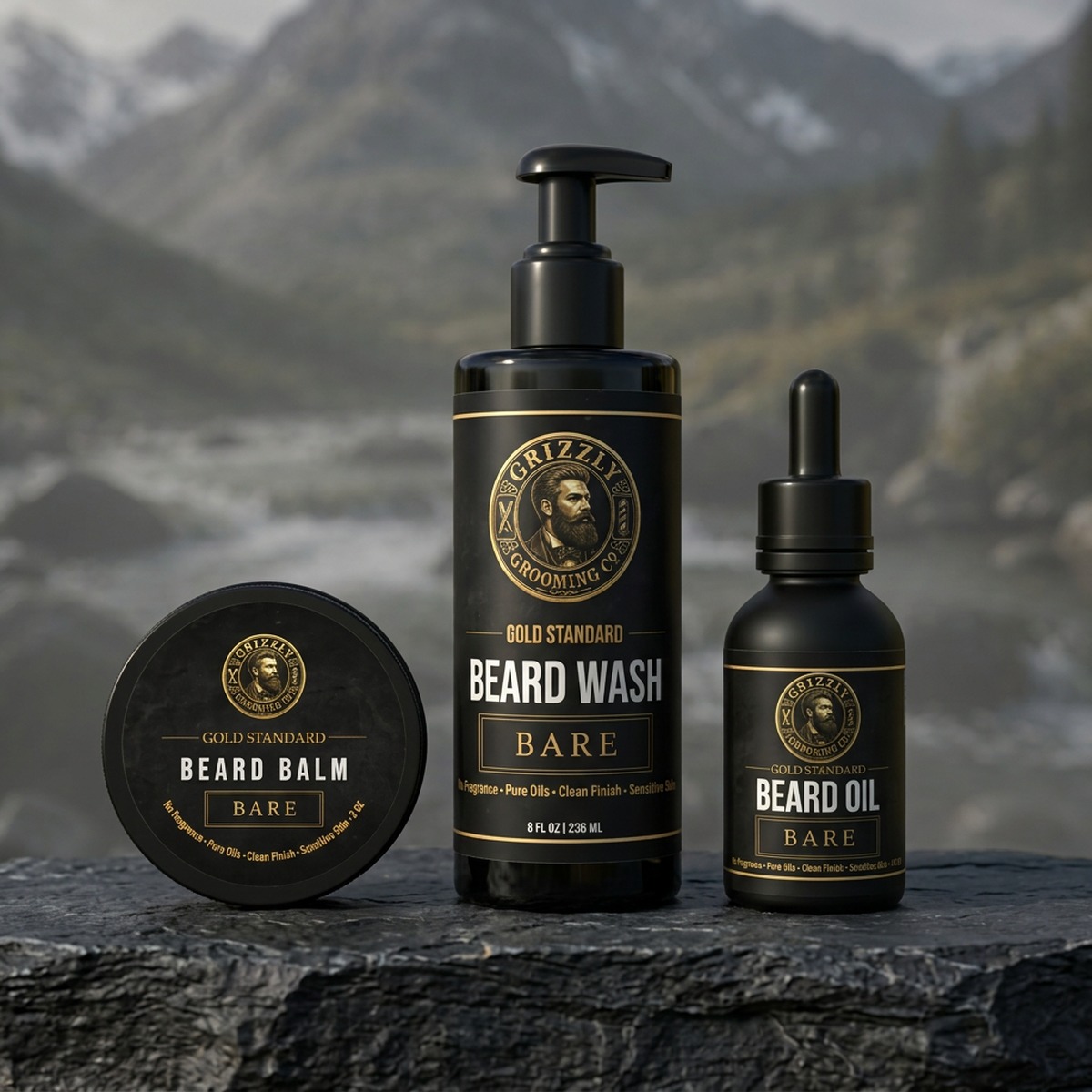
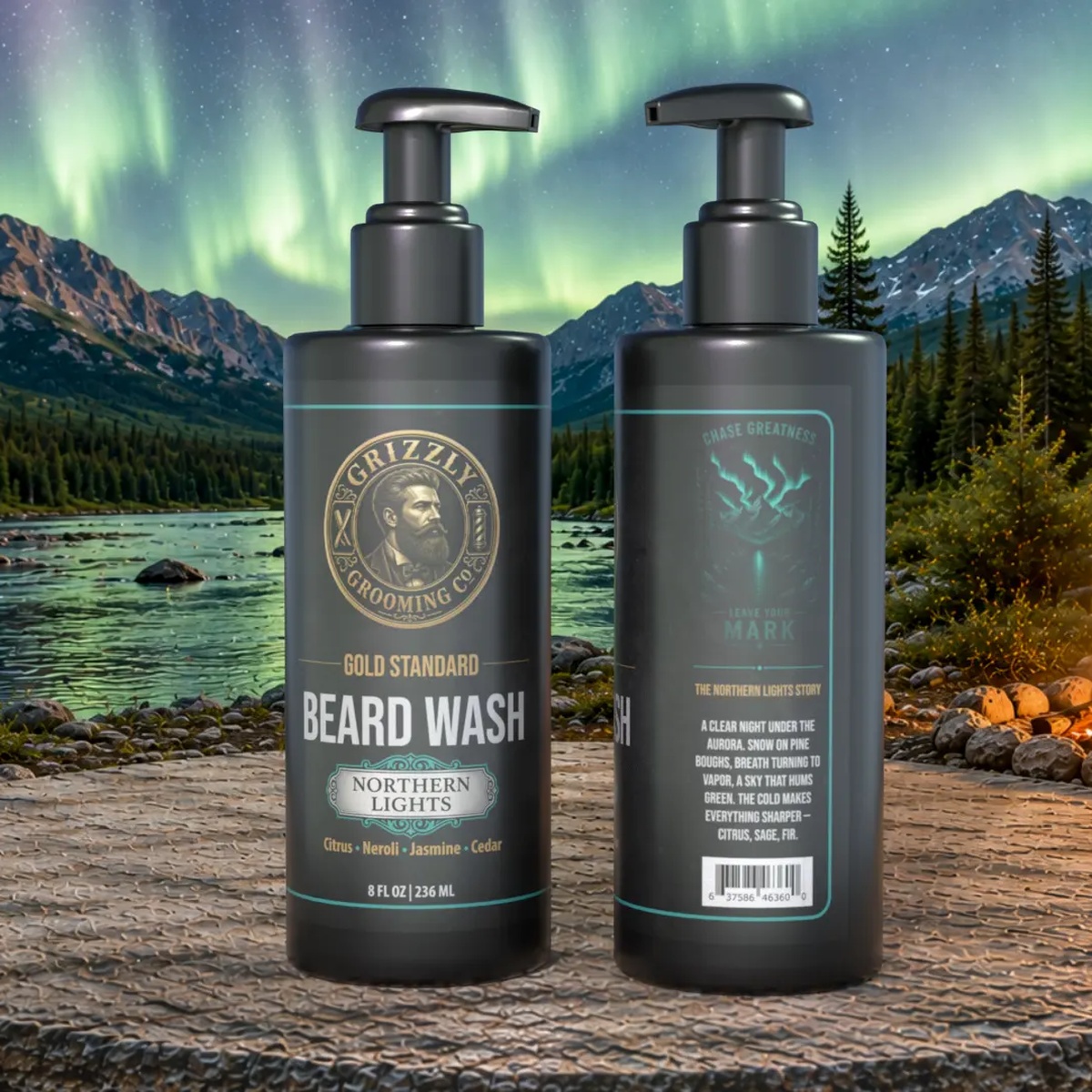
The skin beneath the jawline is prone to dryness and poor circulation, which can lead to stagnant growth. You must treat the skin like soil. Using a dedicated beard wash instead of harsh body soaps ensures you aren't stripping the natural oils that keep the hair shaft flexible and thick.
Introduce a beard roller or a firm massage routine twice a week. This localized stimulation increases blood flow to the jawline, delivering the nutrients required for hair production. While no product can create follicles where none exist, maximizing the health of existing ones is the most effective way to fill in the gaps.
Frequently Asked Questions
How long does it take to see if a jawline patch will fill in?
Hair growth cycles typically run in three-month intervals. You should allow a minimum of 90 days of uninterrupted growth to see if the vellus hairs in a patchy area will transition into thicker terminal hairs.
Does shaving more often make the jawline beard grow back thicker?
No, this is a persistent myth. Shaving gives the hair a blunt tip which may feel coarser, but it does not change the follicle's growth rate or density; only time and proper nutrition can influence that.
Should I use beard oil or balm for a patchy jawline?
Use both. Beard oil should be applied first to hydrate the skin and the base of the hair, while beard balm is used on top to provide the weight and hold necessary to style hair over the patches.
Build your ritual in 60 seconds.
Answer four questions and get a custom regimen — plus a 15% bundle discount.
Start The Ritual Builder