Signs Your Beard Oil Is Wrong for You: Identifying Poor Formulations
Many men assume that any oil will suffice for facial hair, yet the wrong formulation can actively compromise your skin health. A quality beard oil should disappear into the hair and skin, providing hydration without leaving a synthetic sheen or causing irritation.
- ›Persistent itchiness often indicates an oil with high alcohol content or synthetic fragrances.
- ›A heavy, greasy film that does not absorb within fifteen minutes suggests poor molecular weight in carrier oils.
- ›Increased breakouts or 'beard-acne' point to comedogenic ingredients like coconut or cheap mineral oils.
- ›If your beard feels brittle despite regular application, the oil lacks the necessary fatty acids to seal the cuticle.
The Persistence of Beard Itch
Itchiness is typically the first indicator that your topical treatment is failing. While new growth naturally causes some irritation, a mature beard should not itch if the skin is properly hydrated. If you experience a stinging sensation or persistent dryness after application, the culprit is often a high concentration of synthetic fragrance or low-grade essential oils that act as irritants.
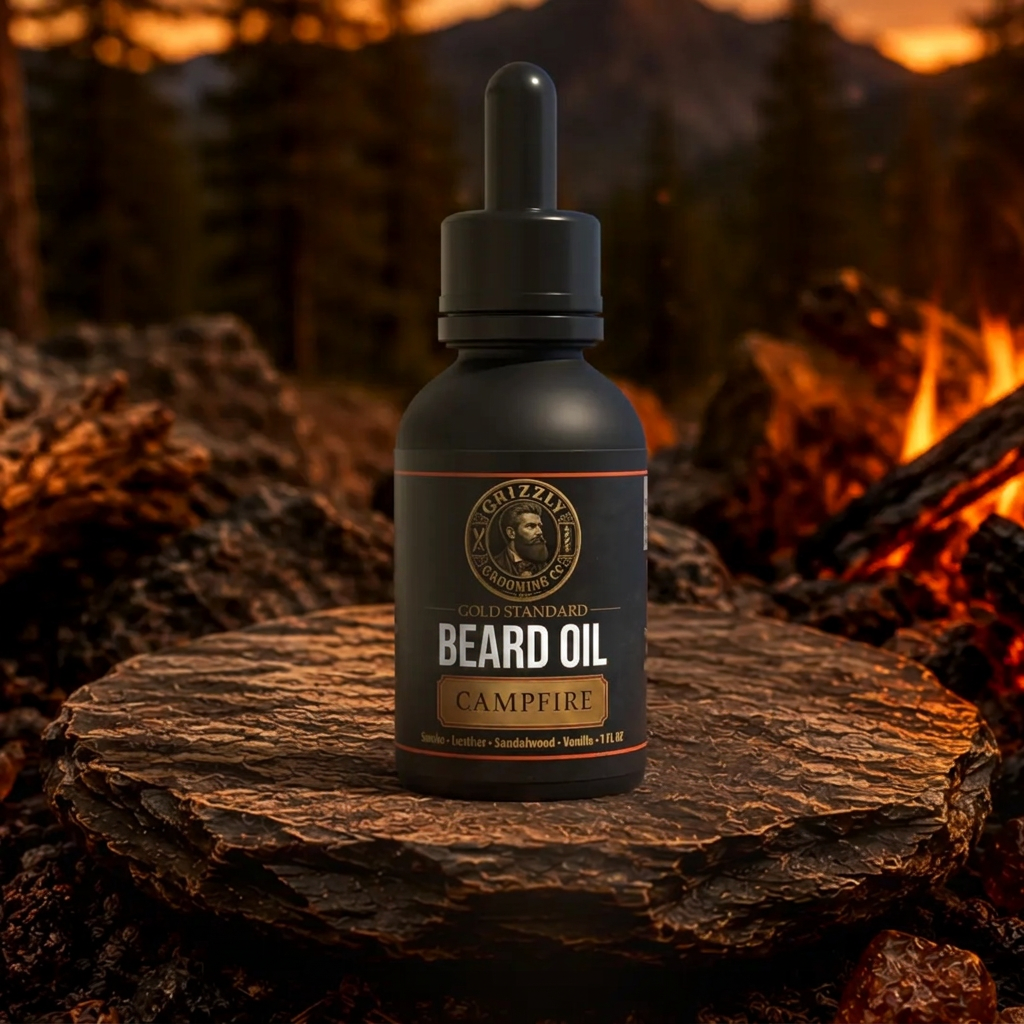
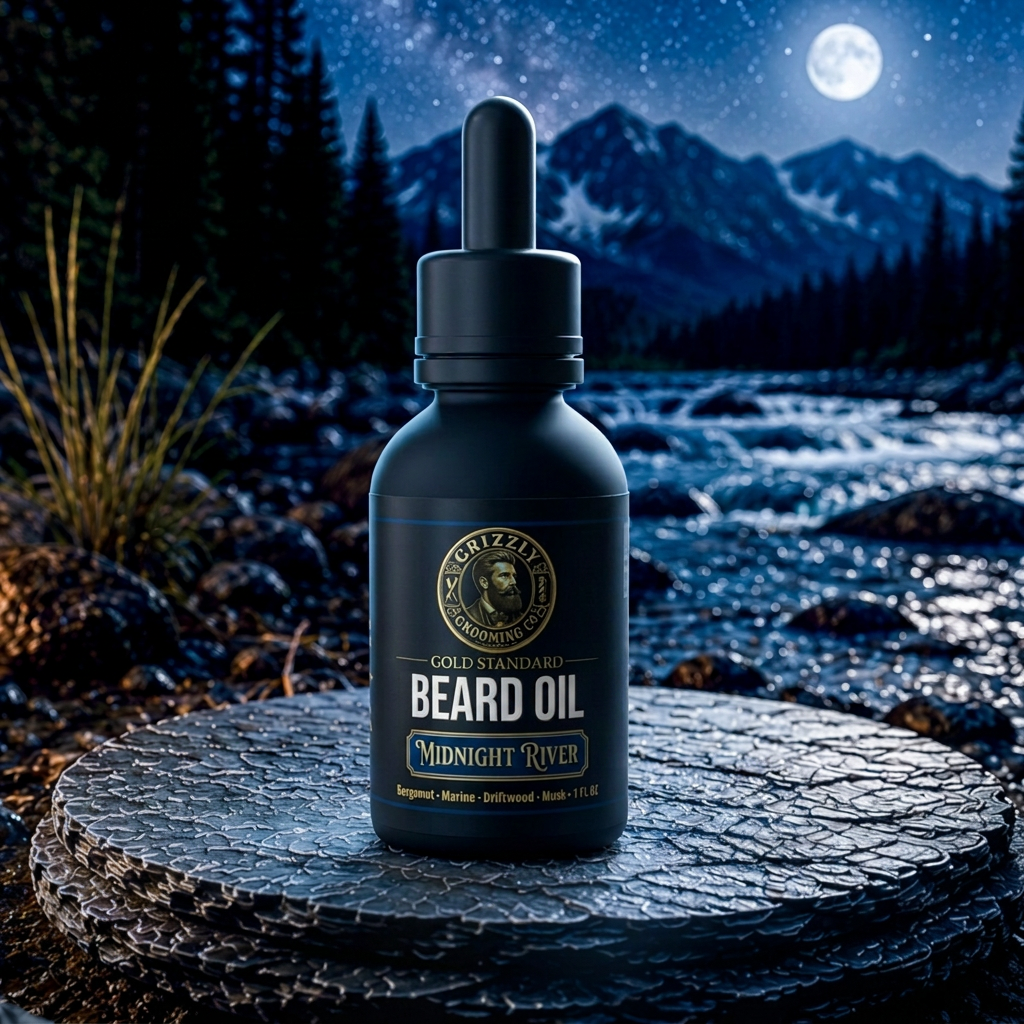
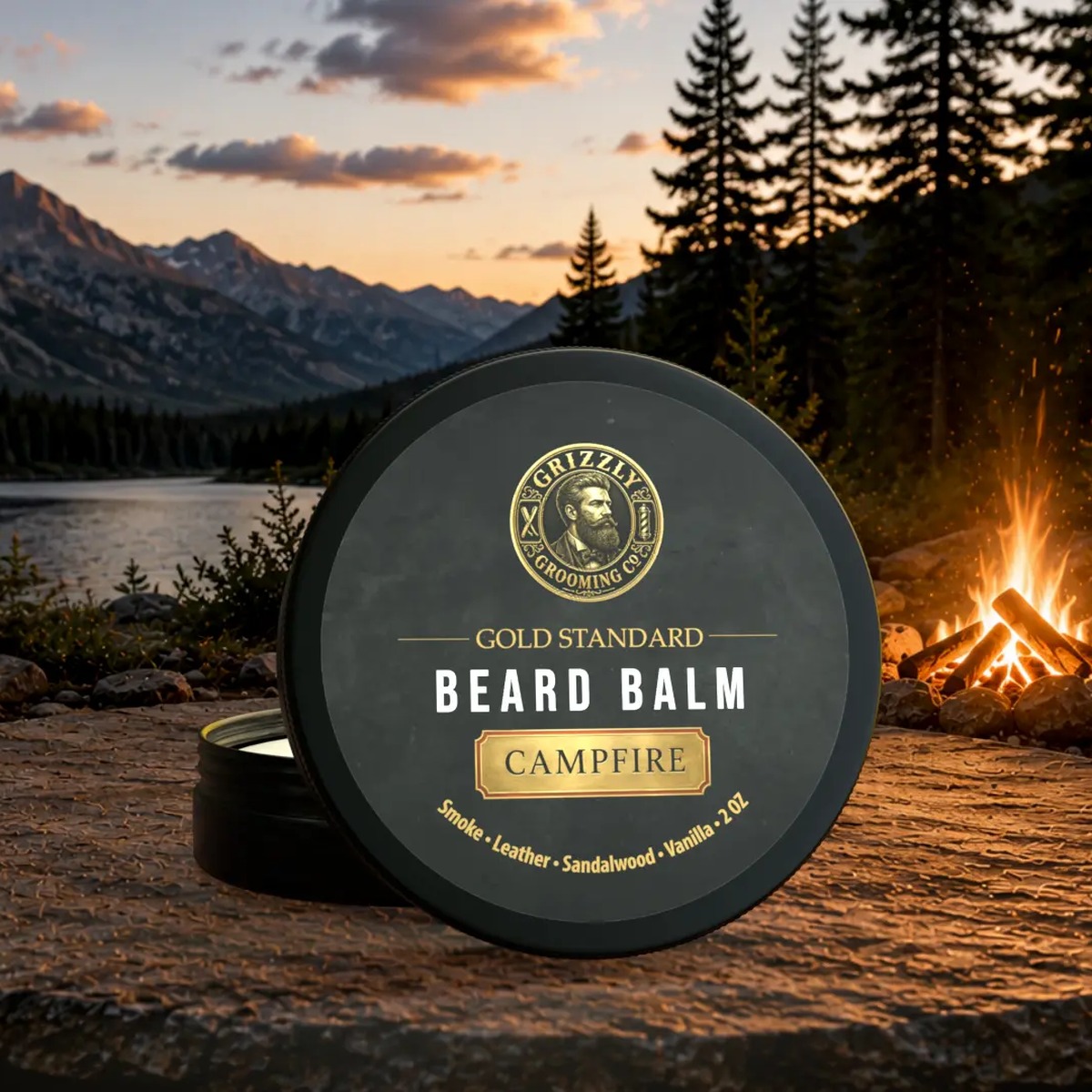
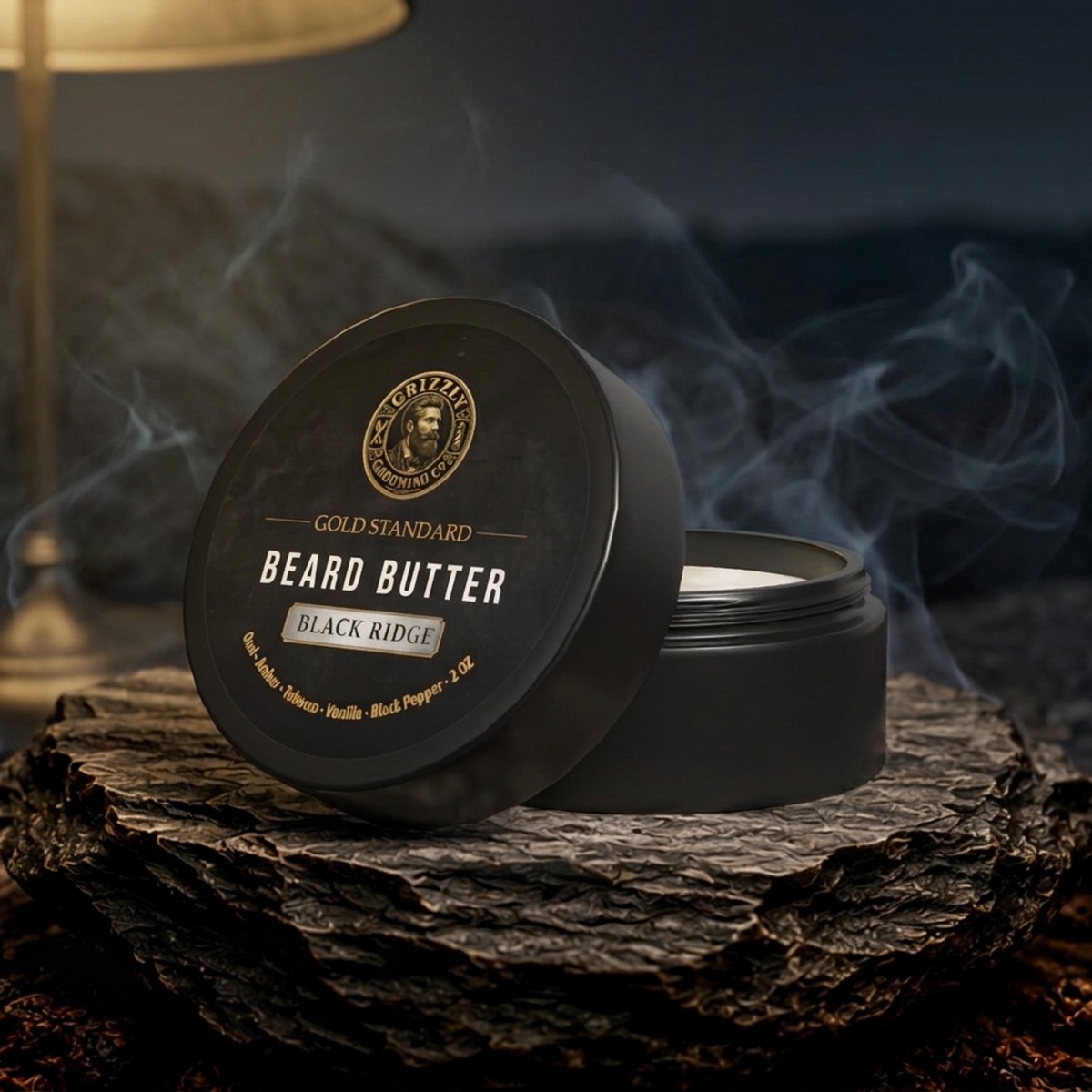
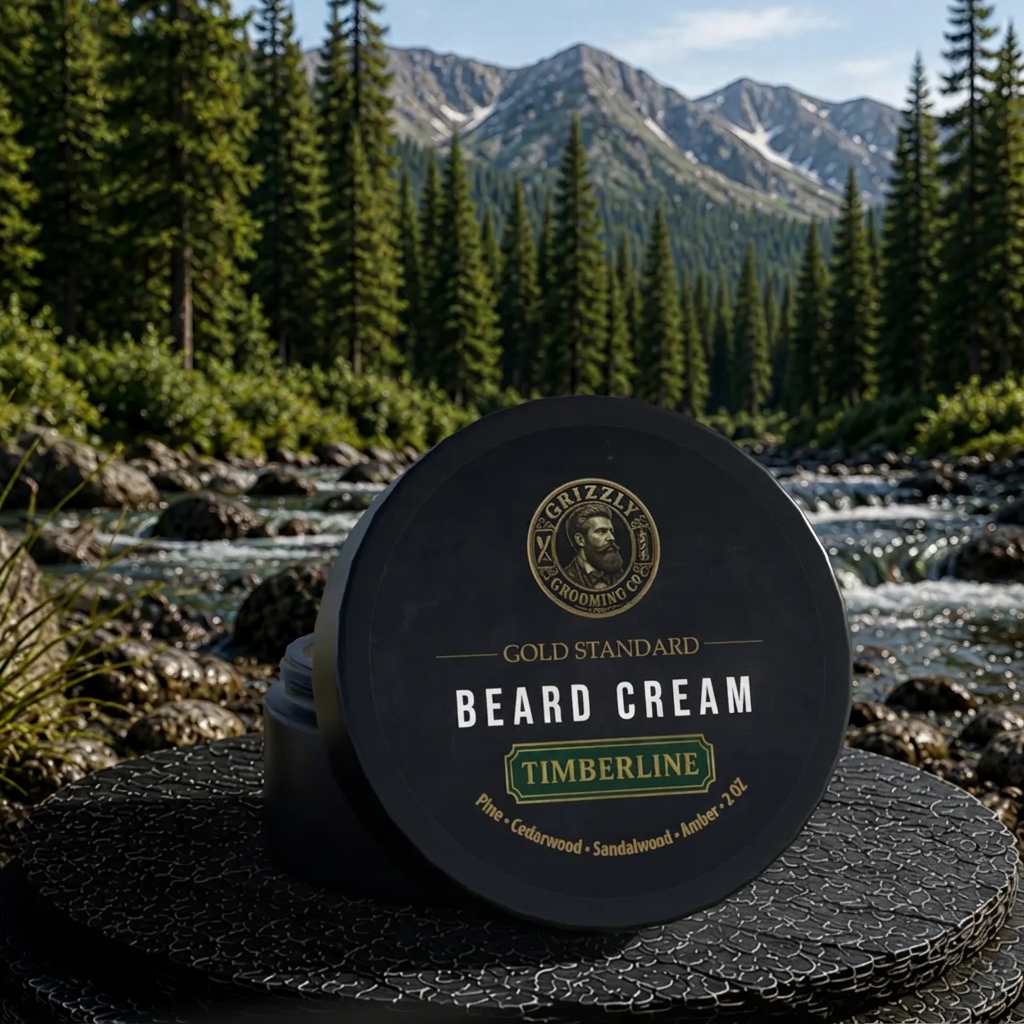
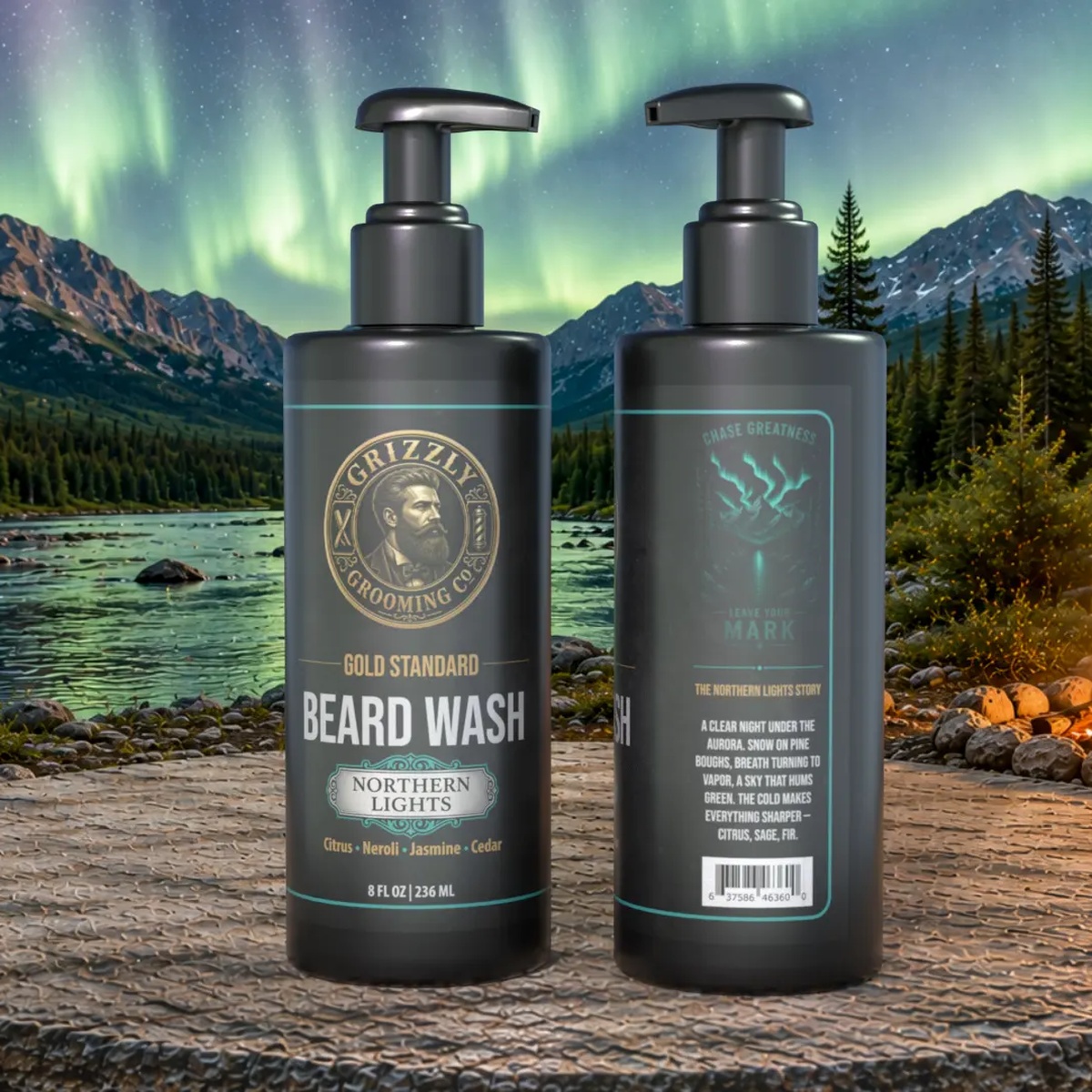
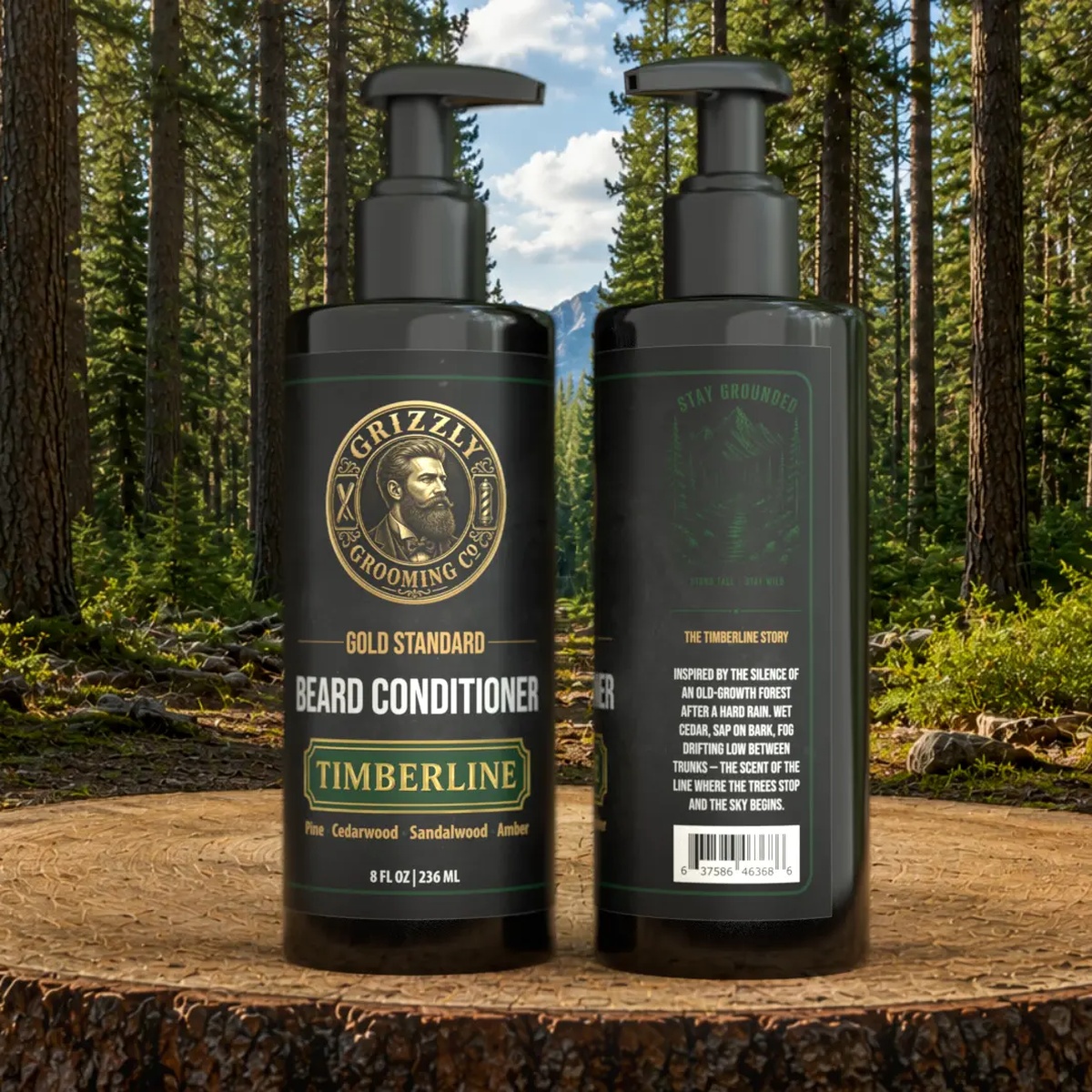
Quality formulations, such as those in the Grizzly Gold Standard line, prioritize skin-mimicking lipids. If your current product relies on alcohol as a drying agent or uses thinning agents to make the oil feel 'lighter,' it is likely stripping away your natural sebum rather than supplementing it.
Absorption Rates and Residual Greasiness
A beard oil is a delivery system for nutrients, not a styling wax. It should absorb into the hair shaft and the dermal layer within ten to fifteen minutes of application. If you find your phone screen or shirt collar covered in oil hours later, the molecular weight of your carrier oils is too high for your specific hair porosity.
Heavy oils like castor or olive oil can be beneficial in small ratios, but when they serve as the primary base, they sit on top of the hair. This creates a magnet for environmental dust and debris, which can lead to tangles and a dull appearance rather than a healthy, natural luster.
Breakouts and Pore Congestion
The skin on your face is distinct from the skin on your scalp. Using oils with high comedogenic ratings—such as coconut oil or mineral oil—often leads to clogged pores and 'beard-acne.' If you notice redness or small bumps beneath the hair, your oil is likely trapping bacteria against the skin.
Switching to a formula based on jojoba, argan, or grapeseed oil is often the solution. These oils closely resemble human sebum and are less likely to cause congestion. Monitoring your skin's reaction over a two-week period is the most effective way to gauge if a specific blend is compatible with your biology.
Brittle Texture and Lack of Moisture
If you apply oil daily but your beard still feels like straw by midday, the oil is not penetrating the cuticle. This often happens with products that use silicone derivatives to create a temporary sense of smoothness. While silicones make the hair feel soft initially, they coat the hair in a plastic-like layer that prevents actual moisture from entering.
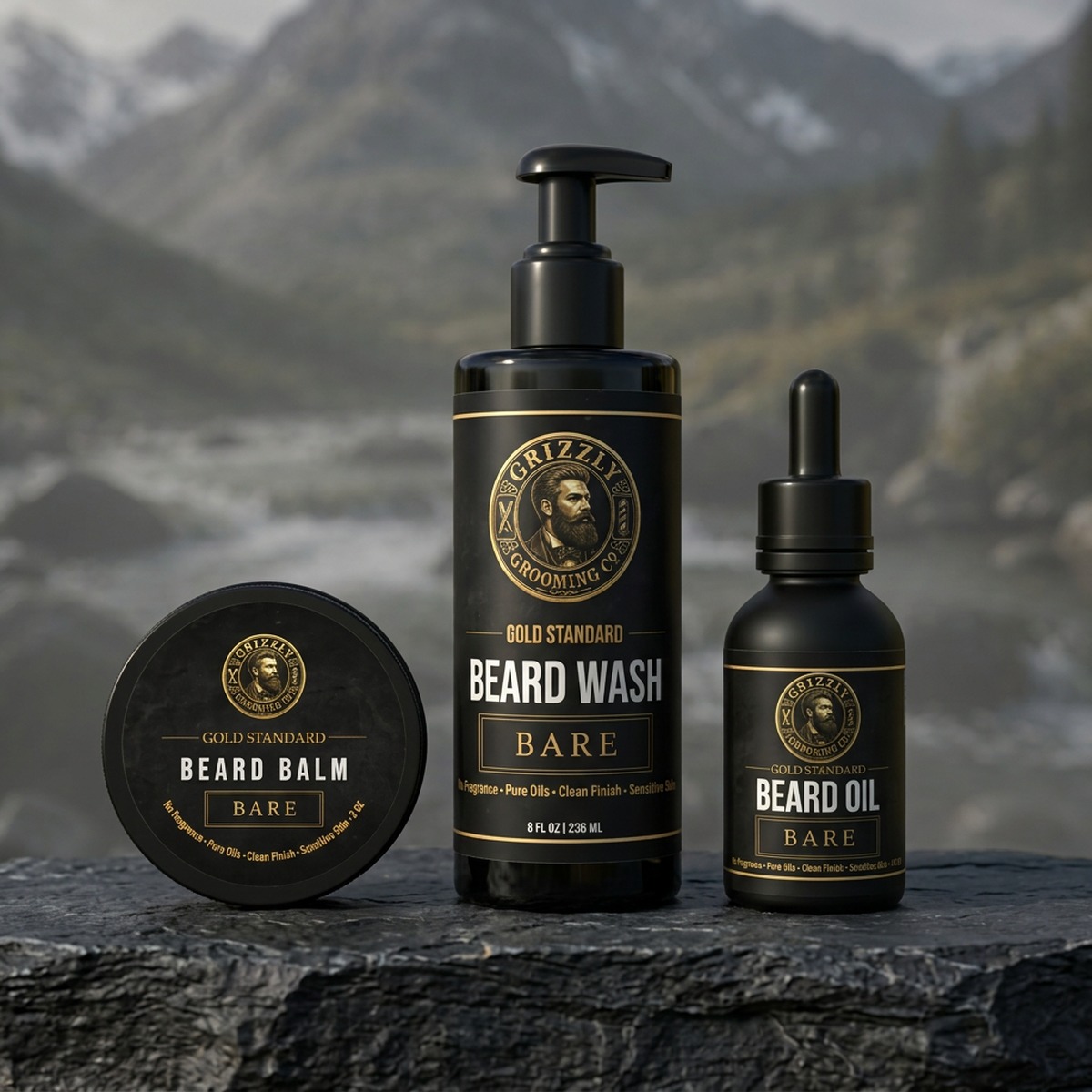
To fix this, look for oils rich in Vitamin E and essential fatty acids. A proper beard oil should work in tandem with a dedicated beard wash to keep the hair pliable. If the hair remains stiff and prone to breakage, it is time to discard the current bottle in favor of a botanical-heavy formulation.
Frequently Asked Questions
How often should I change my beard oil brand?
There is no need to switch if the product is working, but you should reassess if your environment changes. A heavier oil might be necessary in dry winter months, while a lighter blend is often better for humid summers.
Can I use beard oil and beard balm together?
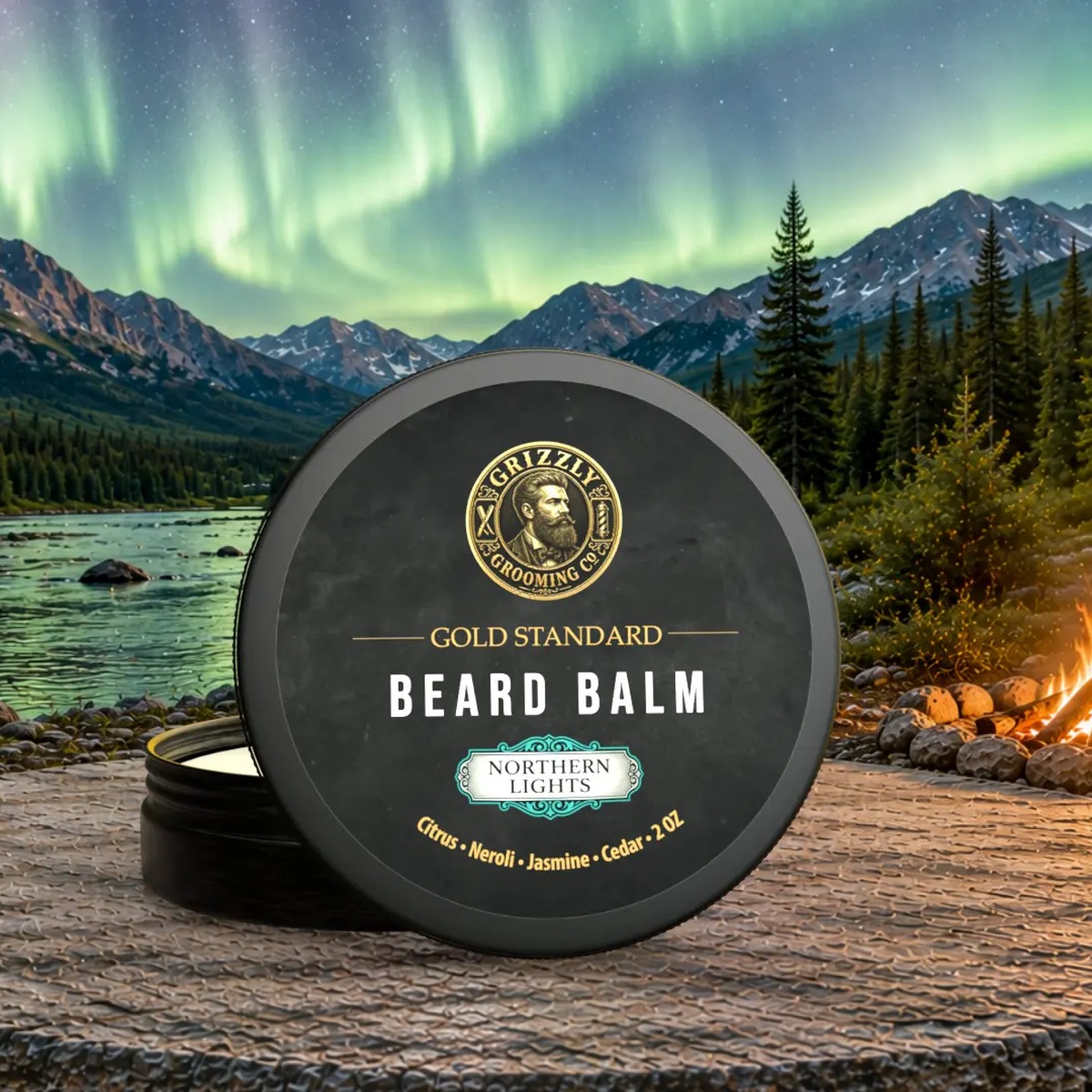
Yes, they serve different purposes. Apply the beard oil first to hydrate the skin and the roots, then use a beard balm or beard butter to seal in that moisture and provide light styling hold.
Why does my beard oil smell different after a few months?
Natural oils can go rancid if they are not stored in dark glass bottles away from direct sunlight. If the scent turns sour or metallic, the antioxidants have broken down and the oil should be replaced.
Build your ritual in 60 seconds.
Answer four questions and get a custom regimen — plus a 15% bundle discount.
Start The Ritual Builder