Signs Your Beard Oil Is Wrong for You: Identifying Ingredient Mismatches
A beard oil should be the cornerstone of your grooming ritual, providing hydration and a distinct, masculine scent. However, when a formulation clashes with your skin chemistry, the result is often discomfort rather than a polished finish.
- ›Persistent beard itch often indicates a lack of absorption or low-quality carrier oils.
- ›Frequent breakouts under the beard suggest the oil contains highly comedogenic ingredients like coconut oil.
- ›Oils that sit on the surface without penetrating lead to a greasy, unrefined appearance.
- ›A metallic or overly pungent scent can be a sign of rancidity or cheap synthetic fragrances.
Persistent Itch and Follicular Irritation
The primary purpose of a beard oil is to supplement the sebum your face naturally produces, which becomes insufficient as the beard grows longer. If you find yourself scratching at your chin throughout the day, your current oil is likely failing to penetrate the dermal layer.
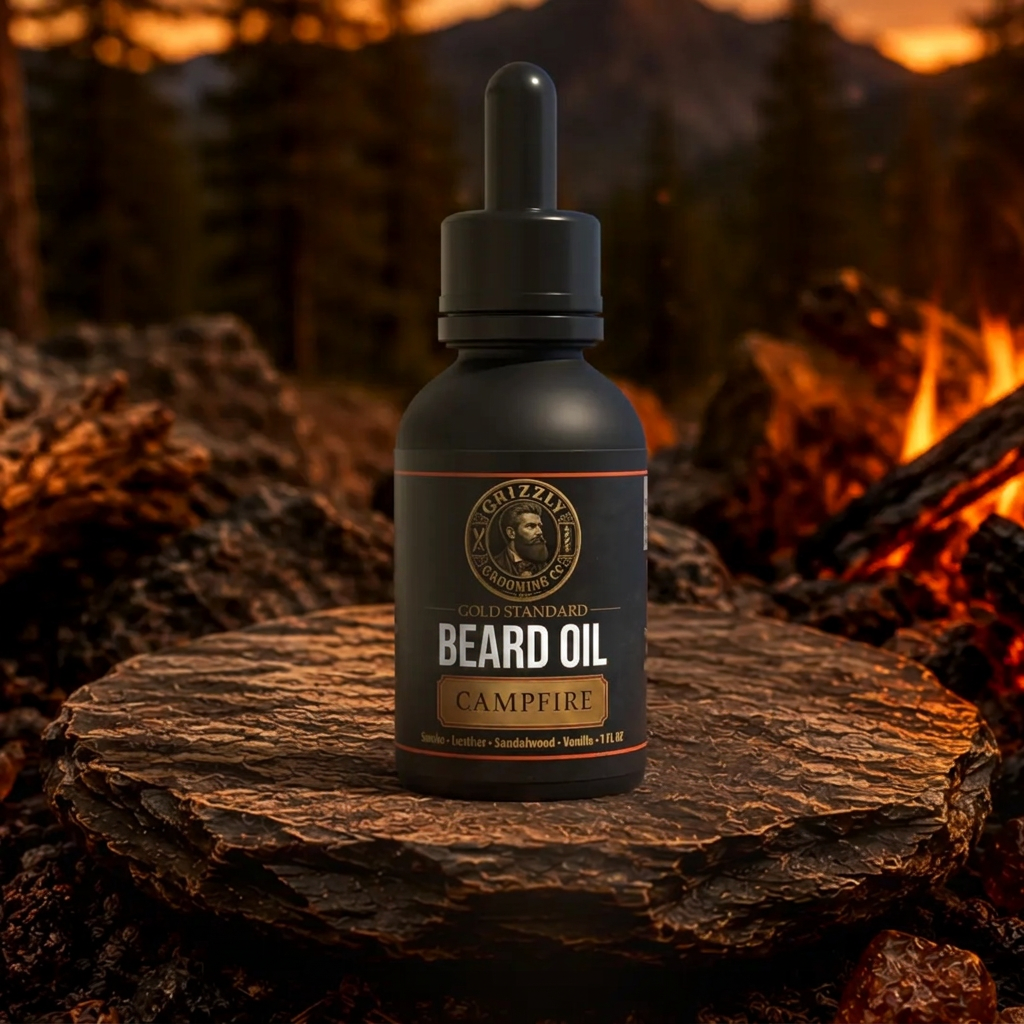
This often happens when brands use cheap fillers like mineral oil or heavy vegetable oils that have a molecular structure too large to be absorbed. A quality Grizzly Gold Standard beard oil utilizes jojoba and argan, which mimic natural skin oils to provide deep cellular hydration.
If the itch persists for more than three days after starting a new product, it is time to reassess your choice. Continuing use will only lead to further inflammation and potential damage to the hair follicles.
Breakouts and the Comedogenic Scale
Modern men often mistake beard-related acne for a hygiene issue when it is frequently a product issue. Many commercial oils rely on coconut oil or cocoa butter as a base because they are inexpensive and shelf-stable, but these are high on the comedogenic scale.
Comedogenic ingredients work by sealing the pores, trapping dirt and sweat underneath a thick film. This leads to painful whiteheads or deep cystic bumps that can scar your beard line and impede growth.
Look for oils labeled as non-comedogenic or focus on ingredients like sweetheart almond oil and grapeseed oil. These light carriers provide the necessary fatty acids without physically obstructing the pore opening.
The Greasy Residue Problem
A well-formulated beard oil should disappear into the hair and skin within ten to fifteen minutes of application. If your collar is stained by noon or your phone screen is covered in oil after a call, your product is sitting on the surface.
This lack of absorption usually stems from an imbalance of oleic and linoleic acids. When these ratios are off, the oil feels heavy and looks unnatural. A quality grooming ritual requires a product that provides a matte or low-shine finish, not a high-gloss slick.
If you find you are using more than three to five drops for a mid-length beard and it still feels wet, the formulation lacks the necessary 'dry' oils like rosehip or hemp seed that facilitate faster absorption.
Rancid Notes and Synthetic Fragrance Burn
Beard oil is an organic product, and like any botanical substance, it has a shelf life. If your oil begins to smell like old crayons, metallic, or sour, the oils have oxidized. Applying oxidized oil can cause oxidative stress to your skin, leading to premature aging and irritation.
Furthermore, if you experience a stinging or burning sensation upon application, your oil likely contains high concentrations of synthetic fragrance or alcohol-based stabilizers. These ingredients strip the hair of its natural cuticle protection.
Switching to a formula that uses essential oils for scent not only provides a more sophisticated olfactory experience but also offers therapeutic benefits for the skin underneath the beard.
Frequently Asked Questions
How long should it take for beard oil to absorb?
A high-quality beard oil should be fully absorbed by the skin and hair within 10 to 20 minutes. If your beard still feels greasy or looks wet after 30 minutes, you are either using too much product or the carrier oils are too heavy for your skin type.
Can beard oil cause beard dandruff?
Yes, if the oil is not providing adequate hydration or if it is causing an allergic reaction, it can lead to 'beardruff.' This is often a sign of seborrheic dermatitis triggered by an oil that feeds the yeast on the skin instead of balancing the microbiome.
Why does my beard feel crunchy even after applying oil?
Crunchy hair typically indicates that the oil contains too much protein or is sitting on the surface and drying out, rather than softening the hair. You may need to incorporate a beard wash and conditioner to strip away build-up before applying a lighter, high-penetration oil.
Build your ritual in 60 seconds.
Answer four questions and get a custom regimen — plus a 15% bundle discount.
Start The Ritual Builder