Signs Your Beard Oil Is Underperforming and How to Choose a Better One
A beard oil should disappear into your skin and hair, leaving behind nothing but a healthy sheen and softened texture. If you find yourself battling persistent itch or a heavy, greasy film, your current formula is likely working against your physiology. Understanding the chemistry of carrier oils is the first step in refining your grooming ritual.
- ›Persistent beard itch often indicates a low-quality carrier oil that cannot penetrate the cuticle.
- ›Breakouts or 'beardne' suggest your oil contains highly comedogenic ingredients like coconut oil.
- ›A greasy residue that lasts more than twenty minutes means the molecular weight is too high.
- ›Brittle hair despite daily application is a sign of poor absorption and lack of nutrient density.
The Myth of the Persistent Greasy Film
Quality beard oil is designed to be absorbed by both the follicle and the skin underneath. If your beard feels slick or looks excessively shiny for hours after application, the oil is merely sitting on the surface. This often happens with formulas that rely heavily on cheap fillers or synthetic silicones that provide a temporary aesthetic boost without true hydration.
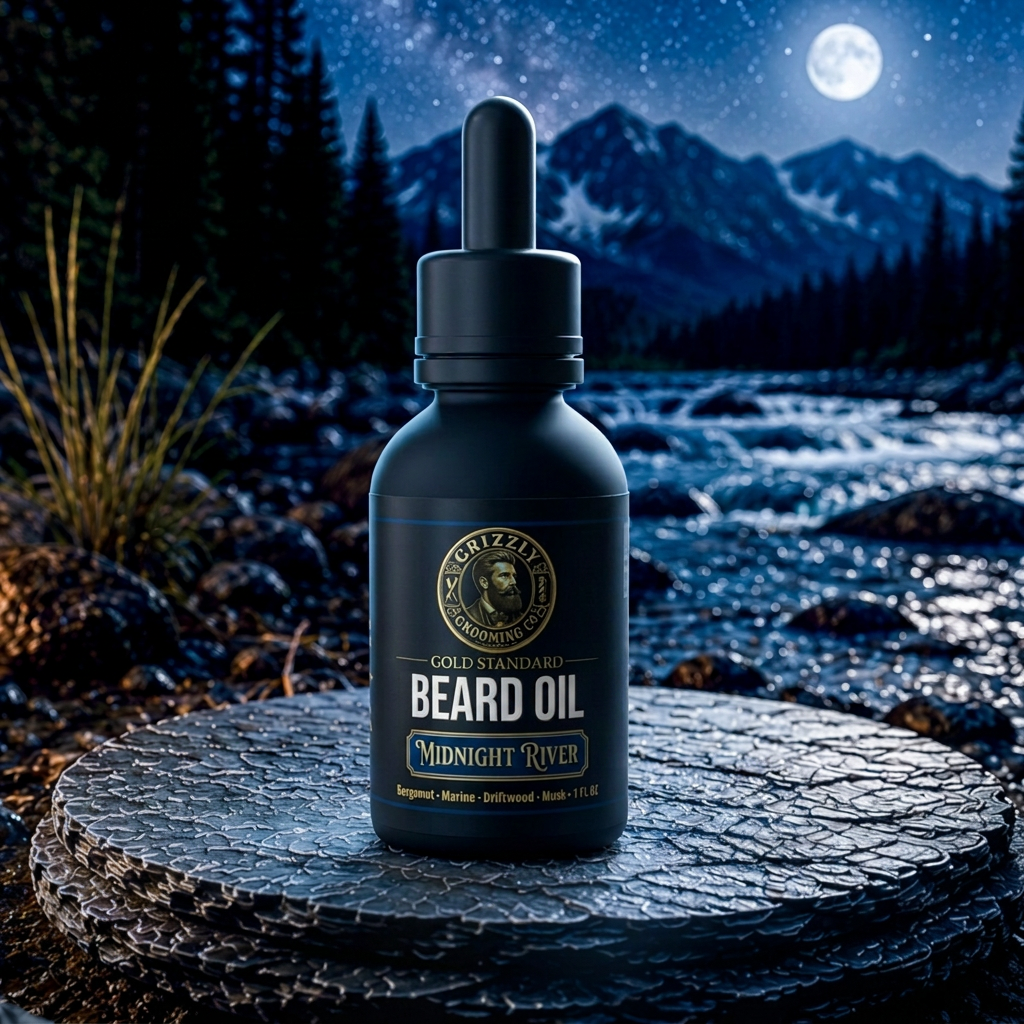
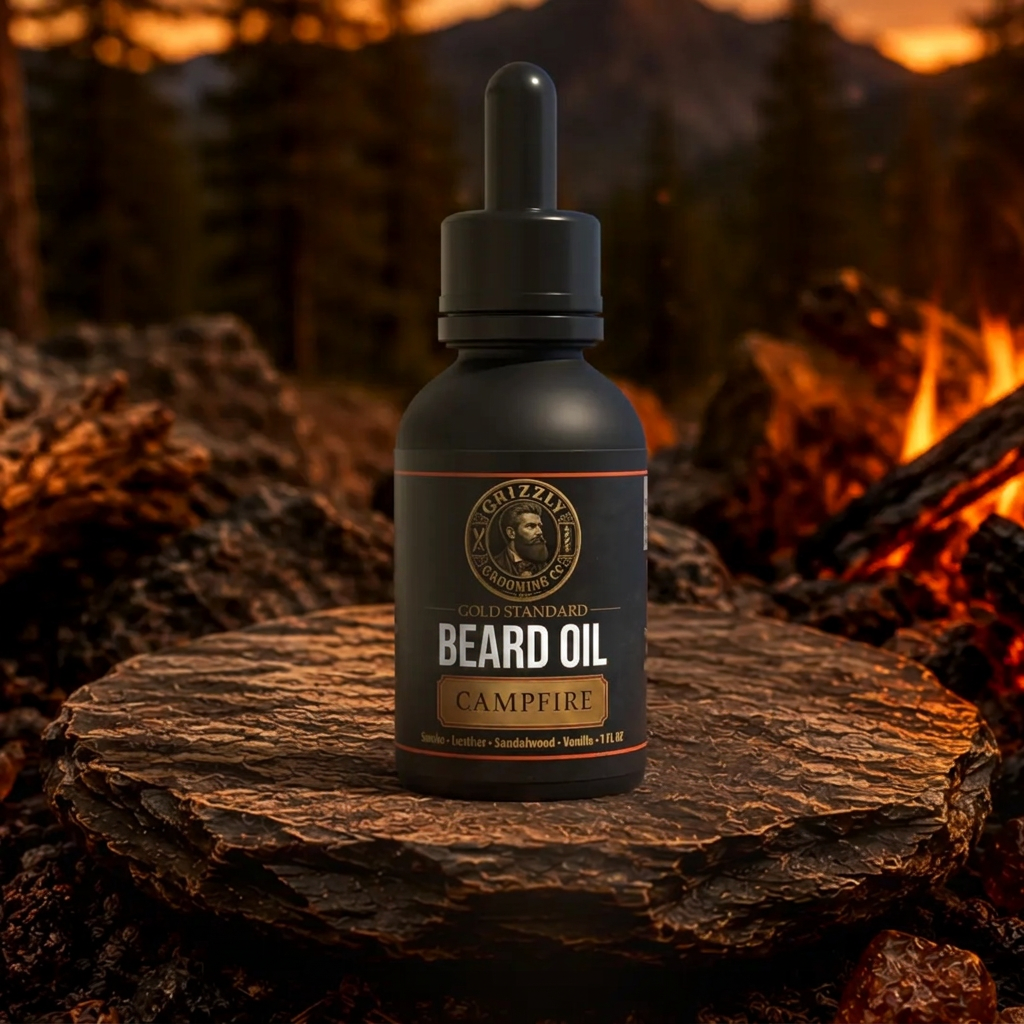
In a proper grooming routine, a few drops of Grizzly Gold Standard beard oil should be fully absorbed within fifteen to twenty minutes. When the oil fails to penetrate, it attracts dust and environmental pollutants, which can lead to tangles and a dull appearance over time. If your phone screen is covered in oil after a call, it is time to reassess your product choice.
Identifying Comedogenic Triggers and Breakouts
Many men suffer from breakouts under their facial hair, a condition often referred to as beardne. This is frequently caused by using oils with a high comedogenic rating, such as coconut oil or certain synthetic esters. These ingredients block the pores, trapping sebum and bacteria beneath the surface, which leads to inflammation and painful bumps.
Switching to a formula based on non-comedogenic carriers like jojoba, argan, or grapeseed oil allows the skin to breathe. Jojoba, in particular, closely mimics the human body's natural sebum, making it less likely to cause a reaction. If you notice increased redness or pimples since starting a new oil, the ingredient list is the first place to look for culprits.
The Paradox of the Dry Beard
It seems counterintuitive, but the wrong beard oil can actually leave your beard feeling drier than before. This occurs when the oil contains high concentrations of alcohol or certain fragrance chemicals that strip away natural moisture. Furthermore, if the oil lacks essential fatty acids, it won't be able to repair the hair's protective lipid layer.
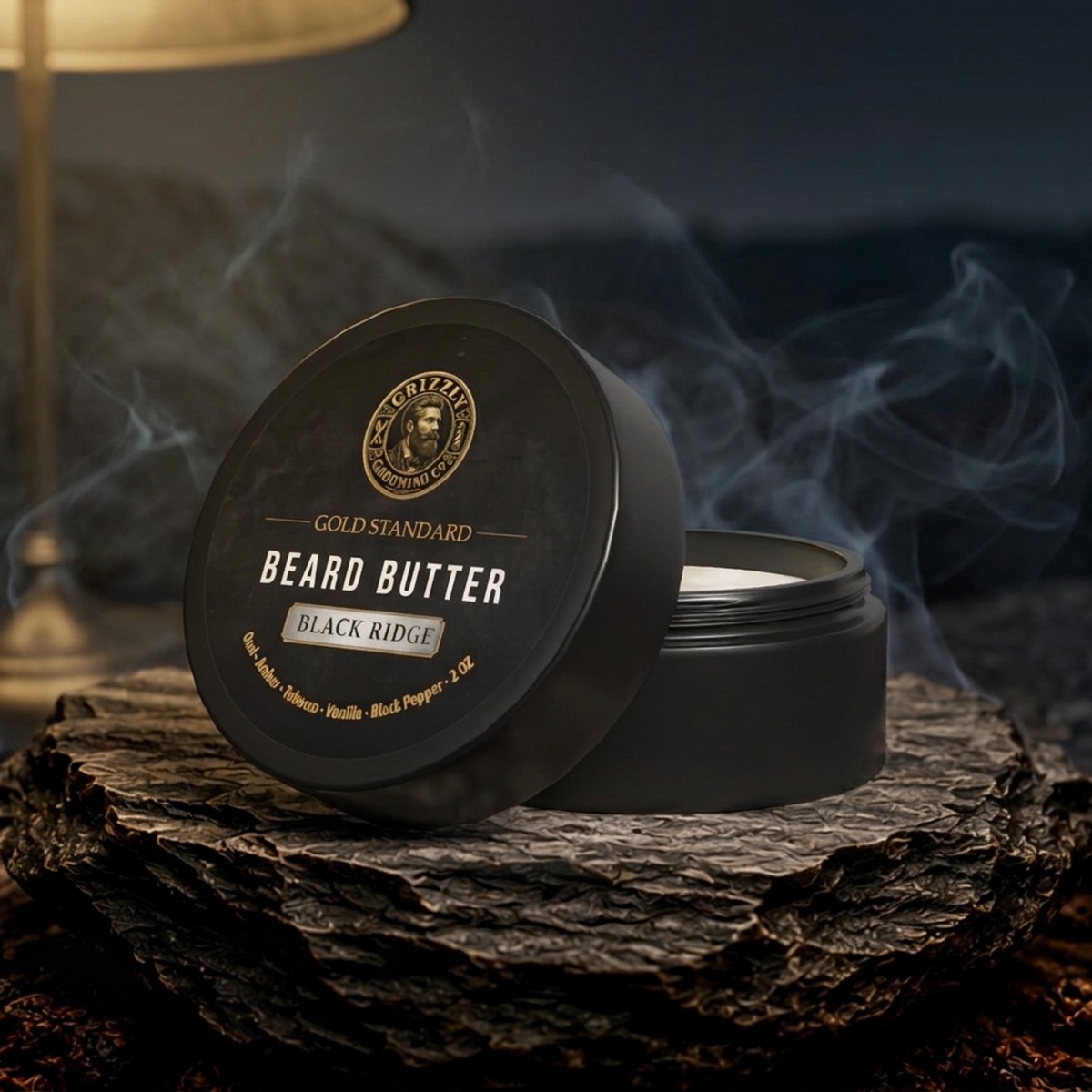
If you find yourself reaching for your oil bottle multiple times a day because your hair feels brittle, the oil lacks the necessary depth. A craft-focused beard oil should provide enough nourishment to last until your next wash. For those with particularly coarse hair, supplementing your routine with a beard butter can provide the internal hydration that a thin, low-quality oil lacks.
Synthetic Fragrances and Skin Sensitivity
The scent of your grooming products should be a subtle experience, not a source of irritation. Many mass-market oils use synthetic 'fragrance' or 'parfum,' which are umbrella terms for hundreds of chemicals that can cause contact dermatitis. Signs of this include a burning sensation upon application or localized red patches that feel warm to the touch.
We prioritize essential oils and high-grade aromatics that offer complex scent profiles without the harsh chemical load. If you have sensitive skin, look for oils that list specific botanical extracts rather than generic fragrance terms. Your beard oil should complement your cologne, not compete with it or irritate the skin it sits on.
Frequently Asked Questions
How long should it take for beard oil to absorb?
On average, a well-formulated beard oil should be fully absorbed by the skin and hair within 15 to 30 minutes. If your face still feels oily after an hour, you are either using too much product or the carrier oils are too heavy for your skin type.
Why does my beard itch even though I use oil every day?
Persistent itch usually means the oil is not reaching the skin or the formula contains drying agents like isopropyl alcohol. Ensure you are massaging the oil into the skin beneath the hair, and check your labels for harsh synthetics that might be causing dryness.
Can I use beard oil if I have oily skin?
Yes, but you must choose an oil with a low comedogenic rating. Using a jojoba-based oil can actually help regulate your skin's natural oil production by signaling to your pores that they are sufficiently hydrated, preventing overproduction of sebum.
Build your ritual in 60 seconds.
Answer four questions and get a custom regimen — plus a 15% bundle discount.
Start The Ritual Builder