Repairing Damage: The Definitive Guide to Fixing Beard Split Ends
A split end is more than an aesthetic nuisance; it is a structural failure of the hair shaft that can lead to thinning and stunted growth. Resolving this issue requires a disciplined return to the basics of hydration and mechanical care.
- ›Identify split ends early to prevent the damage from traveling up the hair shaft.
- ›Use high-quality barber shears rather than standard scissors for a clean cut.
- ›Prioritize daily hydration with beard oil to seal the hair cuticle.
- ›Lower the heat on your styling tools to prevent internal moisture loss.
- ›Adopt a washing schedule that preserves natural sebum oils.
Identifying the Root Cause of Split Ends
Split ends, or trichoptilosis, occur when the protective outer layer of the hair filament, the cuticle, is stripped away. This exposes the inner cortex, which then unravels into frayed strands. In beards, this is typically caused by environmental stressors, chemical interference, or excessive heat.
Common culprits include aggressive towel-drying, plastic combs with jagged seams, and overly frequent washing with harsh surfactants. When the hair loses its structural integrity at the tip, the only viable solution is a precise mechanical removal before the split migrates toward the root.
The Precision Trim: Removing the Damage
Once a hair has split, it cannot be fused back together permanently. The first step in any repair protocol is a strategic trim. Use a pair of professional-grade barber shears; household kitchen scissors are often too dull and will crush the hair, creating a new split end immediately after the cut.
Work in a well-lit environment and inspect the beard in sections. Snip the hair approximately one-eighth of an inch above the visible split. This ensures you are cutting into healthy, structurally sound hair. If the damage is widespread, a light uniform trim across the entire perimeter of the beard is recommended.
Restoring Hydration with Intent
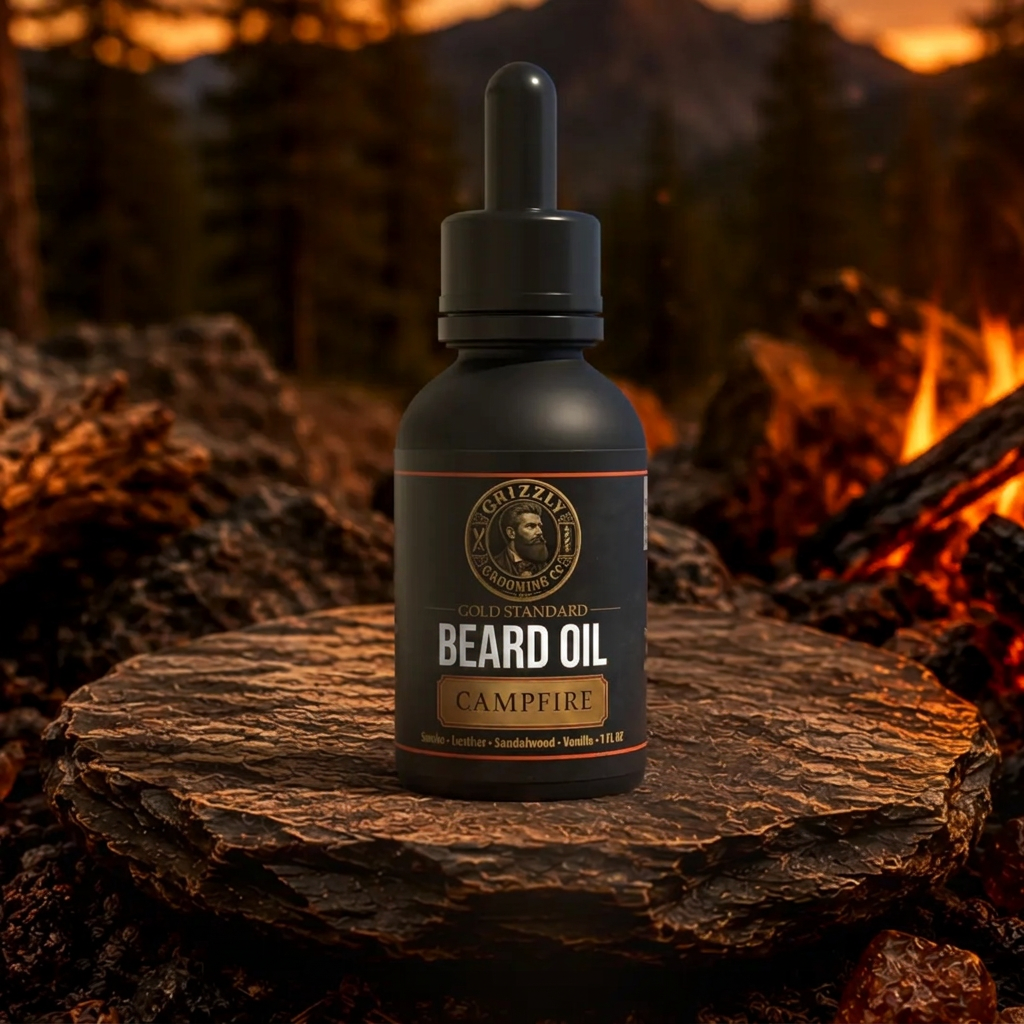
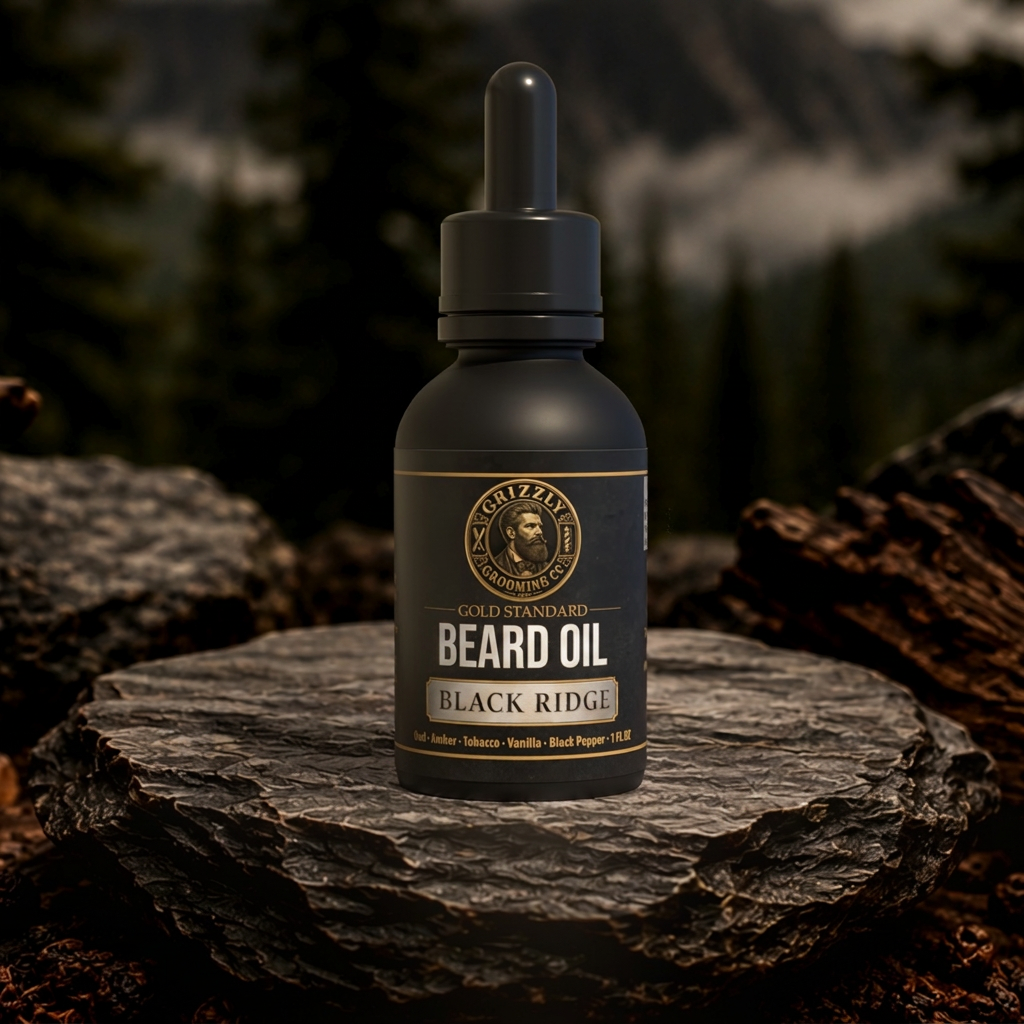
Prevention starts with restoring the moisture balance that prevents hair from becoming brittle. Our Grizzly Gold Standard beard oil is formulated with specific carrier oils like jojoba and argan that mimic the skin's natural sebum. These oils penetrate the cuticle to provide internal elasticity.
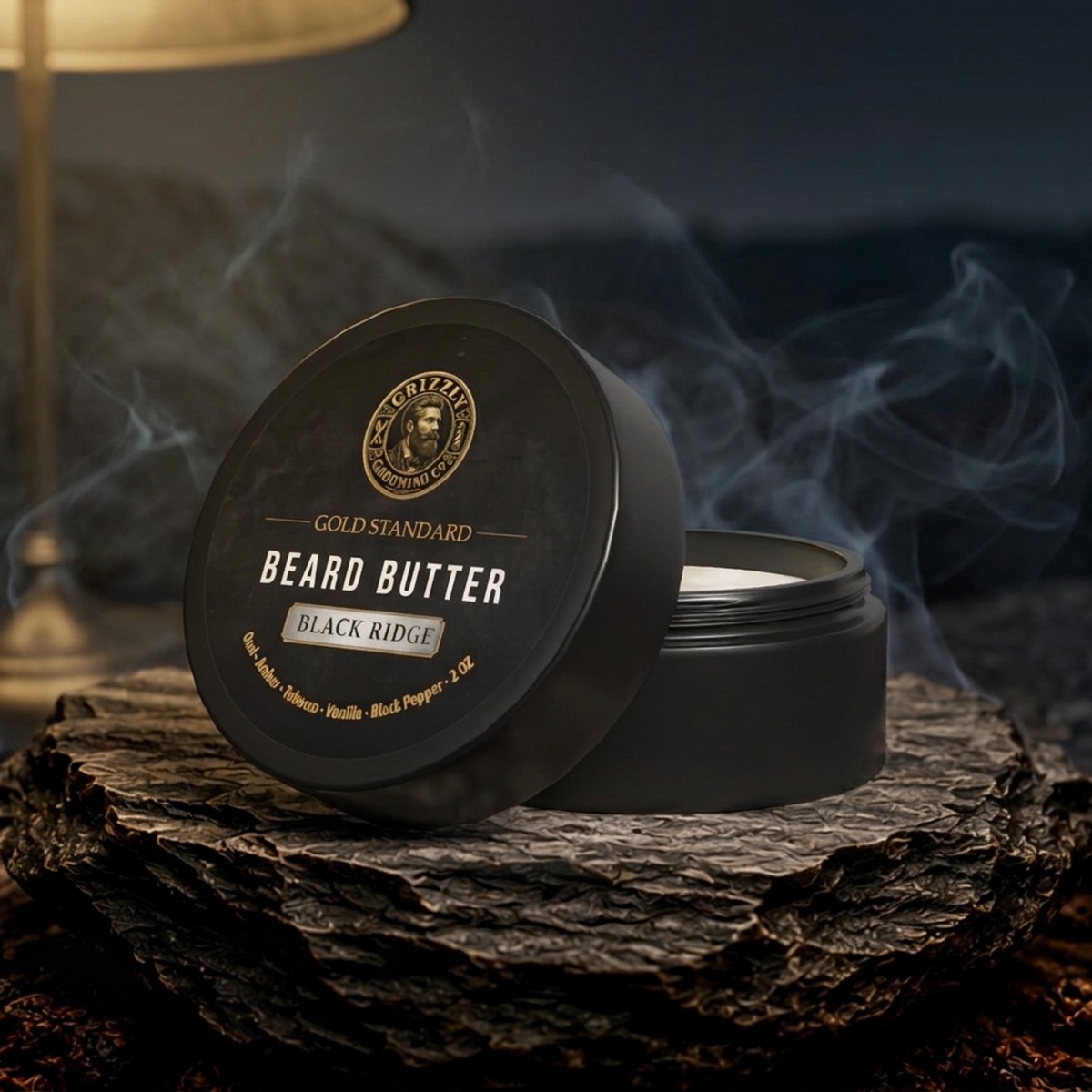
Apply your oil while the beard is slightly damp—not soaking wet. Water opens the cuticle, allowing the oil to lock in moisture as the hair dries. For those with particularly coarse or dry texture, following the oil with a beard butter before sleep provides a deep conditioning treatment that works overnight.
Thermal Discipline and Tool Selection
The use of blow dryers and heated straightening brushes is a primary driver of split ends in modern grooming. High heat boils the moisture within the hair shaft, leading to microscopic explosions that rupture the cuticle. If you must use heat, always utilize the lowest effective setting and keep the tool moving.
Evaluate your grooming tools. Inexpensive plastic combs are produced in molds that leave sharp 'flash' lines on every tooth, which act like tiny saws against your hair. Switch to hand-polished cellulose acetate combs or boar hair brushes to distribute oils and detangle without causing mechanical trauma.
The Importance of Chemical Balance
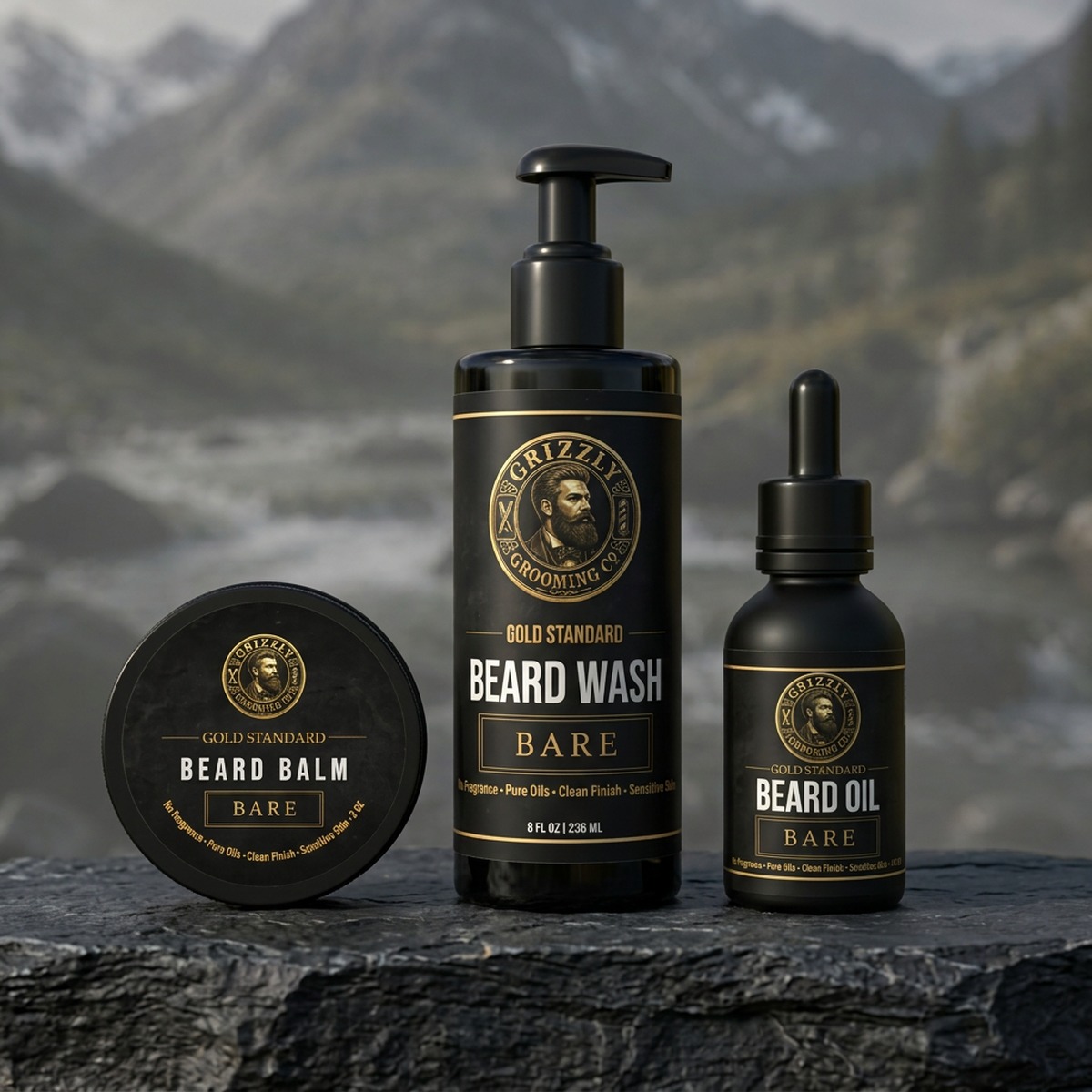
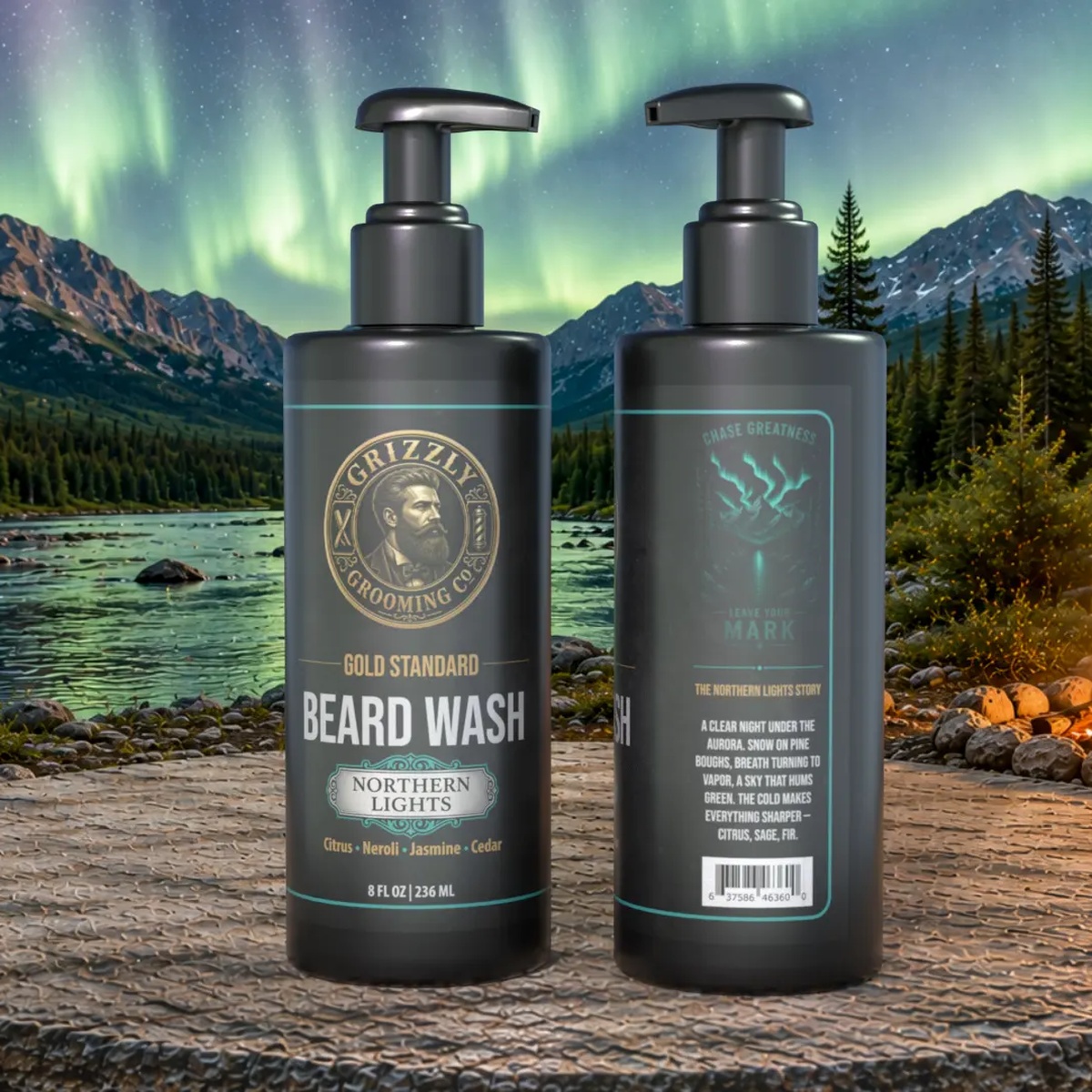
The skin on your face has a different pH level and sensitivity than your scalp. Using standard hair shampoo on your beard is a common error that strips essential oils, leading to dry, frayed ends. A dedicated beard wash is engineered to cleanse the hair without compromising the lipid barrier.
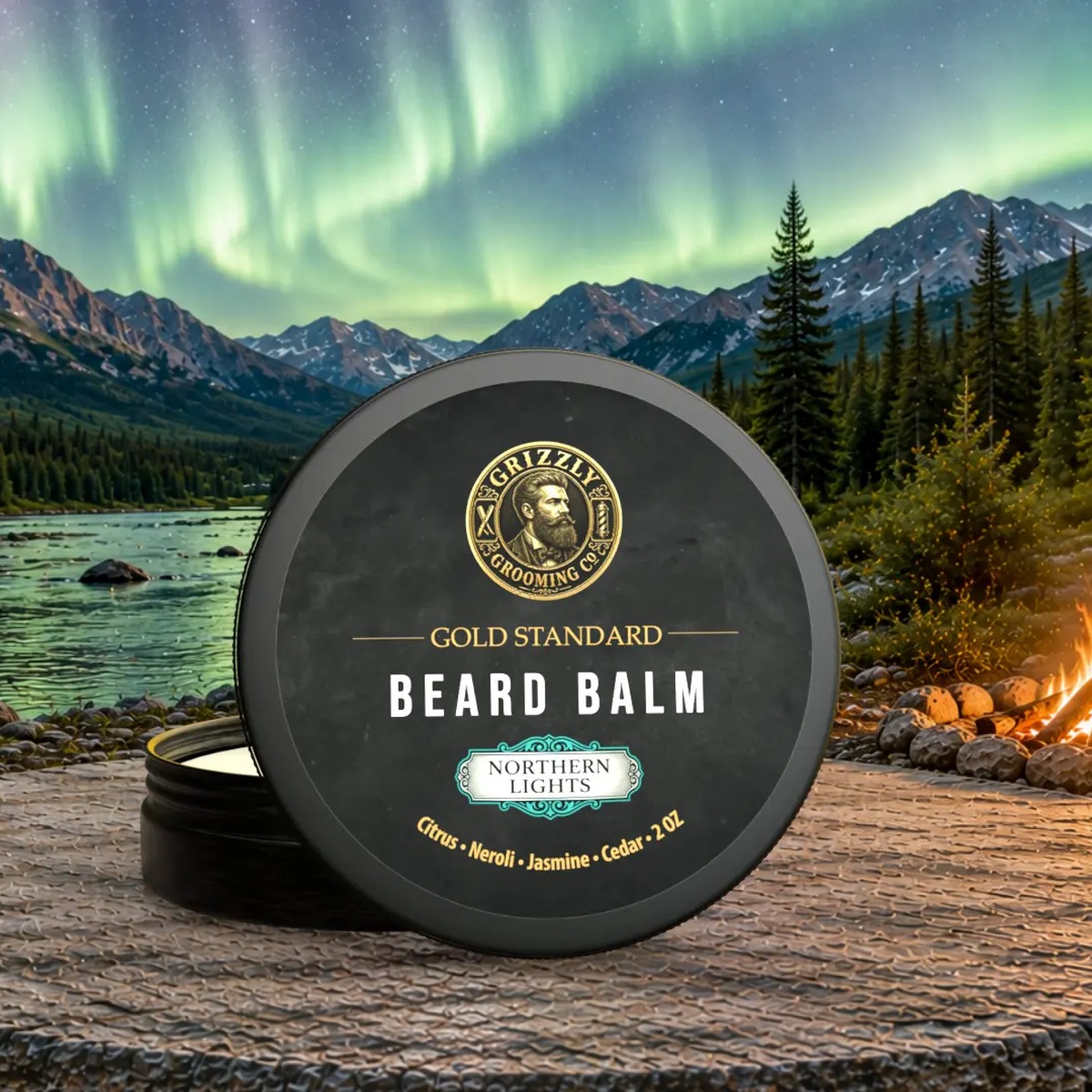
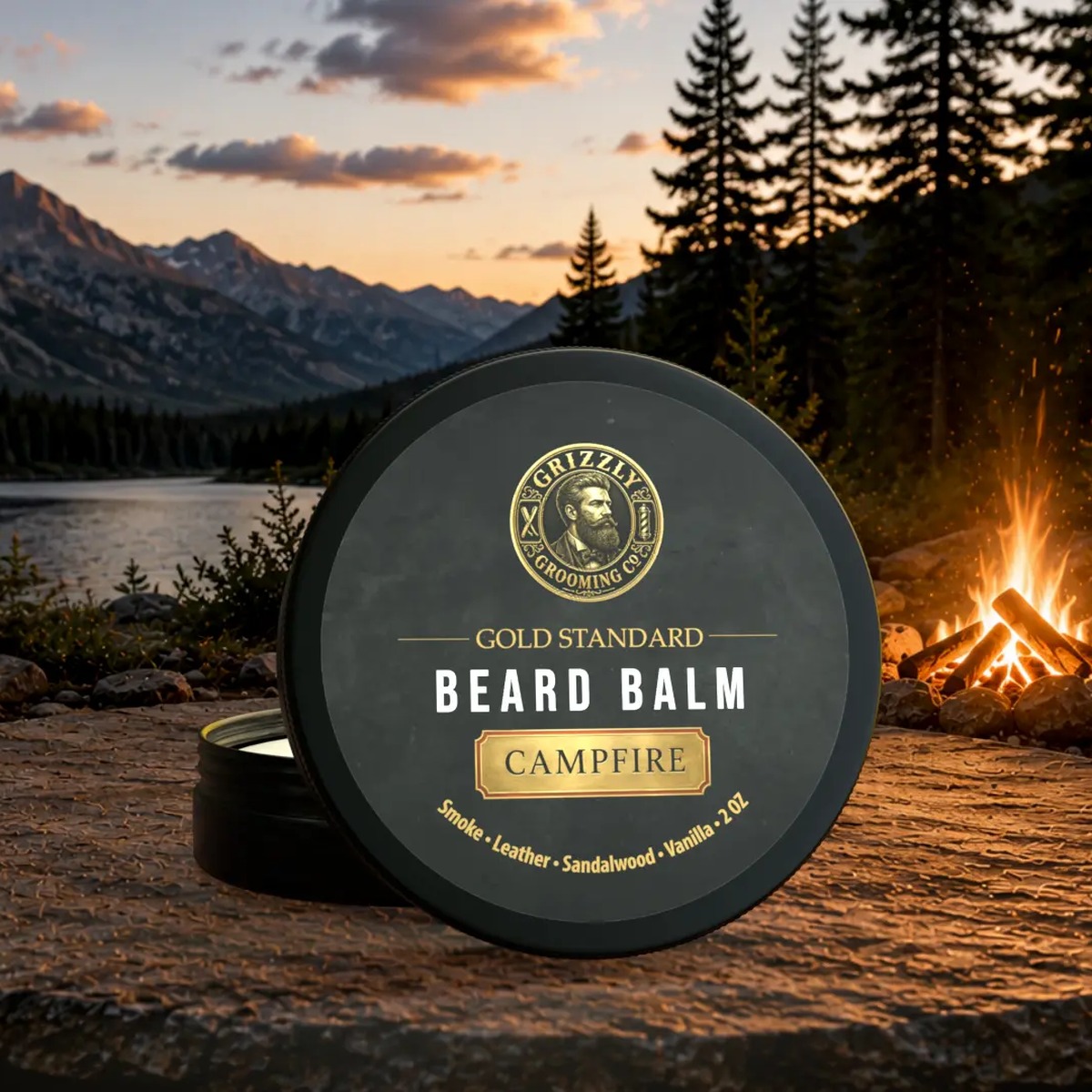
Limit deep cleaning to two or three times a week. On off days, simply rinse with lukewarm water. Following up with a formulated conditioner or beard balm will provide a protective wax layer, such as beeswax or shea butter, which acts as a physical shield against the elements.
Frequently Asked Questions
Can I use hair repair serums to fix split ends?
Serums containing silicones can temporarily glue split ends together to improve appearance, but they do not fix the structural damage. The only permanent solution for a split end is to trim it off with sharp shears.
How often should I trim my beard to prevent splits?
A light maintenance trim every 3 to 4 weeks is usually sufficient to remove weathered ends. If you are growing your beard out, you should still perform a 'dusting' where you only snip the visible split ends without losing length.
Does beard butter help with split ends more than oil?
Beard butter is superior for long-term conditioning because it contains fats and butters that sit on the hair longer. While oil is essential for skin and follicle health, butter provides the heavy-duty hydration needed to keep ends supple.
Build your ritual in 60 seconds.
Answer four questions and get a custom regimen — plus a 15% bundle discount.
Start The Ritual Builder