Proven Techniques to Manage and Fix a Patchy Beard Jawline
A well-defined jawline is the foundation of a classic beard, yet it is often the area most prone to uneven growth. Understanding how to work with your natural follicles rather than fighting them is the first step toward a cohesive look.
- ›Patience is essential as different follicles grow at varying rates.
- ›Strategic trimming of the cheek line can create the illusion of density.
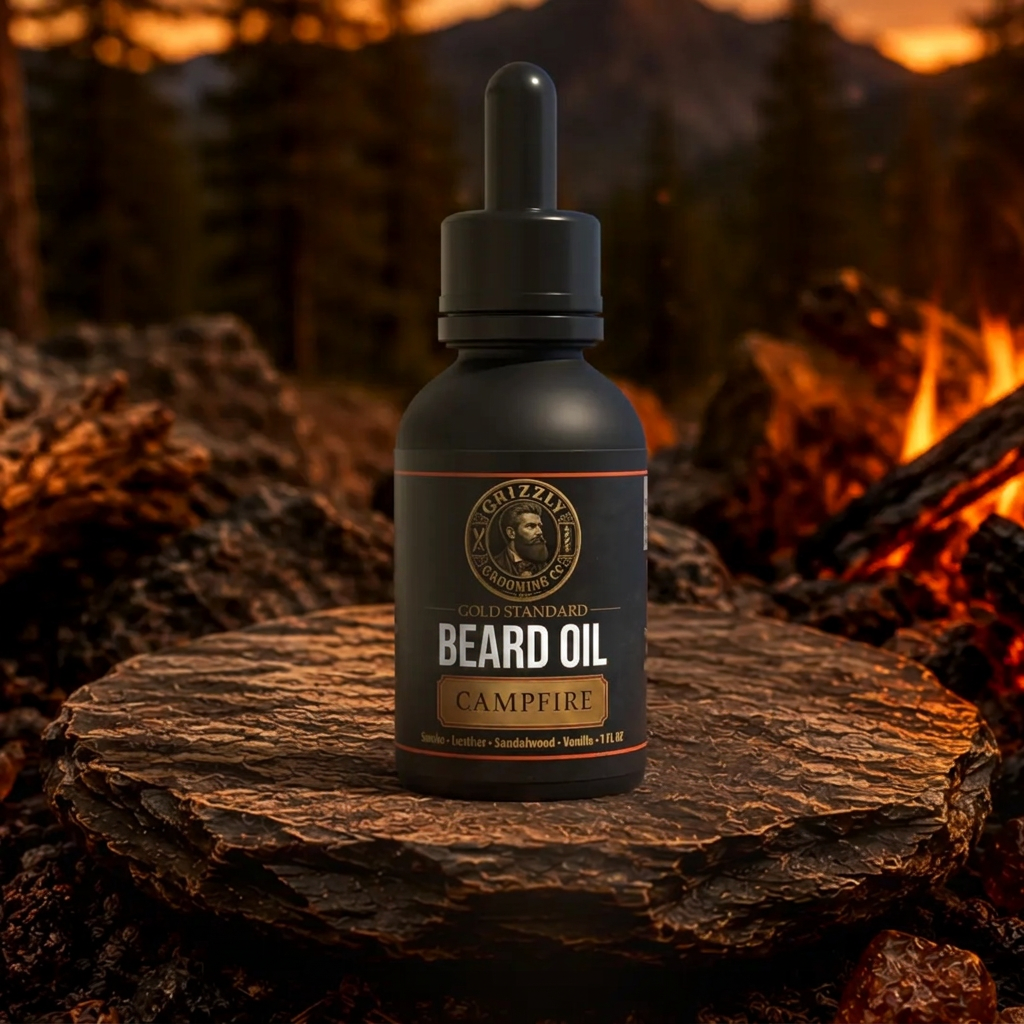
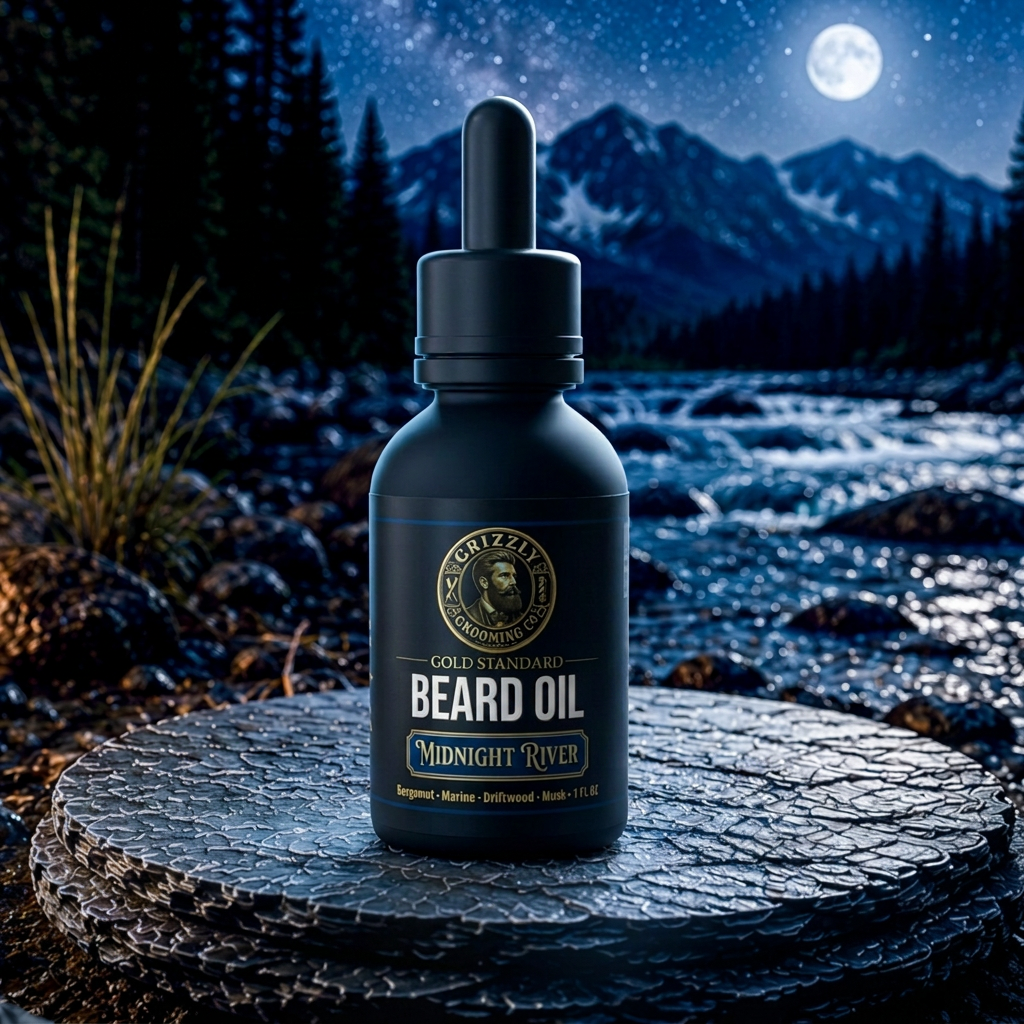
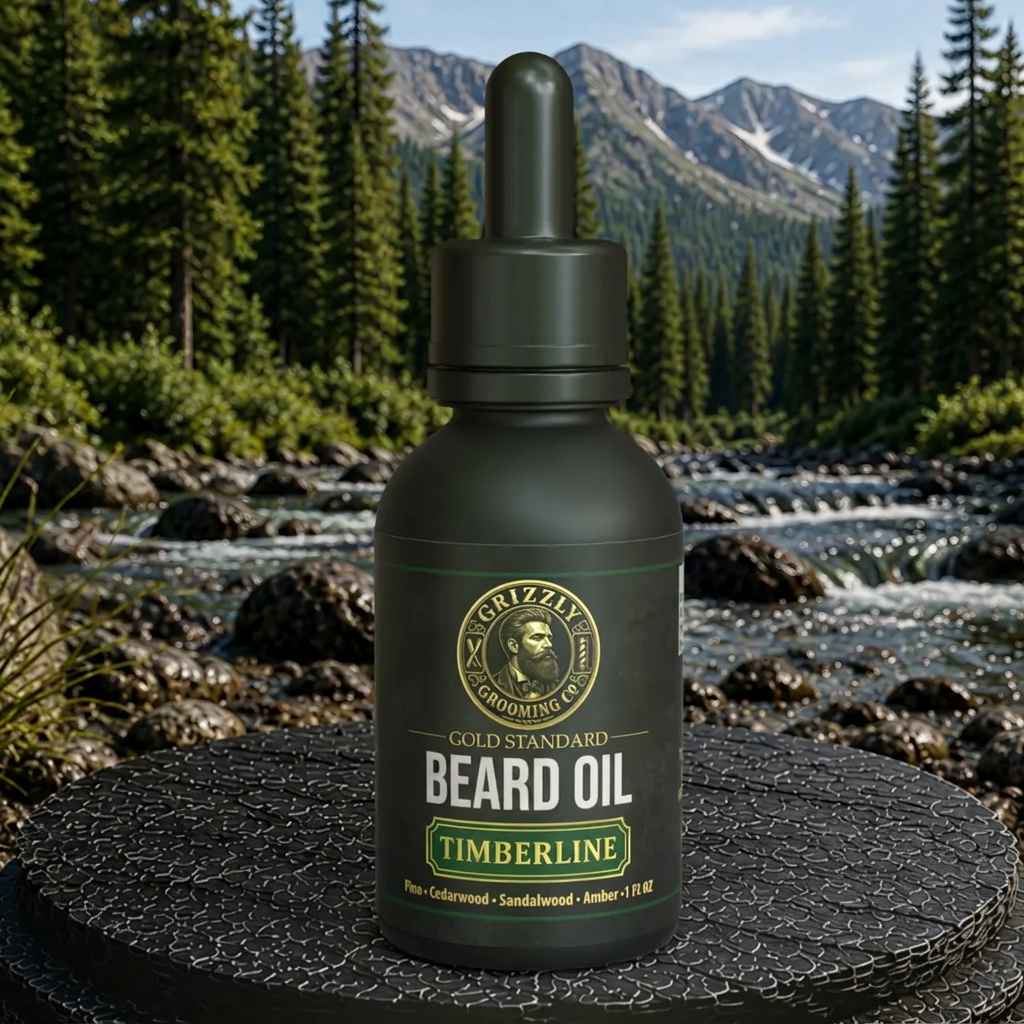
- ›Regular use of Grizzly Gold Standard beard oil keeps the skin receptive to growth.
- ›Brushing daily trains hairs to cover thinner spots along the mandible.
- ›Consistency in your washing and conditioning routine prevents breakage.
The Reality of Jawline Growth Cycles
Not every hair on your face grows at the same speed or starts at the same time. The jawline often lags behind the chin and mustache due to blood flow patterns and genetic distribution of androgenic receptors.
Giving your beard at least eight to twelve weeks of uninterrupted growth is the only way to see the true potential of your jawline. Many men trim too early, cutting away the very hairs that would eventually fill those gaps.
Strategic Trimming for Visual Density
The key to making a patchy jawline look intentional is sharpening the borders. By lowering your cheek line slightly, you remove the wispy hairs that highlight lack of density, making the jawline appear thicker by comparison.
Use a high-quality trimmer to define the neckline approximately two fingers above the Adam's apple. A clean, crisp bottom edge creates a frame that draws the eye away from internal patches and toward the overall silhouette of the beard.
Nourishment and Follicle Health
Healthy hair cannot grow from neglected skin. A patchy jawline is often exacerbated by dry, flaky skin that causes hairs to become brittle and snap off before they reach a meaningful length.
Incorporating Grizzly Gold Standard beard oil into your daily ritual ensures the skin remains hydrated. Ingredients like jojoba and argan oil mimic natural sebum, providing the optimal environment for sluggish follicles to produce stronger, more resilient terminal hairs.
The Power of Directional Grooming
How you style your hair dictates how much skin is visible beneath it. Using a boar bristle brush allows you to train longer hairs from the upper jaw to lay over the thinner areas near the bone.
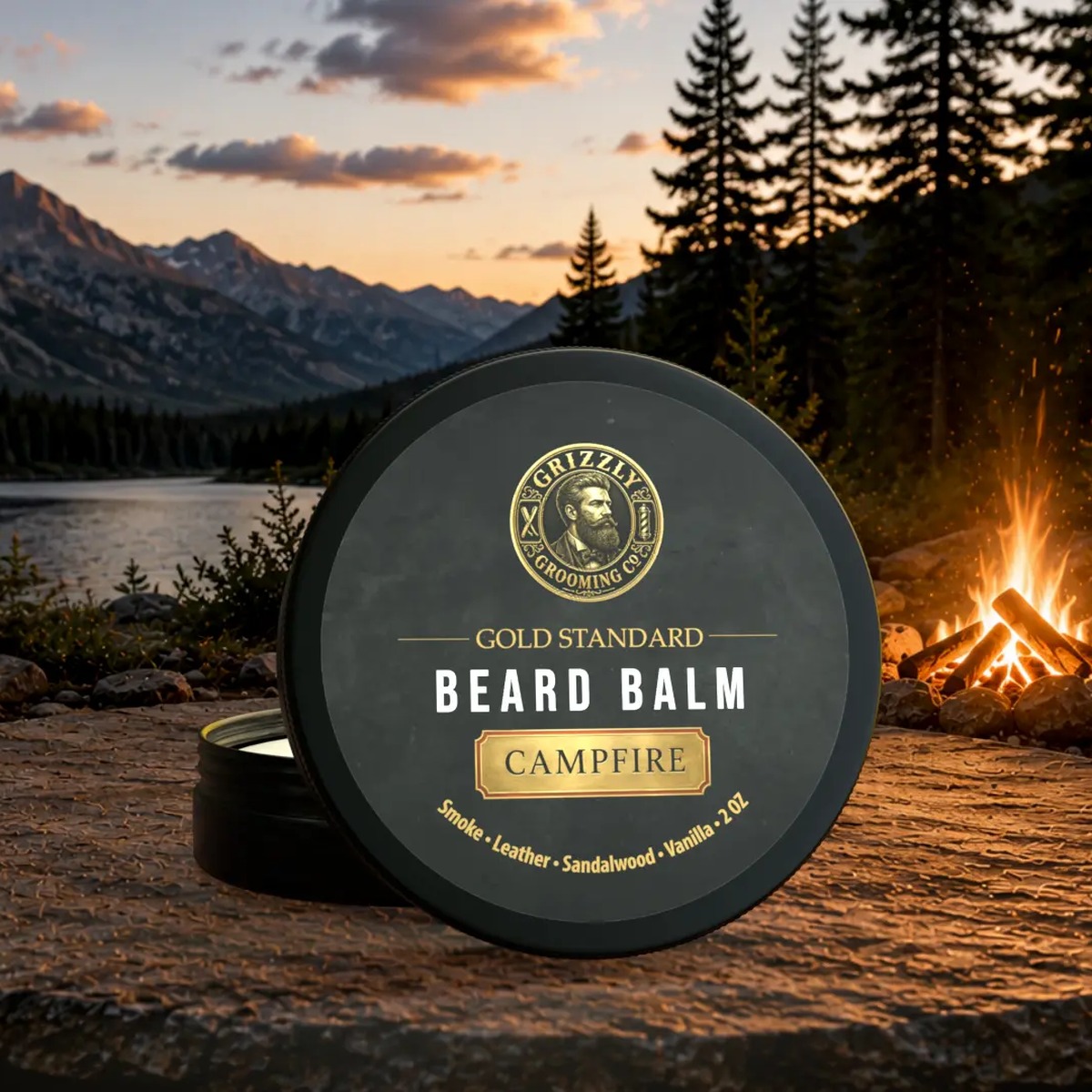
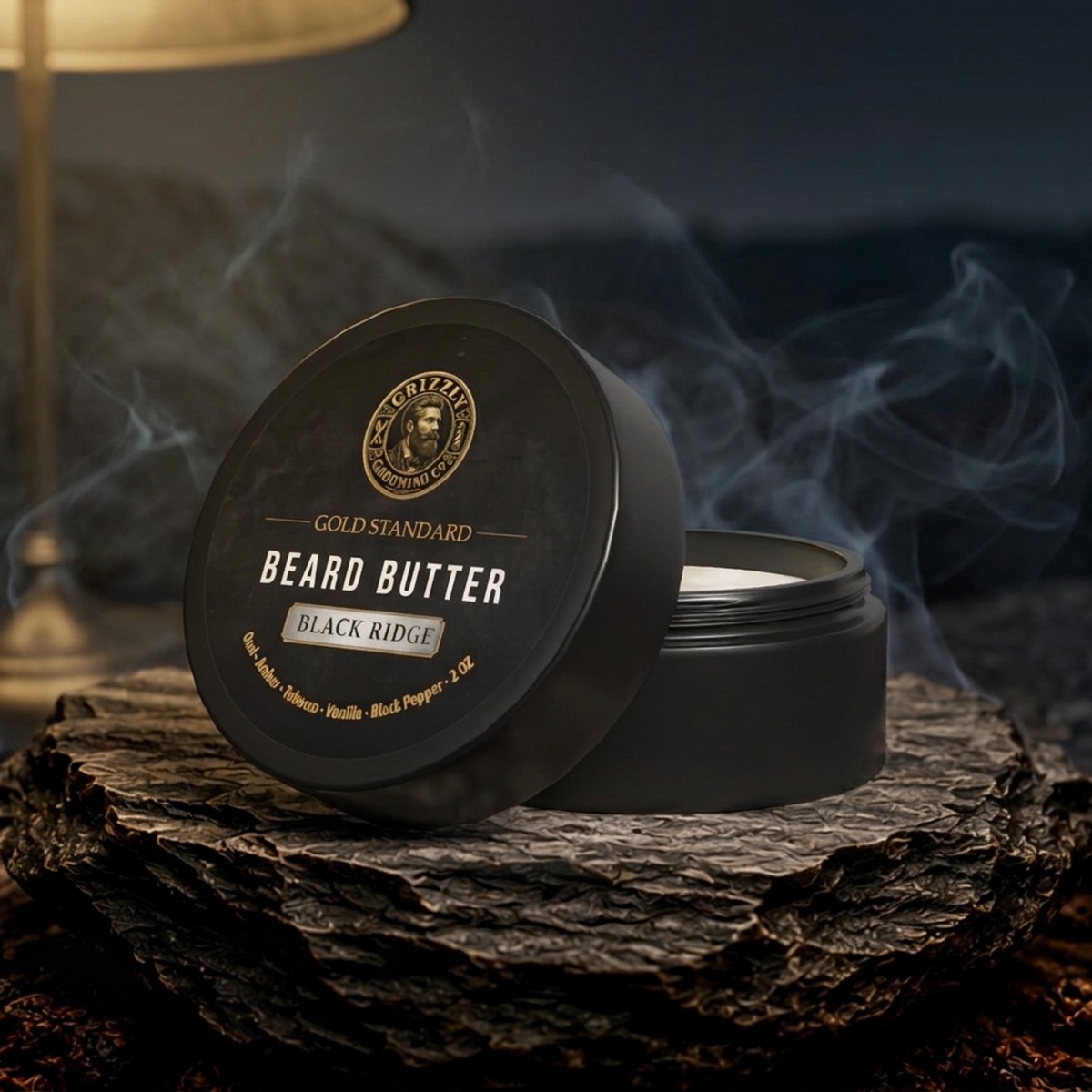
Apply a small amount of beard balm or beard butter to provide a light hold. These products offer enough weight to keep the hair in place, effectively masking patches while providing deep conditioning throughout the day.
Internal Factors and Maintenance
While topical products are vital, your internal health dictates your growth ceiling. Ensuring adequate intake of biotin, zinc, and protein supports the keratin production necessary for a dense jawline.
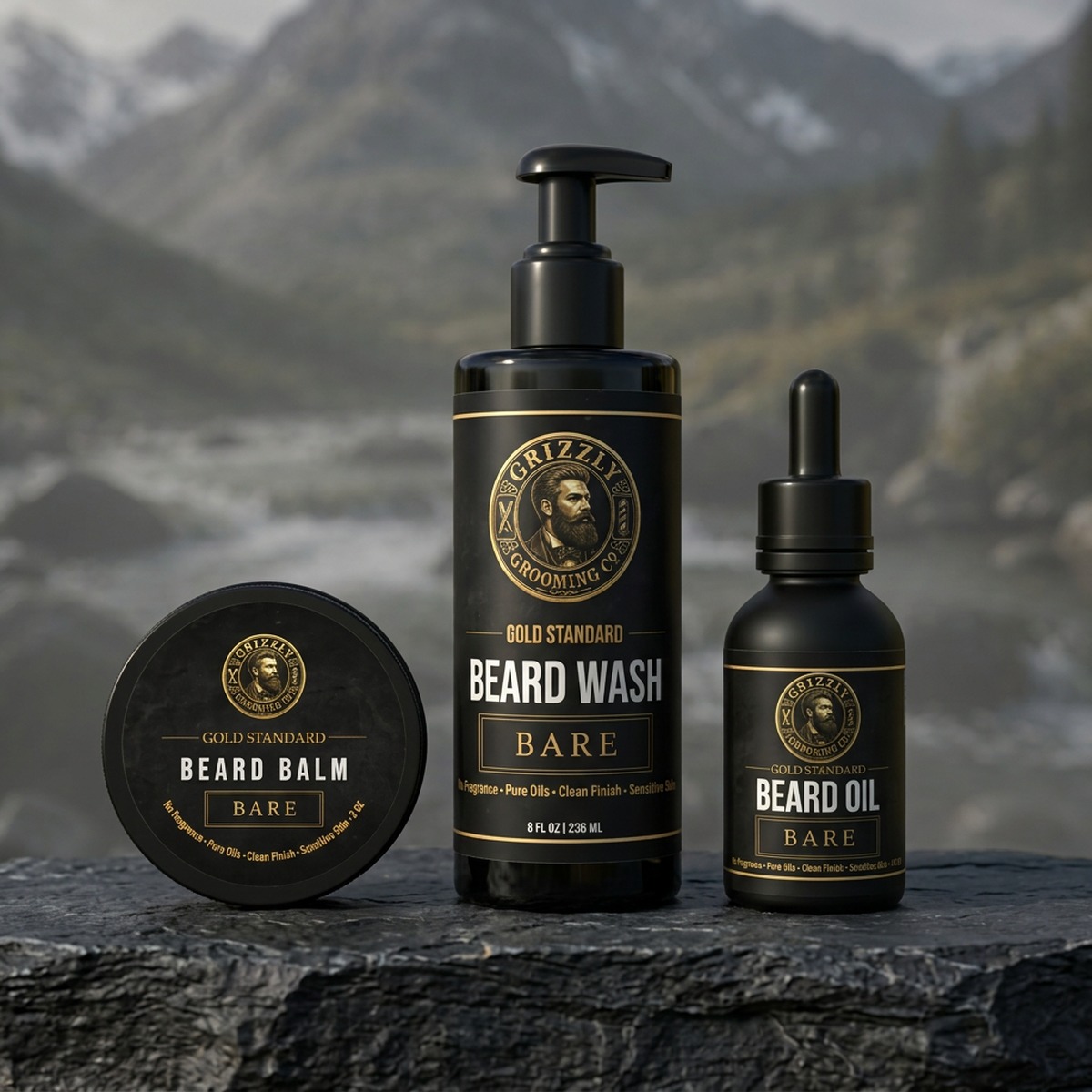
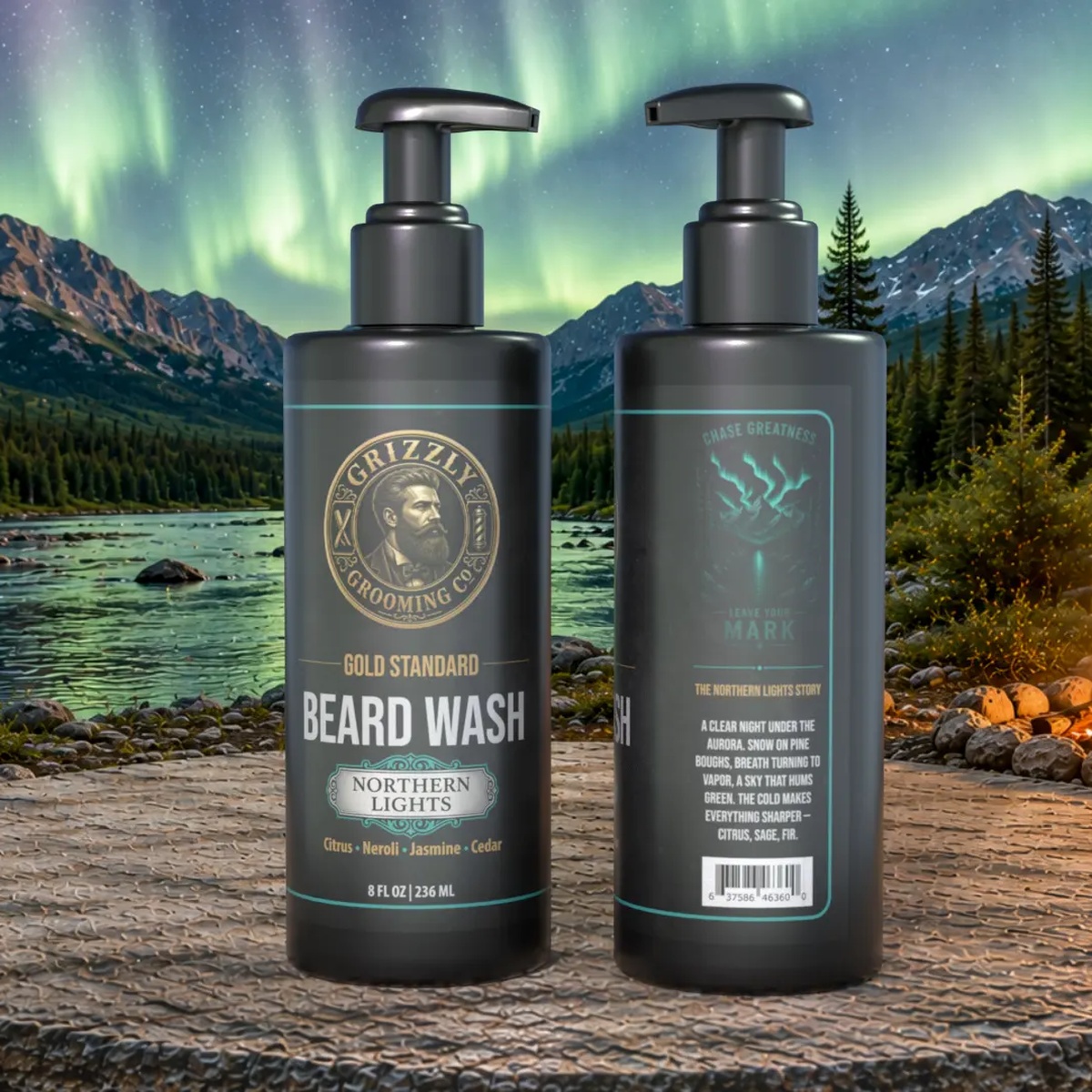
Maintain a clean canvas by using a dedicated beard wash rather than harsh bar soaps. A proper wash removes debris without stripping the natural oils that protect your jawline from the irritation that often leads to over-grooming.
Frequently Asked Questions
How long does it take for jawline patches to fill in?
Most men see a significant change in density between months two and three. This timeframe allows slower-growing follicles to catch up to the more dominant hairs on the chin and sideburns.
Will shaving my beard make it grow back thicker?
This is a common myth; shaving does not change the number of follicles or the thickness of the hair. It only gives the hair a blunt tip, which may briefly feel coarser as it emerges.
Can beard oil actually help with patchiness?
While beard oil cannot create new follicles where none exist, it prevents breakage and keeps the skin healthy. This ensures that every hair you do have grows to its full potential without falling out prematurely.
Build your ritual in 60 seconds.
Answer four questions and get a custom regimen — plus a 15% bundle discount.
Start The Ritual Builder