Proven Techniques to Make Your Beard Look Thicker and Decidedly Fuller
Growing a thick beard is often a matter of genetics, but maximizing the appearance of the hair you have is a matter of technique. By focusing on volume, texture, and structural conditioning, any man can create the illusion of a more substantial beard.
- ›Use a hairdryer on a cool setting to lift hairs at the root for immediate volume.
- ›Switch from high-shine oils to matte-finish balms or beard butters to prevent light from exposing skin.
- ›Trim the neckline and cheek lines with precision to create high-contrast borders.
- ›Exfoliate regularly to ensure hairs aren't trapped by dead skin or lying flat against the face.
The Role of Texture and Matte Finishes
Light reflection is the enemy of a dense-looking beard. When you use high-shine products, light reflects off the individual strands and highlights the gaps between them, making the beard appear thinner than it actually is.
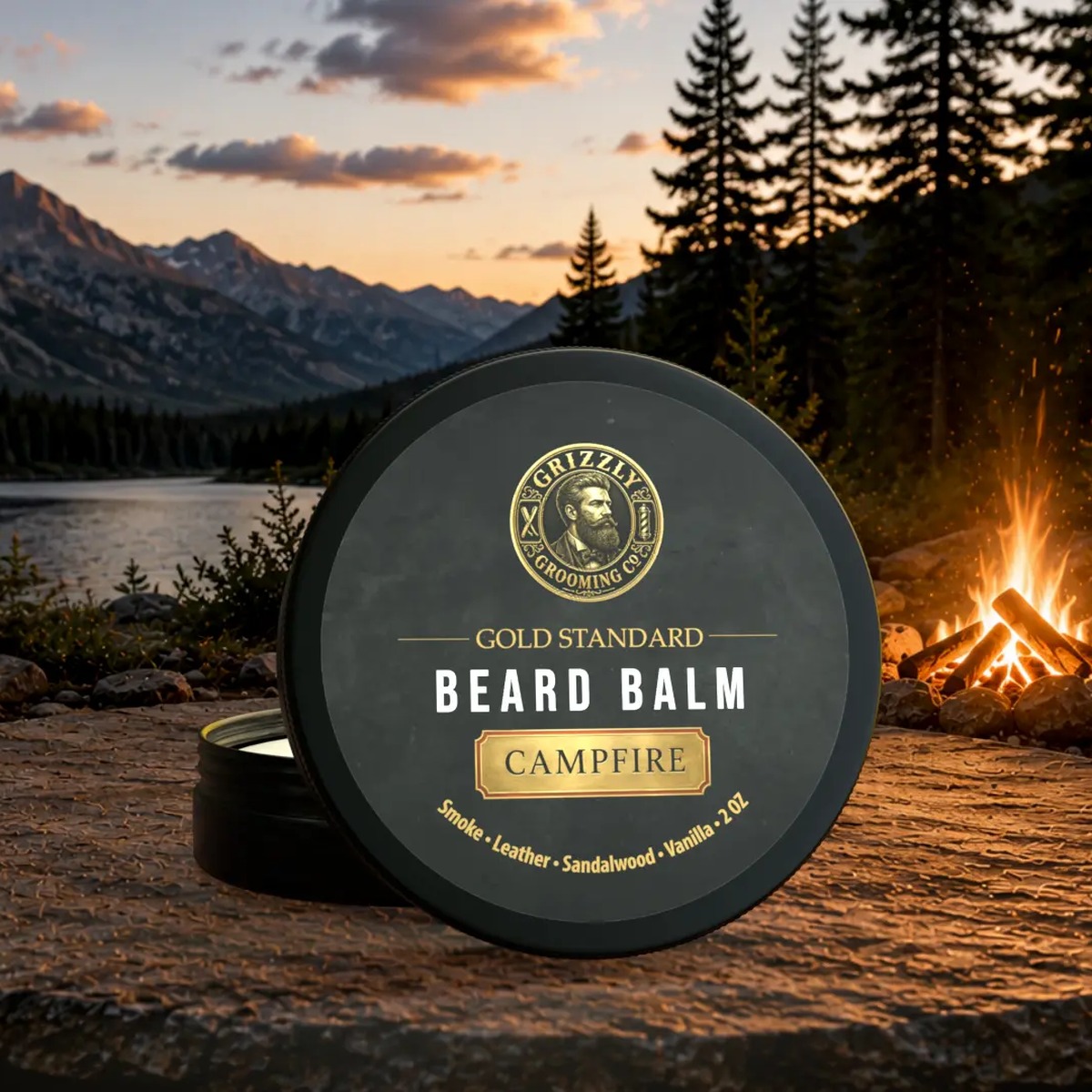
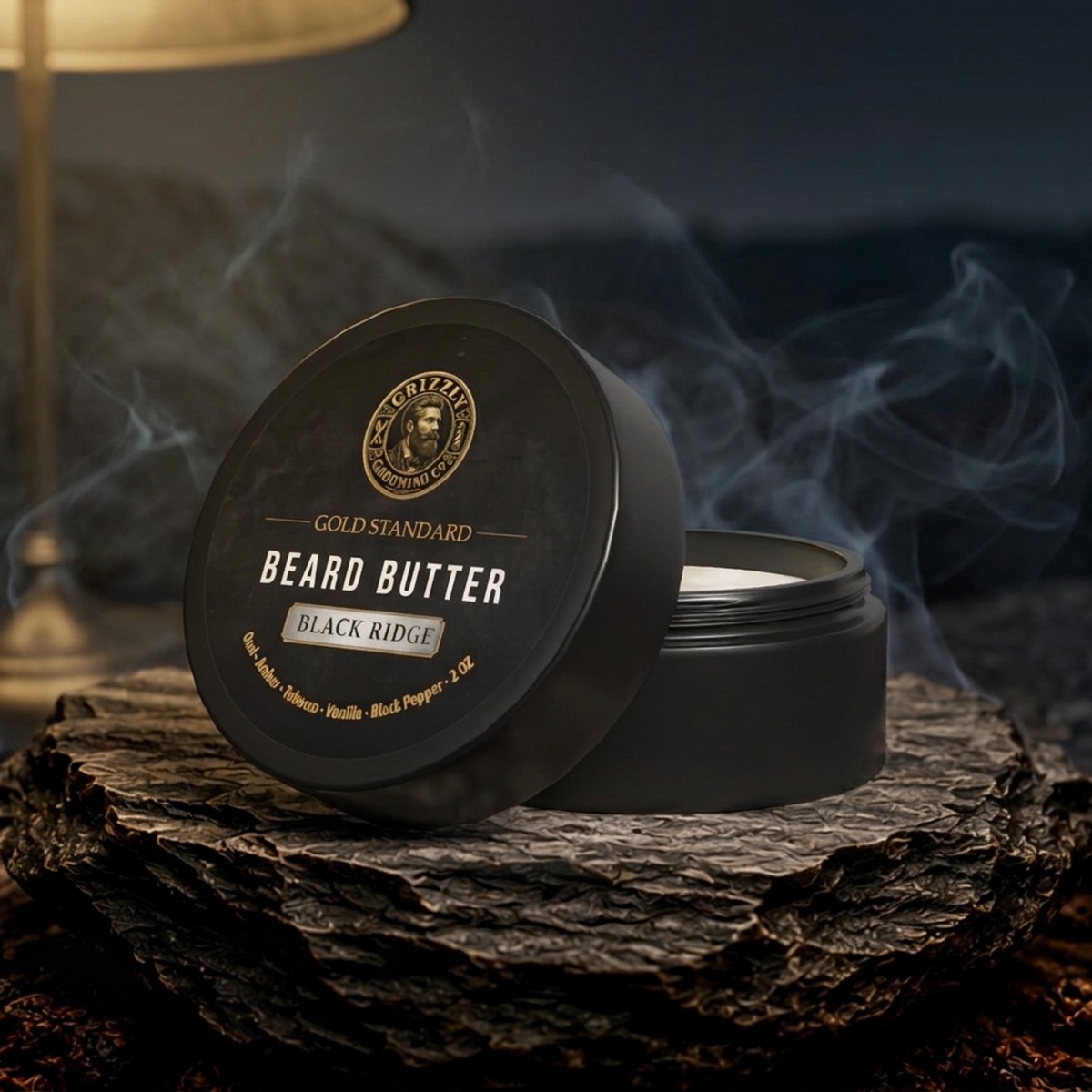
To counter this, opt for a matte-finish product like our Grizzly Gold Standard beard butter. The shea butter and cocoa butter base provides a natural, low-sheen finish that coats each follicle, increasing the diameter of the hair without the oily transparency of some serums.
Blow Drying for Structural Volume
Air-drying your beard often leads to the hair lying flat against the skin, which emphasizes patches. A hairdryer is a fundamental tool for the man seeking density; by using it on a low-to-medium heat setting while brushing upward, you create lift at the root.
Once the hair is lifted, use a final blast of cool air to lock the shape in place. This structural change adds significant physical depth to the beard profile, making even a shorter beard appear to have more weight and substance.
Precision Lines and Forced Contrast
The perceived thickness of a beard is largely dependent on the sharpness of its borders. A beard with soft, unmanaged edges often looks sparse, whereas a beard with a hard, defined neckline appears intentional and dense.
Keep your neckline approximately two fingers above the Adam's apple and shave the cheek lines to remove stray hairs. By creating a stark contrast between clear skin and the beard hair, you draw the eye to the darkest, densest part of the facial hair.
Managing the Undergrowth
While it may feel counterintuitive, certain areas of the beard must be kept slightly shorter to make the overall shape look thicker. Trimming the 'flyaways' and keeping the length uniform prevents light from passing through the ends of the hair.
Consistency in length across the surface of the beard creates a solid block of color. When hairs are varying lengths, the longer strands appear wispy and thin, detracting from the visual weight of the beard's core.
Frequently Asked Questions
Can beard butter actually make hair thicker?
While it doesn't change the biological thickness of the hair follicle, beard butter coats the hair in natural fats and waxes. This increases the individual diameter of each strand, which collectively results in a much fuller appearance.
Why does my beard look thinner after using oil?
Excessive oil can cause hairs to clump together into 'spikes' rather than staying separated. This clumping reveals more of the underlying skin, which creates the visual impression of a thinner beard.
Does blow drying damage the beard?
It can if done improperly. Always use a heat protectant and keep the dryer moving on a medium or cool setting to prevent the cuticle from drying out and becoming brittle.
Build your ritual in 60 seconds.
Answer four questions and get a custom regimen — plus a 15% bundle discount.
Start The Ritual Builder