Professional Techniques for Improving Beard Density and Fullness
True beard density is often a matter of perception rather than follicle count. By mastering a few fundamental grooming rituals, you can transform a thin or patchy beard into a fuller, more deliberate look. This guide focuses on the technical adjustments required to maximize your existing growth.
- ›Switch to matte-finish styling products to avoid light reflection through thin areas.
- ›Define your neck and cheek lines to create a sharp, intentional silhouette.
- ›Hydrate the hair shaft from within to increase the physical diameter of each strand.
- ›Utilize a boar bristled brush to distribute natural oils and provide uniform coverage.
- ›Keep the length uniform to prevent wispy ends from making the beard look sparse.
The Impact of Matte Finish Products
Light is the enemy of a thin beard. High-shine oils and waxes allow light to pass through the hair, highlighting the skin beneath and making the beard appear sparse. To counteract this, transition to products that offer a matte or low-shine finish.
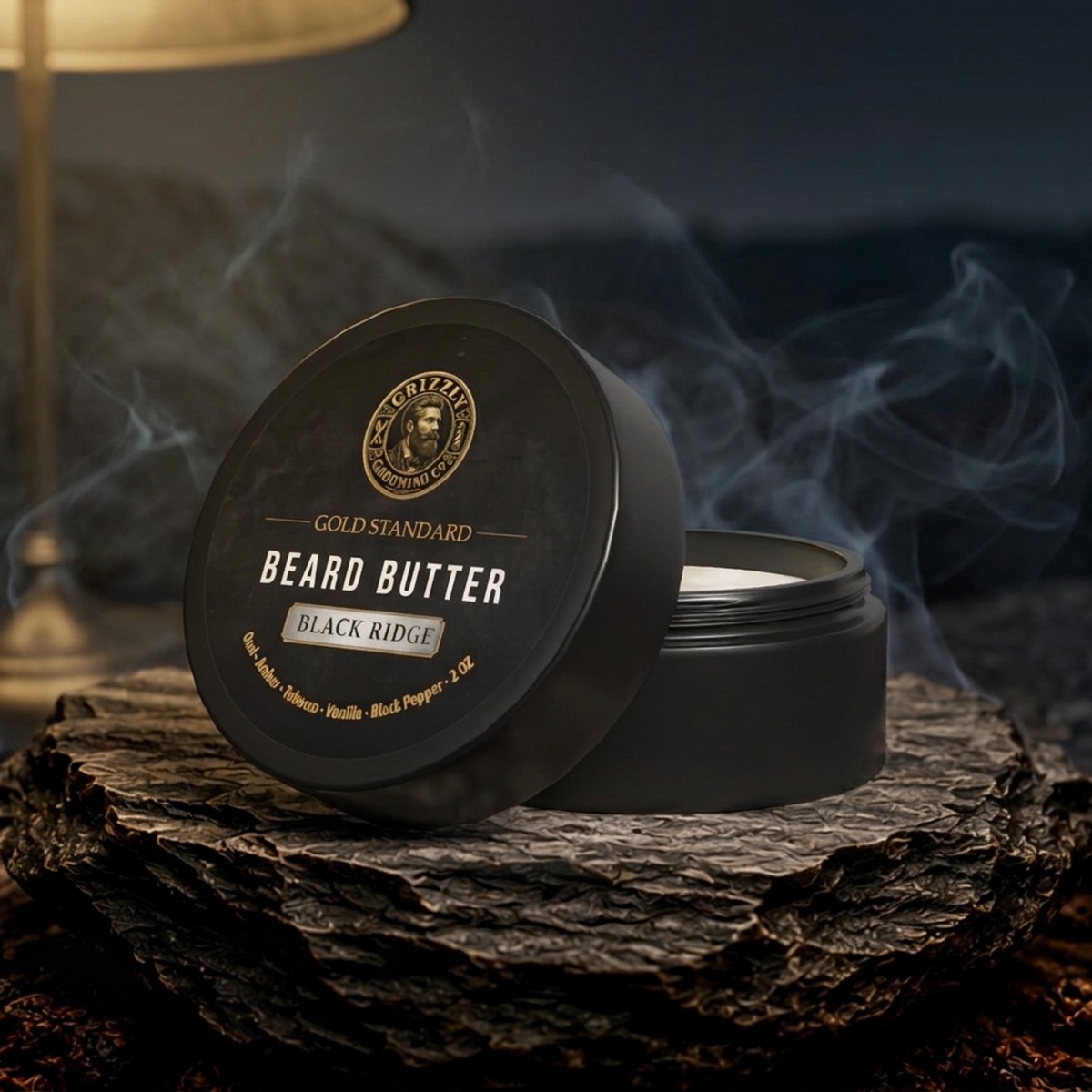
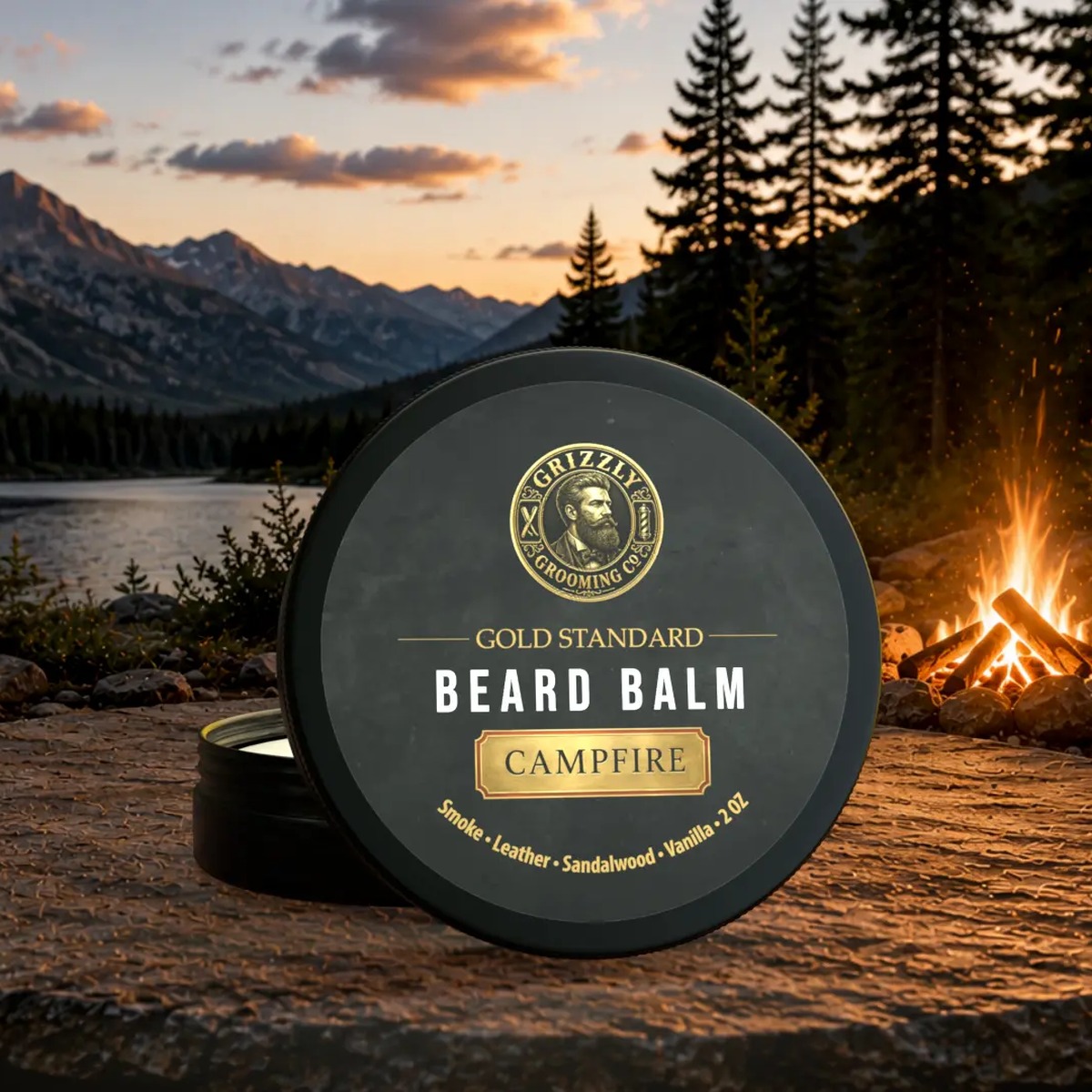
Grizzly Gold Standard beard butter is an ideal tool for this purpose. Its blend of natural butters provides a soft, non-reflective finish that coats the hair, adding internal volume and a thicker appearance. By absorbing light rather than reflecting it, the beard looks more substantial and opaque.
Strategic Line Definition
A beard with soft, undefined edges often looks accidental and thin. Creating sharp, clean lines at the cheeks and neckline provides a visual anchor that suggests density. When the borders are crisp, the eye perceives the hair within those borders as being fuller than it actually is.
Use a high-quality trimmer or a straight razor to define the cheek line. Keep it as high as naturally possible while removing the fine 'stray' hairs that sit above the main bulk. For the neckline, aim for a point about two fingers above the Adam's apple to create a solid base that frames the jawline.
Volumizing Through Proper Hydration
Dehydrated hair is brittle and thin. When beard hair is properly moisturized, the cuticle swells slightly, increasing the diameter of every individual strand. Over a thousand hairs, this minor increase in diameter results in significant cumulative volume.
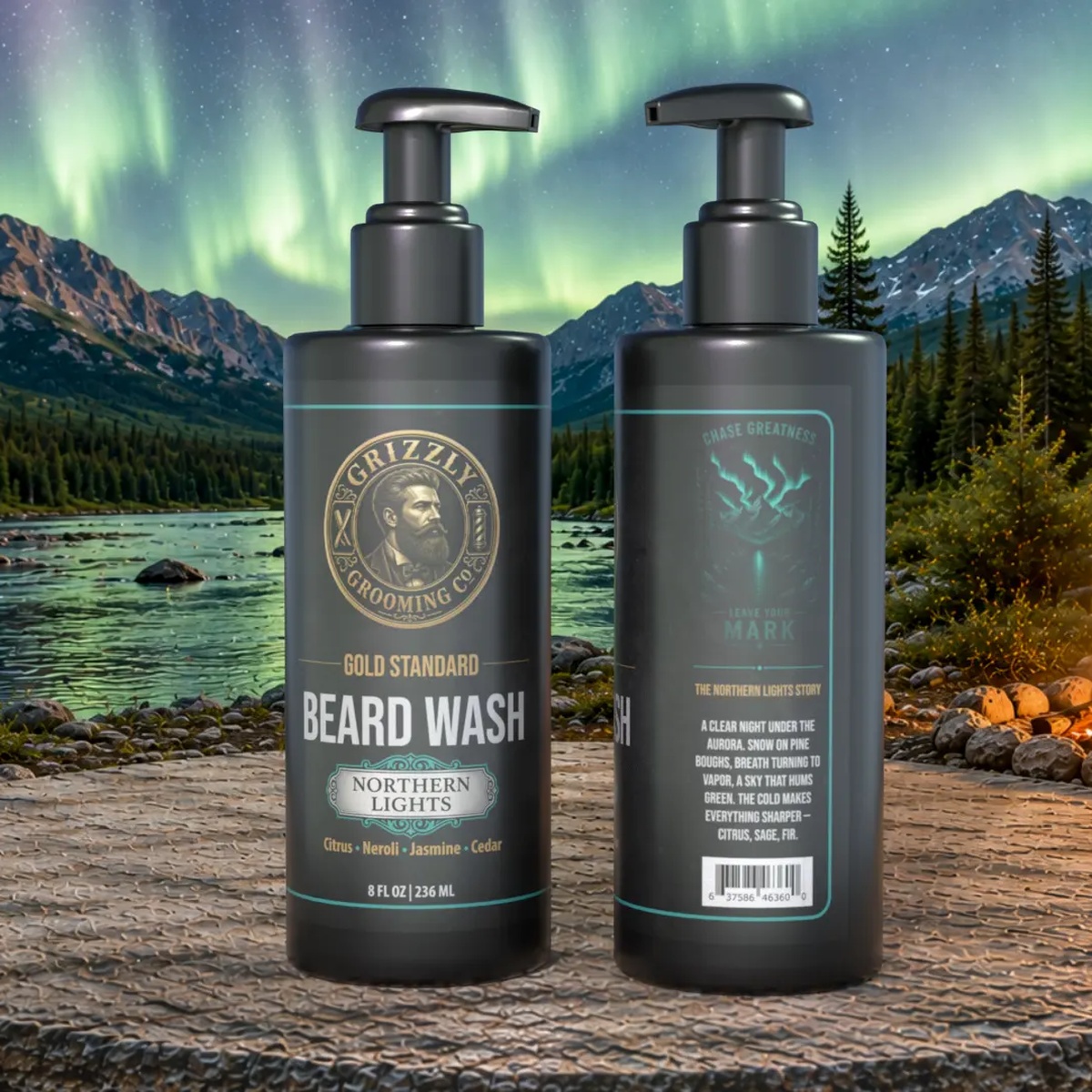
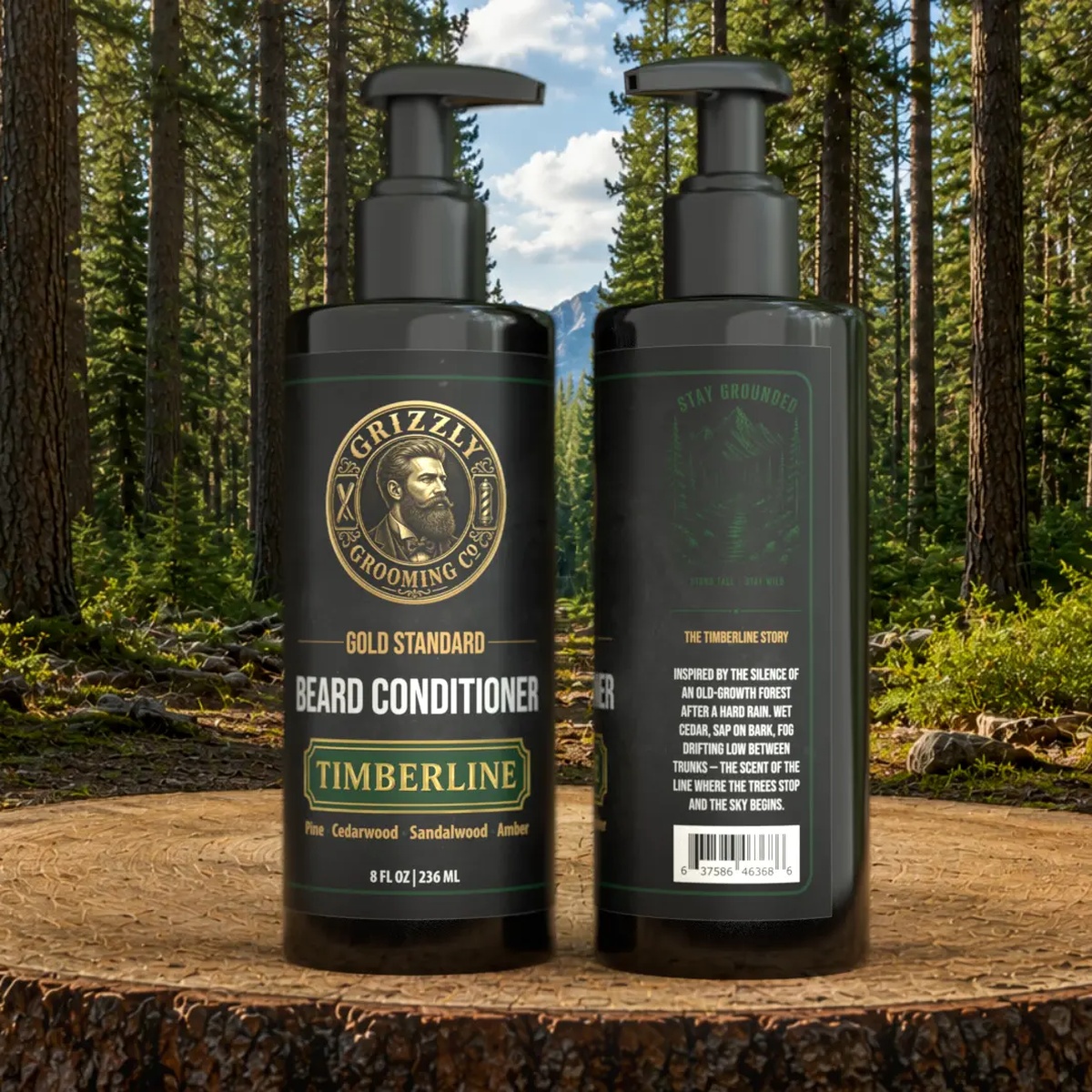
Consistent use of a dedicated beard wash is essential. Standard facial soaps or head shampoos contain harsh sulfates that strip the hair of its structural integrity. Using a pH-balanced wash followed by a quality conditioner ensures the hair remains plump and healthy, providing a more robust texture.
Directional Grooming and Distribution
How you style your hair determines how much skin is visible. Using a firm boar bristled brush allows you to train the hair to lay flat and move in a uniform direction. This 'shingling' effect covers small gaps and patches by overlapping the existing hairs.
Unlike plastic combs, boar hair mimics human hair structure, allowing it to distribute natural sebum and beard oil across the entire shaft. This creates a more cohesive look. For those with significant gaps, styling the hair slightly downward and forward can bridge the distance between thinner areas.
Trimming for Visual Mass
Counterintuitively, trimming your beard can make it look thicker. Removing wispy, translucent ends creates a blunt edge, which provides a visual sense of weight. When hairs grow at different rates, the longer, thinner ends make the entire beard look scraggly.
Maintain a consistent length across the jaw and chin. By keeping the hair short and uniform, you eliminate the transparency that comes with added length. A well-maintained short beard almost always looks thicker than a long, unkempt one with see-through sections.
Frequently Asked Questions
Will using more beard oil make my beard look thicker?
Actually, too much oil can have the opposite effect by clumping hairs together and creating more visible space between them. Use just enough to hydrate the skin, and rely on beard butter for a matte, volumizing finish.
How often should I trim to maintain a thick appearance?
A light trim every two to three weeks is usually sufficient. Focus on removing the uneven 'flyaway' hairs that break the silhouette of the beard, as these distract from the appearance of density.
Does cold water help with beard thickness?
Rinsing with cold water helps close the hair cuticle after washing, which can preserve moisture and keep the hair looking smoother. While it won't grow new hair, it prevents the frizz that often makes a beard look thin and messy.
Build your ritual in 60 seconds.
Answer four questions and get a custom regimen — plus a 15% bundle discount.
Start The Ritual Builder