Professional Techniques for Fixing and Preventing Beard Split Ends
Split ends are more than a minor annoyance; they are a sign of structural failure in the hair cuticle that leads to frizz and breakage. Managing them requires a shift from passive growth to active maintenance and proper tool selection.
- ›Trim split ends individually using sharp shears rather than electric clippers.
- ›Prioritize daily hydration with beard oil to seal the hair cuticle.
- ›Switch to a sulfate-free beard wash to prevent stripping natural sebum.
- ›Lower the heat on blow dryers and use a heat protectant or beard balm.
- ›Ensure your beard combs are saw-cut and polished to avoid snagging.
The Anatomy of a Split End
A split end, or trichoptilosis, occurs when the protective outer layer of the hair filament—the cuticle—becomes damaged and peels away. This exposes the inner cortex, causing the hair to fray into two or more strands, which results in a brittle texture and a dull appearance.
Environmental stressors, chemical treatments, and mechanical friction are the primary culprits. Unlike the skin, hair cannot heal itself; once the structural integrity of the fiber is compromised, the damage will continue to travel up the shaft toward the follicle if left unaddressed.
Regularly inspecting your beard under natural light will help you identify these frays early. You will notice small white specks at the tips or a general roughness when sliding your fingers down the length of the beard.
The Surgical Approach to Trimming
The only permanent way to fix a split end is to remove it. However, avoid taking a general trimmer to your entire face, as dull blades can actually cause more splitting. Instead, use a pair of high-carbon steel shears designed specifically for facial hair.
Perform a 'search and destroy' mission once every two weeks. In a well-lit room, comb your beard out and look for the flyaways that don't lay flat. Snip each damaged hair approximately one-eighth of an inch above the split to ensure you are cutting into healthy, intact hair.
Maintaining sharp tools is non-negotiable. If your scissors are pulling the hair rather than slicing through it cleanly, you are simply creating the next generation of split ends. Professional-grade shears provide the clean edge necessary for the cuticle to remain sealed.
Reinforcing the Cuticle with Beard Oil
Prevention is centered on moisture retention. The sebaceous glands on your face produce a limited amount of oil, which is rarely enough to coat the entire length of a medium-to-long beard. This is where a high-quality beard oil becomes a technical necessity.
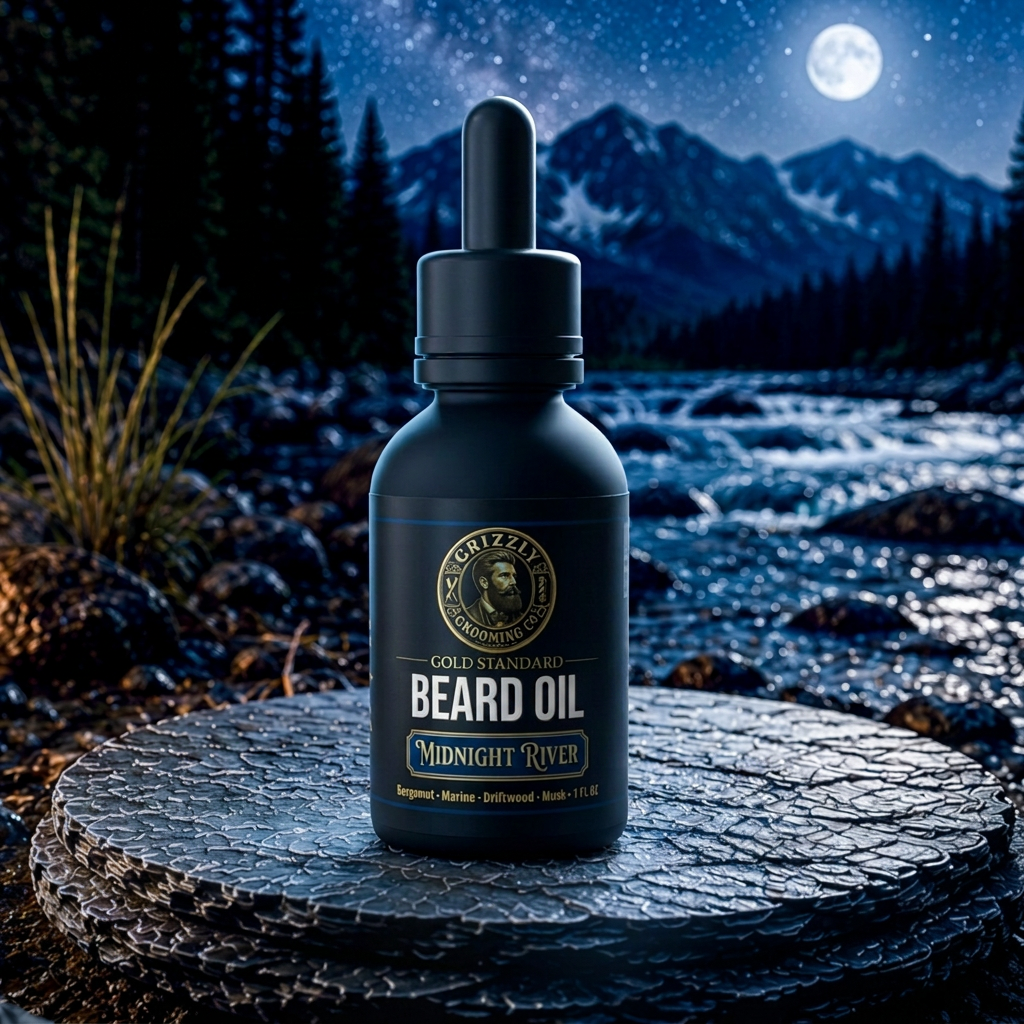
Grizzly Gold Standard beard oil utilizes carrier oils that mimic the body’s natural sebum, providing a protective barrier that locks in moisture. Apply the oil while the beard is slightly damp—not soaking wet—to ensure maximum absorption into the hair shaft.
By keeping the hair hydrated, you increase its elasticity. Elastic hair can bend and stretch during grooming without snapping or fraying, effectively neutralizing the mechanical stress that leads to split ends.
Environmental Protection and Heat Management
Excessive heat from blow dryers or straightening irons is a leading cause of cuticle desiccation. If you must use heat to style your beard, always apply a layer of beard balm first to act as a thermal buffer.
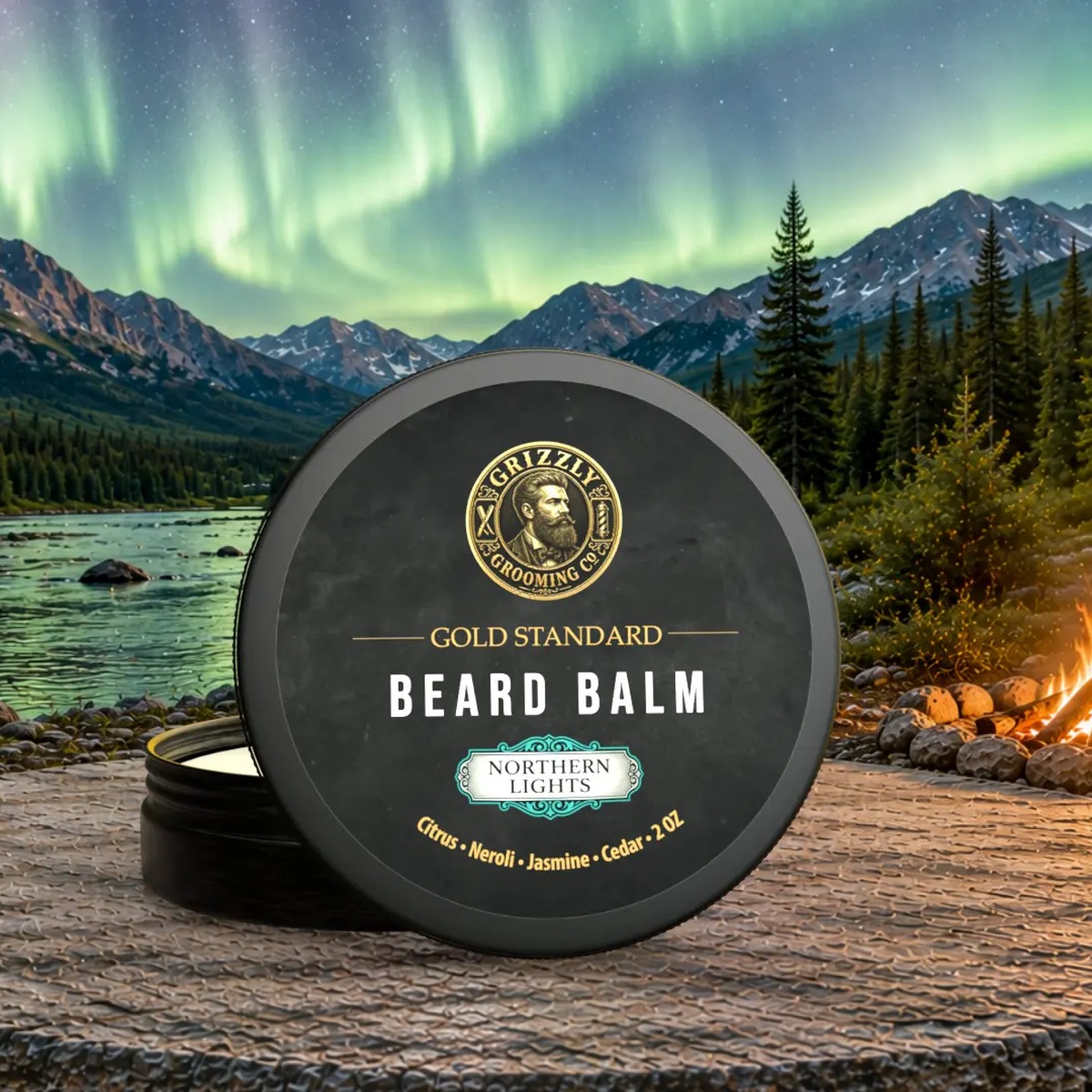
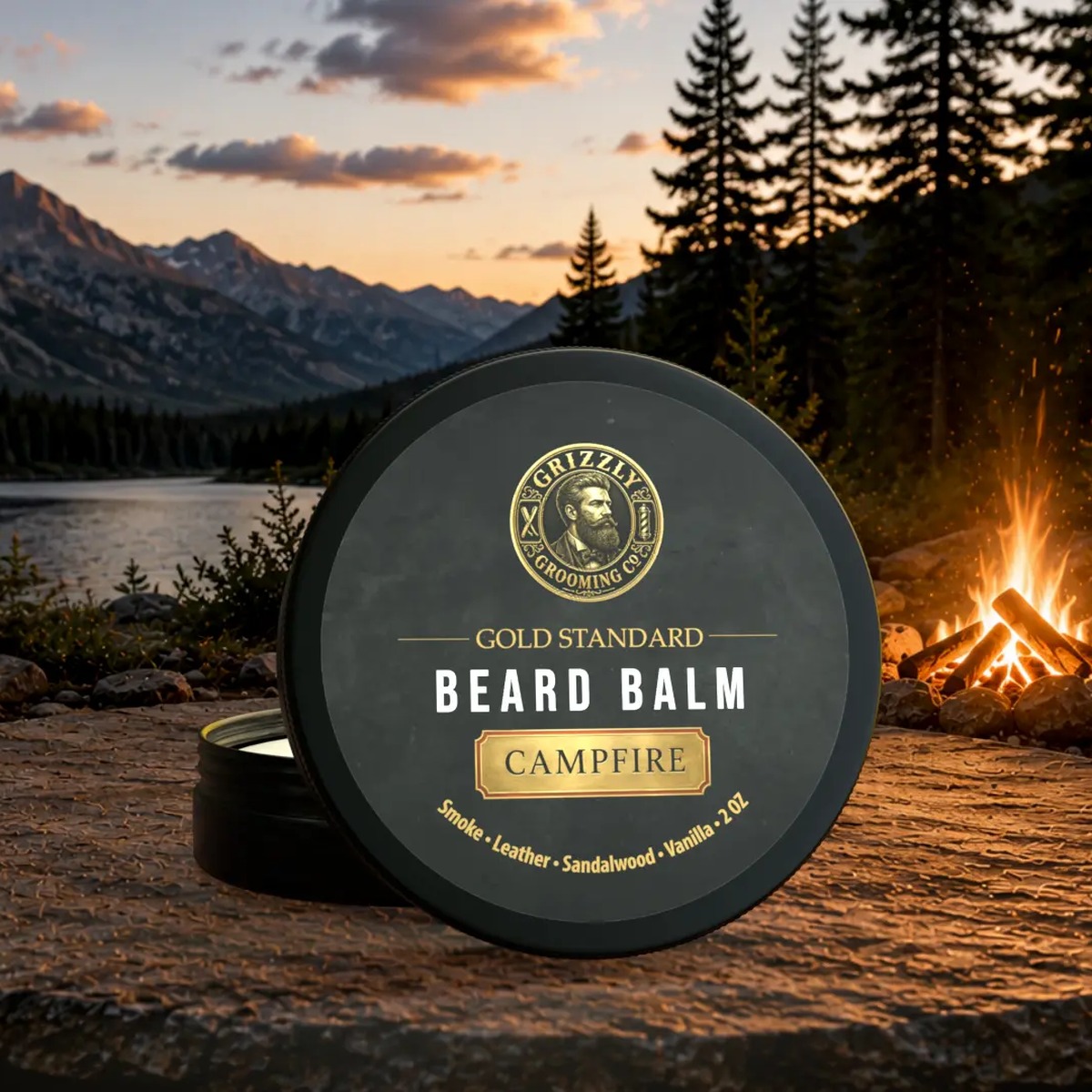
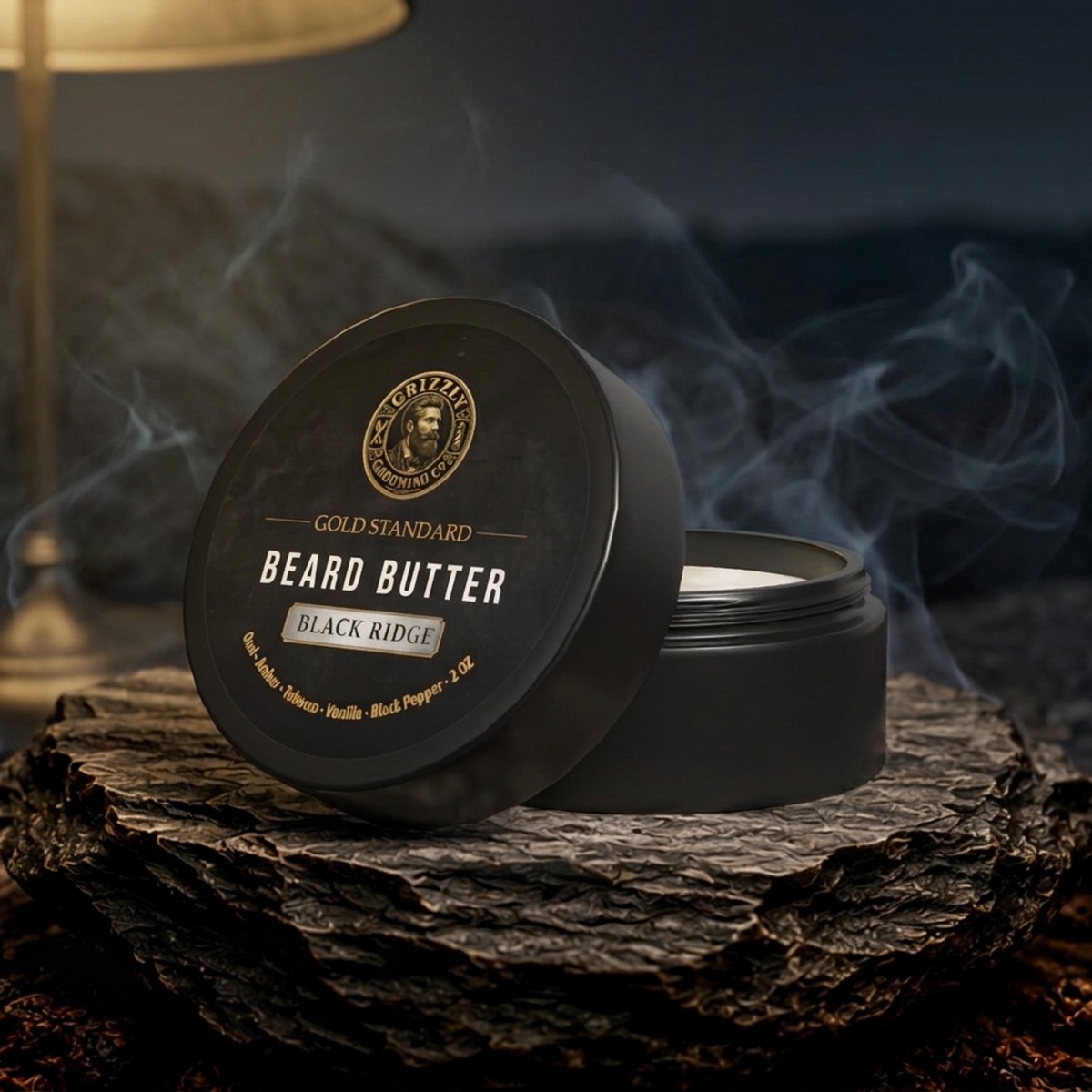
Beard balm, containing beeswax and shea butter, provides a physical layer of protection against the elements. It seals the hair, preventing dry air or cold winds from leaching moisture out of the cortex throughout the day.
Limit heat styling to the lowest effective temperature and keep the dryer in constant motion. Standing still with high heat will cook the proteins in your hair, leading to immediate structural failure and widespread split ends.
The Importance of Proper Washing Rituals
Standard head shampoos are formulated for a scalp that produces significantly more oil than your face. Using these on your beard will strip away every ounce of protection, leaving the hair vulnerable to splitting.
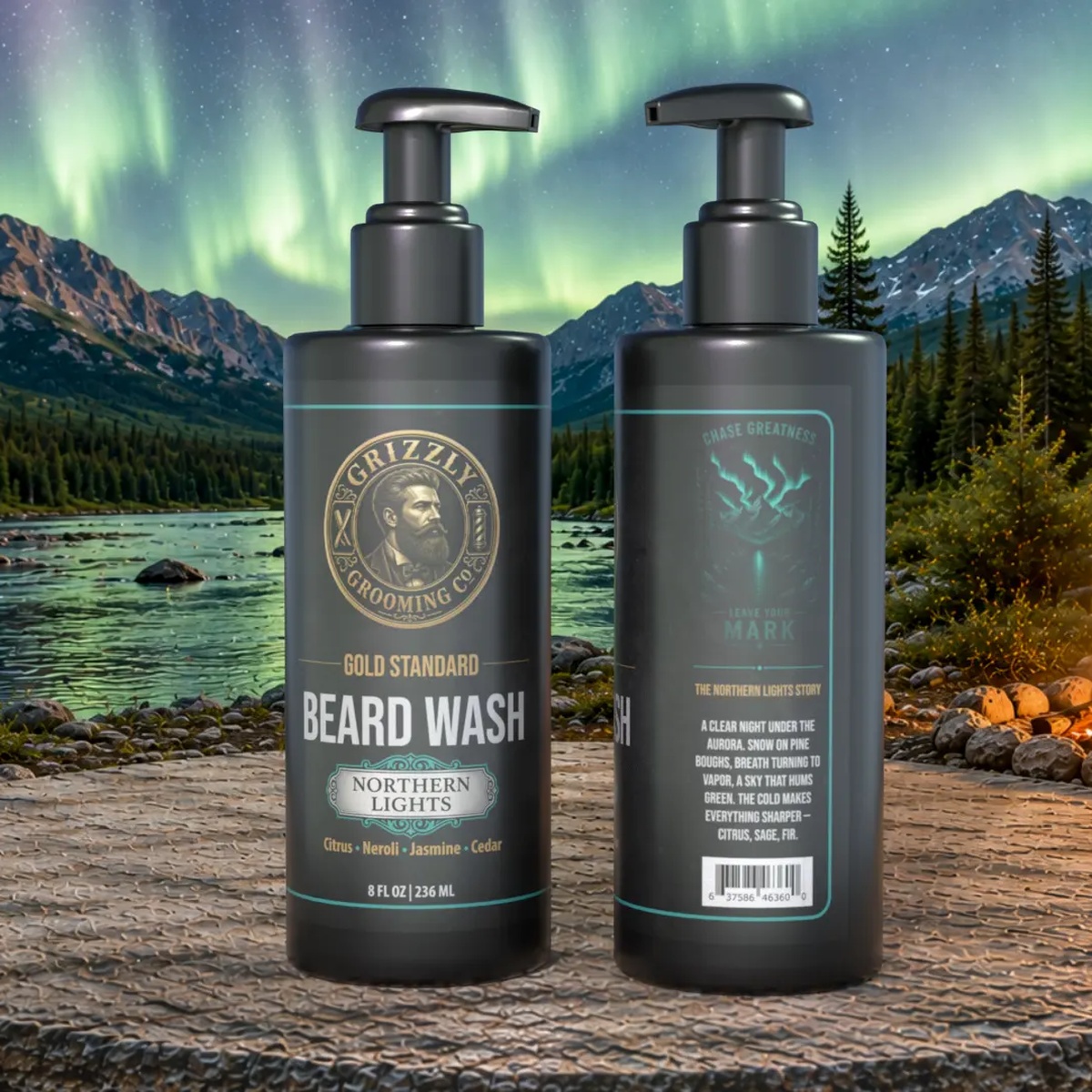
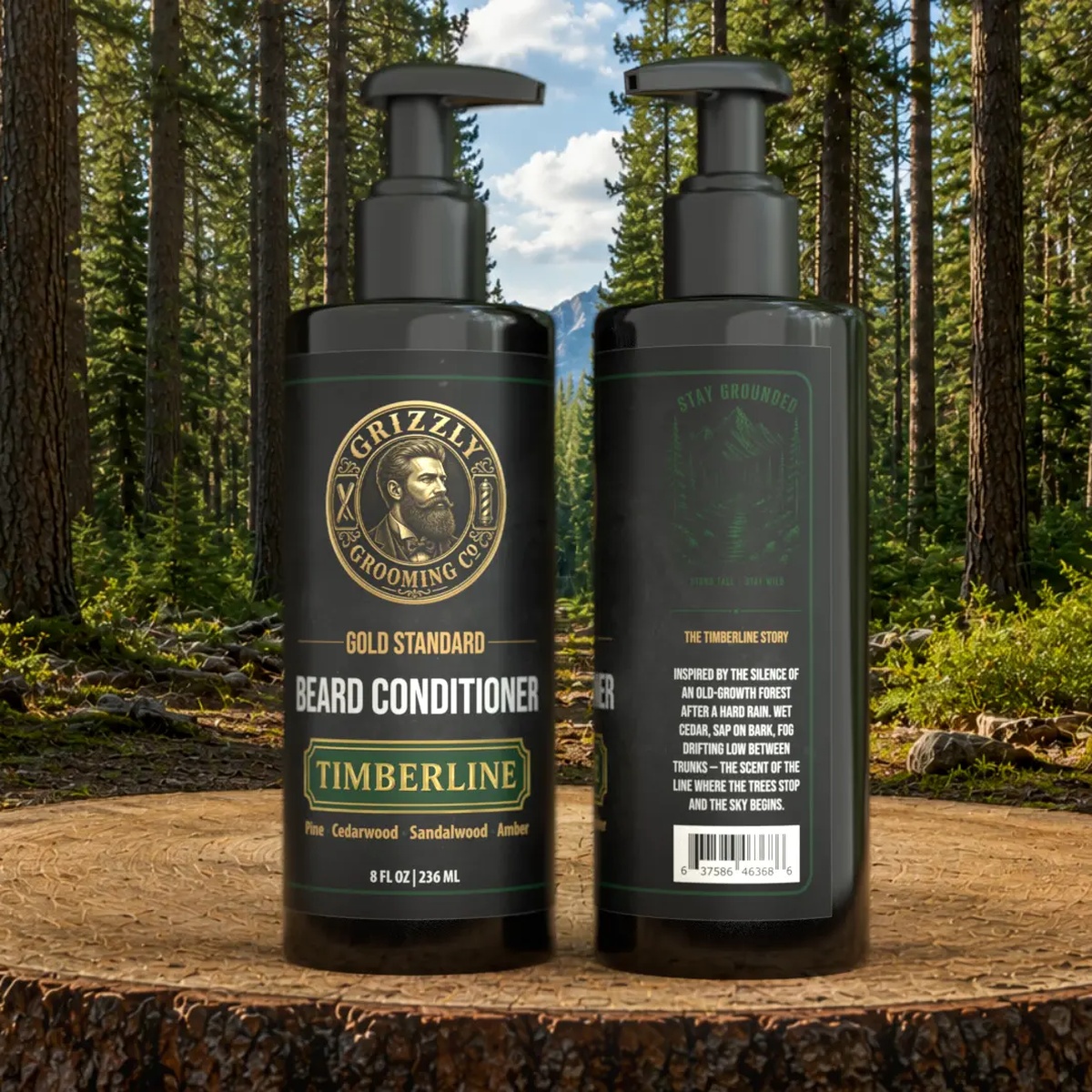
Transition to a dedicated beard wash that uses mild surfactants. This cleanses the hair of dirt and pollutants without compromising the lipid layer. Follow this with a beard conditioner once or twice a week to replenish the internal moisture levels of the hair.
Rinse with cool water at the end of your shower. Cold water helps the cuticle scales lay flat and close, which traps the conditioning agents inside the hair and creates a smoother, more resilient surface.
Frequently Asked Questions
Can I use a regular hair trimmer to fix split ends?
It is not recommended. Electric trimmers use a shearing motion that can crush the hair tip if the blades are not perfectly aligned. Manual shears offer a cleaner, more precise cut that prevents the split from returning.
How often should I check for split ends?
A bi-weekly inspection is usually sufficient for most men. If you use high heat frequently or work in a dry environment, you may want to check once a week to catch damage before it migrates up the hair shaft.
Will split ends stop my beard from growing?
Split ends do not stop the follicle from growing, but they can make it seem like your beard has stalled. Because the ends are constantly breaking off, you lose length as quickly as you grow it, resulting in a net zero gain.
Build your ritual in 60 seconds.
Answer four questions and get a custom regimen — plus a 15% bundle discount.
Start The Ritual Builder