Professional Techniques for Fixing a Patchy Beard on the Jawline
The jawline is the foundation of a masculine profile, but inconsistent follicle density can often undermine its impact. Achieving a dense appearance requires a combination of patience, strategic length management, and a commitment to skin health.
- ›Identify the difference between true patches and temporary slow growth by committing to a six-week growth cycle.
- ›Lower your neckline slightly to provide a structural base that creates the illusion of a thicker jawline.
- ›Utilize beard oil and beard butter daily to soften hairs, allowing them to lay flat over sparse areas.
- ›Keep cheek lines sharp and high to draw the eye away from density variations lower on the face.
- ›Exercise regular brushwork with a boar-bristle brush to train hairs to cover gaps naturally.
The Six-Week Baseline Growth Rule
Most men mistake a slow-growing beard for a patchy one. Hair follicles across the jawline rarely grow at a uniform rate, often leading to a translucent appearance in the first three weeks of growth.
Before considering corrective measures, you must allow for at least six weeks of uninterrupted growth. This period allows slower-maturing terminal hairs to catch up, providing the necessary bulk to bridge any visible gaps in the jawline.
Strategic Line Definition
A sharp, well-defined border creates a visual frame that compensates for internal patchiness. By establishing a crisp neckline roughly one finger-width above the Adam's apple, you create a solid edge that suggests architectural density.
Similarly, keeping the cheek lines high rather than carving them too low ensures that the mass of your beard remains concentrated on the jaw itself. Use a straight razor for these borders to ensure the contrast is maximum.
Volume Management Through Hydration
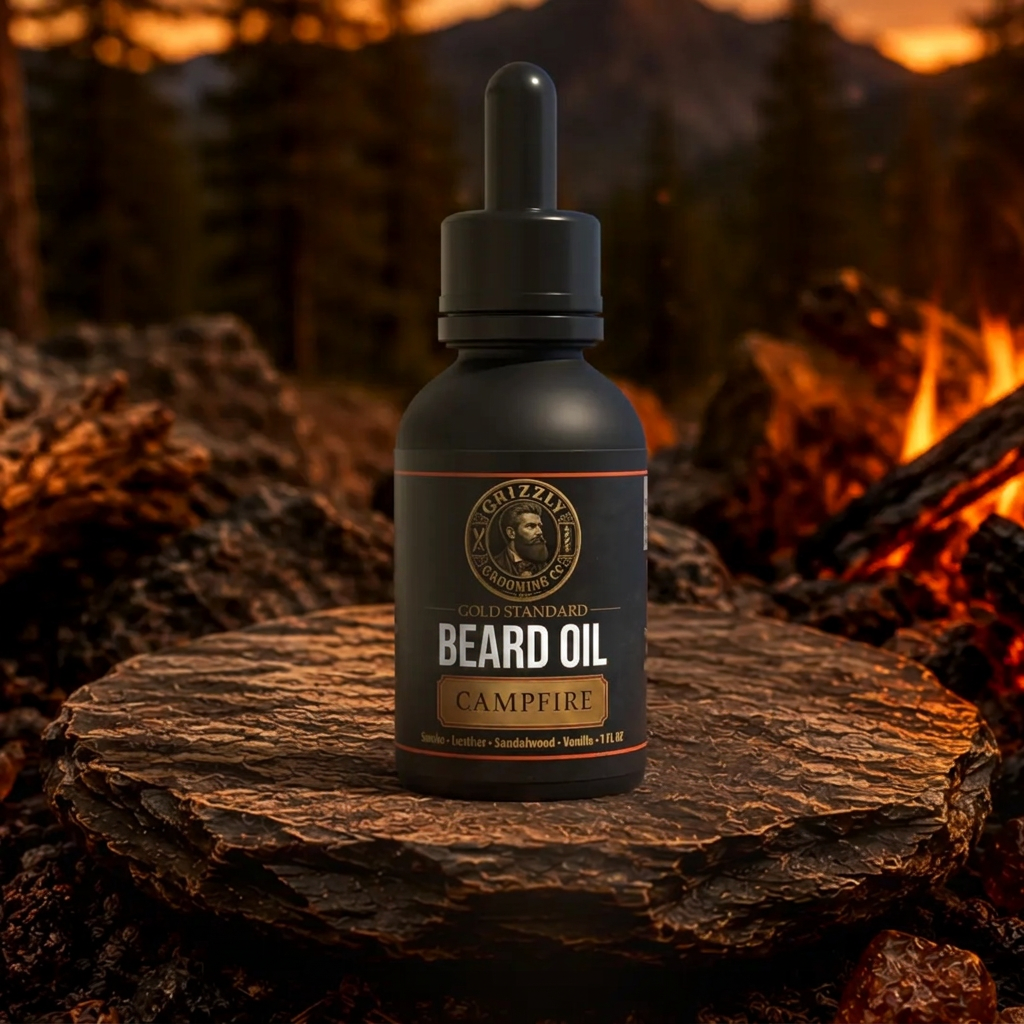
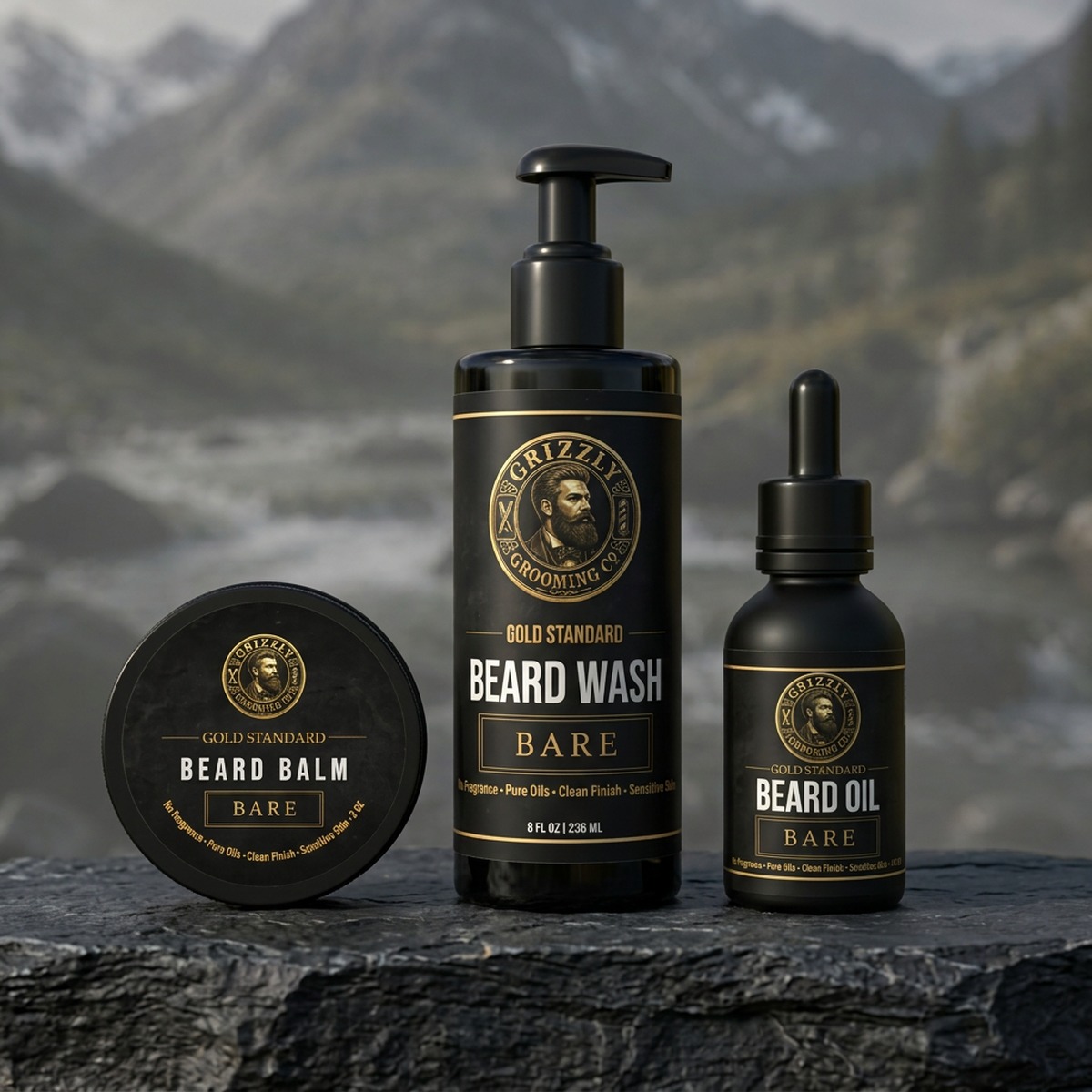
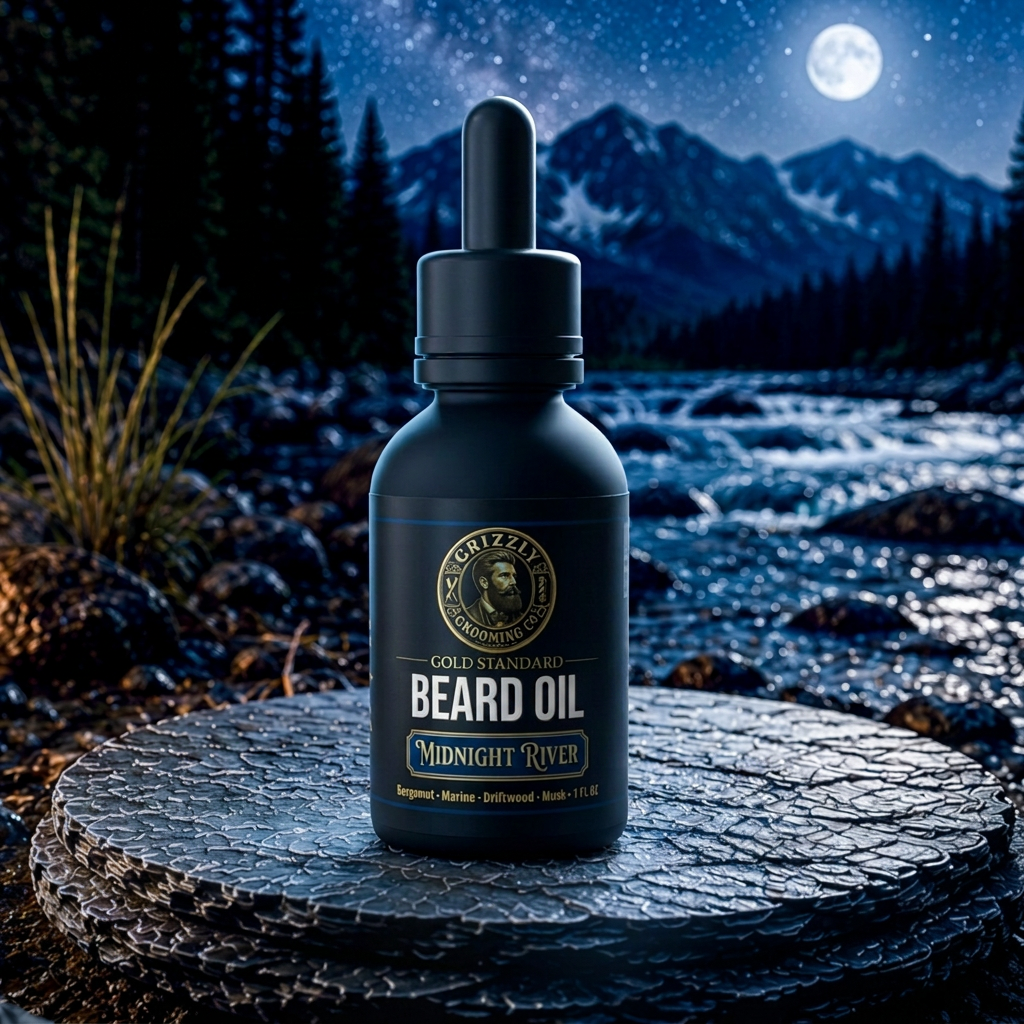
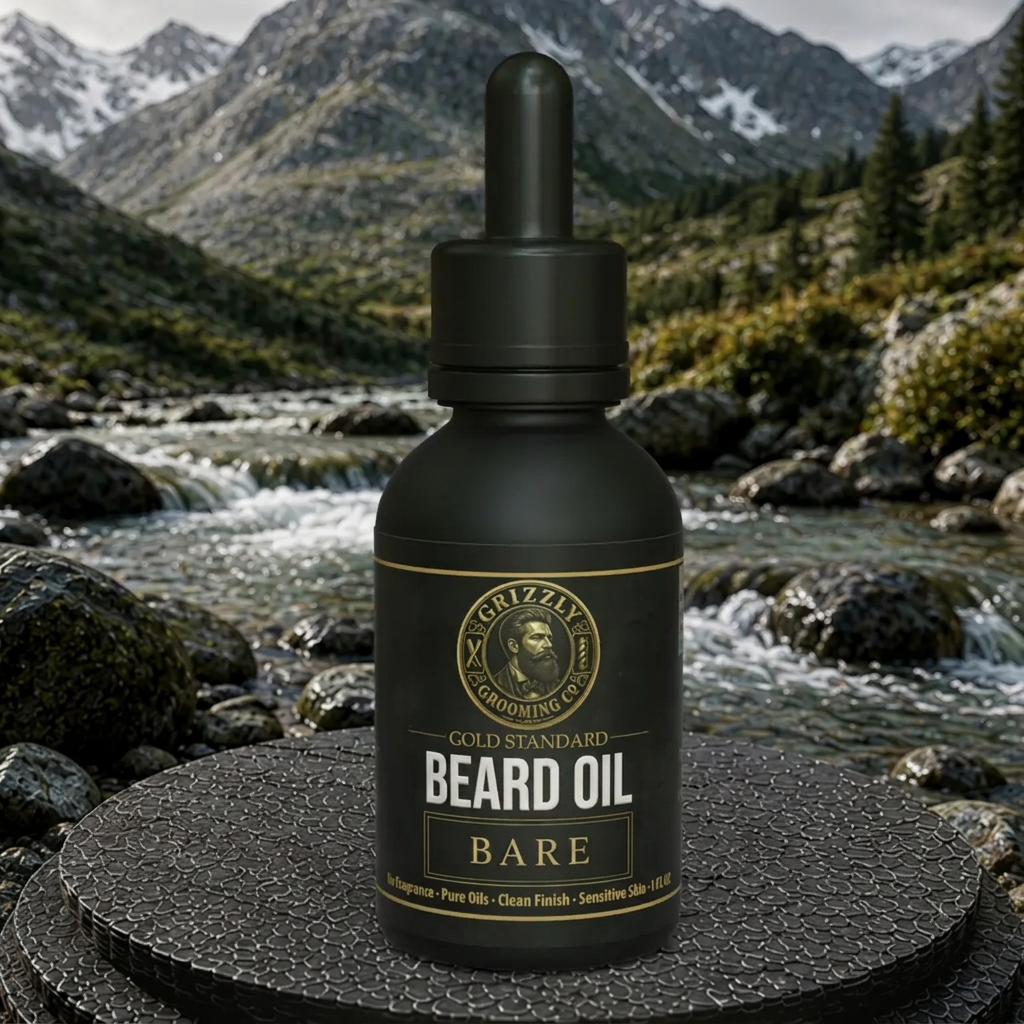
Dry hair is wiry and stands away from the skin, emphasizing the space between follicles. By applying a premium beard oil, such as a Grizzly Gold Standard blend, you increase the elasticity and weight of each individual hair shaft.
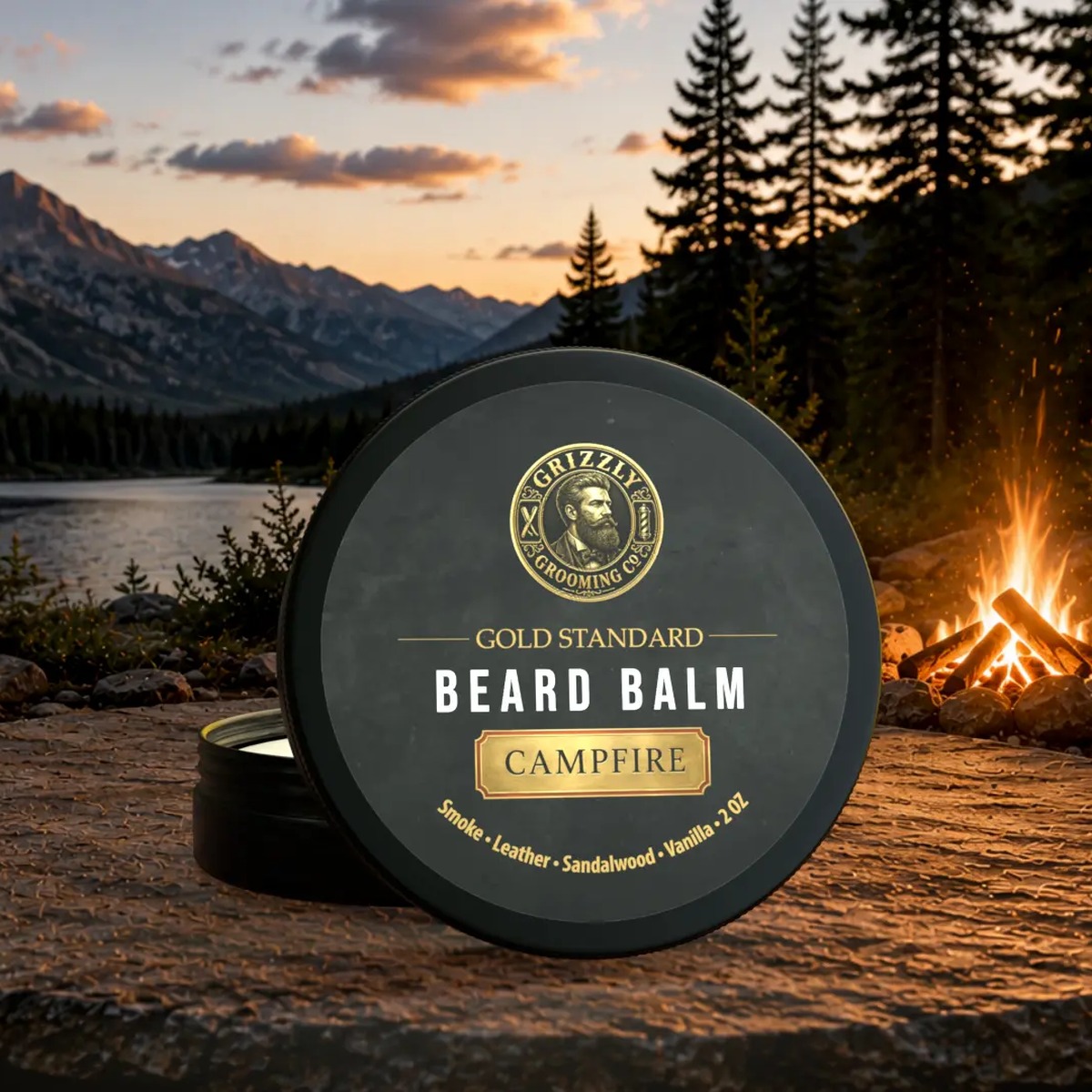
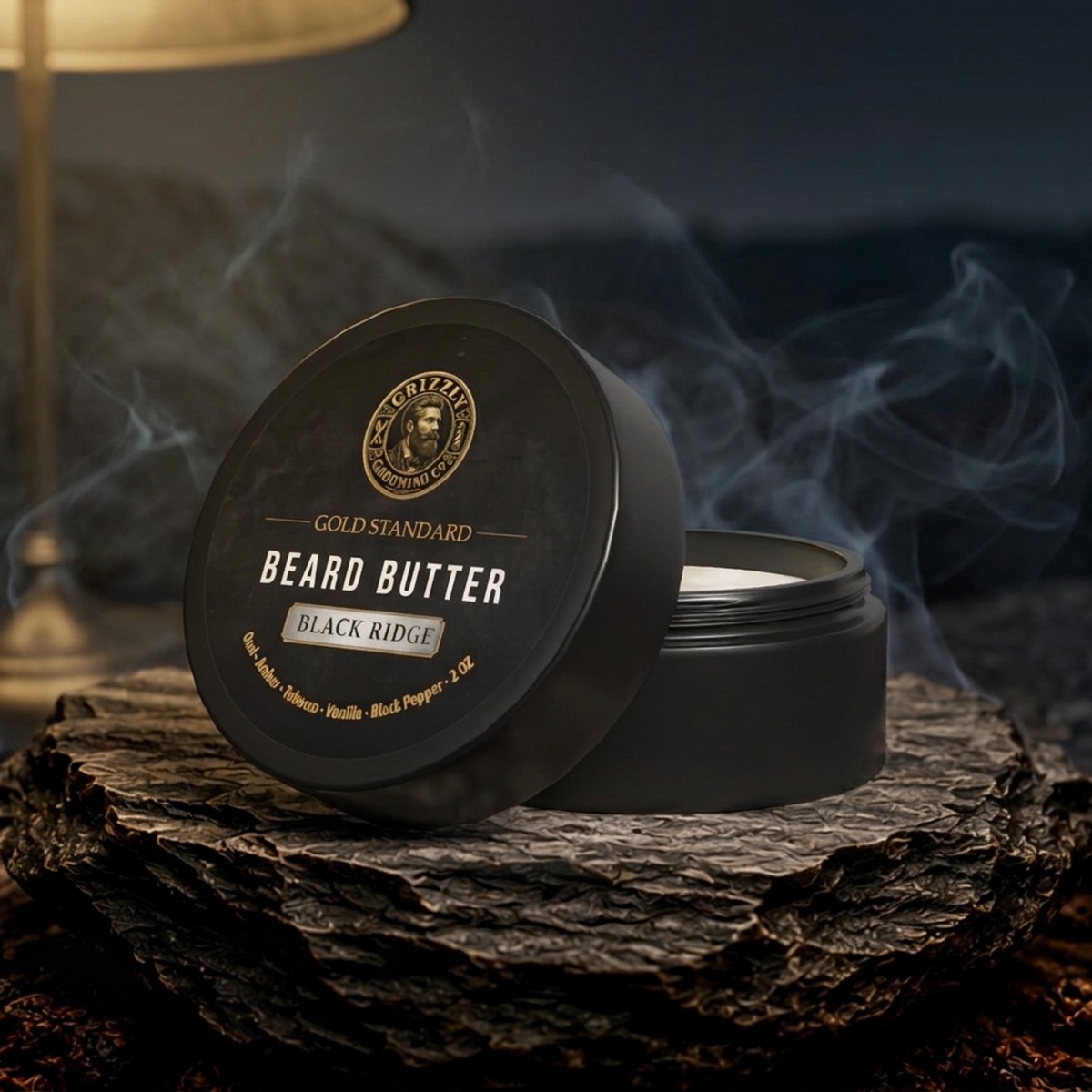
To further improve coverage, follow your oil application with a beard butter. The shea butter and beeswax content in these formulations provide a light hold that allows you to brush longer hairs over sparse spots, effectively masking the patchiness.
The Role of Exfoliation and Peripheral Blood Flow
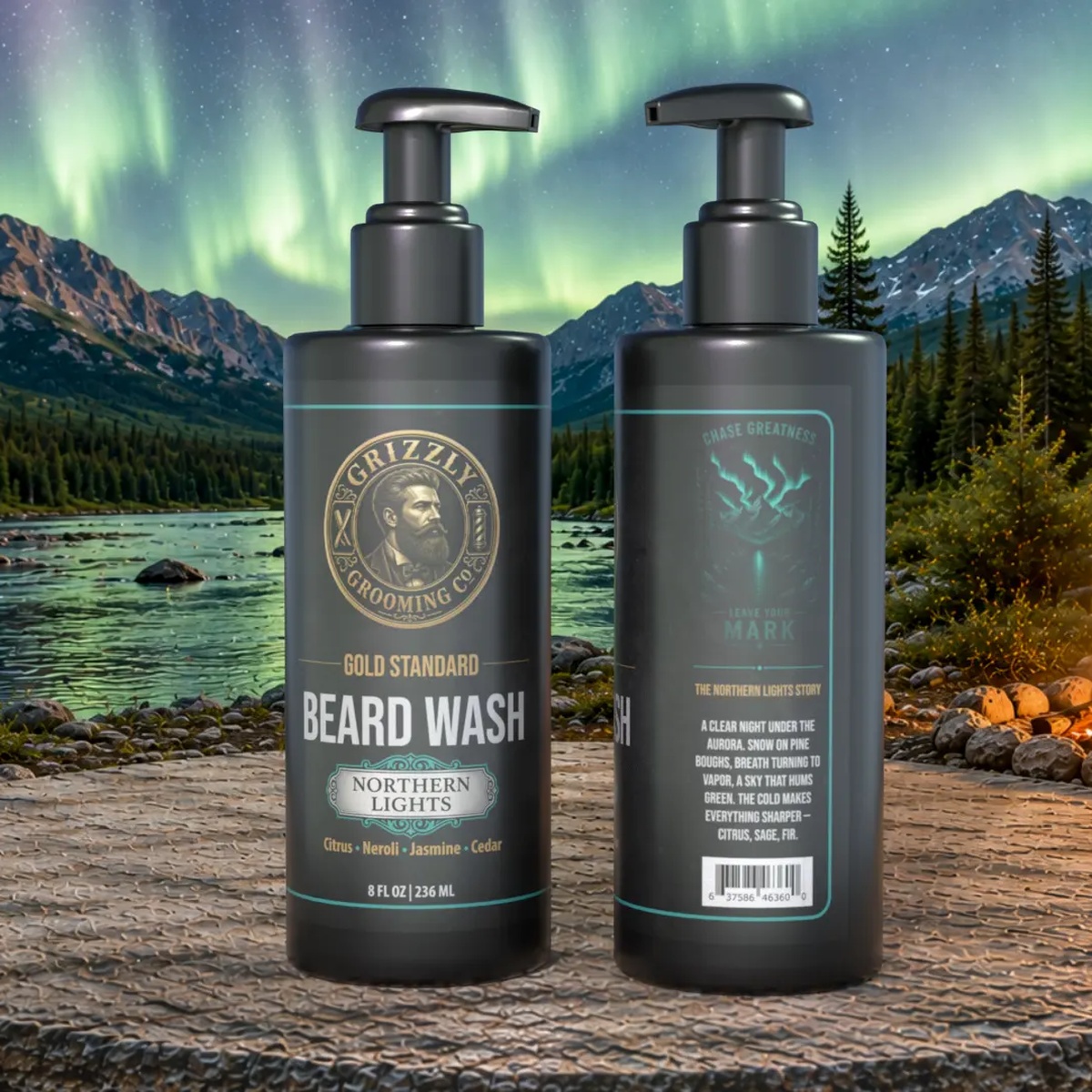
Patchy areas are often exacerbated by poor skin health or dormant follicles buried under dead skin cells. Incorporating a dedicated beard wash two to three times a week ensures the jawline remains free of debris that can stifle emerging hairs.
During your grooming ritual, use a firm boar-bristle brush to massage the skin beneath the beard. This mechanical action stimulates localized blood flow, ensuring that nutrients reach the follicles while also distributing the natural oils evenly.
Professional Trimming for Unified Density
A common mistake is trimming the entire beard to the same length when dealing with patches. Instead, use a pair of high-quality shears to taper the denser areas while leaving the sparse sections slightly longer to balance the visual weight.
This artisanal approach requires a steady hand and a keen eye for light. Work in a well-lit environment and trim only a few millimeters at a time, checking the global silhouette of your jawline frequently to ensure symmetry.
Frequently Asked Questions
Will shaving my jawline make the hair grow back thicker?
Shaving does not change the follicle's structure or the rate of growth. It merely gives the hair a blunt tip, which may temporarily feel coarser but does nothing to increase the actual density of a patchy jawline.
How often should I apply beard oil to a patchy area?
Application should be a daily ritual, preferably once in the morning after a shower when pores are open. For particularly dry skin or coarse hair, a secondary light application of beard oil or beard butter in the evening can help maintain hair flexibility.
Can diet and lifestyle affect my jawline beard density?
Follicle health is closely tied to systemic health. A diet rich in biotin, zinc, and healthy fats supports keratin production, while consistent sleep and stress management help maintain the hormone levels necessary for robust facial hair growth.
Build your ritual in 60 seconds.
Answer four questions and get a custom regimen — plus a 15% bundle discount.
Start The Ritual Builder