Minoxidil for Beard Growth: Clinical Efficacy and Practical Risks
The use of minoxidil for beard growth has transitioned from an off-label experiment to a common practice among men struggling with density. While the science supports its ability to stimulate follicles, the transition from vellus to terminal hair is not a guaranteed result.
- ›Minoxidil works by shortening the telogen phase and extending the anagen growth phase.
- ›Results typically require six to twelve months of consistent twice-daily application.
- ›Alcohol-based solutions often cause significant skin dryness and irritation.
- ›New growth must transition to terminal hair before use can be safely discontinued.
- ›Systemic side effects like heart palpitations and low blood pressure can occur.
The Mechanism of Follicular Stimulation
Minoxidil was originally developed as an oral medication for hypertension due to its properties as a vasodilator. When applied topically to the face, it widens the blood vessels, allowing more oxygen, blood, and nutrients to reach the hair follicles. This process revitalizes shrunken follicles and encourages them to enter the active growth phase.
Crucially, minoxidil does not create new follicles; it acts on existing ones. If a man has no hair follicles in a specific area due to genetics, no amount of chemical stimulation will produce growth. It is most effective for men with existing vellus hair—the fine, light-colored 'peach fuzz'—who want to transition those hairs into thick, dark terminal hairs.
The Timeline of Terminal Growth
Patience is the primary requirement for any growth regimen. The initial phase, often lasting two to four weeks, may actually involve shedding. This occurs because the medication forces old hairs out to make room for new, stronger strands. Most men do not see visible improvements until the three-month mark, with significant density changes occurring between months six and twelve.
The risk of premature cessation is high. If you stop using minoxidil before the new hairs have fully transitioned to terminal status, they will likely fall out. Terminal hairs are identified by their deep pigmentation and coarse texture. Once these are established and the follicle has matured, the growth is generally considered permanent, though individual results vary based on androgen levels.
Managing Skin Health and Irritation
The most common delivery method for minoxidil is a liquid solution containing propylene glycol and alcohol. These ingredients are notorious for stripping the skin of its natural oils, leading to redness, flaking, and itching. This is often mistaken for dandruff, but it is actually a chemical contact dermatitis that can damage the skin barrier if left unmanaged.
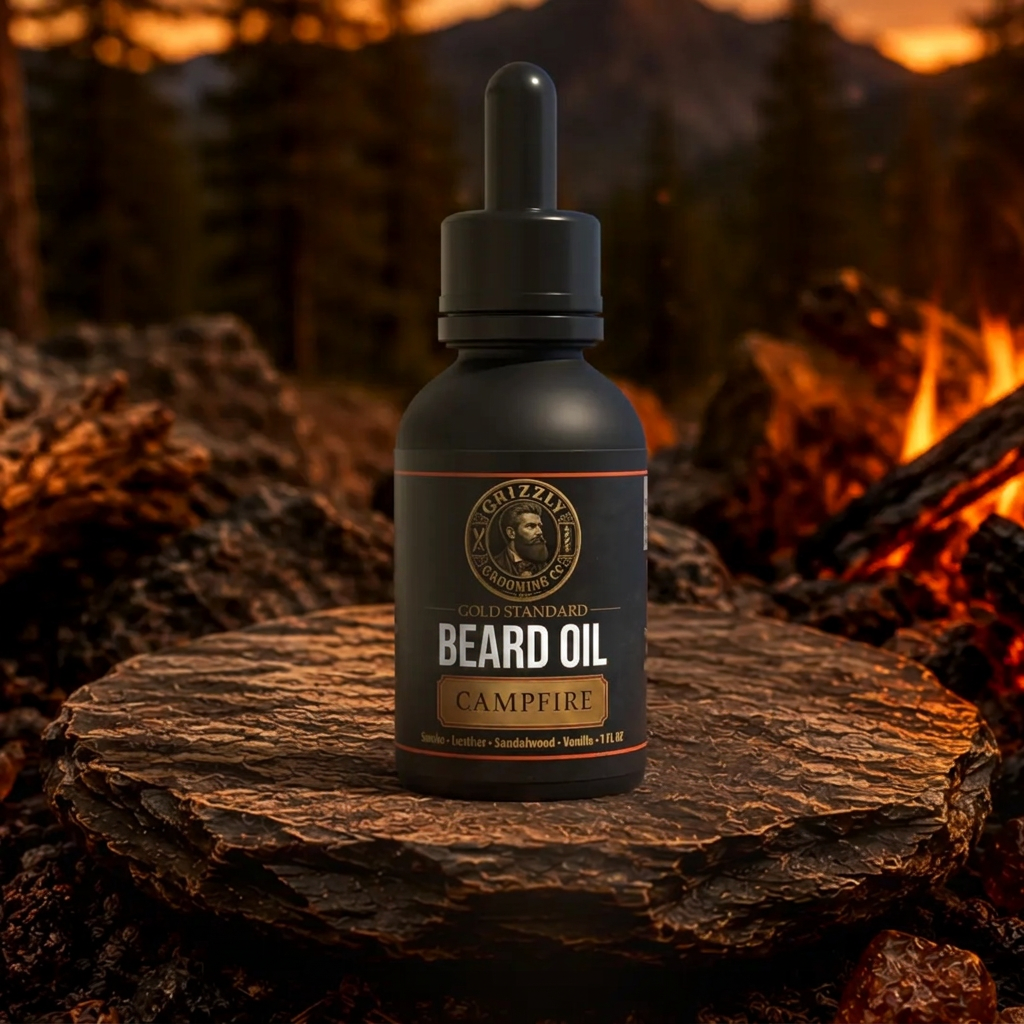
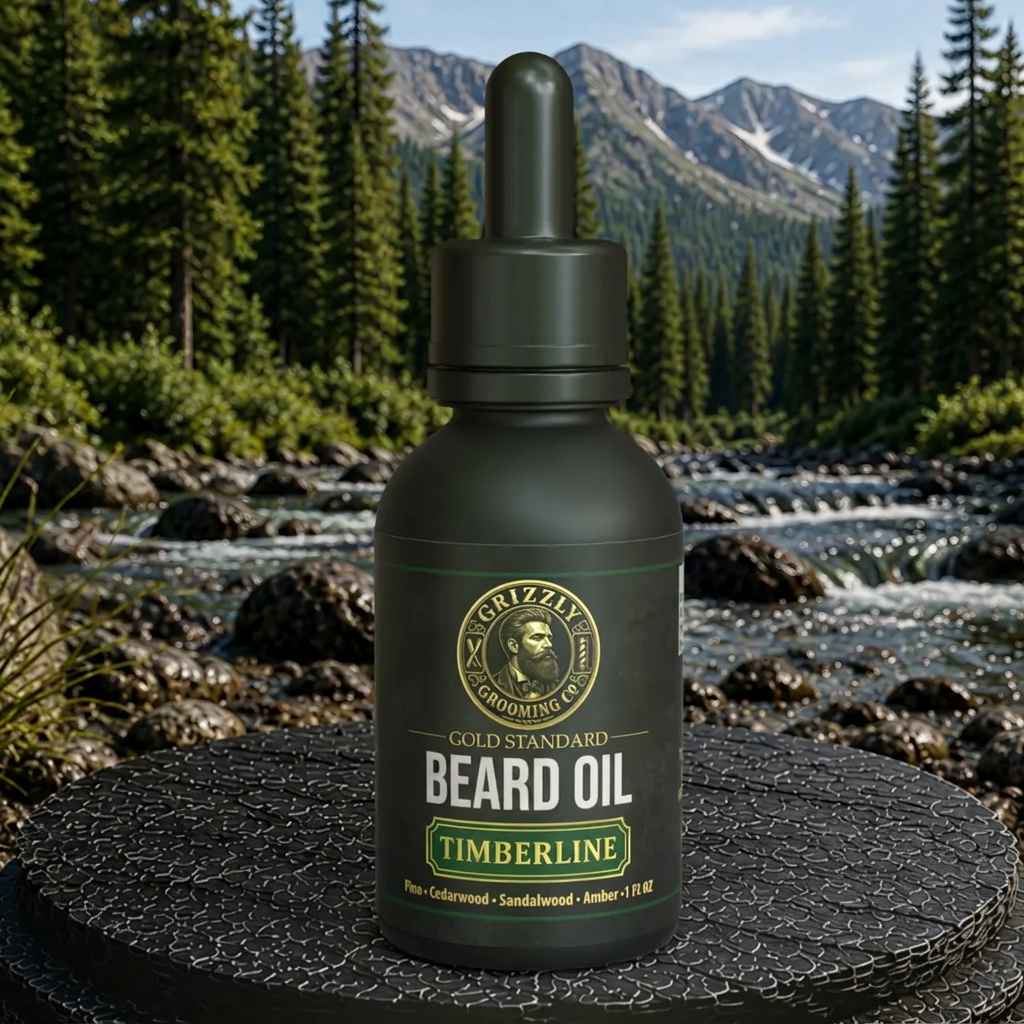
To mitigate this, a structured grooming ritual is essential. Applying a high-quality beard oil, like the Grizzly Gold Standard Beard Oil, approximately four hours after your minoxidil application can help restore the lipid layer. During the growth process, using a gentle, sulfate-free beard wash is critical to avoid further aggravating the skin, ensuring the foundation for your new beard remains healthy.
Potential Systemic Side Effects
Because the skin on the face is thinner and more vascular than the scalp, minoxidil is absorbed more readily into the bloodstream when applied to the beard area. This increases the risk of systemic side effects, including lightheadedness, headaches, and heart palpitations. Men with pre-existing cardiovascular conditions should consult a physician before beginning a regimen.
Another documented side effect is hypertrichosis, which is hair growth in unwanted areas. Because the medication enters the system, you may notice increased hair growth on the upper cheeks, forehead, or even the back. Monitoring your dosage—typically 1ml twice daily—is the best way to keep these effects localized and manageable.
Frequently Asked Questions
Can I use beard balm or oil while using minoxidil?
Yes, but timing is critical. You must wait at least four hours for the minoxidil to fully absorb into the skin before applying a beard balm or oil to avoid interfering with the medication's efficacy.
Will the hair fall out if I stop using it?
Only if the hair is still in the vellus stage. Once the hair has transitioned into a thick, pigmented terminal hair, it is no longer dependent on the minoxidil to survive, though a gradual tapering off is recommended.
Is the foam version better than the liquid?
The foam version lacks propylene glycol, which makes it much gentler on the skin and less likely to cause irritation or flaking. However, the liquid is often cheaper and easier to apply directly to the skin through existing hair.
Build your ritual in 60 seconds.
Answer four questions and get a custom regimen — plus a 15% bundle discount.
Start The Ritual Builder