Minoxidil for Beard Growth: Clinical Efficacy and Long-Term Risks
While originally developed for scalp hair loss, minoxidil has become a common off-label tool for men seeking to fill in patchy facial hair. Understanding the physiological shift it induces is essential before committing to a daily chemical regimen.
- ›Minoxidil extends the anagen growth phase of the hair follicle.
- ›Results are temporary unless hairs reach the terminal maturation stage.
- ›Systemic side effects like heart palpitations and skin dryness are common.
- ›Consistent moisturizing with a quality beard oil is mandatory to prevent skin damage.
- ›Patience is required as the biological transition takes six to twelve months.
The Mechanism of Follicular Stimulation
Minoxidil functions primarily as a vasodilator, widening blood vessels to increase the flow of oxygen and nutrients to the hair follicles. In the context of facial hair, this process can nudge dormant vellus hairs into the active anagen growth phase.
It is important to differentiate between vellus hair—the fine, light fuzz—and terminal hair, which is the thick, pigmented growth characteristic of a mature beard. Minoxidil aims to accelerate this transition, though the biological timeline is dictated largely by genetics and androgen levels.
Applying the solution twice daily is the standard protocol, but users should be aware that the chemical increases local blood circulation, which can lead to temporary redness or a warm sensation on the skin surface.
The Critical Role of Terminal Maturation
One of the most misunderstood aspects of beard enhancement is the permanence of the growth. If you discontinue minoxidil before a hair has fully transitioned to the terminal stage, that hair will likely shed and not return.
Terminal hairs are rooted deeper in the dermis and are physically thicker. Achieving this state usually requires twelve months of consistent application. Stopping the regimen prematurely often results in the loss of progress made during the initial months.
We recommend monitoring the texture of the new growth. Once the hair matches the coarse, dark quality of your existing beard, it is more likely to remain permanent after you taper off the treatment.
Managing Skin Health and Irritation
Most topical minoxidil formulations contain propylene glycol and alcohol, both of which are notoriously harsh on the face. These ingredients strip the skin of its natural sebum, leading to flaking, itching, and 'beardruff'.
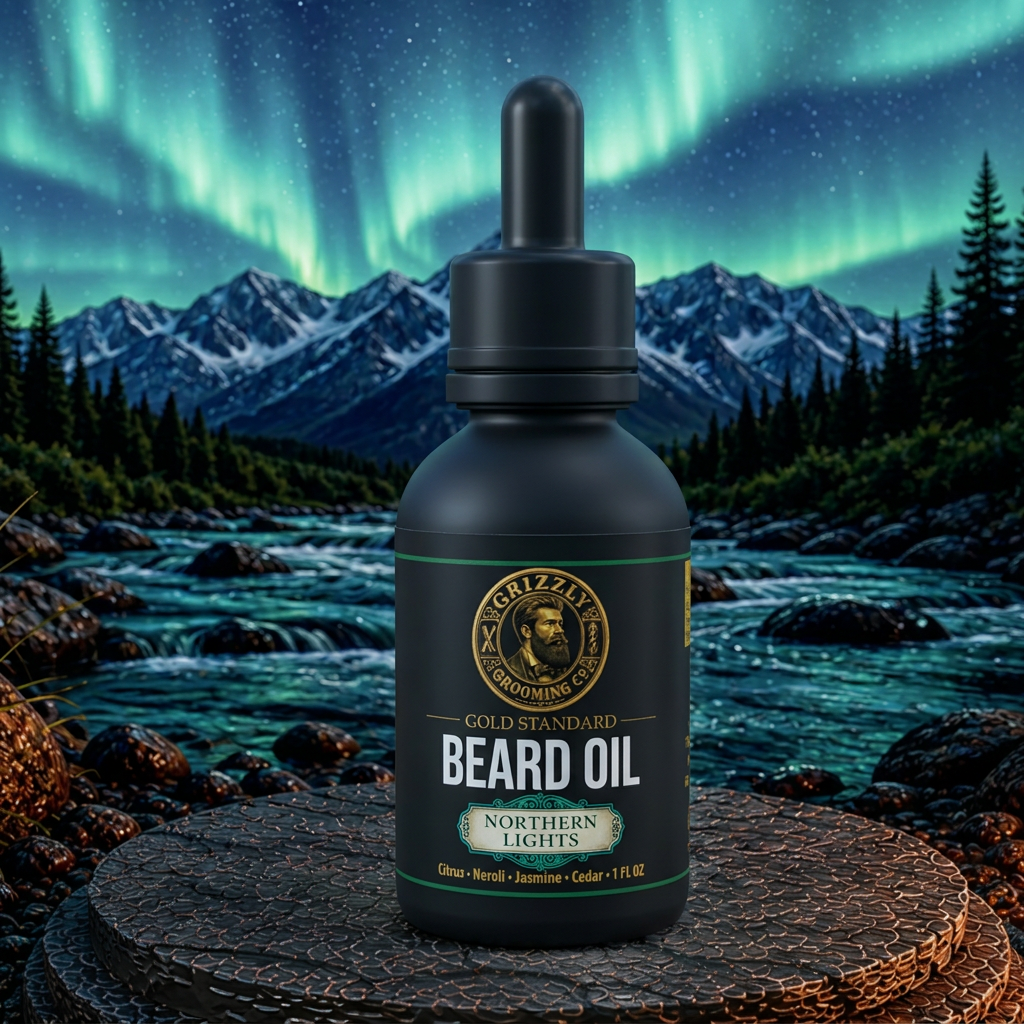
To counteract this, a disciplined moisturizing routine is not optional. Using a high-quality beard oil, such as a Grizzly Gold Standard blend, provides the essential fatty acids and lipids needed to repair the skin barrier without clogging pores.
Applying oil approximately four hours after your minoxidil dose ensures the medication has absorbed while preventing the long-term dermal damage that leads to premature aging and chronic dryness.
Potential Side Effects and Safety
Because the skin on the face is thinner and more vascular than the scalp, systemic absorption of minoxidil is higher. Some men report heart palpitations, lightheadedness, or unwanted hair growth near the eyes or forehead.
If you experience cardiovascular symptoms, it is imperative to reduce the dosage or discontinue use immediately. The goal of grooming is to enhance your appearance, not to compromise your underlying health.
Furthermore, minoxidil is highly toxic to pets, specifically cats. Ensure the product is fully dry before coming into contact with animals or sharing pillowcases, as even small amounts can be fatal to them.
Frequently Asked Questions
How long does it take to see results from minoxidil?
Initial vellus growth typically appears within 8 to 12 weeks of consistent use. However, full maturation into terminal beard hair generally requires a commitment of 6 to 12 months.
Can I use beard balm or oil while using minoxidil?
Yes, and it is highly recommended. Wait at least four hours after applying minoxidil to ensure it has absorbed, then apply a beard oil or beard butter to restore moisture to the dehydrated skin.
Will my beard fall out if I stop using it?
If the hairs have reached the terminal stage, they should remain. However, any vellus or transitional hairs that have not fully matured will likely shed once the chemical stimulus is removed.
Build your ritual in 60 seconds.
Answer four questions and get a custom regimen — plus a 15% bundle discount.
Start The Ritual Builder