Minoxidil for Beard Growth: A Professional Guide to Risks and Results
The pursuit of a fuller beard often leads men to clinical solutions like minoxidil, a vasodilator originally intended for the scalp. While it can produce significant results, moving from a patchy jawline to a dense beard requires an understanding of how this chemical affects facial skin and hair follicles.
- ›Minoxidil shifts hair follicles into the growth phase longer but requires consistent daily application.
- ›Facial skin is more sensitive than the scalp, increasing the risk of dryness and irritation.
- ›Results are not permanent until the new hair becomes terminal, which can take six months to a year.
- ›A dedicated hydration routine using quality beard oil is essential to counteract chemical dryness.
- ›Side effects can include heart palpitations or unwanted hair growth in other facial areas.
The Mechanism of Induced Facial Hair Growth
Minoxidil works as a potassium channel opener and vasodilator. When applied to the skin, it widens blood vessels, allowing more oxygen, blood, and nutrients to reach the hair follicle. This process can wake up dormant follicles and prolong the anagen, or growth, phase of the hair cycle.
On the face, the transition from vellus hair—the fine, light fuzz—to terminal hair is the objective. Terminal hairs are thicker, darker, and deeply rooted. However, this transition is not instantaneous; it requires the follicle to be consistently nourished over several growth cycles to reach a permanent state.
The Critical Importance of Skin Hydration
The most common drawback of topical minoxidil is its alcohol content, which is used as a delivery mechanism. This often leads to severe skin dryness, flaking, and itching. Since the face is more sensitive than the scalp, this can compromise the skin barrier if not managed correctly.
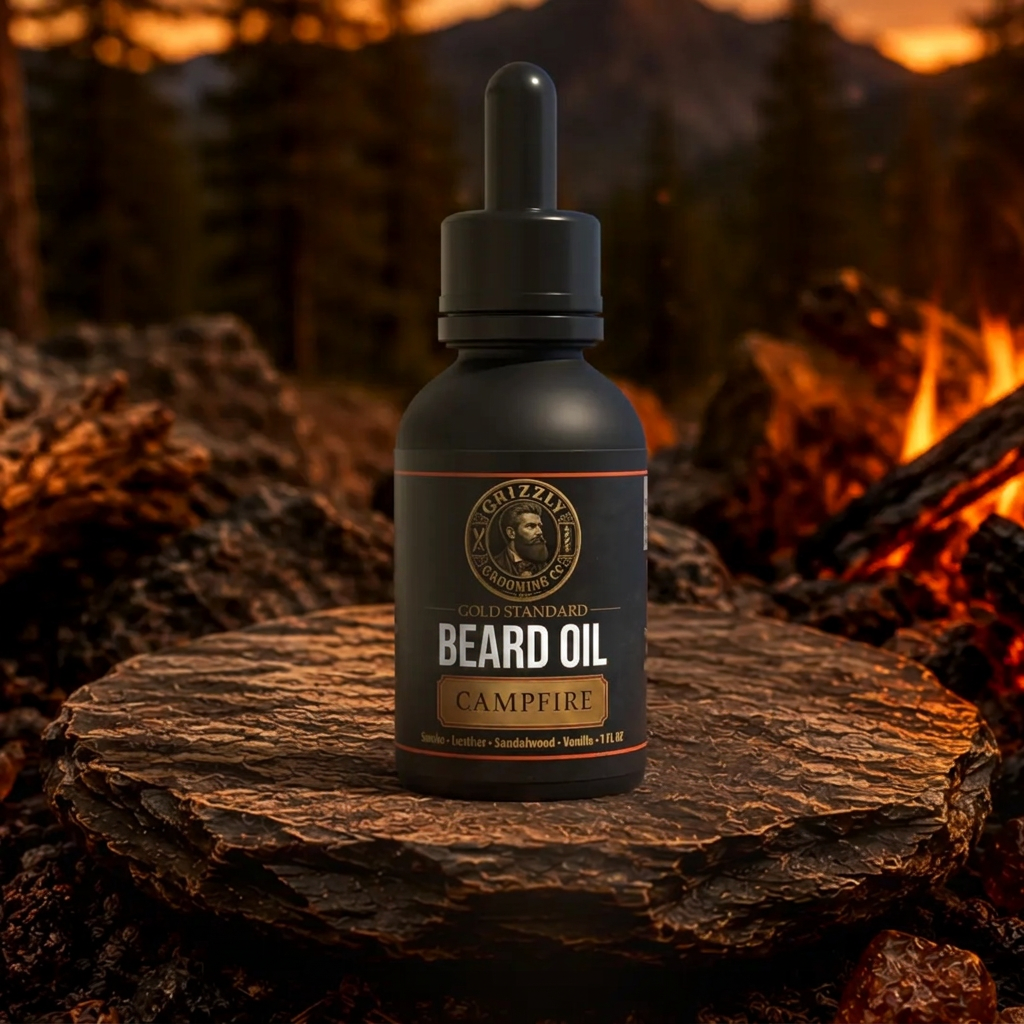
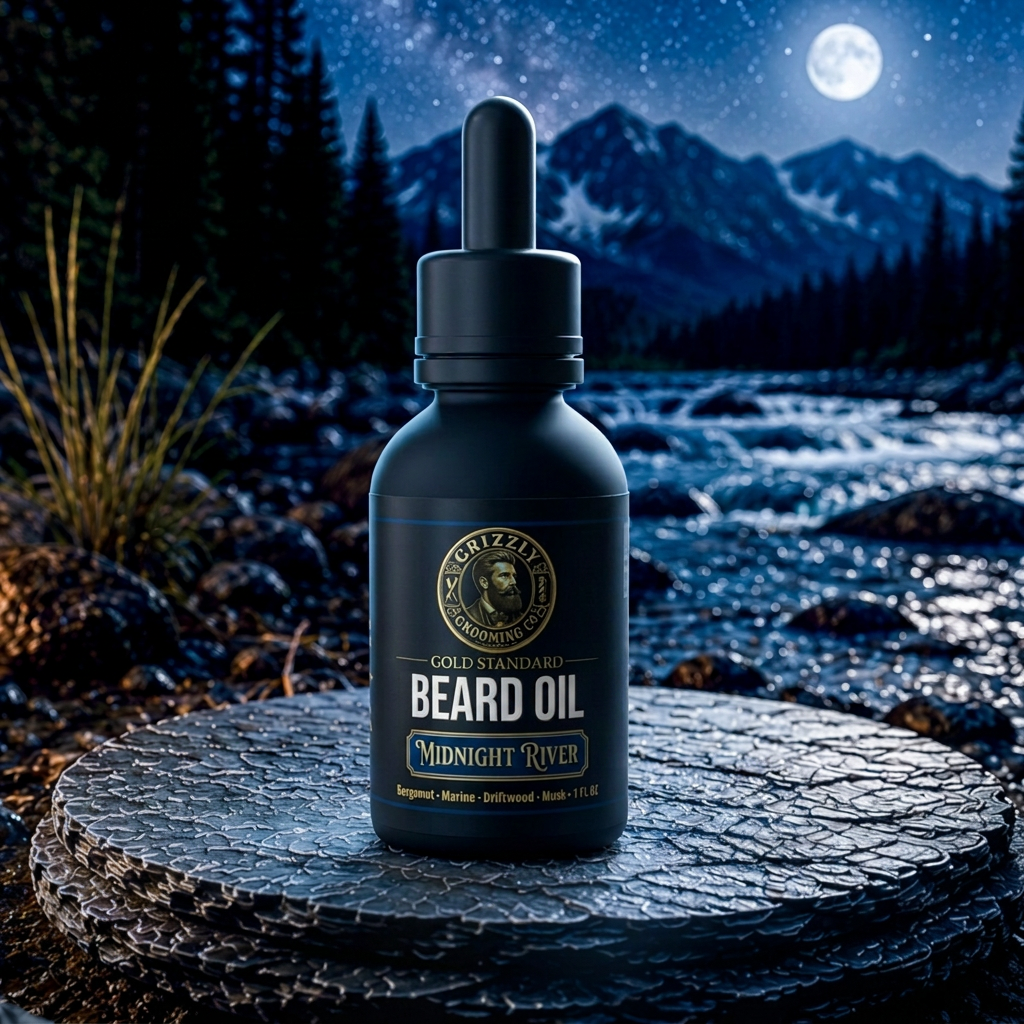
To mitigate this, one must integrate a heavy-duty hydration strategy. Applying a nutrient-dense beard oil or beard butter roughly four hours after the minoxidil application is vital. Our Grizzly Gold Standard beard oil provides the necessary plant-based lipids to repair the skin barrier without clogging the pores that you are trying to stimulate.
Managing the Shedding Phase
Many men experience a period of increased hair shedding shortly after starting a minoxidil regimen. This is often misunderstood as hair loss, but it is actually a sign the product is working. The drug forces old hairs out to make room for new, stronger strands.
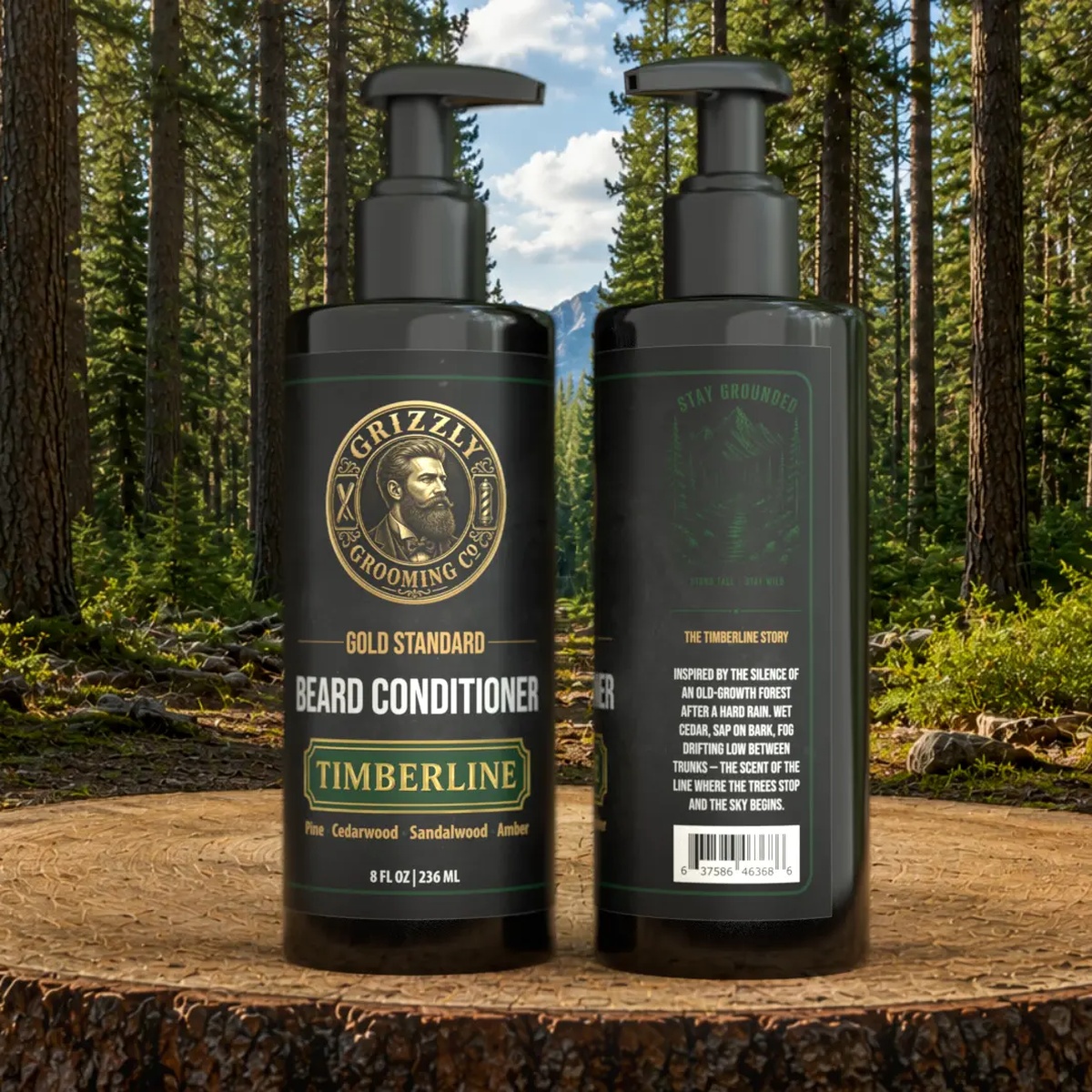
During this phase, it is important to maintain a gentle cleansing routine. Using a harsh detergent-based soap will only worsen the situation. A dedicated beard wash should be used to keep the area clean and free of dead skin cells that can accumulate during the accelerated turnover process.
Terminality and Long-Term Maintenance
One of the biggest misconceptions is that you must use minoxidil forever. Unlike scalp hair, which is often genetically predisposed to fall out, beard hair only needs to reach the terminal stage. Once the hair is thick and coarse, it no longer requires the chemical stimulant to survive.
Achieving terminality typically takes between six and twelve months of consistent use. Once you reach your desired density, a slow tapering process—rather than quitting cold turkey—is recommended to ensure the follicles remain active while you return to a standard grooming ritual.
Frequently Asked Questions
How long does it take to see results from minoxidil on the beard?
Visible changes usually appear between 8 to 12 weeks of consistent use. You will initially see fine, translucent vellus hairs, which will gradually darken and thicken into terminal hairs over the course of several months.
Can I apply beard oil immediately after minoxidil?
It is best to wait about four hours for the minoxidil to fully absorb into the skin. Applying oil too soon can interfere with the absorption, but waiting too long can leave the skin dangerously dehydrated.
Are the results permanent?
Yes, provided the hair has reached the terminal stage. If you stop the treatment while the hairs are still in the vellus or transitional phase, they will likely shed and not return.
Build your ritual in 60 seconds.
Answer four questions and get a custom regimen — plus a 15% bundle discount.
Start The Ritual Builder