Mastering the Trim: How to Effectively Fix and Prevent Beard Split Ends
Split ends are more than a cosmetic nuisance; they are a sign of structural failure in the hair cuticle. Left unaddressed, these fractures travel up the hair shaft, leading to a brittle, frizzed appearance that no amount of styling can mask.
- ›Identify split ends early to prevent the damage from traveling toward the root.
- ›Use professional-grade barber shears rather than standard household scissors.
- ›Apply beard oil daily to maintain the lipid barrier and prevent dehydration.
- ›Reduce the frequency of high-heat styling to preserve keratin integrity.
- ›Schedule regular micro-trims to remove damaged tips without sacrificing length.
The Anatomy of a Split End
A split end, known scientifically as trichoptilosis, occurs when the protective outer layer of the hair, the cuticle, is worn away. Once the inner cortex is exposed, the hair fibers begin to fray and unravel, resulting in the characteristic fork-shaped tip.
Environmental stressors such as UV rays, harsh detergents in standard soaps, and mechanical friction from low-quality combs are the primary culprits. When the hair loses its natural moisture, it becomes inelastic and prone to snapping.
The Surgical Approach to Repair
The only permanent way to fix a split end is to remove it. To do this correctly, you must use sharp, stainless steel barber shears. Dull household scissors often crush the hair follicle rather than cutting it, which actually creates new split ends instantly.
Work in a well-lit area and comb your beard thoroughly. Identify individual damaged hairs and snip them roughly one-quarter of an inch above the split. This ensures you are cutting into healthy, intact hair fiber.
Hydration as a Preventative Measure
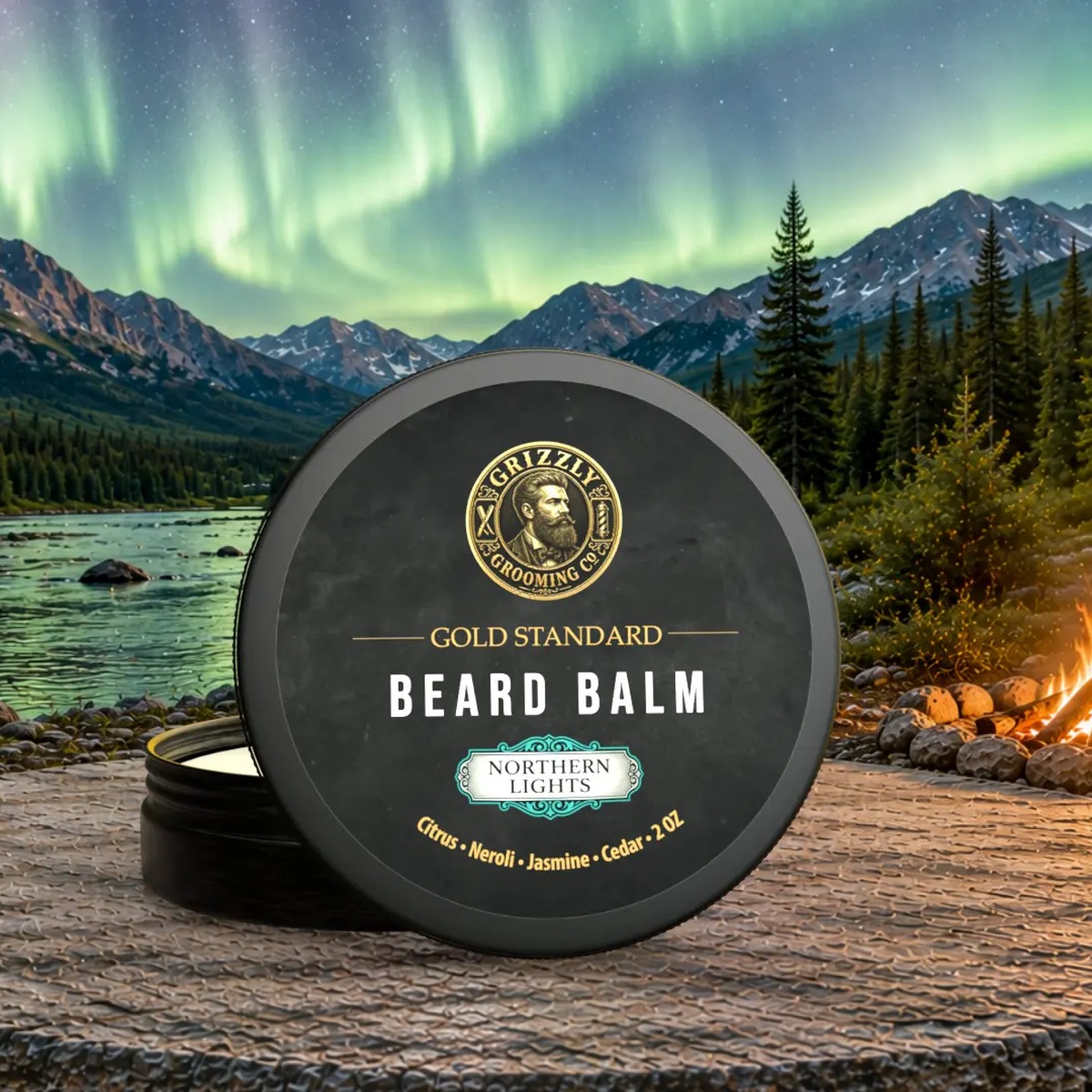
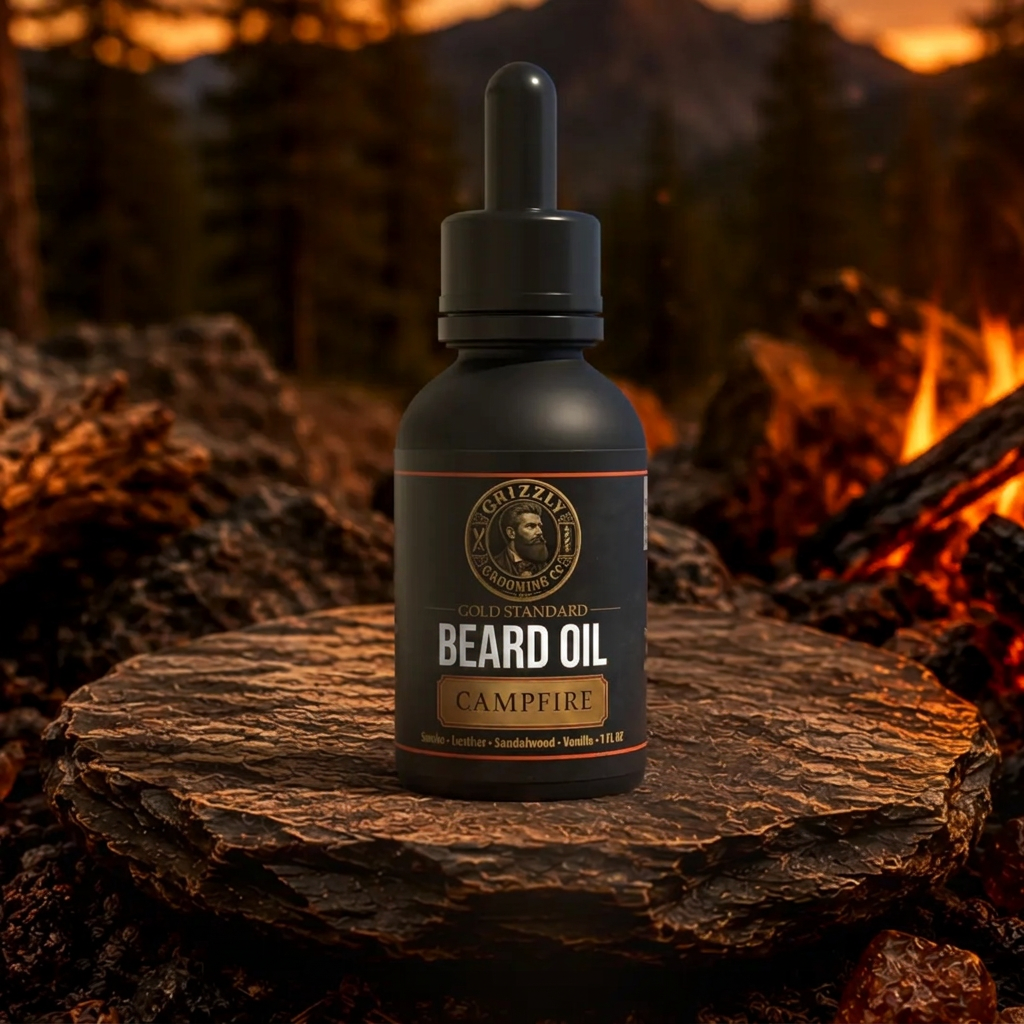
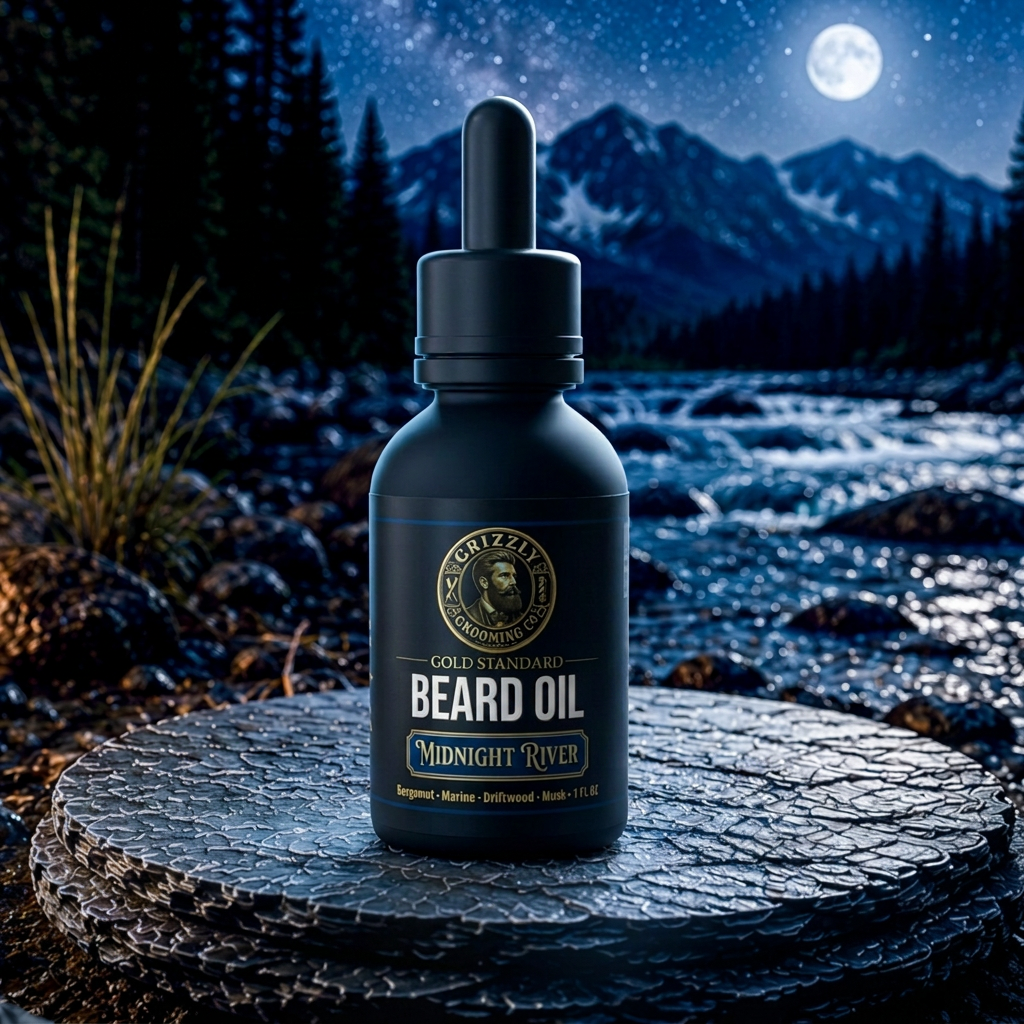
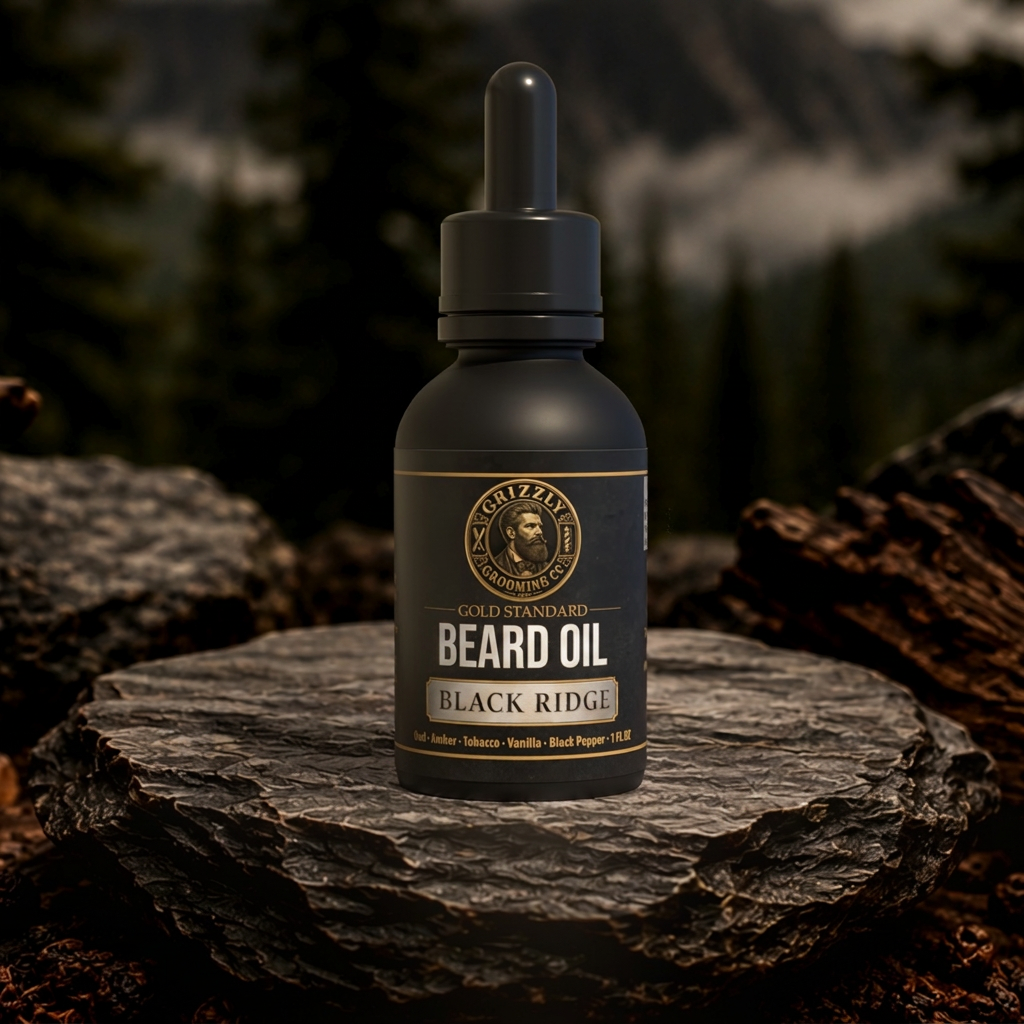
Prevention is governed by moisture retention. Using a high-quality beard oil, such as a Grizzly Gold Standard blend, provides the necessary fatty acids to seal the cuticle and lock in hydration. This mimics the natural sebum produced by your skin, which often struggles to reach the ends of a longer beard.
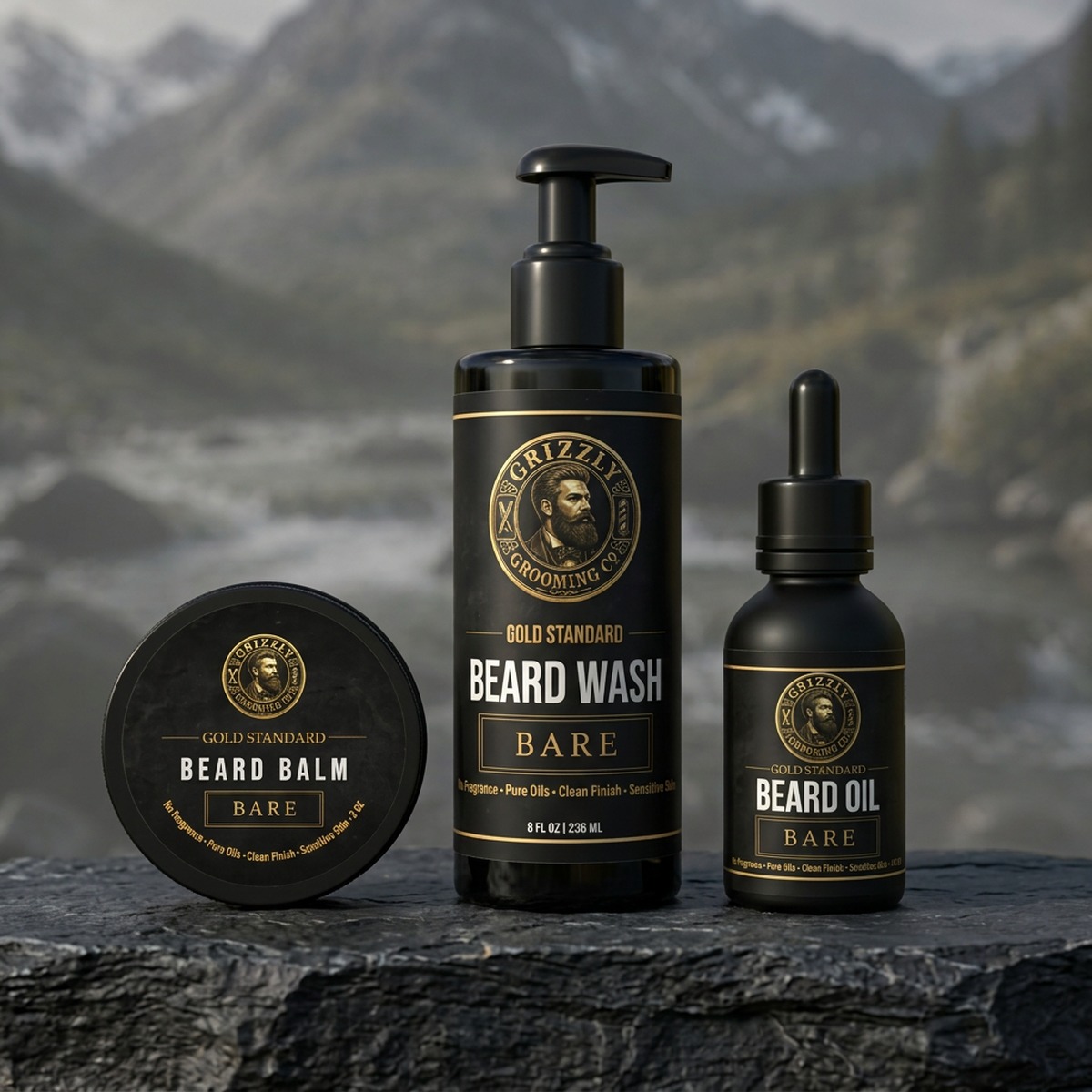
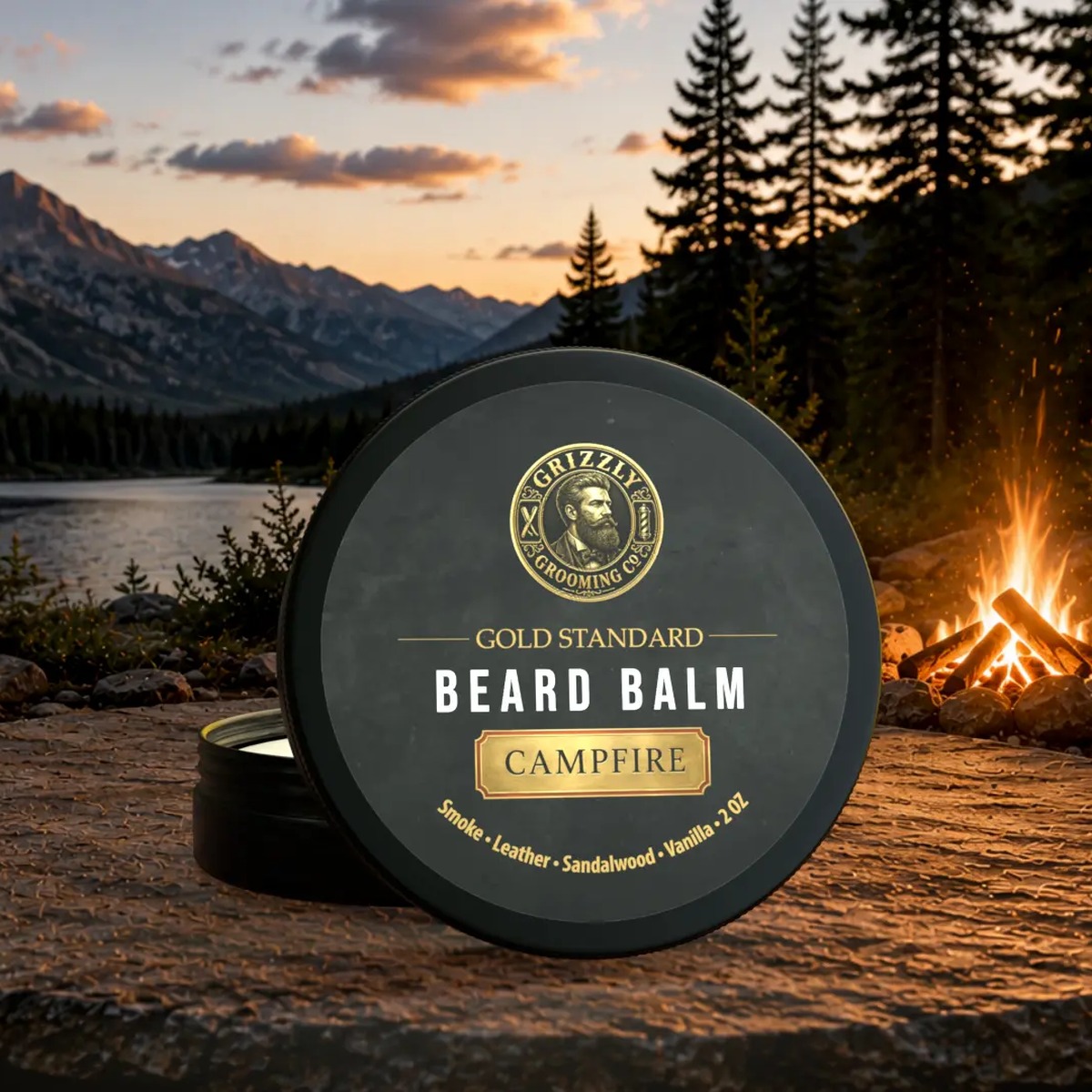
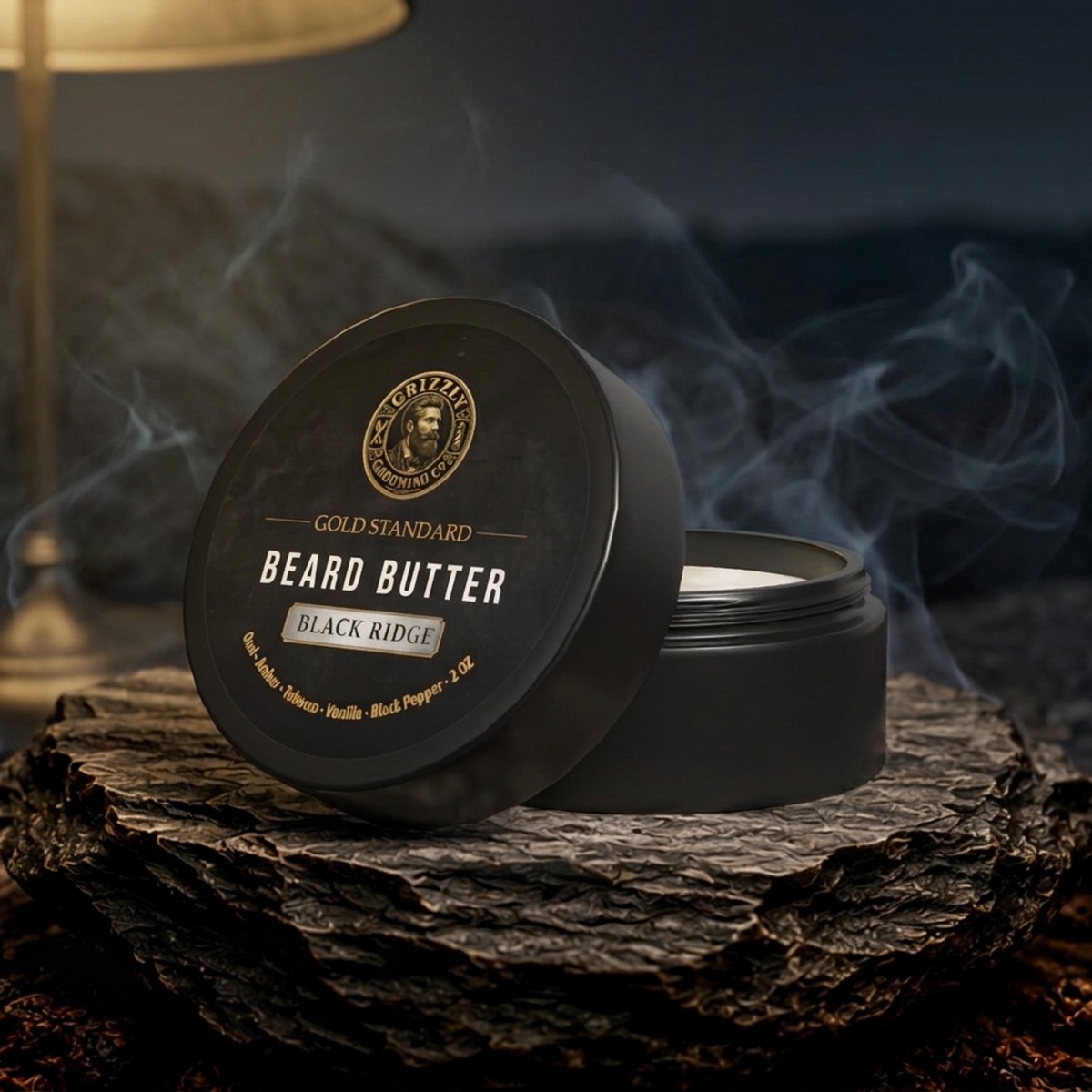
For deeper repair, a beard butter or beard balm can provide a thicker protective coating. These products contain butters and waxes that act as a physical shield against the wind and dry air that lead to structural degradation.
Wash Habits and Heat Management
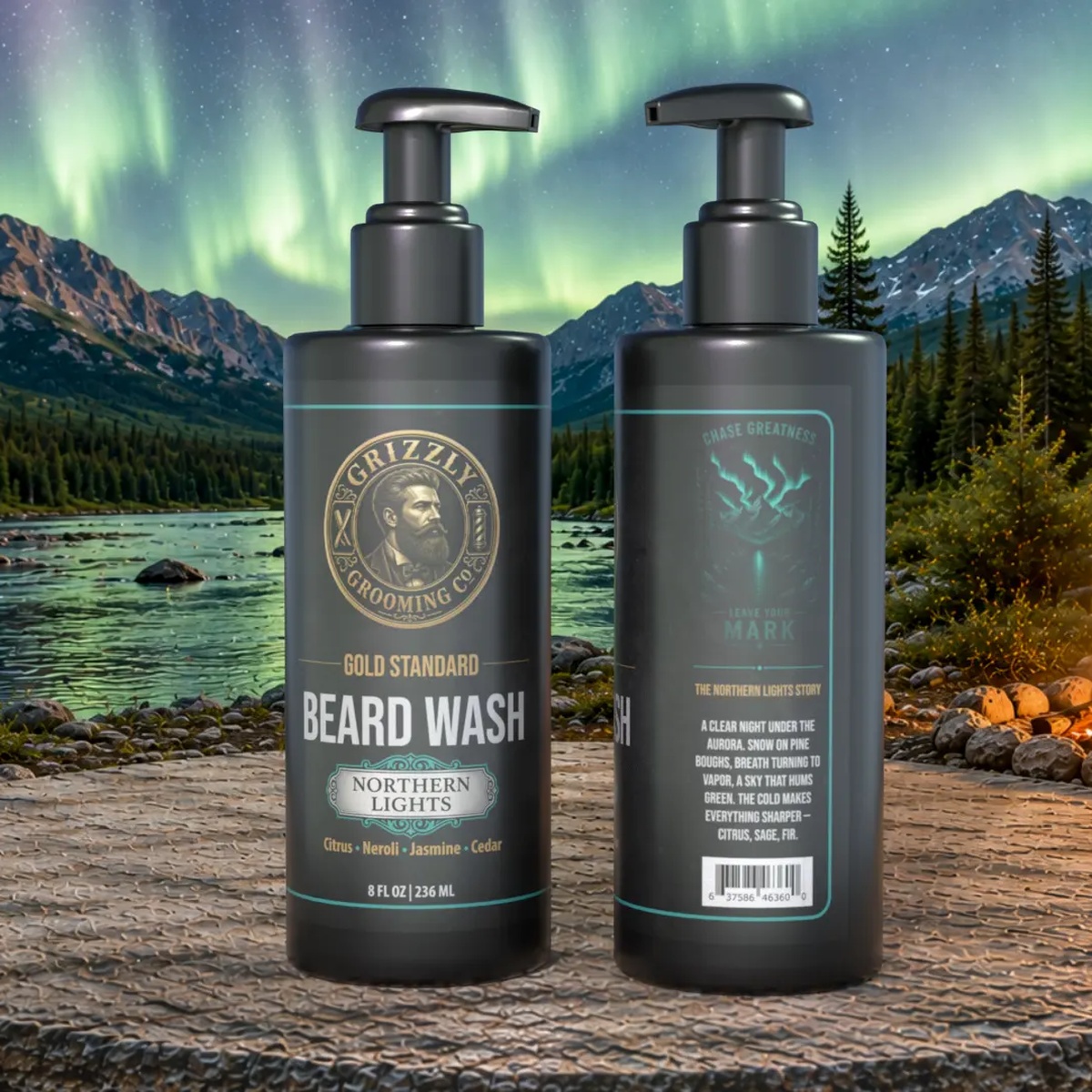
Over-washing with generic shampoos is a common mistake that strips the hair of its structural integrity. Use a dedicated beard wash that respects the pH balance of your face, and always follow up with a conditioner to smooth the cuticle down.
If you use a blow dryer or heated brush, always apply a protectant first and keep the heat on a medium setting. Excessive heat evaporates the internal moisture of the hair too quickly, causing the cortex to expand and the cuticle to burst.
Frequently Asked Questions
Can I use hair serum to fix split ends without cutting?
Serums containing silicones can temporarily glue the frayed ends together for a smoother look, but they do not fix the structural damage. Eventually, the split will continue to travel up the hair shaft until the damaged portion is physically removed.
How often should I trim my beard to avoid split ends?
A light 'dusting' or micro-trim every 4 to 6 weeks is ideal. This frequency allows you to remove the oldest, most weathered parts of the hair before they have the chance to split and compromise the rest of the beard.
Does beard oil actually prevent hair from splitting?
Yes, beard oil increases the elasticity of the hair. By keeping the hair supple, it can bend and flex under tension rather than snapping, which significantly reduces the occurrence of split ends over time.
Build your ritual in 60 seconds.
Answer four questions and get a custom regimen — plus a 15% bundle discount.
Start The Ritual Builder