Mastering the Transition: How to Grow a Beard from Clean Shaven
The shift from a bare chin to a deliberate beard is often marred by a week or two of unkempt appearance and irritating skin. By understanding the biology of facial hair and implementing a structured grooming ritual, you can navigate this growth phase with professionalism and comfort.
- ›Prioritize skin hydration to prevent the common three-week itch.
- ›Define your neckline and cheek lines early to signify intent.
- ›Exfoliate the skin beneath the stubble to avoid ingrown hairs.
- ›Switch to a dedicated beard wash once the hair reaches half an inch.
- ›Use beard oil daily from day one to soften emerging follicles.
The Foundation of Early Growth
The most difficult phase of growing a beard occurs between days ten and twenty-one. During this time, the sharp edges of hairs cut by your last shave begin to curl back and poke the skin, leading to significant irritation and redness.
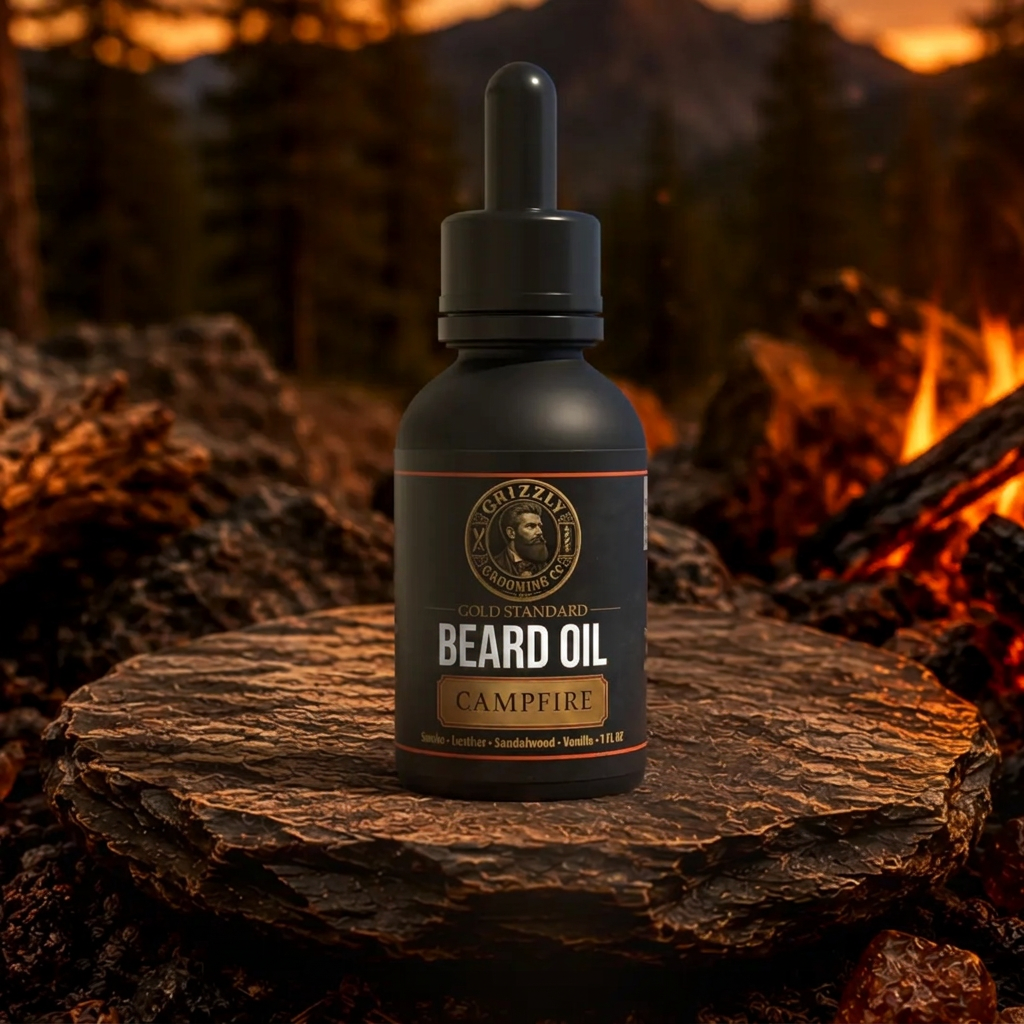
To mitigate this, application of a high-quality beard oil is essential from the first week. By softening the cuticle of the hair as it emerges, you reduce the physical friction against the dermis, effectively eliminating the primary cause of beard itch.
Establishing the Perimeter
A beard only looks unkempt when it lacks defined boundaries. Within the first two weeks, you should establish a clean neckline. Locate the point two fingers above your Adam's apple and carve a U-shape from ear to ear; everything below this should remain clean-shaven.
Similarly, keep your cheek lines high but tidy. Removing the stray hairs that climb toward your cheekbones signals that your new growth is a choice rather than a lapse in personal hygiene. This distinction is what separates a professional transition from mere neglect.
Skin Health and Exfoliation
When you stop shaving, you also stop the daily exfoliation that a razor provides. Dead skin cells can become trapped under new growth, leading to folliculitis or painful ingrown hairs. You must replace manual shaving with a dedicated skincare routine.
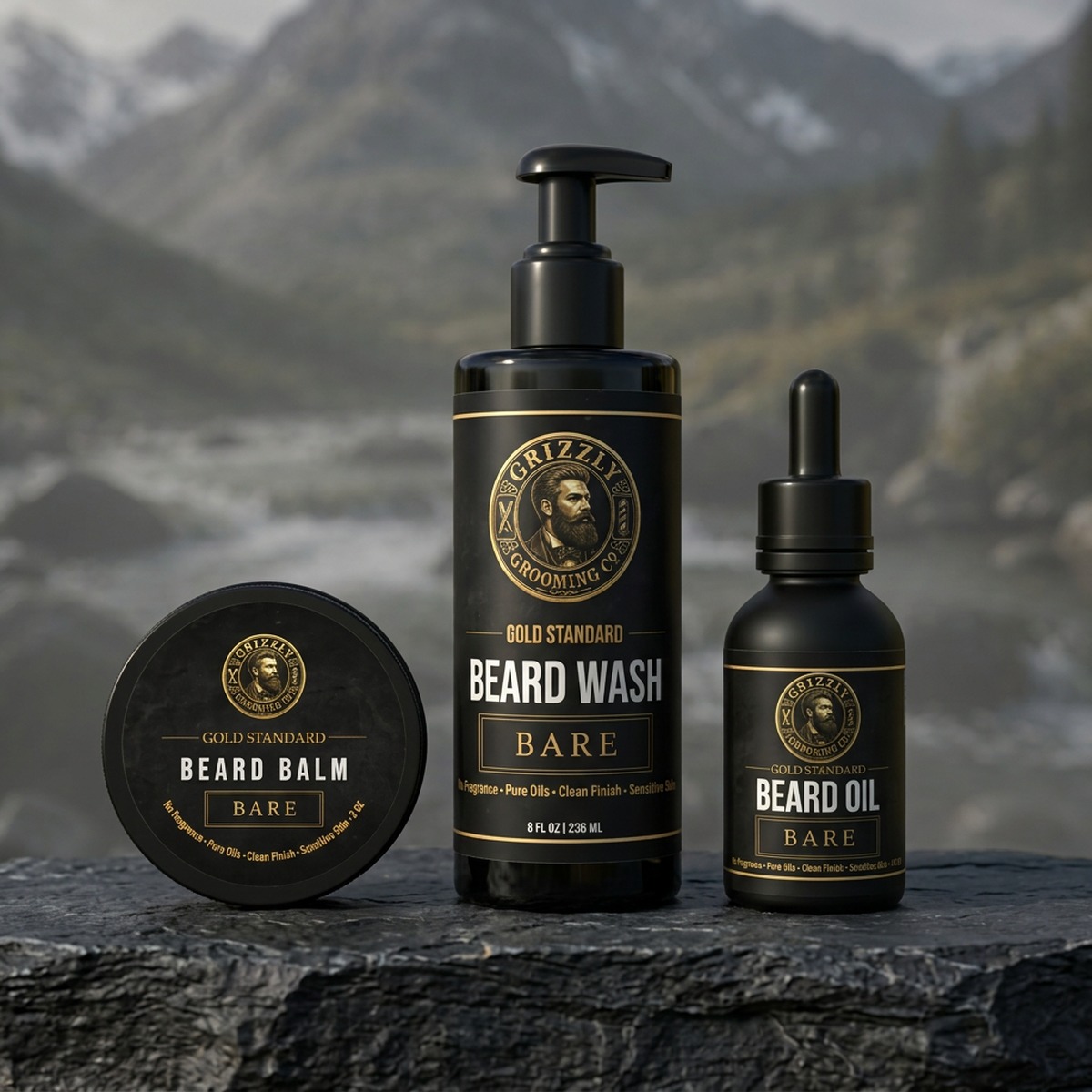
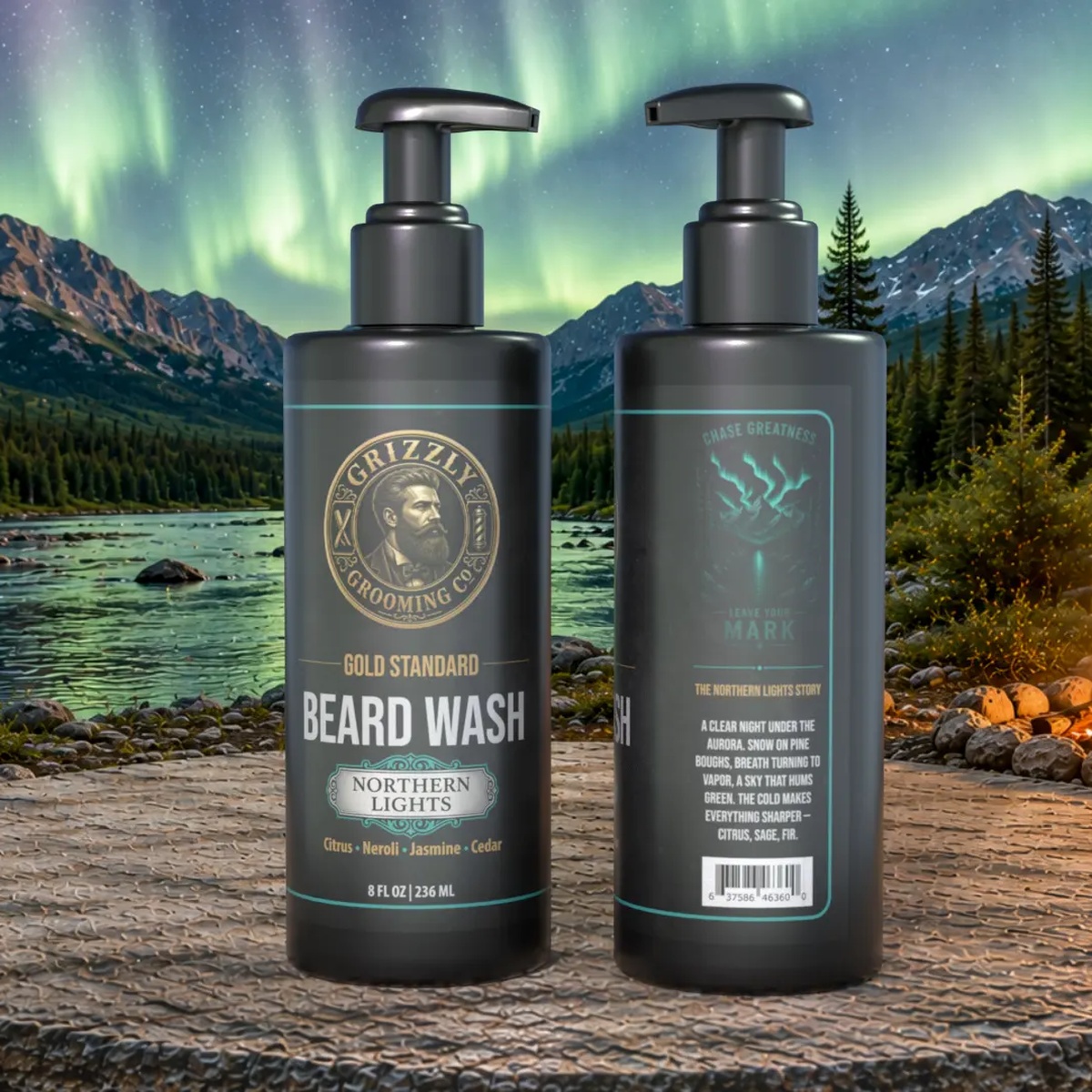
Using a gentle face wash and a boar bristle brush can help lift away debris. As the hair thickens, transitioning to a specialized beard wash is vital. Unlike standard soaps, a proper wash maintains the natural sebum oils that your follicles need to stay healthy and hydrated.
Managing the Awkward Lengths
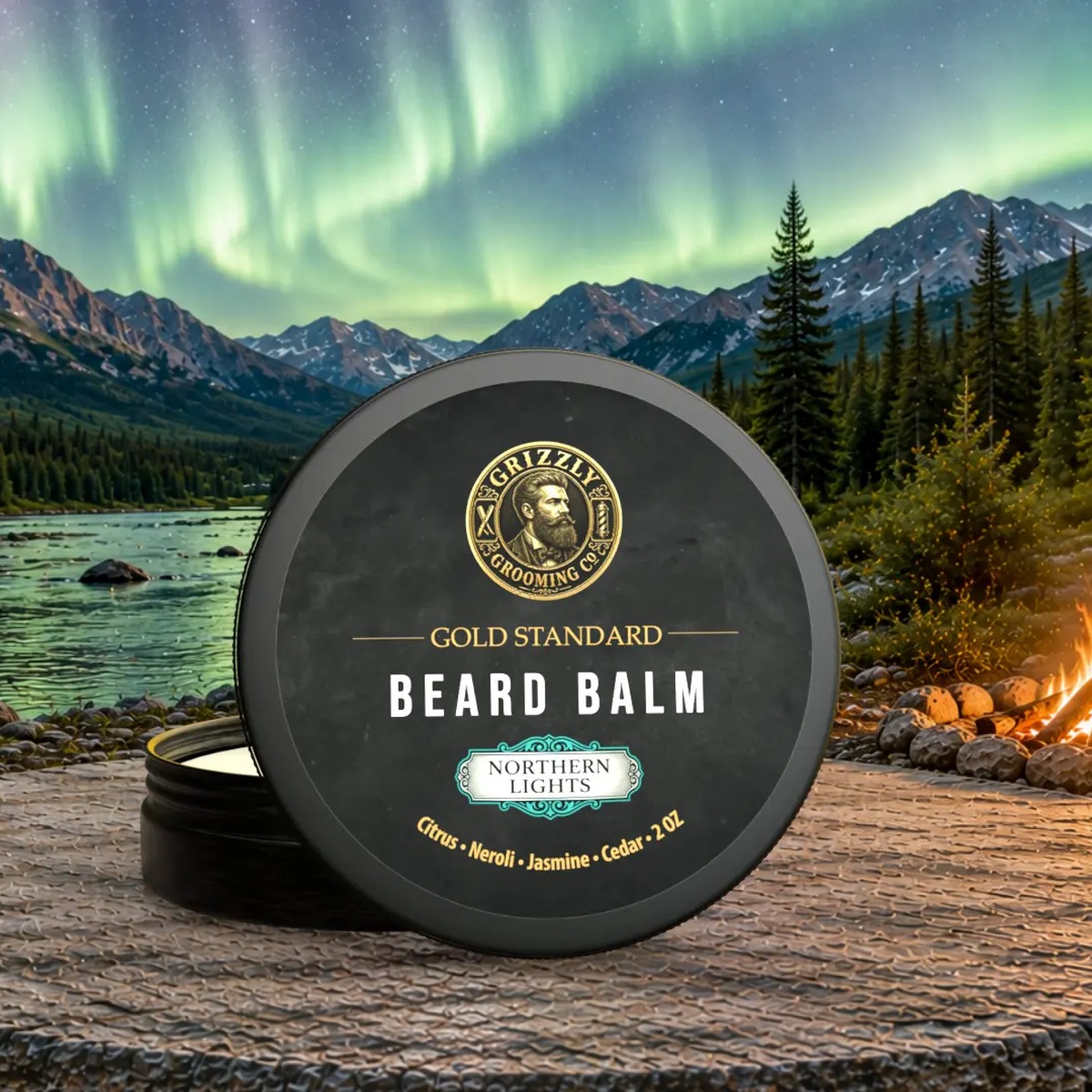
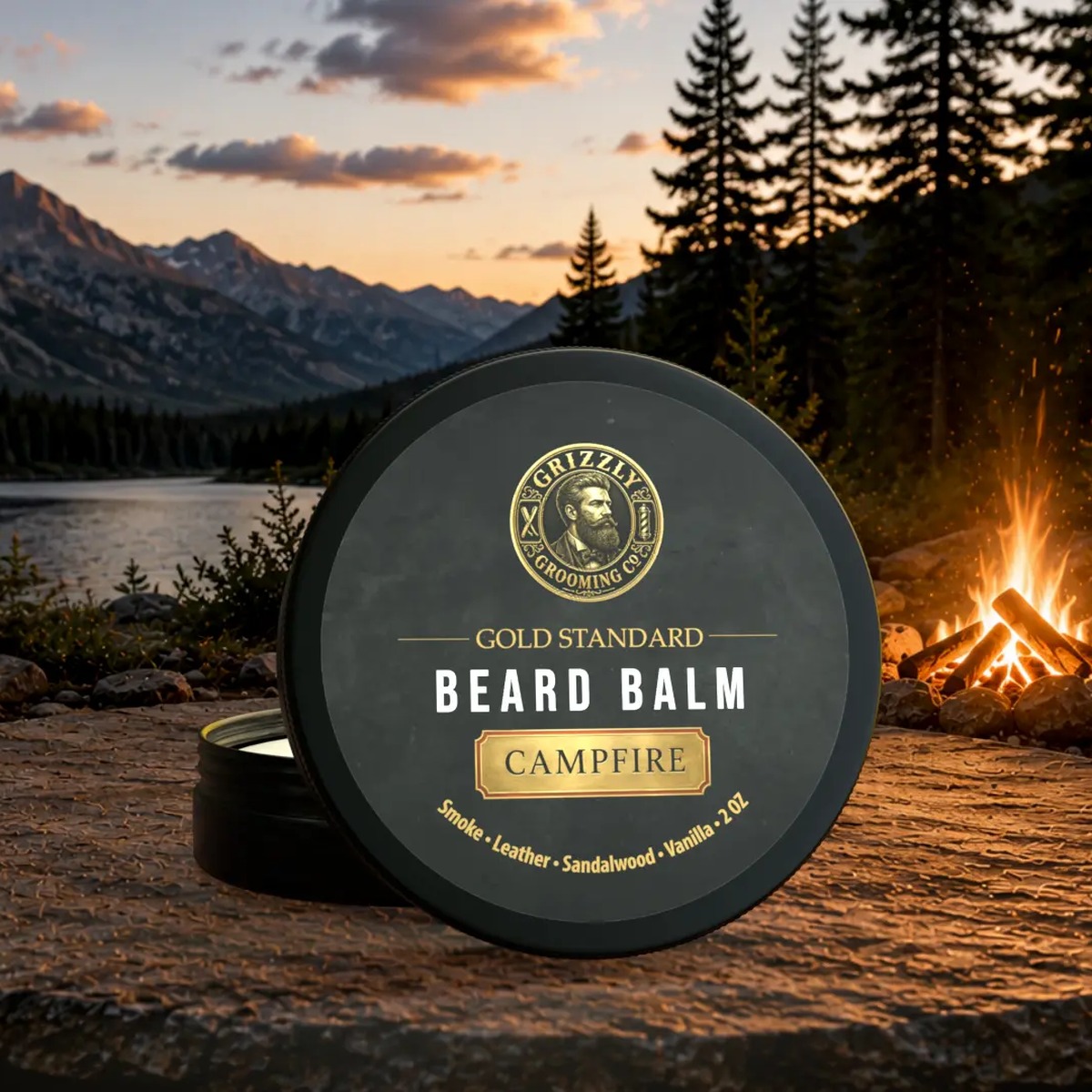
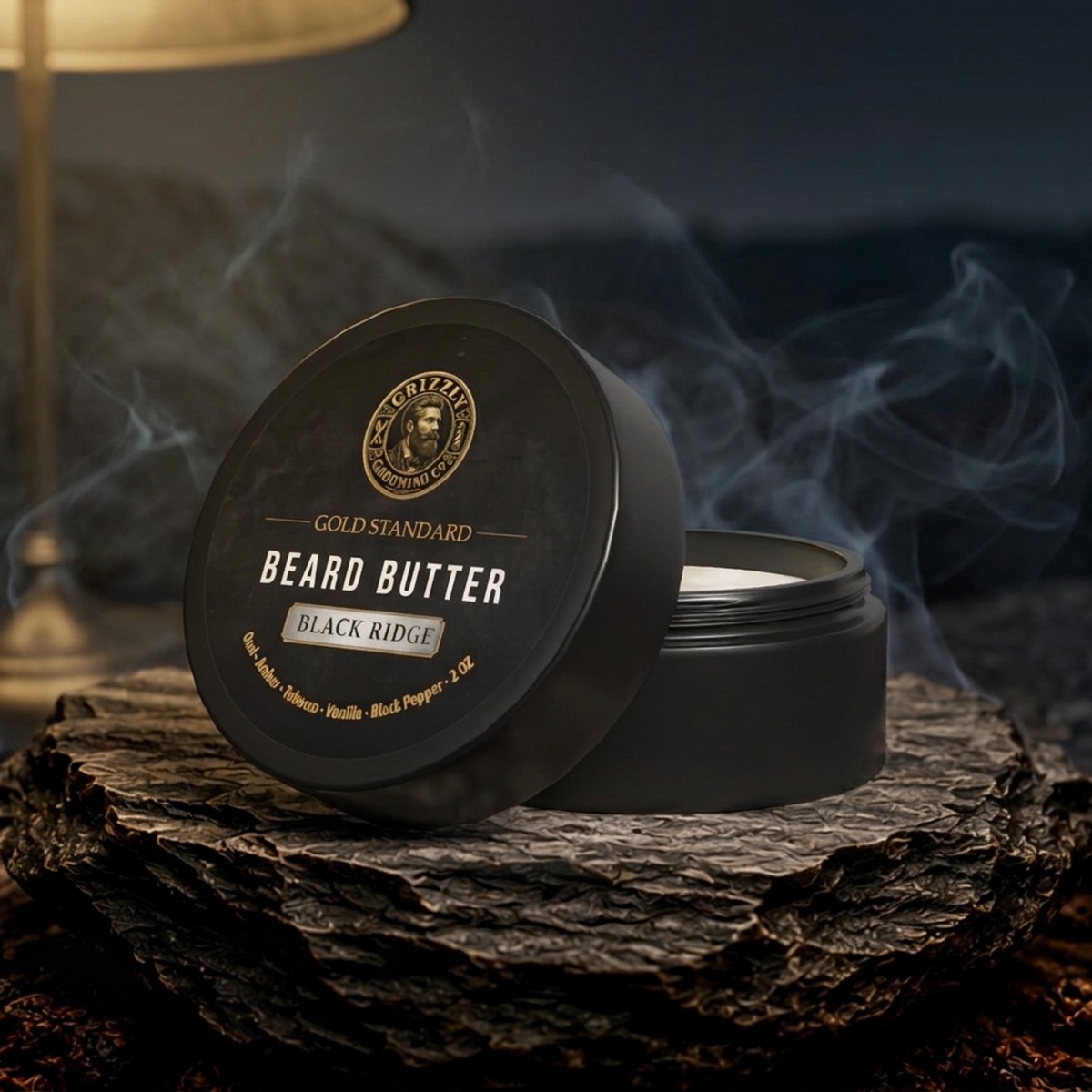
Around the one-month mark, the hair may begin to look patchy or fly away. This is the time to introduce a beard balm or beard butter. These products provide a light hold that keeps the hair laying flat against the face, providing a denser and more uniform appearance.
Consistency is the hallmark of the Grizzly Gold Standard. By applying product to damp hair after a shower, you lock in moisture and ensure the hair remains pliable. This stage requires patience, as different areas of your face grow at varying rates.
Frequently Asked Questions
How long does it take to grow a full beard?
On average, facial hair grows at a rate of half an inch per month. It typically takes two to three months of undisturbed growth to achieve a full, uniform beard that covers any initial patchiness.
Why does my beard itch so much in the first few weeks?
Shaving creates sharp, chisel-like points on the hair. As these grow out and curl, they irritate the skin. Using a daily beard oil from day one softens these tips and hydrates the skin to stop the irritation.
Should I trim my beard while I am growing it out?
You should only trim the 'lines'—the neck and cheeks—during the first four weeks. Avoid trimming the bulk of the beard until you have at least an inch of growth, which allows you to see the natural shape and density you have to work with.
Build your ritual in 60 seconds.
Answer four questions and get a custom regimen — plus a 15% bundle discount.
Start The Ritual Builder