
Mastering the Transition: How to Grow a Beard from a Clean Shave
The shift from a bare face to a purposeful beard is a test of patience and skin management. Most men abandon the process during the first three weeks due to irritation, but a structured approach ensures the transition is sophisticated rather than unkempt.
- ›Prioritize skin hydration with beard oil immediately to prevent the common itch.
- ›Do not touch the neckline or cheek line for at least the first fourteen days.
- ›Exfoliate the skin beneath the stubble to prevent painful ingrown hairs.
- ›Use a dedicated beard wash instead of bar soap to preserve natural oils.
- ›Introduce a boar hair brush early to train hair direction and clear debris.
Phase One: The Foundation of Hydration
The first seven days of growth are often the most difficult for the skin. As hairs emerge, they curve back toward the face, causing the irritation commonly known as beard itch. This is not a permanent condition, but rather a sign of moisture depletion in the stratum corneum.
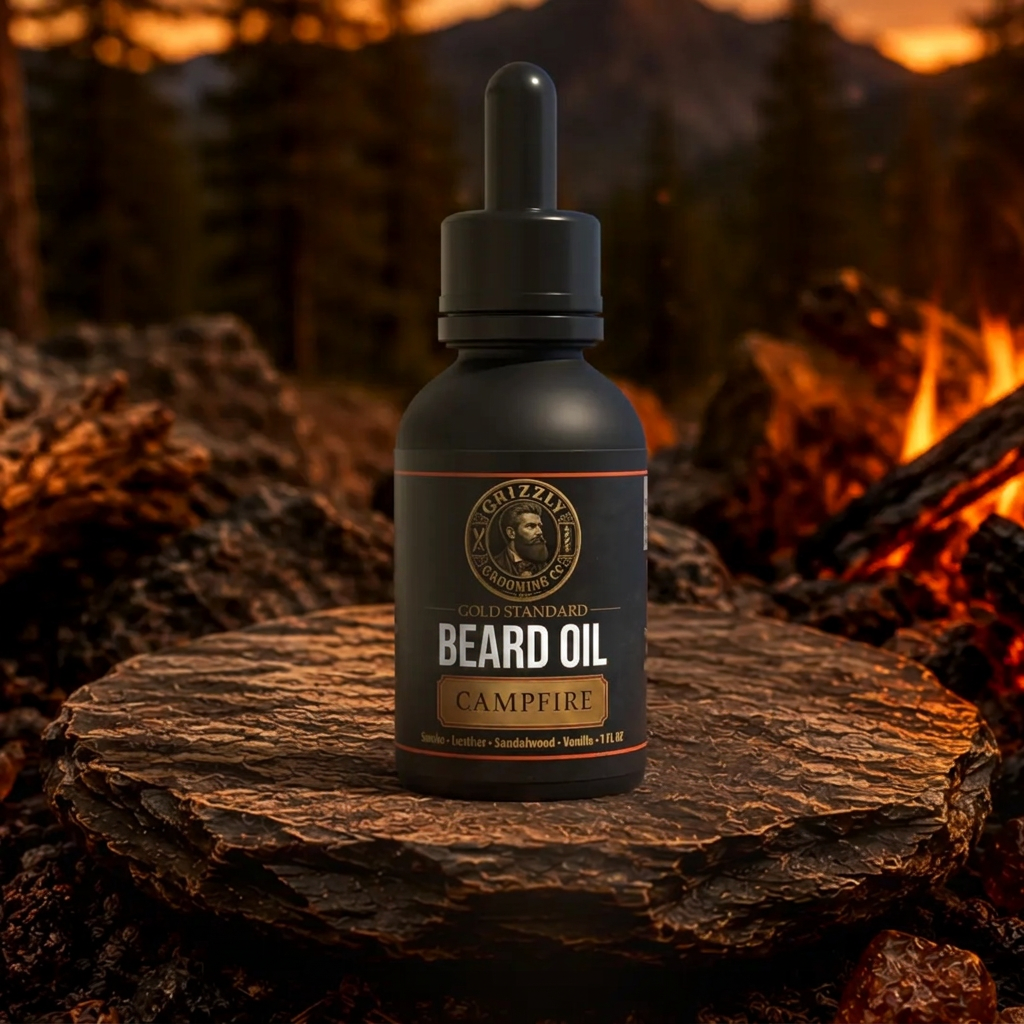
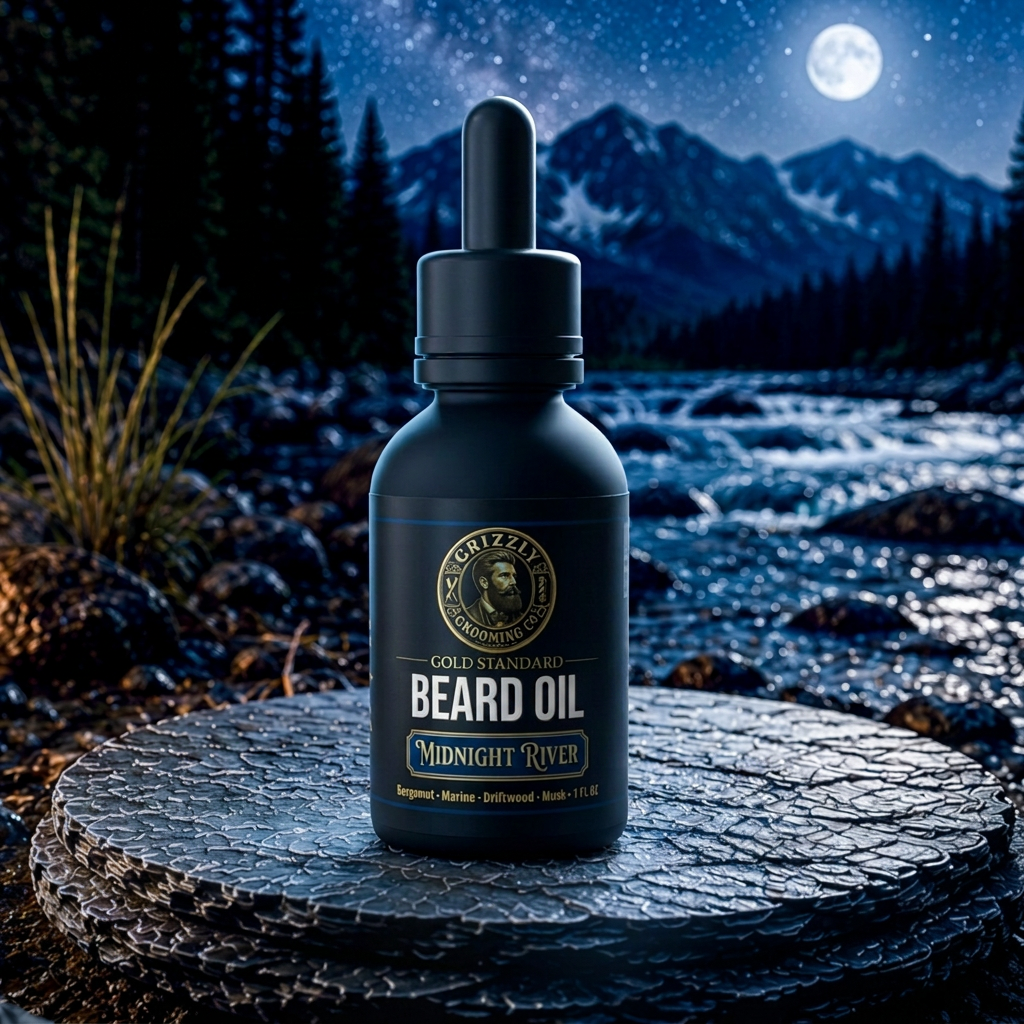
To combat this, apply a few drops of Grizzly Gold Standard beard oil to the skin twice daily. By hydrating the follicles at the root, you soften the emerging cuticle and soothe the underlying tissue. This prevents the inflammatory response that leads most men to reach for their razor prematurely.
Avoid using standard facial moisturizers that contain heavy silicones or alcohols. These can clog the pores of the developing beard, leading to folliculitis. A clean, plant-based oil blend mimics the sebum your skin is struggling to produce in sufficient quantities for the new hair load.
Defining the Perimeter
Around the ten-day mark, a beard can begin to look like neglect rather than a choice. The distinction lies in the perimeter. While the bulk of the beard should be left to grow, defining the neckline is essential for maintaining a professional appearance during the transition.
Find your neckline by placing two fingers above your Adam's apple; this is the lowest point your beard should reach. Trace a U-shape from this point up toward the back of your ears. Shaving everything below this line immediately creates the visual structure of a deliberate beard.
Be conservative with the cheek lines during the first month. Dropping the cheek line too early is a common mistake that is difficult to correct later. Simply remove the few outliers high on the cheekbones to keep the look intentional without sacrificing future density.
Cleansing Without Stripping
Standard bar soaps and hair shampoos are formulated to strip away heavy oils, which is catastrophic for a developing beard. The skin on your face is more sensitive than your scalp, and harsh surfactants like sodium lauryl sulfate will leave your beard feeling like sandpaper.
Switch to a specialized beard wash as soon as the stubble is visible. These formulas are designed to clean the hair while respecting the skin's pH balance. Washing two to three times a week is sufficient; over-washing will lead to dry skin and brittle hair fibers.
Rinse with lukewarm water rather than hot. High temperatures further dehydrate the follicles and can cause the skin to flake, leading to the dreaded 'beardruff' that often plagues the transition phase.
Training and Texture Control
By week four, the hair will have enough length to begin showing its natural growth pattern. This is the time to introduce a firm boar hair brush. Brushing does more than just style; it exfoliates the skin and distributes oils evenly down the hair shaft.
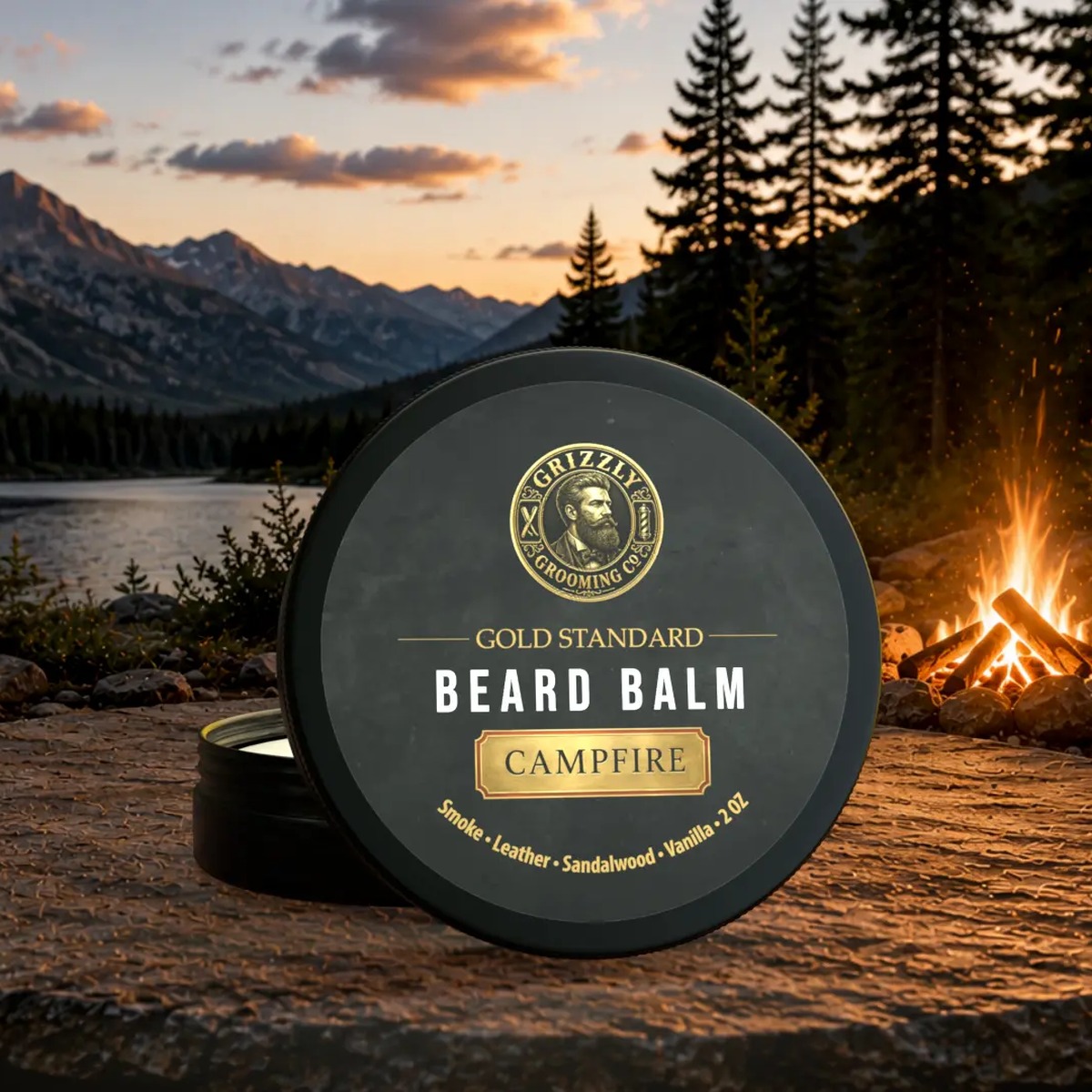
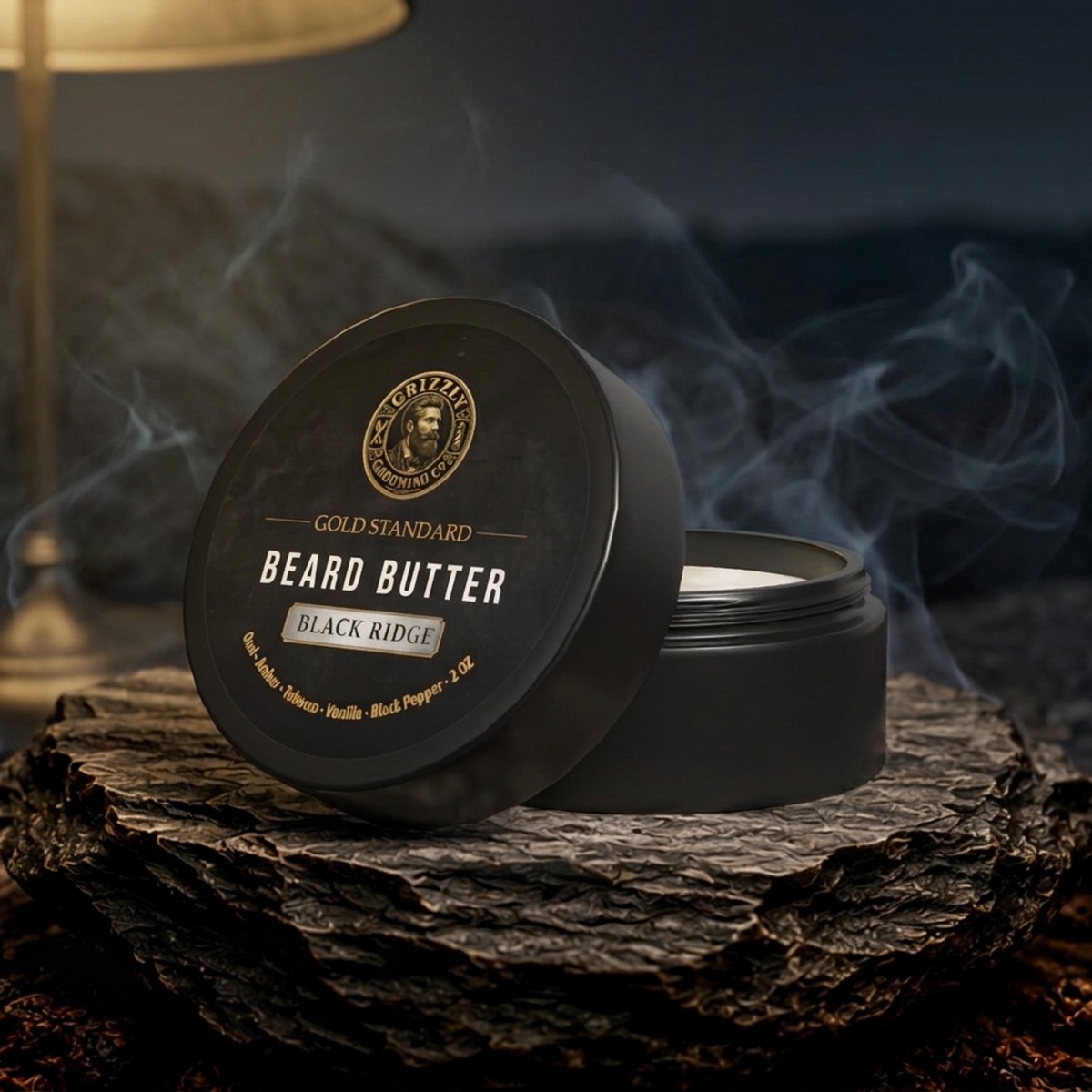
If the hair feels particularly stiff or wiry, incorporate a beard butter into your evening ritual. The higher concentration of shea or cocoa butter provides deep conditioning that oils alone cannot match, making the hair more pliable for daytime styling.
Consistency is the hallmark of a well-groomed transition. Establish a rhythm of morning oiling and evening brushing. This mechanical stimulation improves blood flow to the follicles, which can support a more consistent growth rate across the jawline.
Frequently Asked Questions
How long does the itchy phase usually last?
The intense itching typically lasts between one and two weeks. It is caused by the sharp ends of shaved hair curling back to poke the skin; once the hair grows long enough to soften and bend away, the sensation subsides.
When should I visit a barber for the first time?
Wait until you have at least four to six weeks of growth. This gives the barber enough bulk to see your natural growth patterns and patchiness, allowing them to shape the beard to fit your specific face shape.
Can I use hair conditioner on my beard during this transition?
It is not recommended. Scalp conditioners often contain heavy waxes that can cause breakouts on the face. Stick to a dedicated beard conditioner or beard butter designed for facial skin.
Build your ritual in 60 seconds.
Answer four questions and get a custom regimen — plus a 15% bundle discount.
Start The Ritual Builder