Mastering the Silhouette: Selecting the Best Beard Style for Your Face Shape
The difference between a haphazard growth and a deliberate style lies in the geometry of the trim. Professional barbers do not just cut hair; they sculpt a silhouette that balances facial proportions and reinforces the jawline. Understanding your specific face shape is the first step toward a look that is both intentional and sophisticated.
- ›Identify your bone structure by measuring the forehead, cheekbones, and jawline.
- ›Elongated faces require volume on the sides to prevent a sagging profile.
- ›Round faces benefit from length at the chin and trimmed sides to add definition.
- ›Squaring the jaw is achieved through structured weight in any beard length.
- ›Foundational maintenance with beard oil is essential for every style's finish.
The Oval Architecture: The Versatile Canvas
Men with oval face shapes possess the most symmetrical canvas for facial hair. Because the forehead is slightly wider than the chin and the jawline is rounded, most beard styles will complement this structure without necessitating corrective shaping.
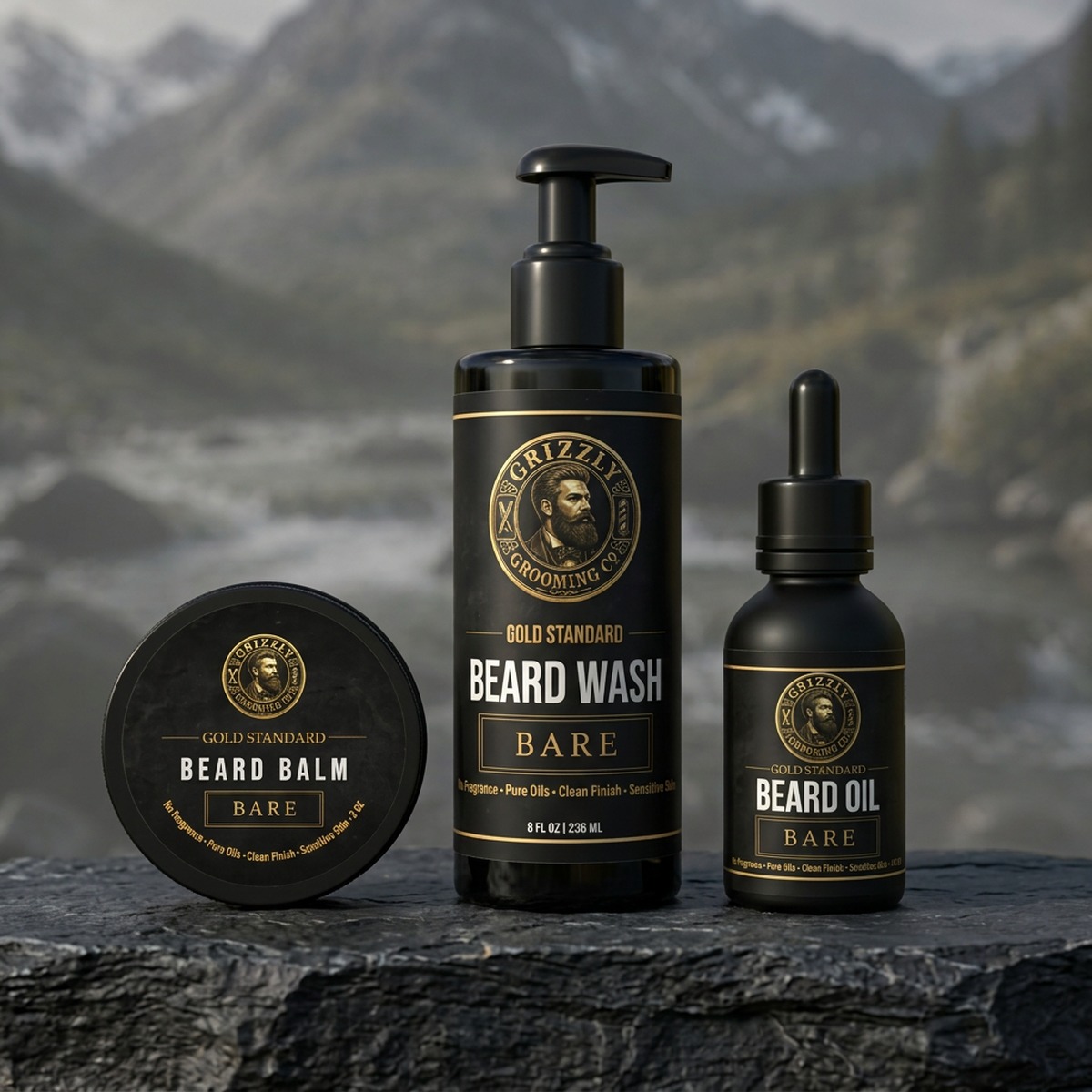
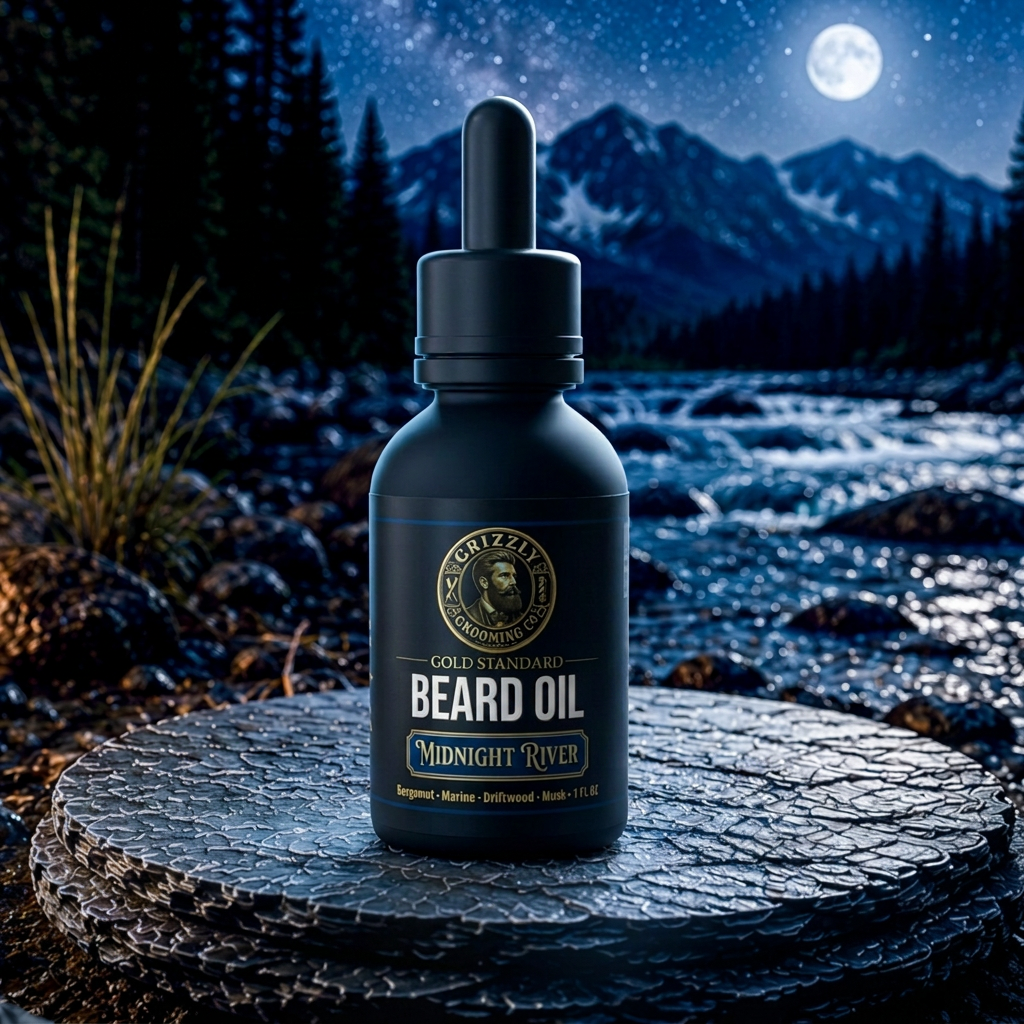
For the oval face, a classic corporate beard or a refined medium-length growth works exceptionally well. Focus on maintaining a clean neck line and using Grizzly Gold Standard beard oil daily to keep the hairs lying flat and polished.
Defining the Round Face: Crafting a Strong Jaw
A round face is characterized by similar width across the cheekbones and jaw, often lacking sharp angles. To counter this, the grooming objective is to elongate the appearance of the face and create the illusion of a more prominent chin.
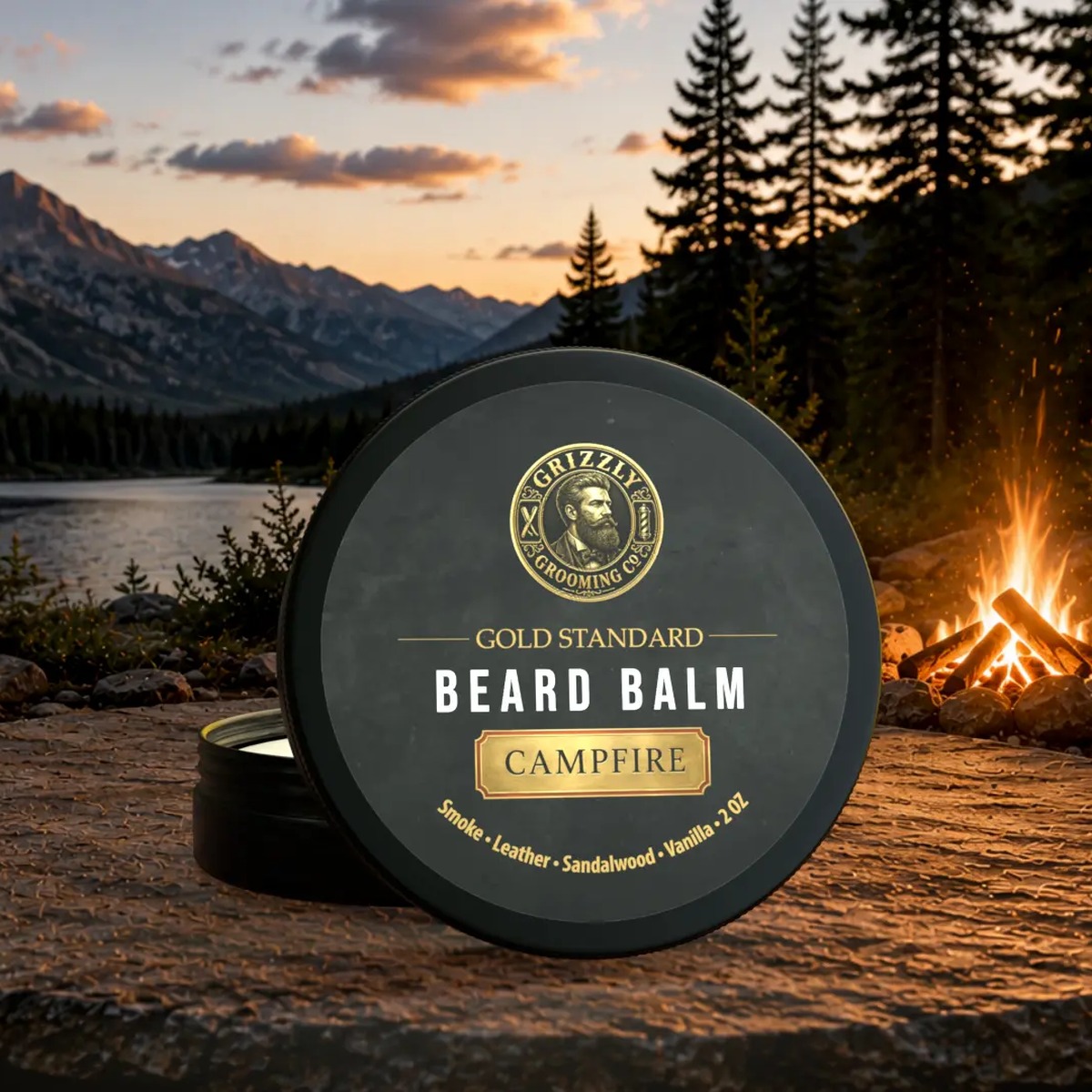
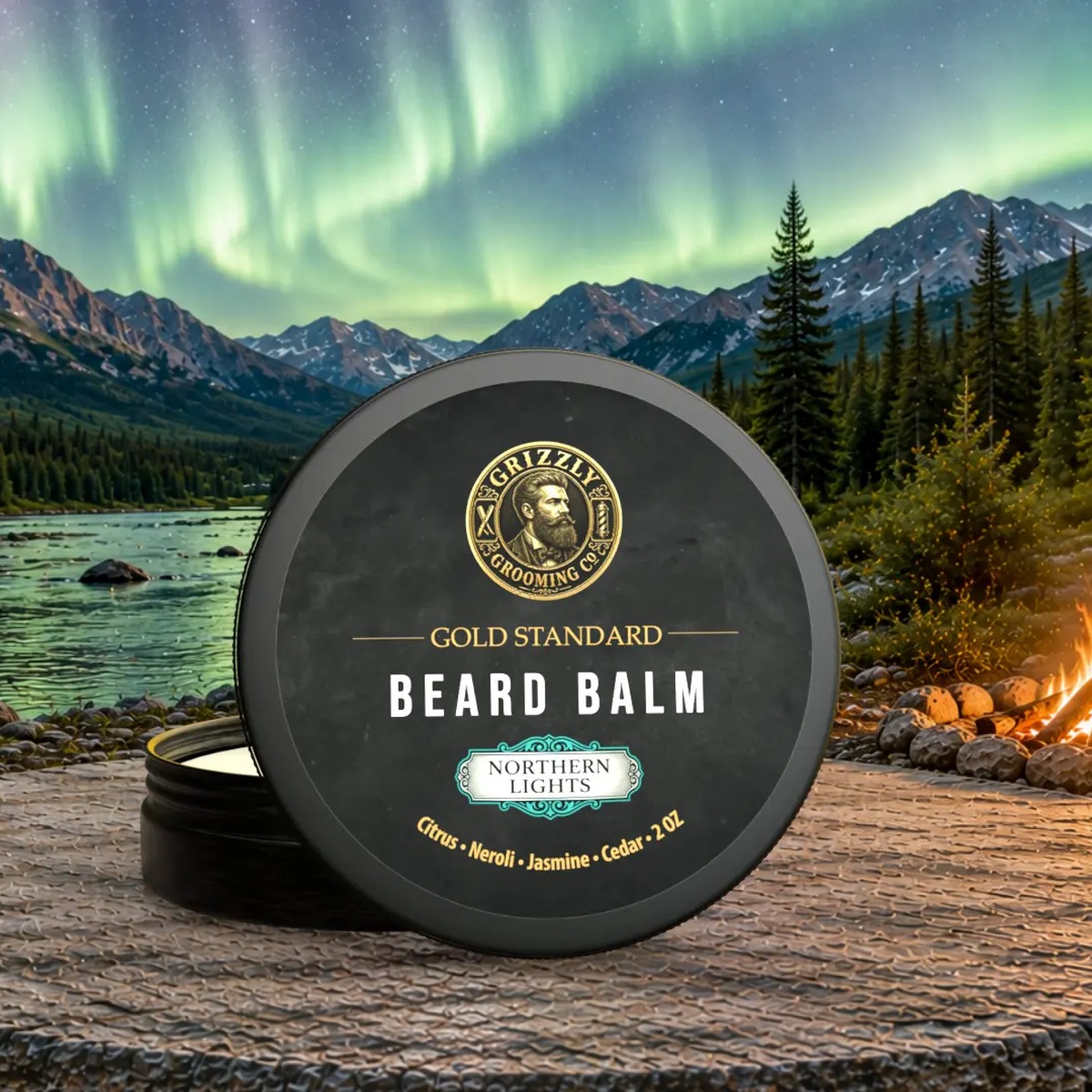
Keep the hair on the cheeks short to avoid adding horizontal bulk. Focus the length at the bottom of the chin to draw the eye downward. A structured goatee or a long, tapered beard are highly effective here, especially when molded into place using a firm beard balm.
The Square Profile: Softening the Edges
Square faces feature a broad jawline and a wide forehead, conveying a sturdy and masculine aesthetic. The goal here is not necessarily to hide the jaw, but to refine it so the face does not appear overly boxy.
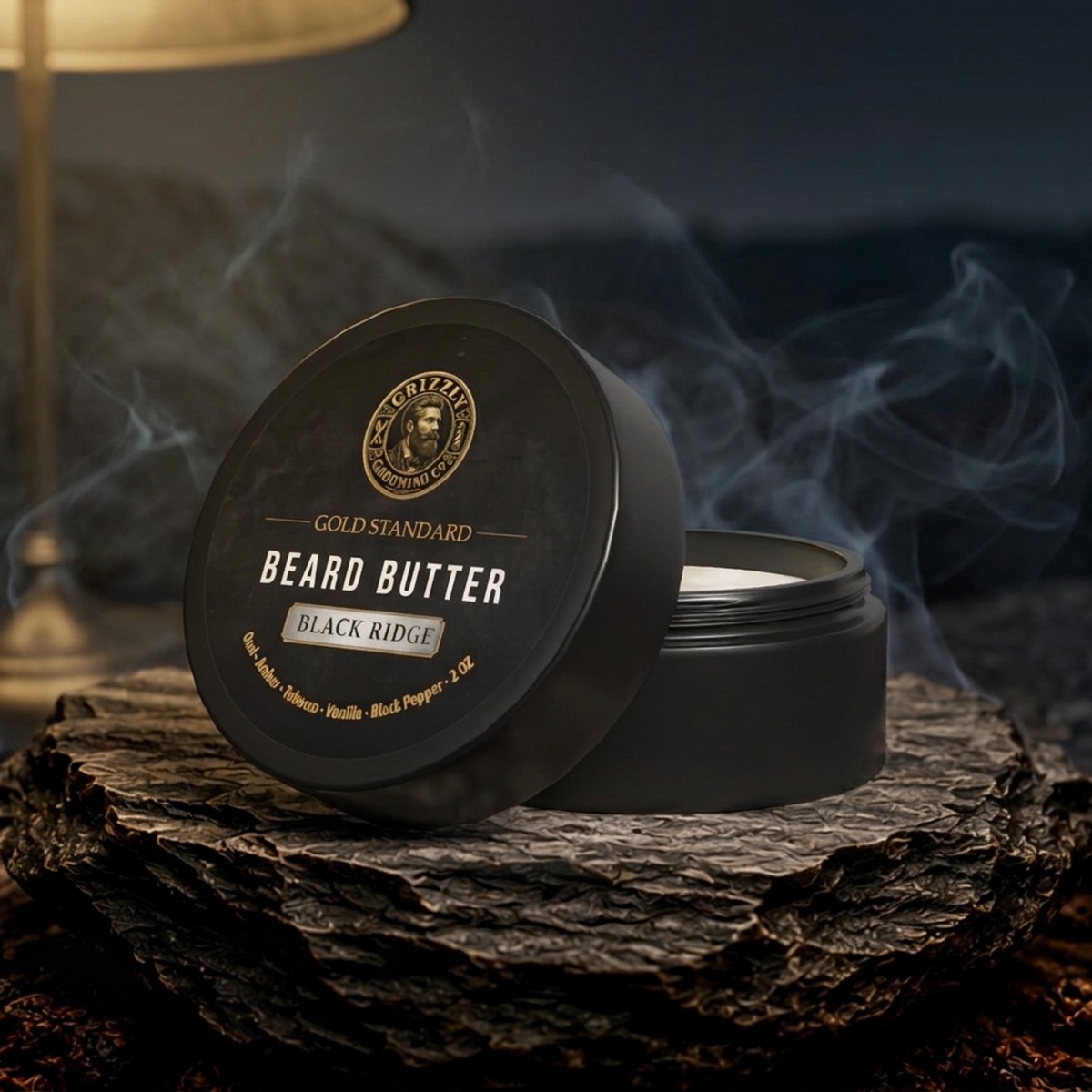
A heavy stubble or a rounded beard helps soften the sharp corners of the jaw. If you prefer more length, try a 'ducktail' style that tapers to a point at the chin. Ensure the hair remains soft and manageable with regular applications of beard butter to prevent unwanted frizz from distorting the shape.
Managing the Rectangular Face: Width Over Length
Rectangular faces are naturally long, meaning an overly long beard will only serve to make the face look stretched. Instead, grooming should focus on adding width to the sides of the face to balance the verticality.
Mutton chops or a full beard with thicker hair on the cheeks can effectively widen the face. Avoid pointed chins or high vertical growth. Before styling, use a quality beard wash and conditioner to ensure the hair is clean and volumized, allowing the sides to fill out properly.
The Heart and Diamond: Filling the Narrow Chin
Heart and diamond shapes feature a wider forehead or cheekbones that taper down to a narrow, pointed chin. These shapes require a beard style that adds significant mass to the bottom of the face to create balance.
A full, thick beard is the ideal solution for filling the hollow area around the jawline. Do not trim the hair too thin on the chin; rather, allow the bulk to grow out to provide a solid foundation. Regular use of a boar bristle brush will help train the hairs to grow in a uniform direction, enhancing the perceived thickness.
Frequently Asked Questions
How do I accurately determine my face shape at home?
Stand in front of a mirror and trace the outline of your reflection using a dry-erase marker. Alternatively, measure the width of your forehead, cheekbones, and jaw, then compare these to your total face length to see which dimension is dominant.
Can I change my beard style if I have thin or patchy growth?
Yes, regardless of your face shape, patchy growth is best managed by keeping the sides shorter and emphasizing the areas where growth is densest. Using a daily beard oil can also improve the appearance of the skin and hair, making a shorter style look more deliberate.
How often should I trim my beard to maintain its shape?
Most professional styles require a maintenance trim every 7 to 10 days to keep the lines crisp. This involves tidying the cheek and neck lines and removing any flyaways that interfere with the silhouette of your chosen shape.
Build your ritual in 60 seconds.
Answer four questions and get a custom regimen — plus a 15% bundle discount.
Start The Ritual Builder