Mastering the Jawline: Professional Strategies for Patchy Beards
A patchy jawline is often the result of uneven follicle density rather than a lack of growth potential. By understanding the geometry of the face and the proper application of structural styling, any man can create the illusion of a full, sharp profile.
- ›Lower the neckline to create a solid visual anchor.
- ›Maintain short, uniform lengths on the cheeks to emphasize the jaw.
- ›Utilize Beard Balm for its structural hold and volume-increasing properties.
- ›Focus on skin health beneath the hair to encourage dormant follicles.
- ›Brush hair downward and forward to bridge gaps in density.
Establish a Strategic Neckline
The most common mistake when dealing with a patchy jawline is trimming the neckline too high. When the hair is cut at the literal edge of the jaw, any thinness becomes immediately apparent against the skin. Instead, aim for a point approximately one finger-width above the Adam's apple, curving up toward the ears.
This lower line creates a darker 'shadow' of hair that acts as a foundation. Even if the hair on the jawbone itself is sparse, the density provided by the neck hair sitting behind it creates a three-dimensional depth that mimics a fuller beard.
The Physics of Beard Balm
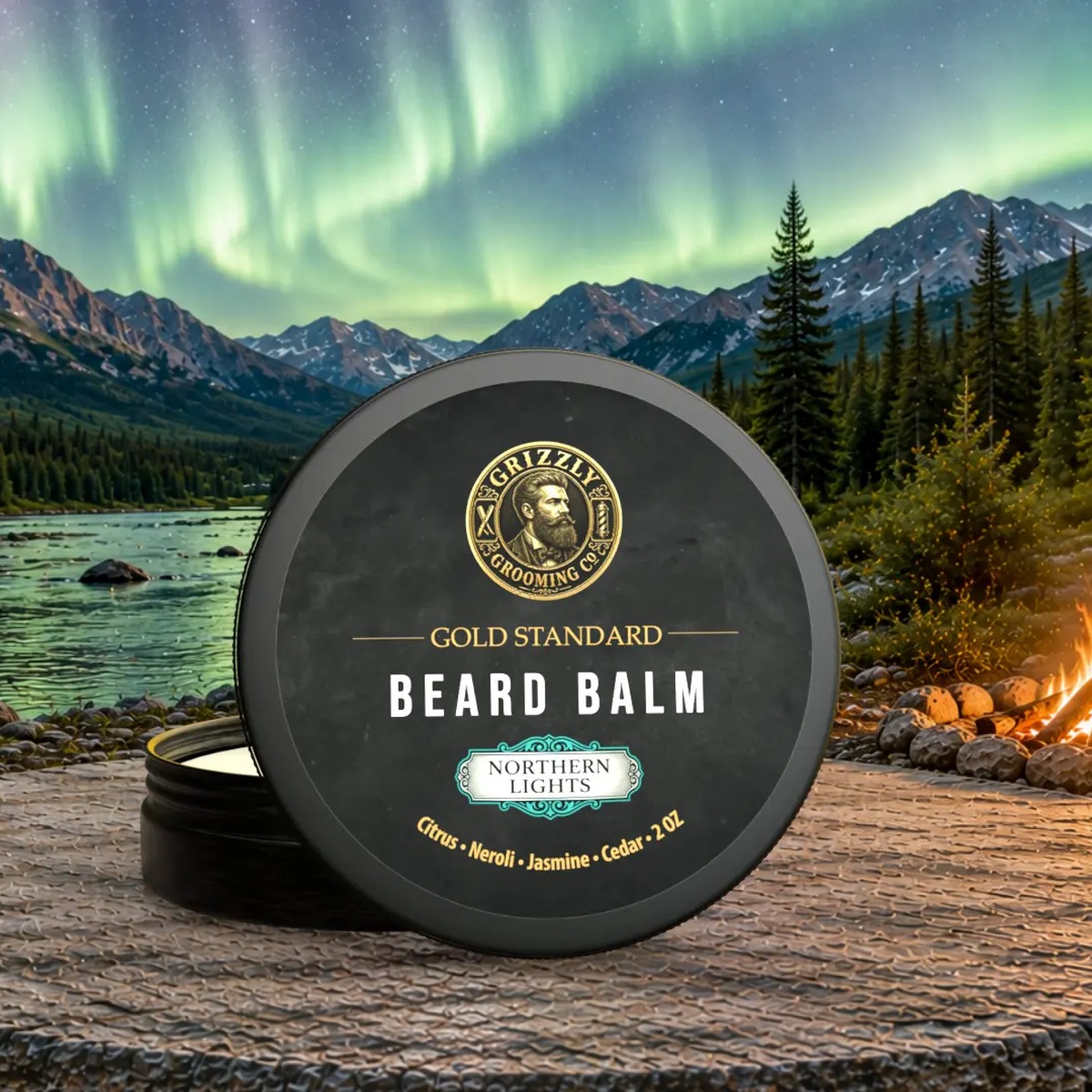
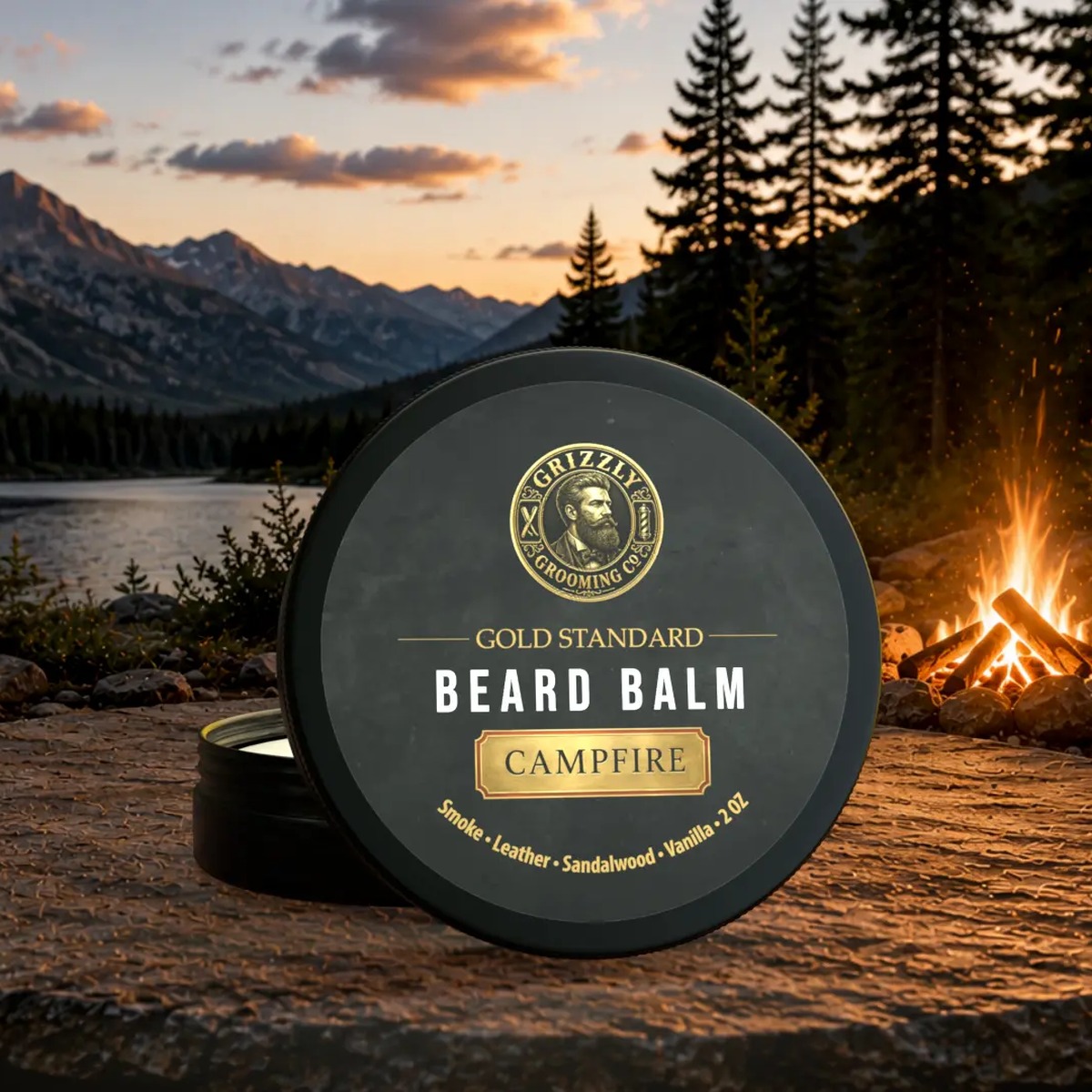
Beard oil is essential for hydration, but for a man struggling with patches, Grizzly Gold Standard Beard Balm is the superior tool. The inclusion of natural waxes provides a medium-weight hold that allows you to direct longer hairs over sparser areas, effectively masking gaps.
Furthermore, balm coats the individual hair shafts, increasing the diameter of each strand. This microscopic increase in thickness across thousands of hairs results in a significant boost in visual density, making the jawline appear more robust and less transparent.
Contrasting Lengths for Definition
Grooming a patchy beard is an exercise in managing contrast. If the cheeks are thick but the jawline is thin, the jaw will always look deficient. By trimming the cheek area to a shorter length—using a #2 or #3 guard—you reduce the visual competition.
When the cheeks are kept tight, the hair along the jawline appears more prominent by comparison. This technique, often called 'fading the beard,' draws the observer's eye to the lowest line of the beard, emphasizing the bone structure regardless of follicle count.
Internal Maintenance and Stimulation
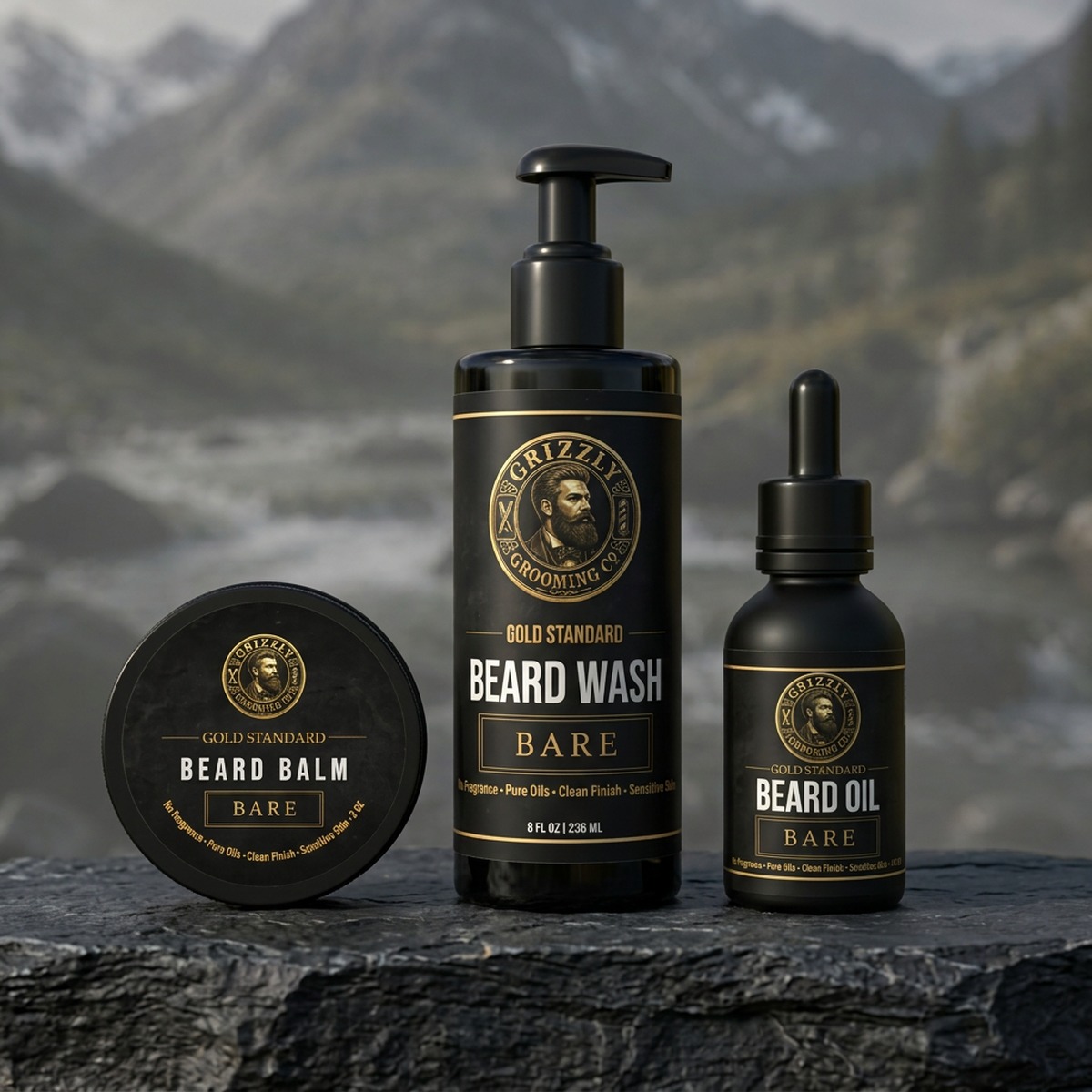
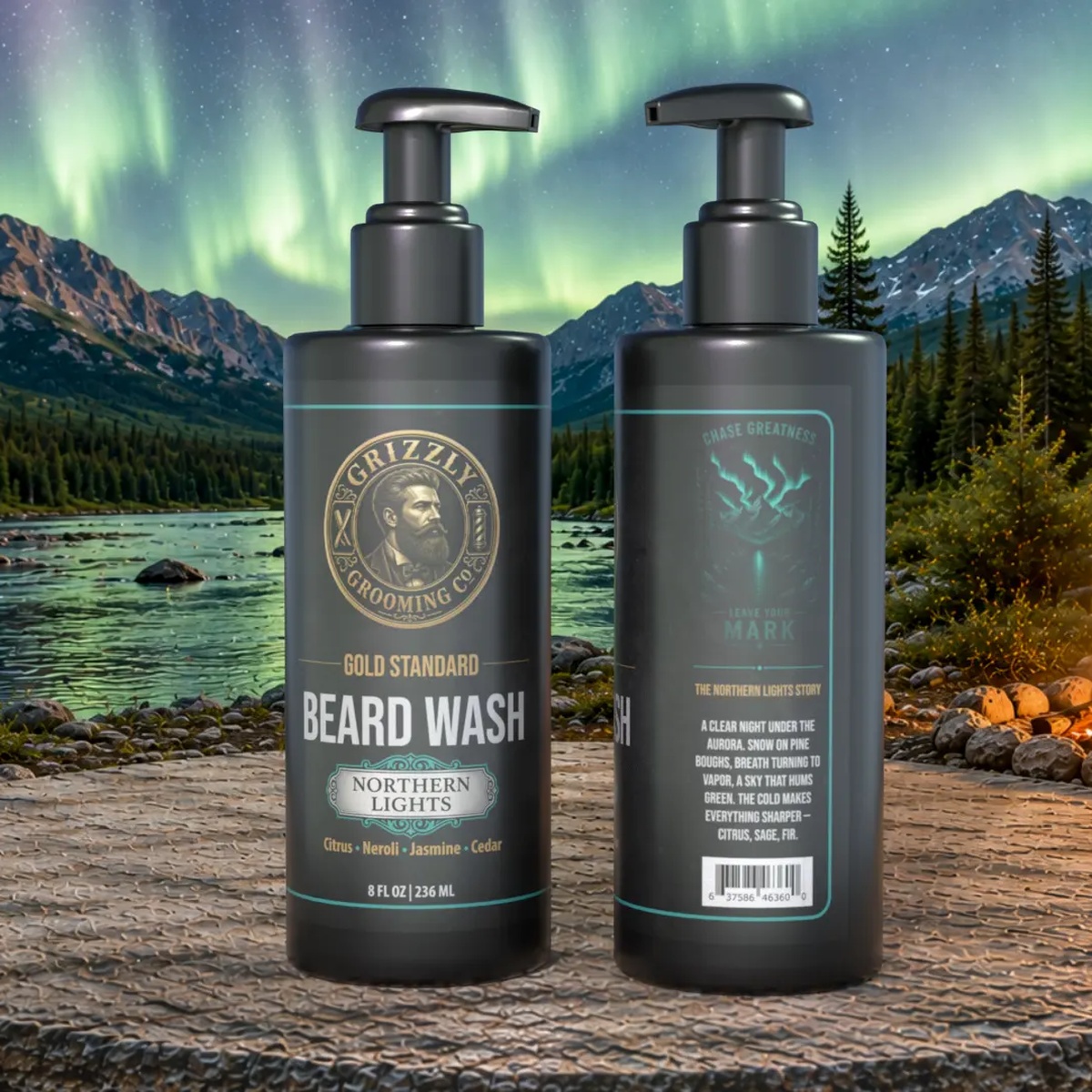
Surface-level styling must be supported by the health of the follicle. Stagnant growth often stems from poor blood circulation or a buildup of dry skin cells that obstruct the hair path. Using a dedicated beard wash removes these obstructions without stripping the sebum oils necessary for growth.
Consistent use of a boar bristle brush serves two purposes: it exfoliates the skin beneath the patch and stimulates blood flow to the surface. This increased circulation ensures that the nutrients required for keratin production are reaching the jawline effectively.
The Role of Patience and Time
Hair grows at different rates; terminal hairs on the chin often move faster than those on the jaw. What appears to be a permanent patch at week four may be completely covered by week twelve if the surrounding hairs are allowed to reach sufficient length.
Avoid the temptation to micro-trim every few days. Give the beard a full 90-day cycle to reveal its true map. Once you have length, you can use a high-quality mustache wax or balm to groom those longer hairs into the sparse zones for a seamless finish.
Frequently Asked Questions
Will shaving my patchy beard make it grow back thicker?
No. This is a common myth. Shaving gives the hair a blunt tip, which may feel coarser temporarily, but it does not change the follicle density or the biological growth rate. Only time and proper nutrition can influence actual density.
At what point should I give up on a patchy jawline?
We recommend the 12-week rule. Many follicles are in a resting phase and won't produce hair simultaneously. If after three months of consistent care and use of beard butter you still see significant gaps, consider a shorter 'heavy stubble' look which masks patches better than a long beard.
Does beard oil help with patches?
Beard oil helps by keeping the skin healthy and preventing breakage, which ensures you keep the hair you have. While it doesn't sprout new hair, it creates the optimal environment for growth and prevents the itch that leads many men to shave prematurely.
Build your ritual in 60 seconds.
Answer four questions and get a custom regimen — plus a 15% bundle discount.
Start The Ritual Builder