Mastering the Jawline: Professional Strategies for Patchy Beard Growth
A patchy jawline is often the result of uneven follicle distribution and slower growth cycles in the neck transition zone. Achieving a sharp profile requires a combination of patience and technical grooming rather than sheer length.
- ›Drop the neckline lower to create a structural foundation of weight.
- ›Prioritize skin health to ensure follicles aren't dormant due to inflammation.
- ›Use a boar hair brush to train longer hairs over sparser areas.
- ›Maintain high moisture levels with beard oil to prevent breakage and thinning.
- ›Avoid over-trimming the cheeks which can make jawline patches more obvious.
Establish a Strategic Neckline
The most common mistake men make with a patchy jawline is trimming the neckline too high. When you cut into the natural curve of the jaw, you remove the 'bulk' that provides the illusion of density from a profile view.
Instead, aim for a point approximately two fingers above the Adam's apple. By allowing the hair just below the jawbone to grow, you create a shelf of hair that supports the sparser areas on the jaw itself. This structural base is essential for a clean, deliberate look.
Use a high-quality trimmer to define this line once a week. Keeping the neck skin clean-shaven emphasizes the hair you do have, making the jawline appear more intentional and less like accidental growth.
Prioritize Follicle Hydration
Dry skin is the enemy of consistent growth. When the skin under your beard becomes dehydrated, it produces dander and inflammation, which can lead to premature shedding of the hair shaft. A patchy jawline often looks worse because the existing hairs are brittle and laying flat.
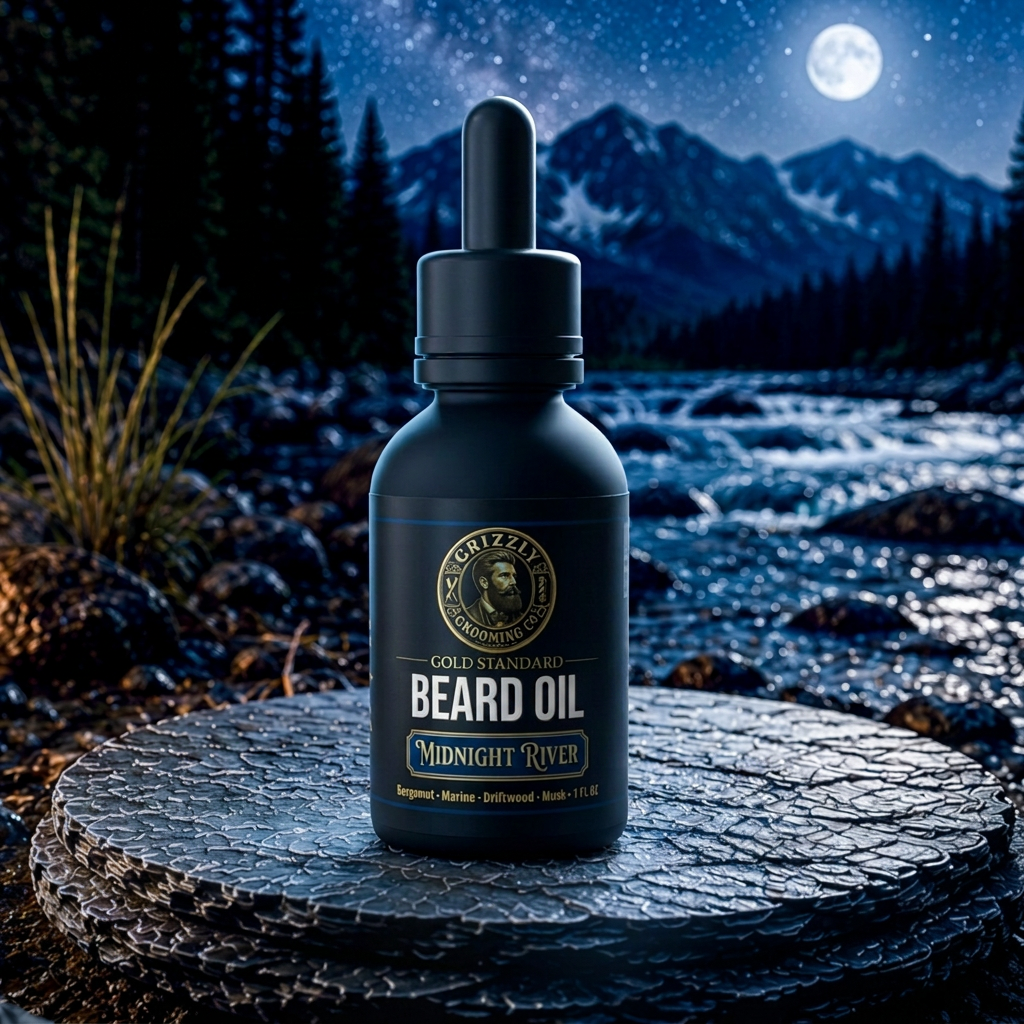
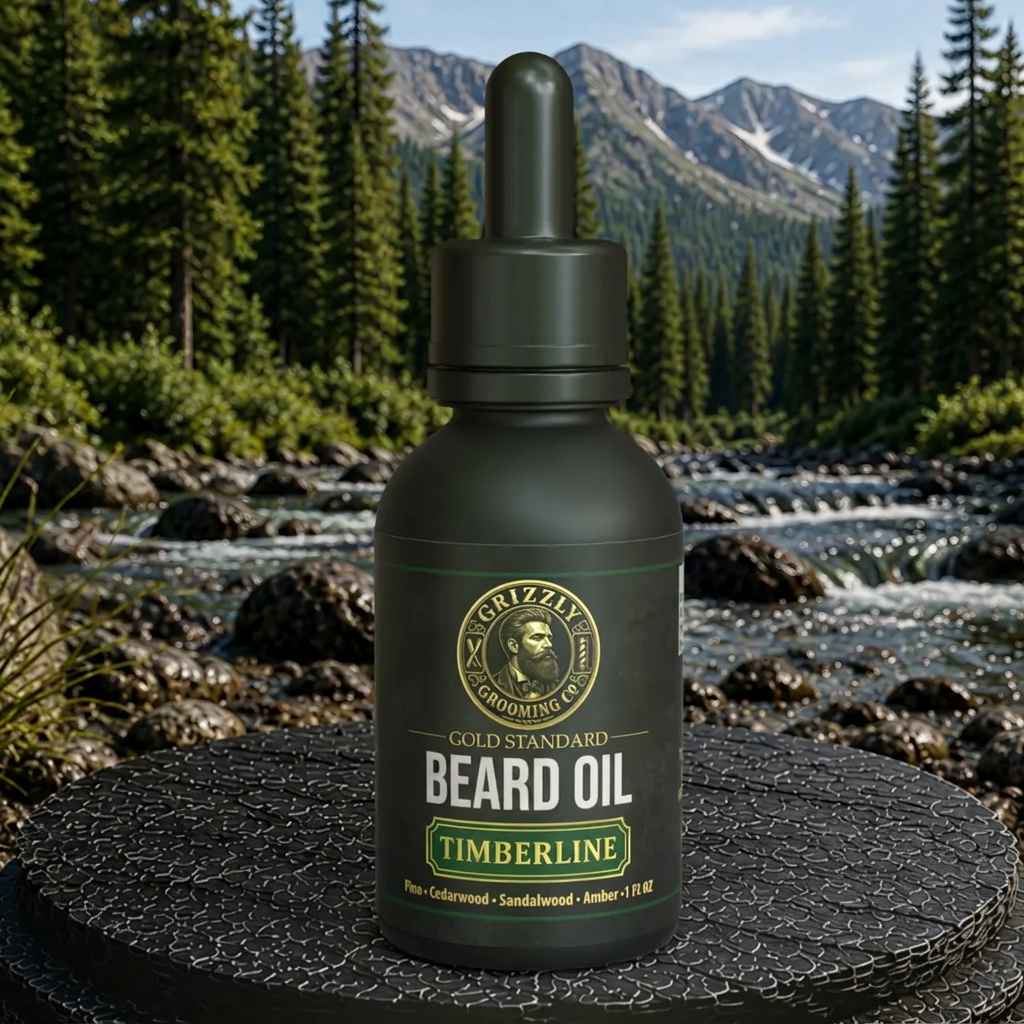
Applying a nutrient-dense beard oil daily is non-negotiable. Look for formulations containing jojoba and argan oils, which mimic the skin's natural sebum. This keeps the hair supple and the skin underneath elastic, providing the best possible environment for slower-growing follicles to catch up.
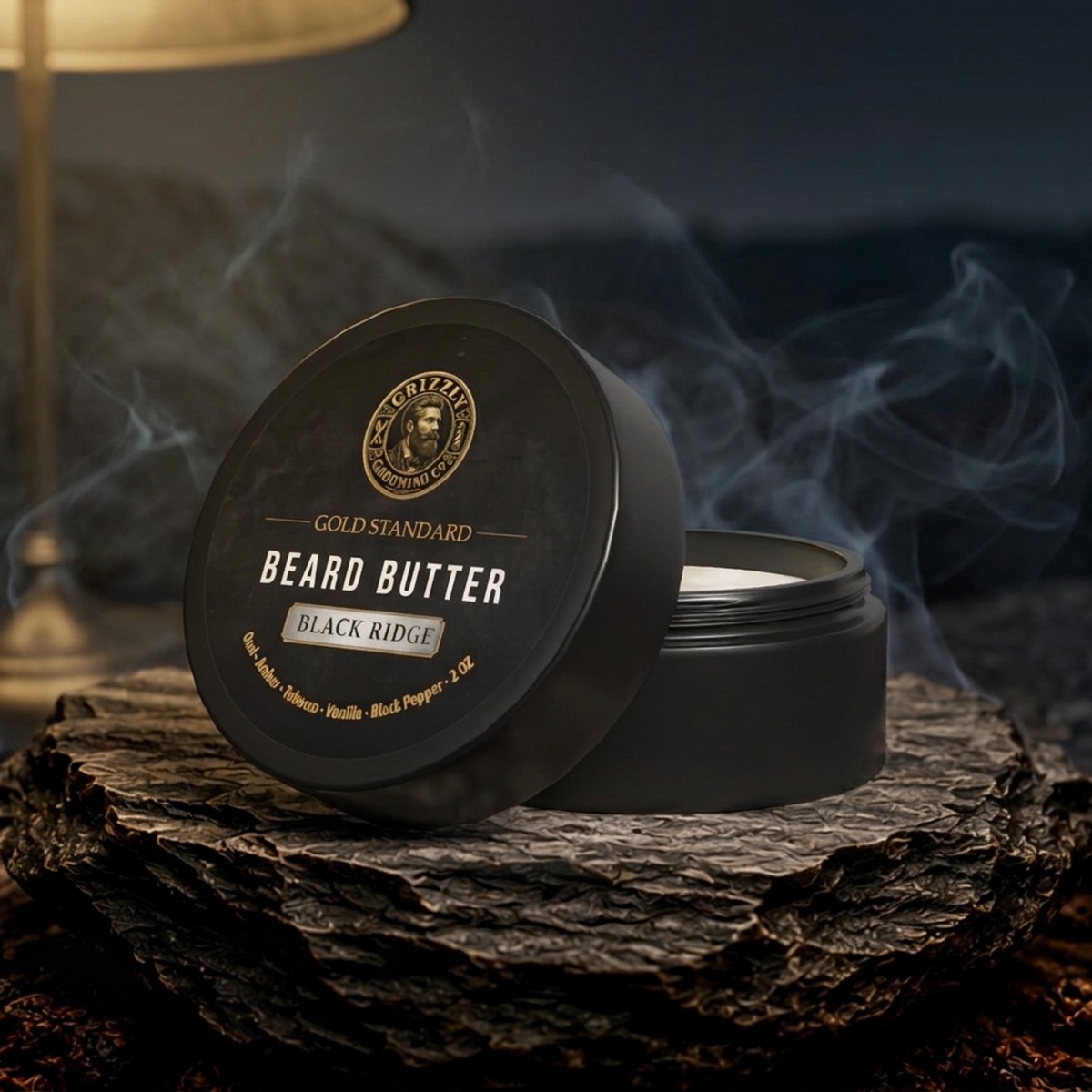
For those with significant gaps, a beard butter can provide a heavier coating. The shea butter base in Grizzly Gold Standard butter adds physical volume to each strand, helping the beard look fuller while providing deep conditioning throughout the day.
The Art of Directional Grooming
You can effectively mask smaller patches by training the surrounding hair to grow in a specific direction. Most jawline hair grows at an angle, often leaving the area directly below the ear looking thin.
Use a firm boar hair brush twice daily. The natural bristles redistribute your beard oil while physically prompting the hairs to lay over the sparse spots. Unlike plastic combs, boar hair creates enough tension to actually change the hair's resting position over time.
Consistency is key here. By brushing downward and slightly forward toward the chin, you utilize the density of your sideburns and chin to cover the transition zones along the jaw.
Patience and the Twelve Week Rule
Many men shave their beards off because of jawline patches at the four-week mark. This is a technical error. Beard hairs do not grow at a uniform rate; some follicles remain in the telogen phase longer than others.
Commit to a full twelve weeks of growth before making a final judgment on your jawline. During this time, only trim the flyaways and the neckline. You will often find that the 'patches' were simply slow starters that eventually fill in to meet the rest of the beard.
If density remains an issue after three months, keep the length of the jaw shorter—around a number 2 or 3 guard—while keeping the chin slightly longer. This 'tapered' look is a classic barber technique to minimize the visual impact of thin areas.
Frequently Asked Questions
Will shaving more often make my jawline beard grow back thicker?
No, this is a common myth. Shaving gives the hair a blunt tip, which may feel coarser, but it does not increase the number of follicles or the rate of growth. Only time and proper skin health can influence density.
Can beard oil actually fill in bald spots?
Beard oil cannot create new hair follicles where none exist. However, it prevents existing hair from breaking and keeps the skin healthy, which ensures that every follicle you have is producing at its maximum potential.
How do I know if my jawline patches are permanent?
If you have maintained a consistent grooming routine for four to six months and certain areas show zero growth, those may be naturally dormant areas. In this case, styling your beard into a corporate beard or a goatee is a professional way to work with your natural growth patterns.
Build your ritual in 60 seconds.
Answer four questions and get a custom regimen — plus a 15% bundle discount.
Start The Ritual Builder