Mastering the Foundation: Avoiding the Most Common Beard Care Error
The transition from a clean-shave to a full beard is often met with a frustrating period of irritation and coarse texture. Most men attempt to solve this by over-washing or ignoring the skin underneath, missing the critical step that defines a successful growth cycle.
- ›Prioritize skin hydration over hair styling to prevent the notorious beard itch.
- ›Apply beard oil to damp skin immediately following a shower for maximum absorption.
- ›Avoid generic soaps that strip natural sebum oils from your facial follicles.
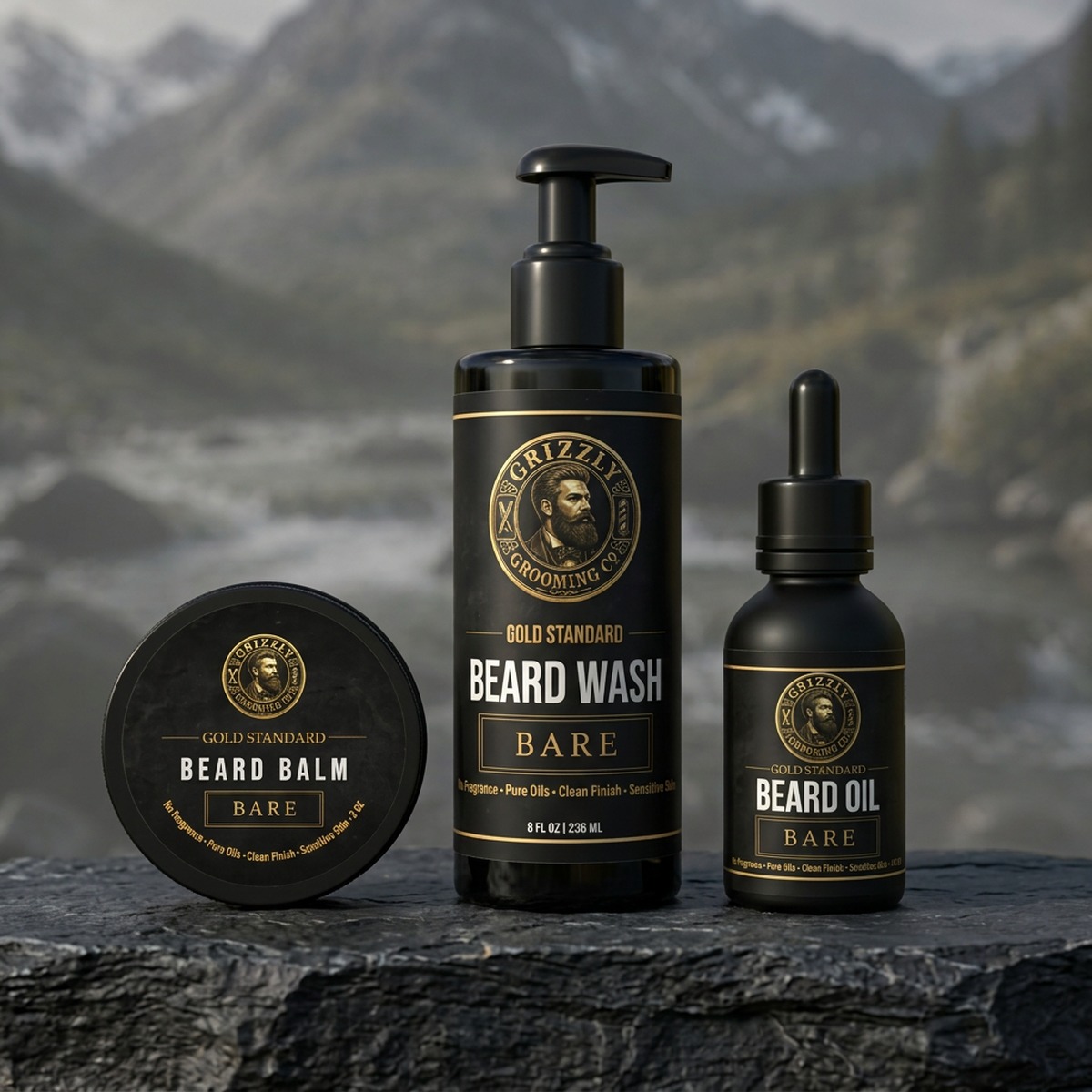
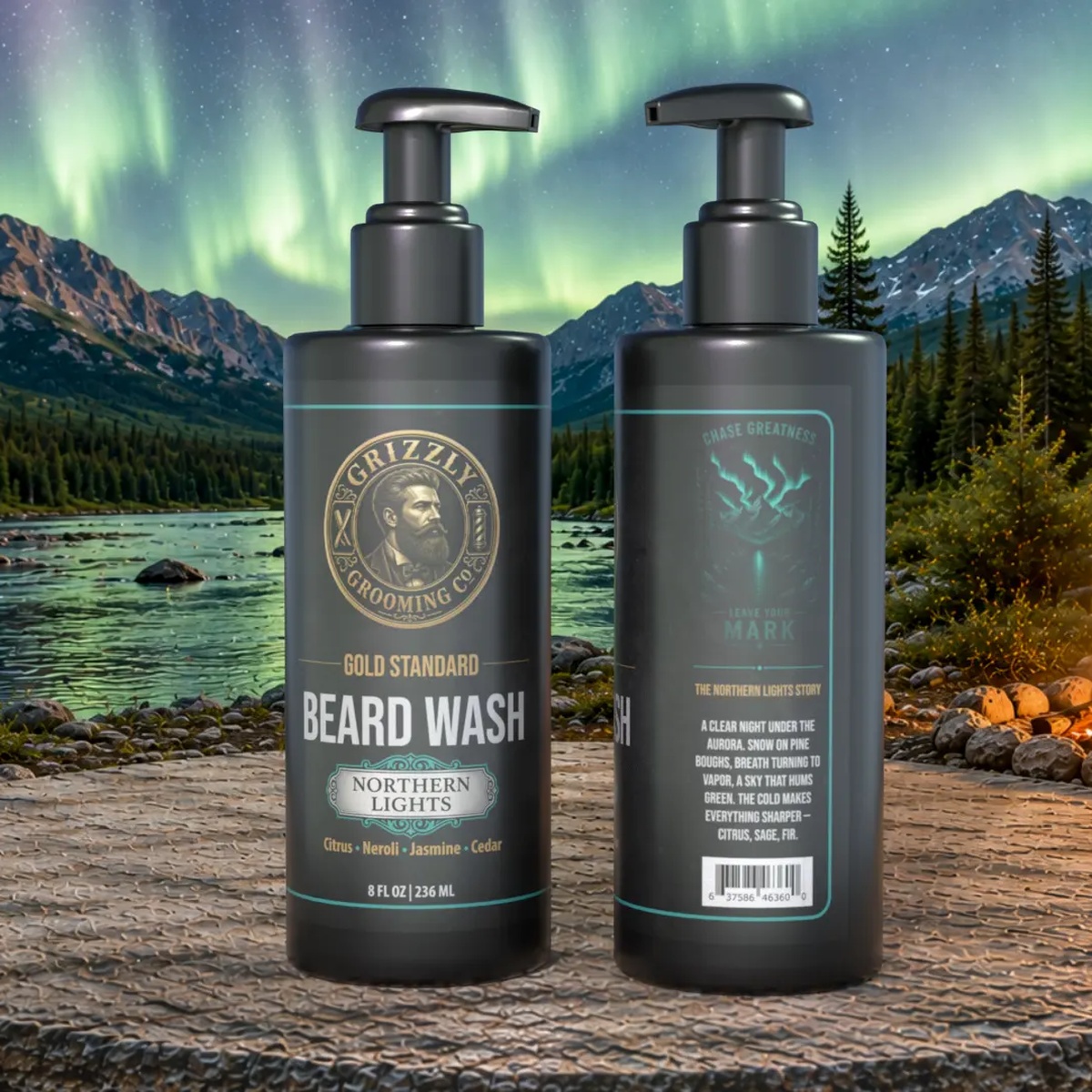
- ›Use a dedicated beard wash instead of standard hair shampoo to maintain pH balance.
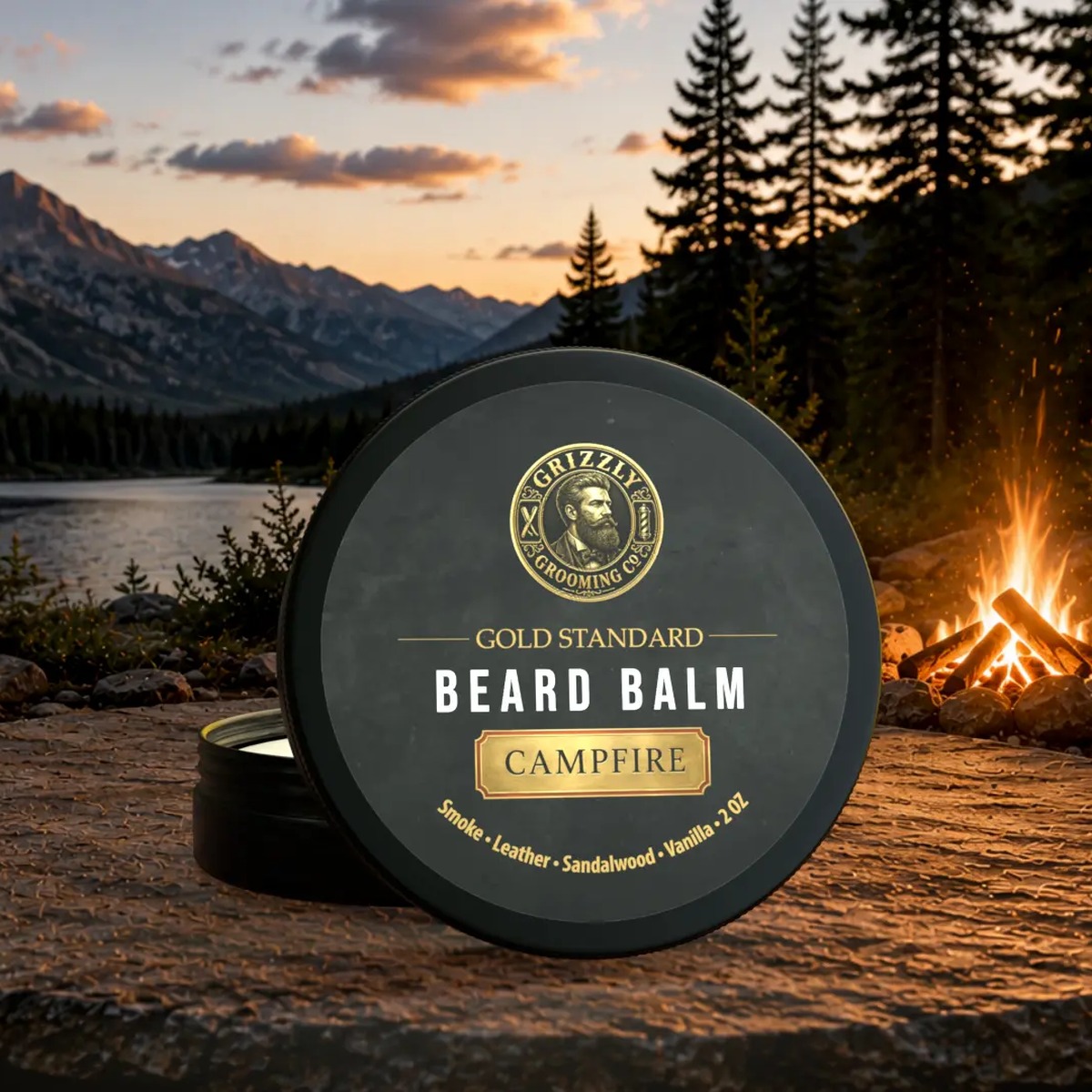
- ›Lock in moisture with a utility-focused beard balm to protect the hair shaft through the day.
The Hydration Gap in Beginner Grooming
The most prevalent mistake a novice makes is treating beard hair like the hair on their scalp. While scalp hair is fueled by an abundance of sebaceous glands, the face has a finite supply of natural oils. As your beard grows longer, it acts like a wick, drawing moisture away from the skin and leaving both the follicle and the dermis parched.
Without targeted intervention, this leads to 'beardruff' and brittle ends. The solution is not more water, but rather more lipid-based hydration. A professional-grade beard oil is designed to supplement your body's natural sebum, ensuring the skin remains supple even as the hair increases in length and density.
Timing Your Beard Oil Application
Applying oil to a dry, dirty beard is a waste of product. For the Grizzly Gold Standard results, your grooming routine must start with a warm shower. The heat and steam open the pores and soften the hair cuticle, creating the ideal environment for nutrient absorption.
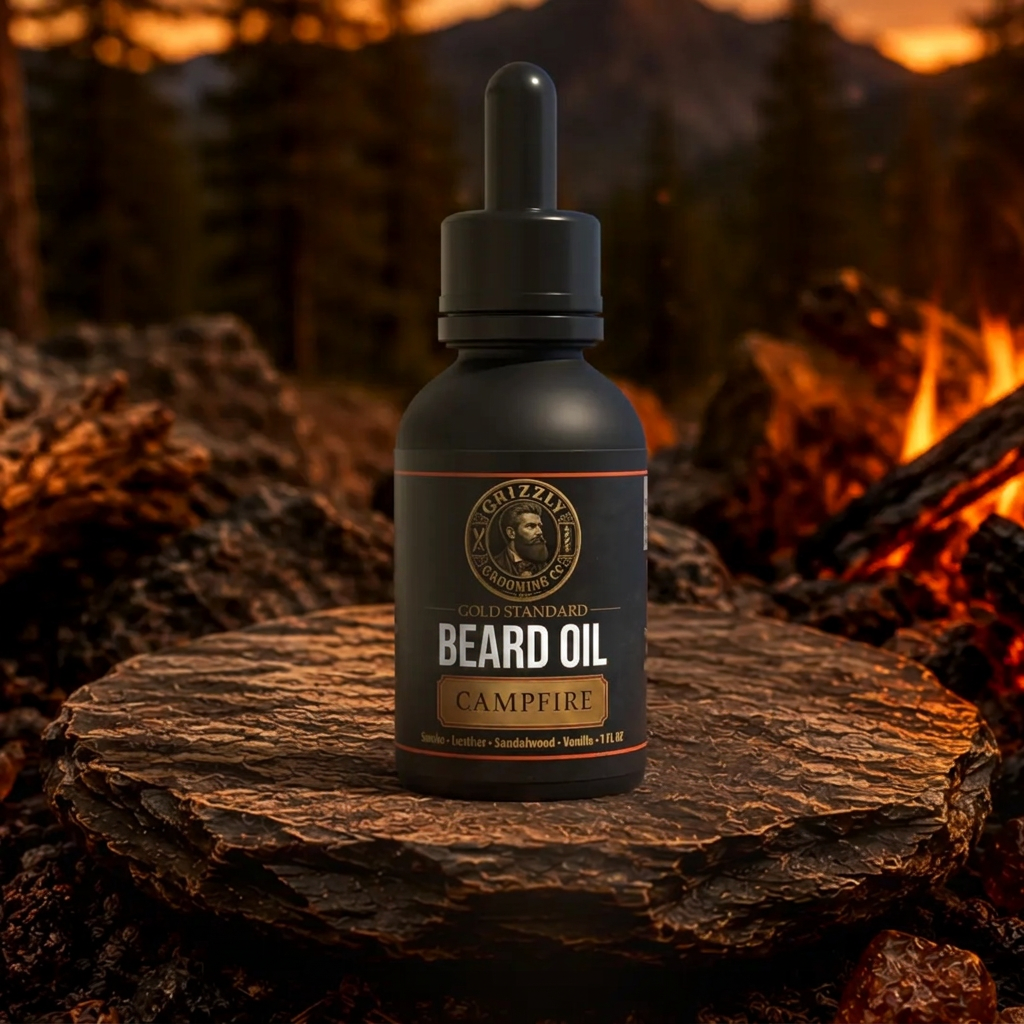
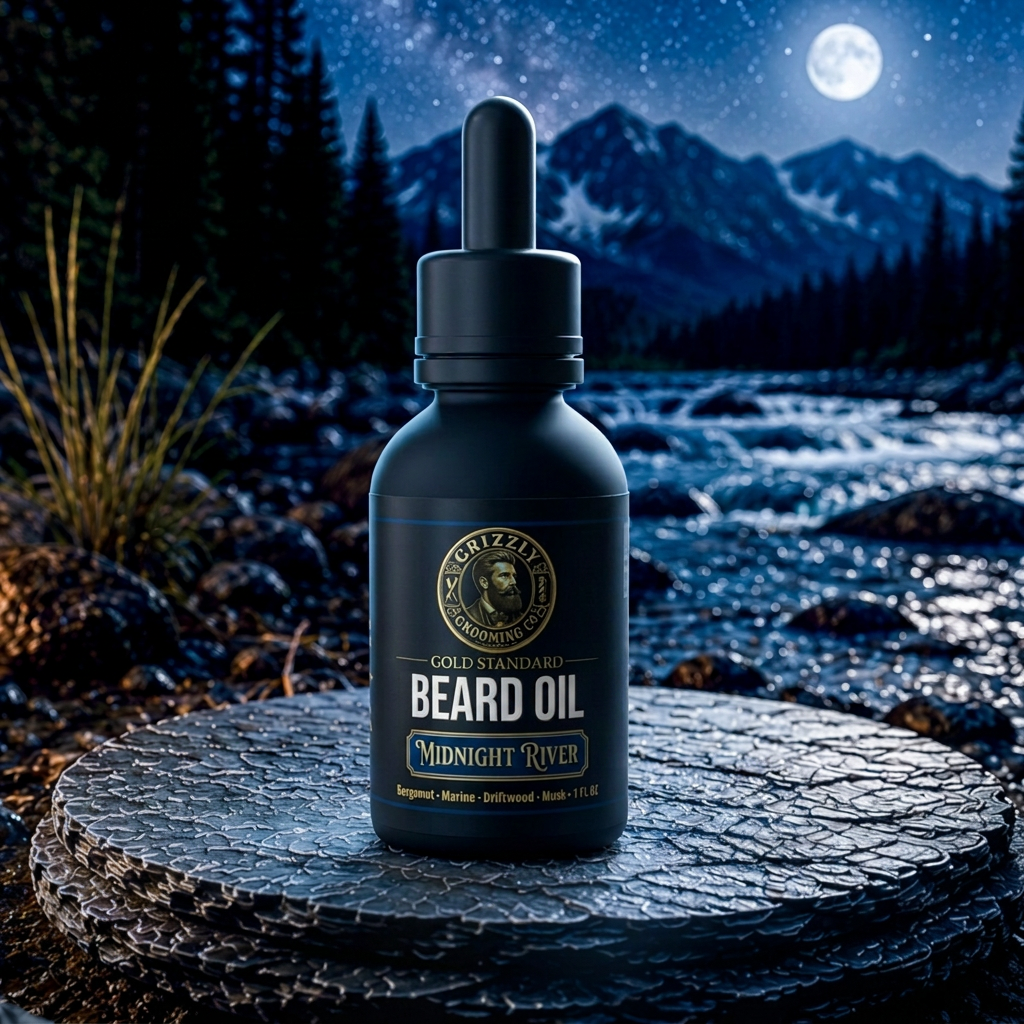
Towel dry your beard until it is slightly damp, then apply your oil. This traps the remaining water molecules against the skin. Start with three to five drops, warming the oil between your palms before massaging it deeply into the skin. The goal is to treat the source of growth, not just the surface of the hair.
The Critical Role of Beard Wash
Standard bar soaps and hair shampoos are formulated with harsh surfactants designed to strip away heavy oils. On the face, these chemicals are too aggressive. They disrupt the delicate pH balance of your facial skin, leading to redness and the dreaded beard itch that causes many men to shave prematurely.
Switching to a dedicated beard wash ensures you are removing environmental debris and dead skin without compromising your natural moisture barrier. A quality wash should be used no more than two to three times a week, allowing your natural oils to do their work on off-days.
Sealing the Cuticle with Beard Balm
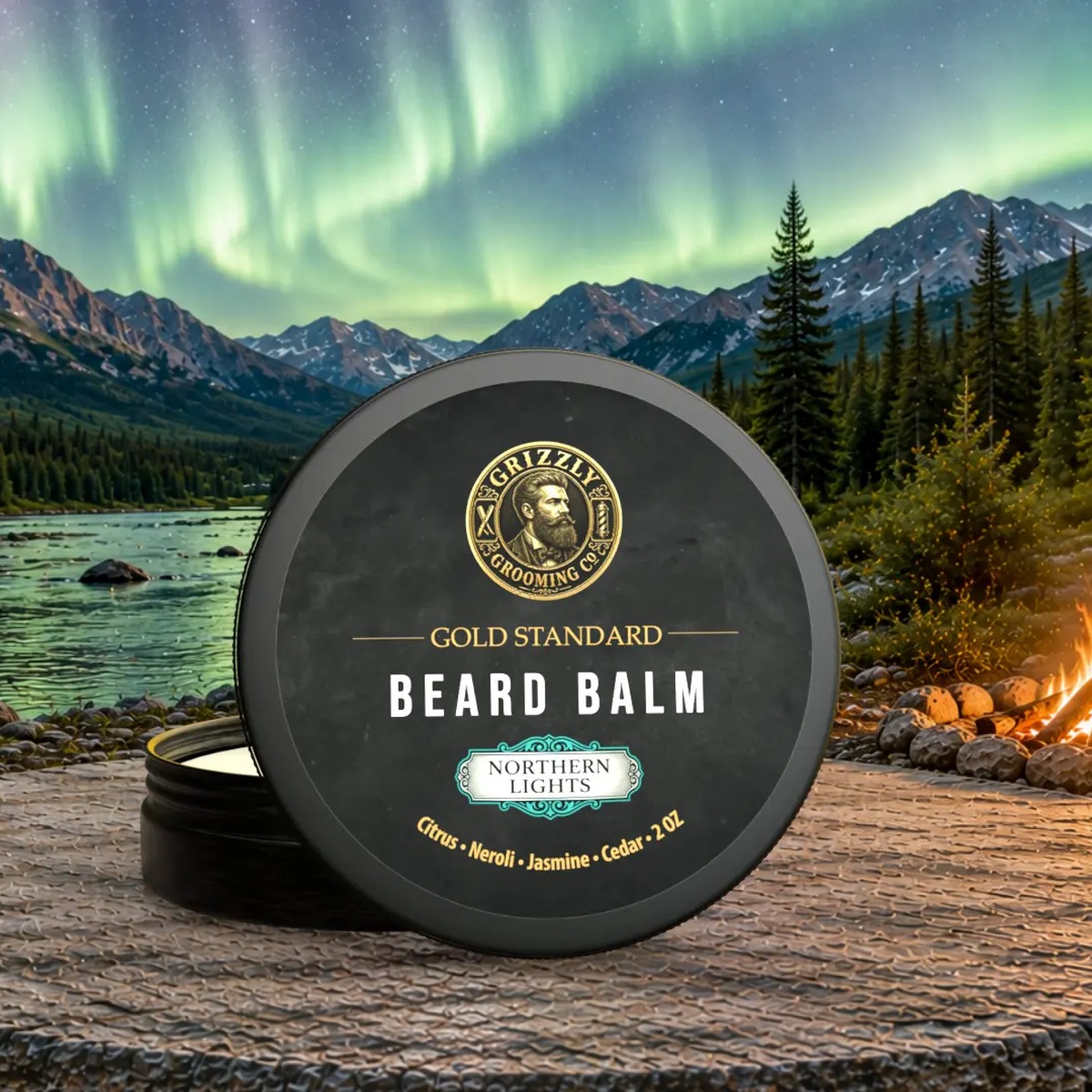
While oil manages the skin, beard balm is for the hair itself. A beginners mistake is stopping at oil and leaving the hair vulnerable to the elements. A balm containing beeswax and shea butter provides a light protective layer that seals the hair cuticle and prevents split ends.
This second layer of defense is particularly important for men in dry or cold climates. By applying a small amount of beard balm after your oil has settled, you provide a functional hold that keeps stray hairs in place while ensuring the hydration delivered by your oil doesn't evaporate throughout the day.
Frequently Asked Questions
Why does my beard feel itchy even after using oil?
Itchiness often persists if you are applying oil only to the hair and not reaching the skin underneath. Ensure you are massaging the product into the dermis, and check that your beard wash isn't too harsh, as sulfate-heavy soaps can cause chronic dryness.
How many times a day should I apply beard products?
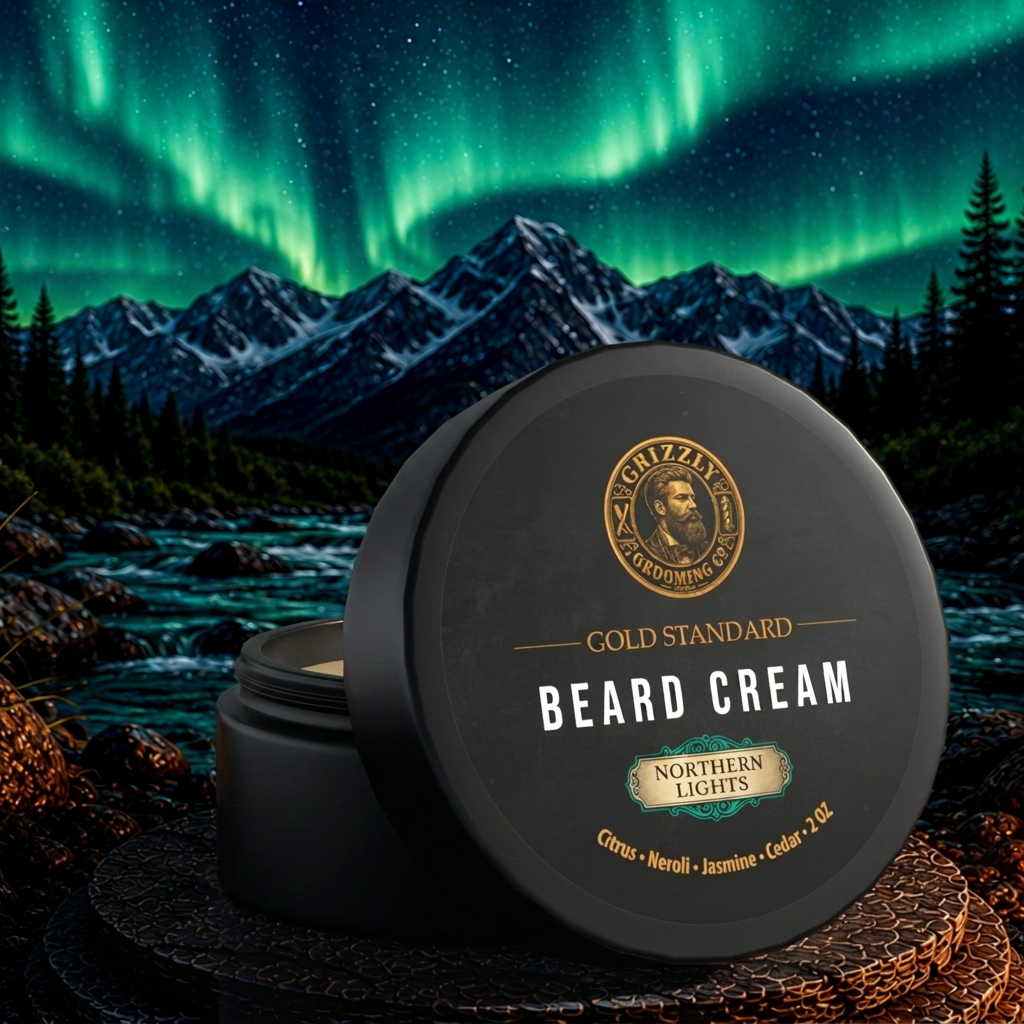
For most men, a single application of beard oil in the morning is sufficient. However, if you live in a very dry climate or have an exceptionally long beard, a second light application of beard butter in the evening can help maintain softness overnight.
Can I use regular hair conditioner on my beard?
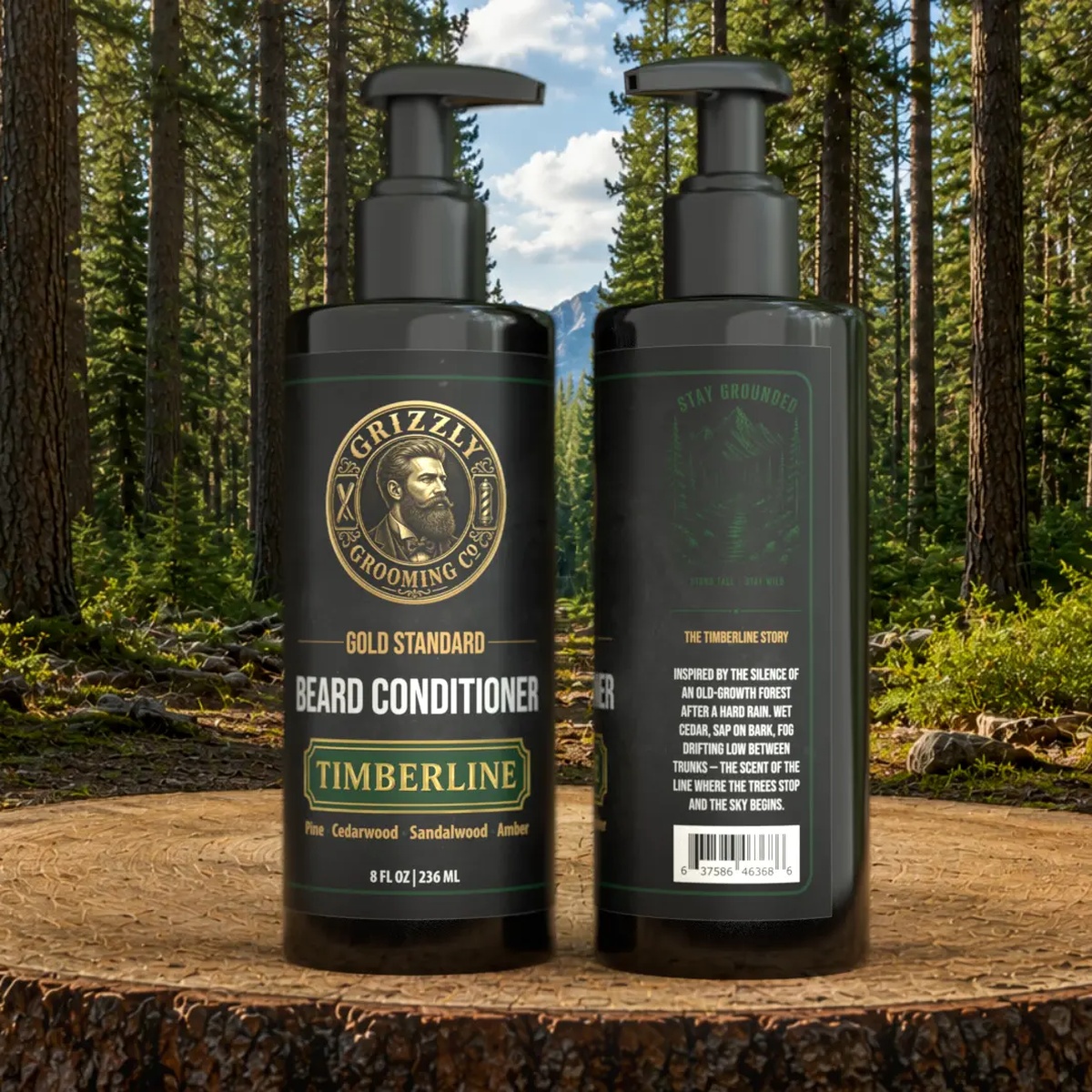
It is not recommended because the skin on your face is much more sensitive than your scalp. Regular conditioners often contain silicones that can clog facial pores and lead to breakouts; use a specifically formulated beard conditioner instead.
Build your ritual in 60 seconds.
Answer four questions and get a custom regimen — plus a 15% bundle discount.
Start The Ritual Builder