
Mastering the Connection: Practical Steps to Link Your Mustache and Beard
The gap between a mustache and a beard is often the most frustrating hurdle in facial hair growth. Achieving a full connection requires a blend of genetic patience, technical trimming, and the consistent use of high-quality topical nutrients.
- ›Prioritize length over immediate neatness to bridge physical gaps.
- ›Utilize beard oil daily to maintain the health of hair follicles in the connection zone.
- ›Avoid over-trimming the 'bridge' area during the first twelve weeks of growth.
- ›Apply mustache wax to train hair direction toward the beard line.
- ›Address skin health beneath the hair to prevent breakage and stalling.
The Twelve-Week Rule for Connection
The primary reason most men fail to see a connection is premature trimming. Facial hair grows at approximately 1.25 centimeters per month, but the hair at the corners of the mouth often has a shorter growth cycle or a slower rate than the rest of the chin.
Commit to a full twelve weeks of growth without touching the area between the mustache and the beard. This allows hairs with different growth cycles to catch up, creating the necessary density to bridge the skin gap naturally.
The Role of Follicle Stimulation
Blood flow is the primary driver of hair health. By using a firm boar hair brush daily, you exfoliate the skin and draw blood to the surface of the follicle, which can assist in waking up dormant hairs in sparse patches.
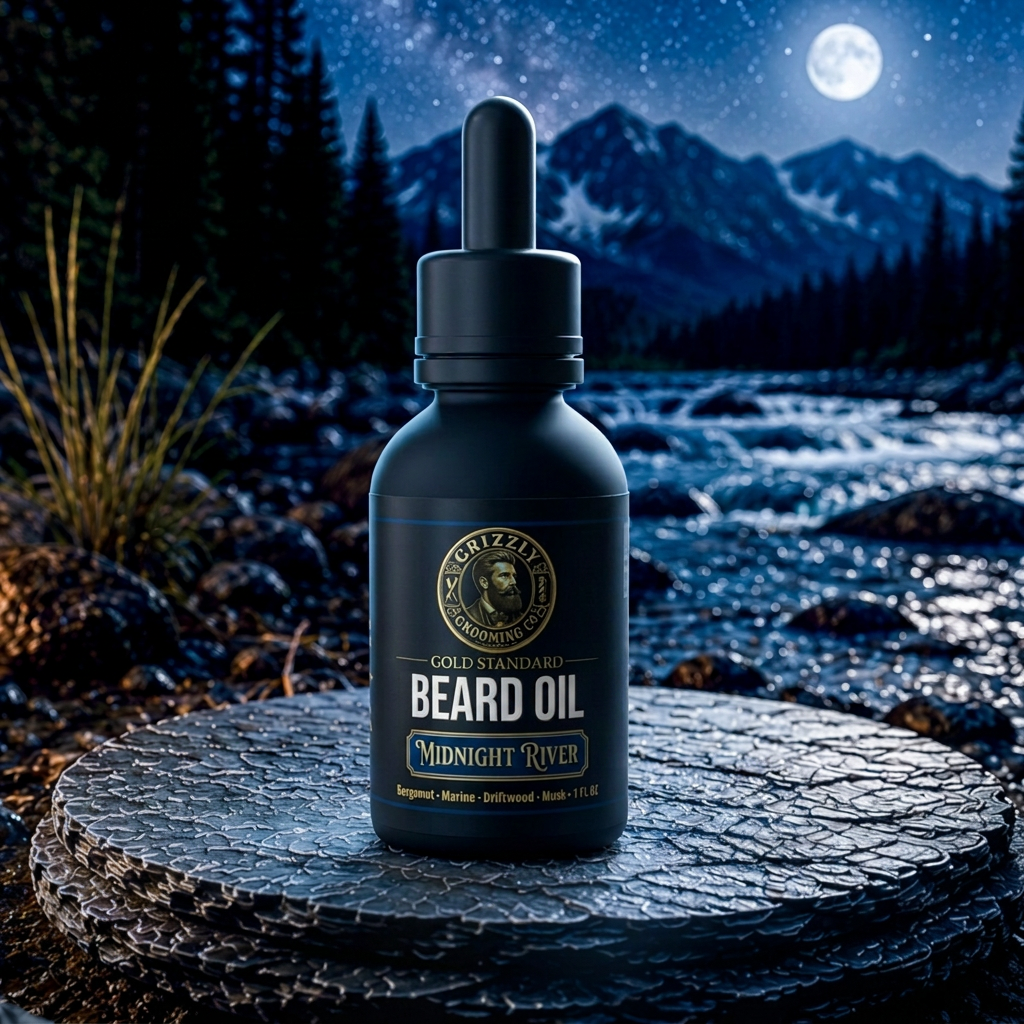
Following exfoliation, applying Grizzly Gold Standard beard oil provides the essential fatty acids needed to keep the hair pliable. Dry hair becomes brittle and snaps off before it can reach the length required to connect with the beard.
Training Growth Patterns with Wax
Sometimes the hair is present but grows in the wrong direction. If your mustache grows directly downward rather than outward toward the cheeks, it will never appear to connect.
A firm mustache wax is an essential tool for redirection. By applying a small amount and combing the hair at a 45-degree angle toward the jawline, you can bridge gaps visually while the hair continues to gain physical length.
Strategic Trimming for Density
Counterintuitively, keeping the rest of your beard slightly shorter can make a weak connection point look more intentional and dense. If the beard is overwhelming, the gap becomes more pronounced by contrast.
Work with a barber to taper the hair around the mouth. By removing bulk from the excessive areas of the beard, the eye is drawn to the lines of the mustache, making the connection appear more robust even if the hair is slightly finer in that zone.
Internal and External Health
Hair is a non-essential tissue, meaning your body only prioritizes it when your internal health is optimized. Ensure your diet is rich in Biotin, Zinc, and Vitamin D to support the keratin production necessary for connector hair.
Externally, avoid harsh detergents. Using a dedicated beard wash instead of standard bar soap preserves the natural sebum oils that keep the connector hairs from becoming wiry and unmanageable.
Frequently Asked Questions
Why does my mustache stop growing before it reaches my beard?
This is likely due to your terminal length, which is genetically determined. However, most men find that with twelve weeks of patience and daily beard oil, they can maximize the length beyond what they initially thought possible.
Can I use products to speed up the connection?
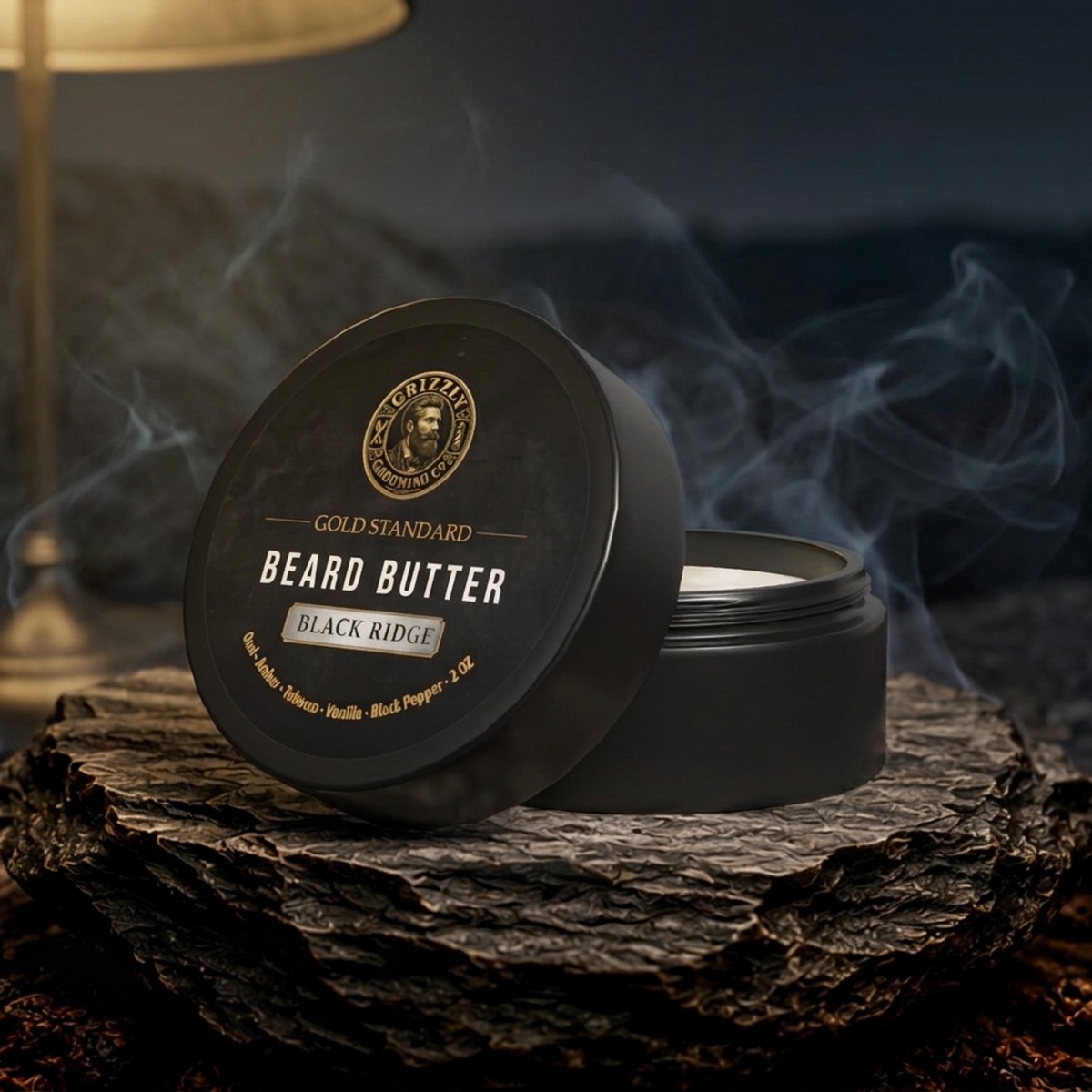
While you cannot change genetics, products like beard butter provide deep hydration that prevents the hair from breaking. A healthy, hydrated hair strand will always reach its maximum length more effectively than a dry one.
Should I shave the gap to make it grow back thicker?
Shaving does not increase the number of follicles or the thickness of the hair. It only creates a blunt edge on the hair shaft. To achieve a connection, you must leave the hair alone and allow it to grow.
Build your ritual in 60 seconds.
Answer four questions and get a custom regimen — plus a 15% bundle discount.
Start The Ritual Builder