Mastering the Connection: How to Bridge the Gap in Your Mustache
The gap between a mustache and a beard is a common structural challenge that often comes down to genetics, but it is not entirely out of your control. By understanding the growth cycle and employing specific grooming techniques, you can encourage a fuller connection that frames the face with precision.
- ›Patience is foundational, as connection points often grow at a slower rate than the chin or cheek area.
- ›Strategic trimming allows longer hairs to overlap thin spots, creating the illusion of density.
- ›Nutrient-dense topicals like beard oil support the skin health necessary for late-blooming follicles.
- ›Proper cleaning with a dedicated beard wash prevents clogged pores that can stifle fine hair growth.
- ›Consistency in brushing trains hair direction to bridge vertical gaps over the upper lip corners.
Understanding the Growth Timeline
Most men make the mistake of evaluating their mustache connection too early. Facial hair grows at an average rate of 1.25 centimeters per month, but the hair at the corners of the mouth often enters the anagen phase later than the rest of the beard.
You must commit to a minimum of twelve weeks of untouched growth to see the true potential of your connectors. During this time, resist the urge to trim the 'stragglers' at the edges, as these are the very hairs that will eventually provide the coverage you need.
If you find the growth is uneven, use a small amount of mustache wax to keep the longer hairs in place while the slower areas catch up. This stage is about building a foundation rather than achieving immediate symmetry.
Follicular Support and Skin Health
A connection gap is often exacerbated by dry, brittle skin that prevents dormant follicles from thriving. The skin in the corners of the mouth is highly mobile and prone to irritation, which can lead to inflammation and stunted growth.
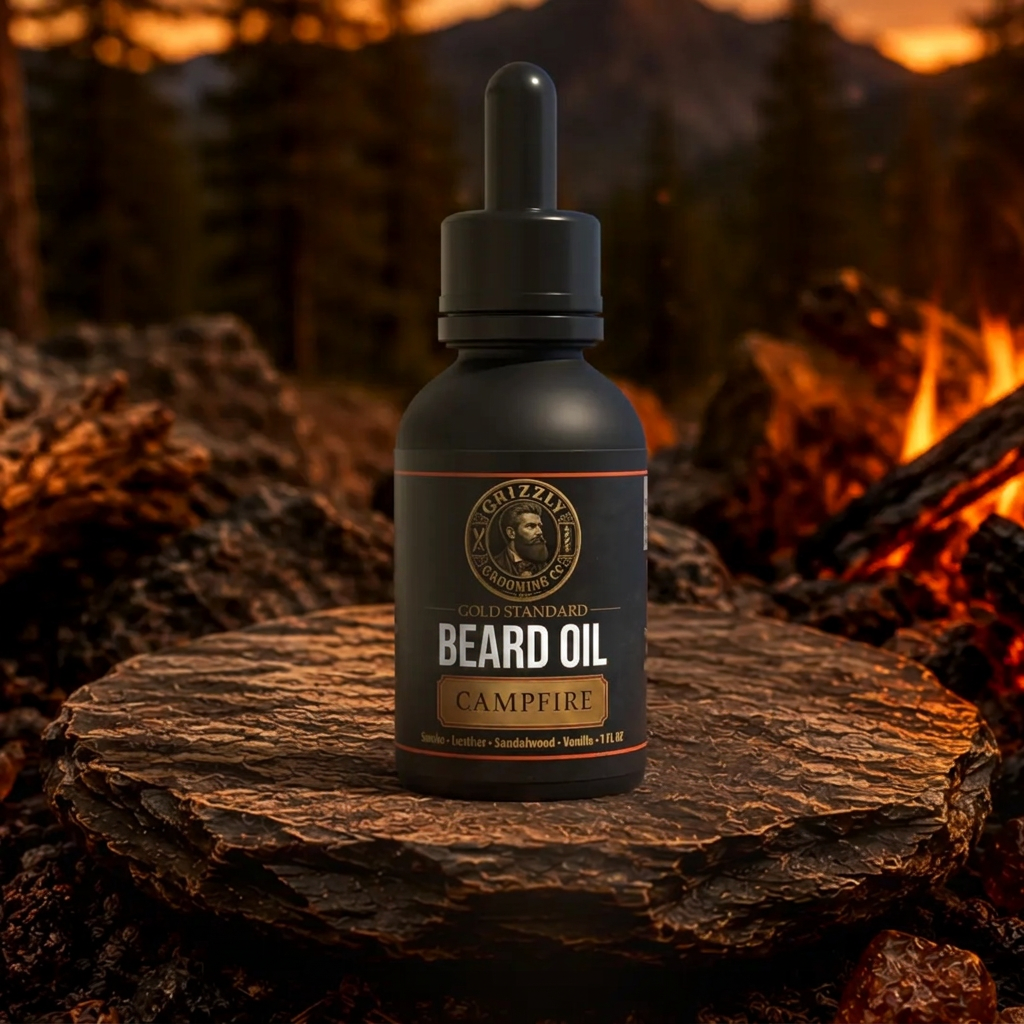
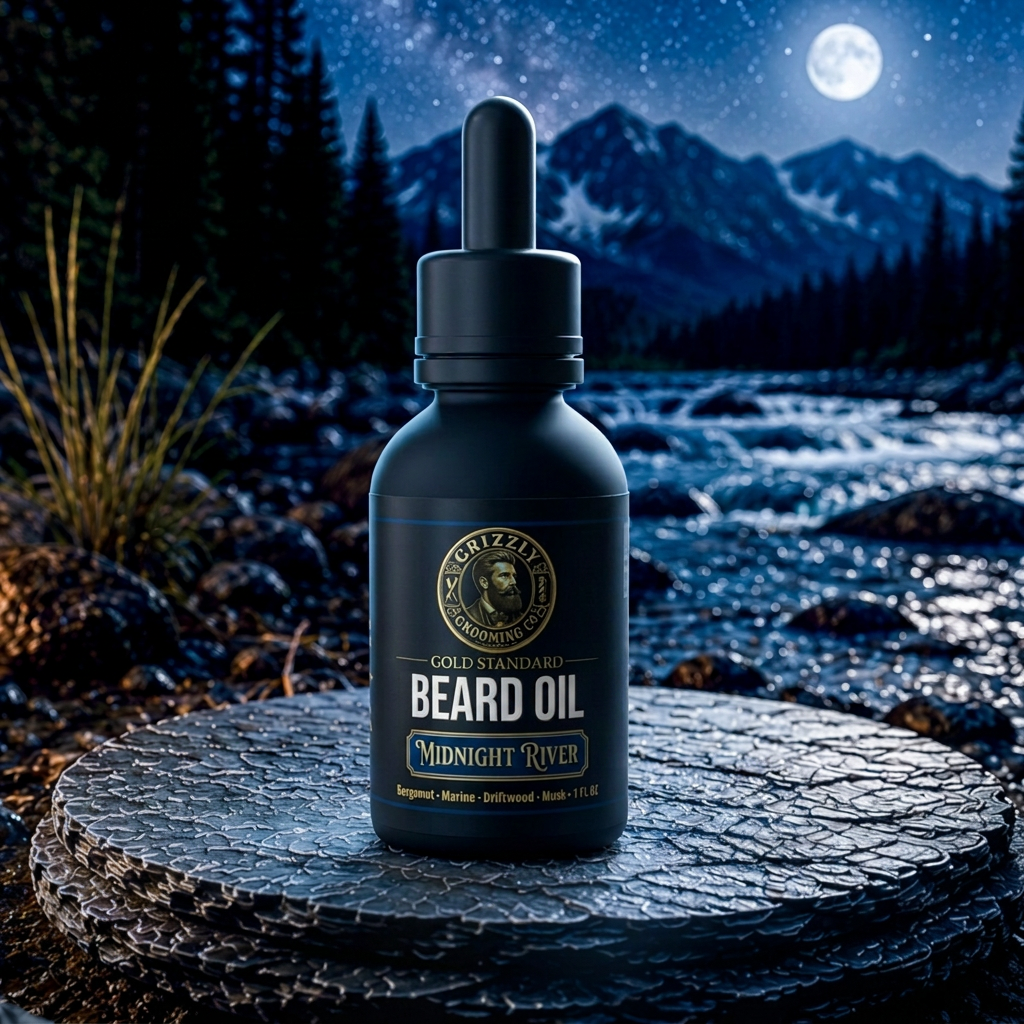
Applying a high-quality beard oil twice daily ensures the skin remains supple. Look for oils containing jojoba and argan, which mimic natural sebum and provide the fatty acids necessary for a healthy skin barrier.
Additionally, exfoliating the area with a firm boar bristle brush increases localized blood flow. This mechanical stimulation brings oxygen and nutrients to the surface, providing the best possible environment for thin hairs to thicken over time.
The Art of Strategic Trimming
Once you have attained sufficient length, the connection is often a matter of geometry rather than sheer density. You can create a visual bridge by allowing the outer hairs of the mustache to grow longer and combing them downward into the beard line.
Avoid using electric trimmers near the corners of the mouth during the growth phase. Instead, use professional grooming scissors to spot-treat only the hairs that are literally entering your mouth. Keeping the bulk at the edges is crucial for a seamless transition.
When you finally shape the connection, aim for a diagonal line that follows the natural crease of your smile. This creates a more masculine, architectural look compared to a sharp vertical drop, which can look unnatural.
Maintenance Rituals for Density
Cleanliness is often overlooked in the quest for a connected mustache. Food particles and dead skin cells can accumulate at the connection points, leading to breakouts or folliculitis that can permanently damage hair health.
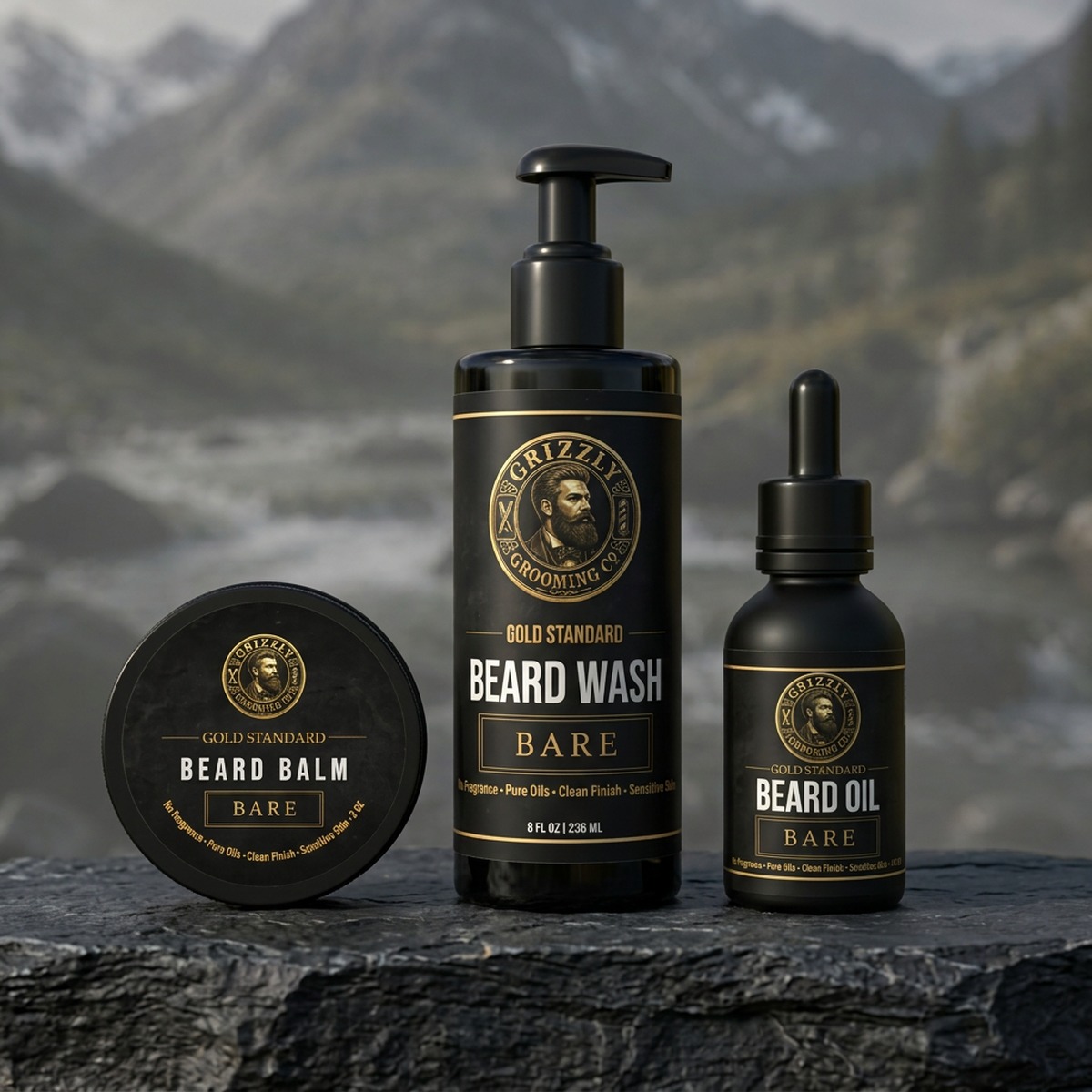
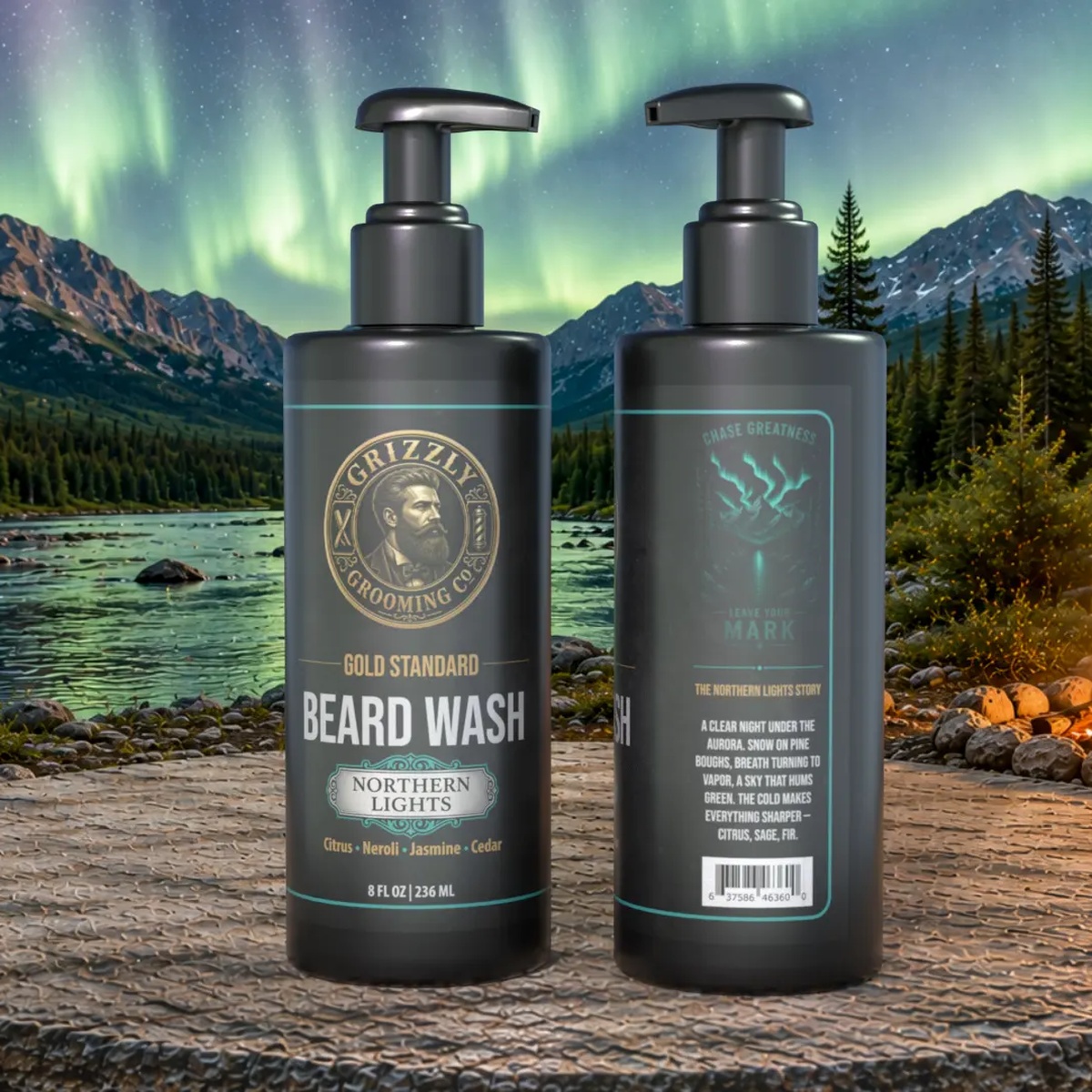
Use a specialized beard wash instead of standard bar soap. Standard soaps contain harsh surfactants that strip the natural oils needed to keep the mustache hairs flexible. A dedicated wash cleanses while preserving the integrity of the hair shaft.
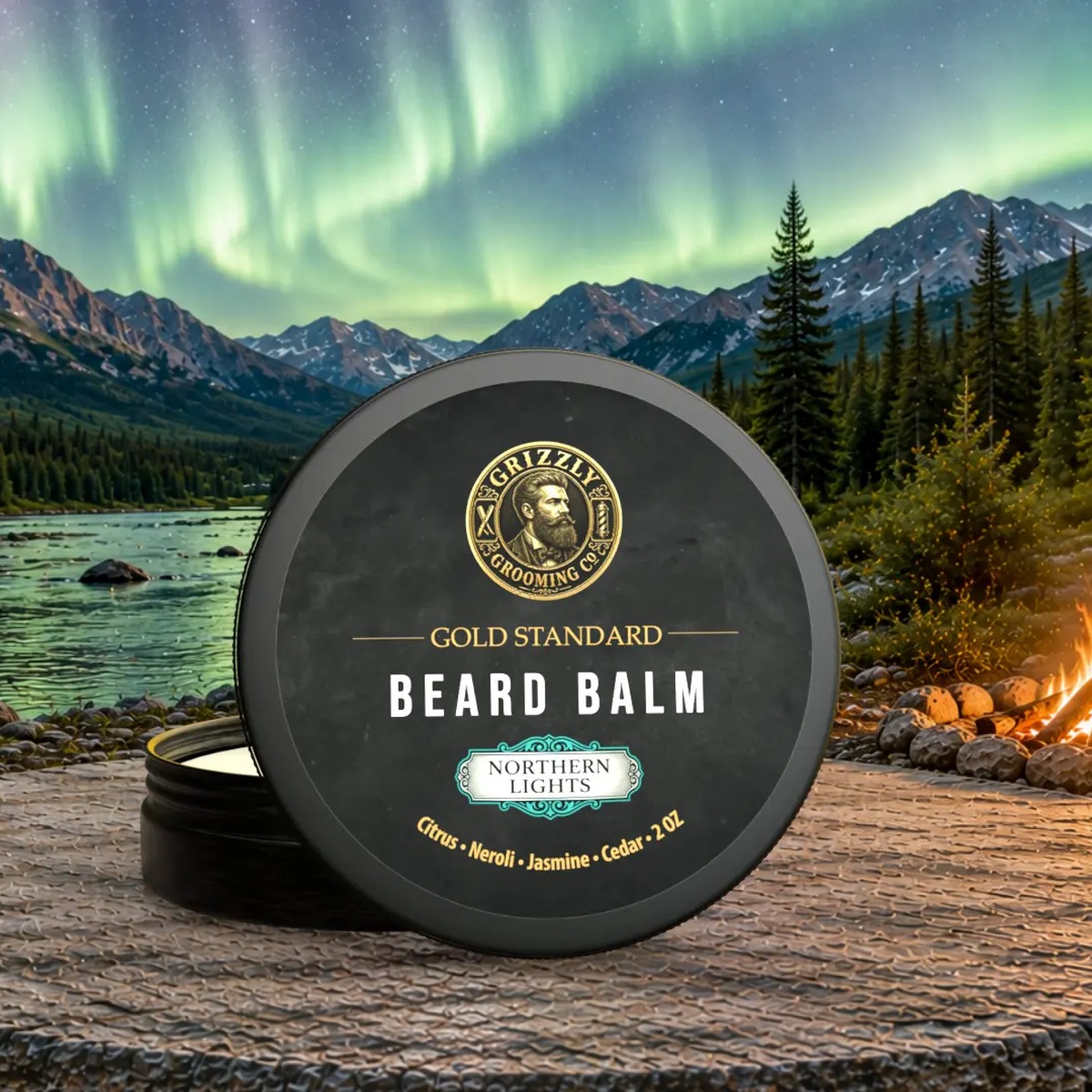
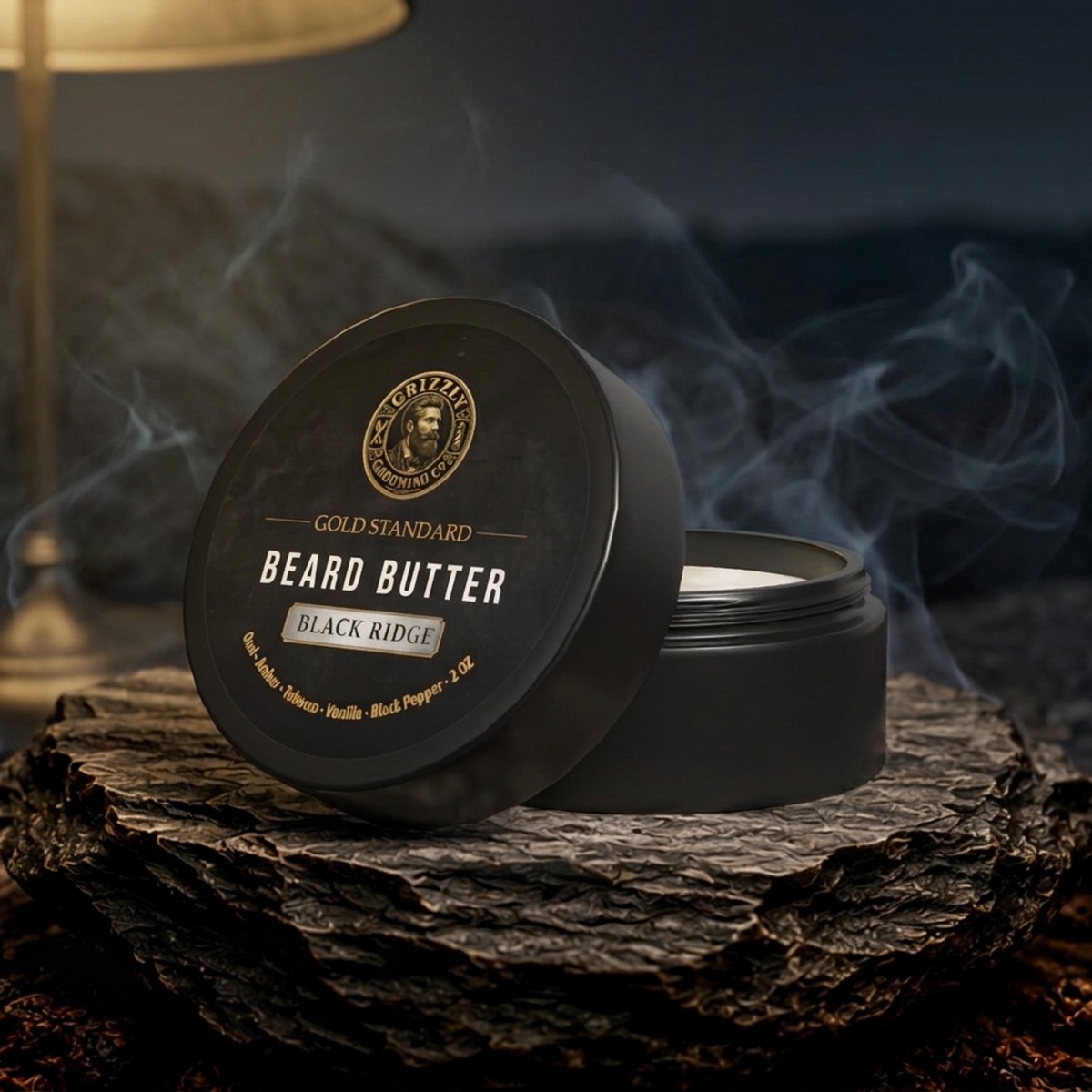
For those with particularly stubborn gaps, incorporating a beard butter at night can provide deep conditioning. The shea butter and beeswax base helps to coat the hair, making the existing connection look thicker and more cohesive by morning.
Frequently Asked Questions
Can I grow a mustache connection if I have a physical bald spot there?
While you cannot force hair to grow where follicles do not exist, you can often use 'combover' techniques. By growing the mustache hairs directly above the gap longer and styling them downward with wax, you can effectively hide small patches.
Does shaving more often make the connection grow back thicker?
No, this is a persistent myth. Shaving only gives the hair a blunt tip, which may feel coarser, but it does not change the follicle's growth rate or density. Patience and proper hydration are the only proven ways to maximize growth.
How do I deal with the 'itchy phase' when trying to connect my mustache?
The itch is usually caused by new hairs curling back and piercing the skin. Regular application of beard oil softens these hairs, while a daily brushing routine helps redirect them away from the skin surface.
Build your ritual in 60 seconds.
Answer four questions and get a custom regimen — plus a 15% bundle discount.
Start The Ritual Builder