Mastering the Clean: How Often Should You Actually Wash Your Beard
The common impulse to scrub your face with harsh soap every morning is the most frequent mistake a man can make. Maintaining a beard requires a nuanced approach to hygiene that respects the delicate balance of your skin's natural sebum.
- ›Most men should limit a full wash to two or three times per week.
- ›Rinsing with warm water daily is acceptable, but shampooing daily is not.
- ›Always follow a wash with beard oil to replenish lost moisture.
- ›Adjust frequency based on your activity level and environment.
- ›Avoid standard hair shampoos which contain harsh sulfates.
The Biology of Beard Hygiene
Your facial hair relies on sebum, a natural oil produced by the sebaceous glands at the base of each follicle. Unlike the scalp, which has a high density of glands, the face produces a limited supply of oil that struggles to keep up with long terminal hairs.
Over-washing strips this protective layer, leading to the brittle texture and itchy skin known as beardruff. A professional approach focuses on removing debris and environmental pollutants without compromising the structural integrity of the hair shaft itself.
Determining Your Ideal Schedule
For the average man working an office job, a full wash twice a week is the Gold Standard. This cadence allows the natural oils to travel down the hair, providing organic hydration and shine that synthetic products can only mimic.
If you work in trades, kitchens, or high-intensity athletic environments, you may need to increase this to three or four times weekly. The goal is to remove sweat and particulate matter before they clog pores, without dehydrating the beard.
The Distinction Between Washing and Rinsing
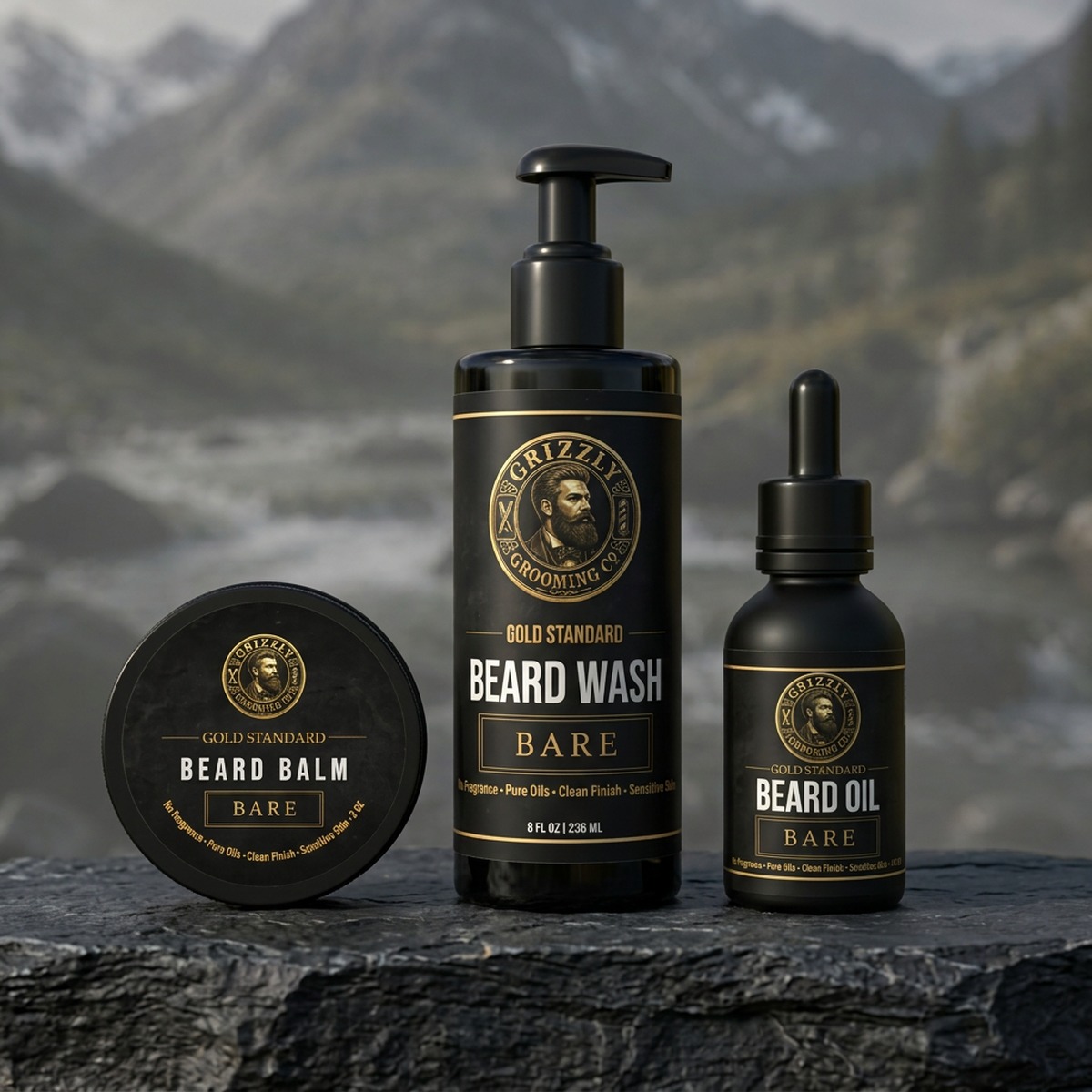
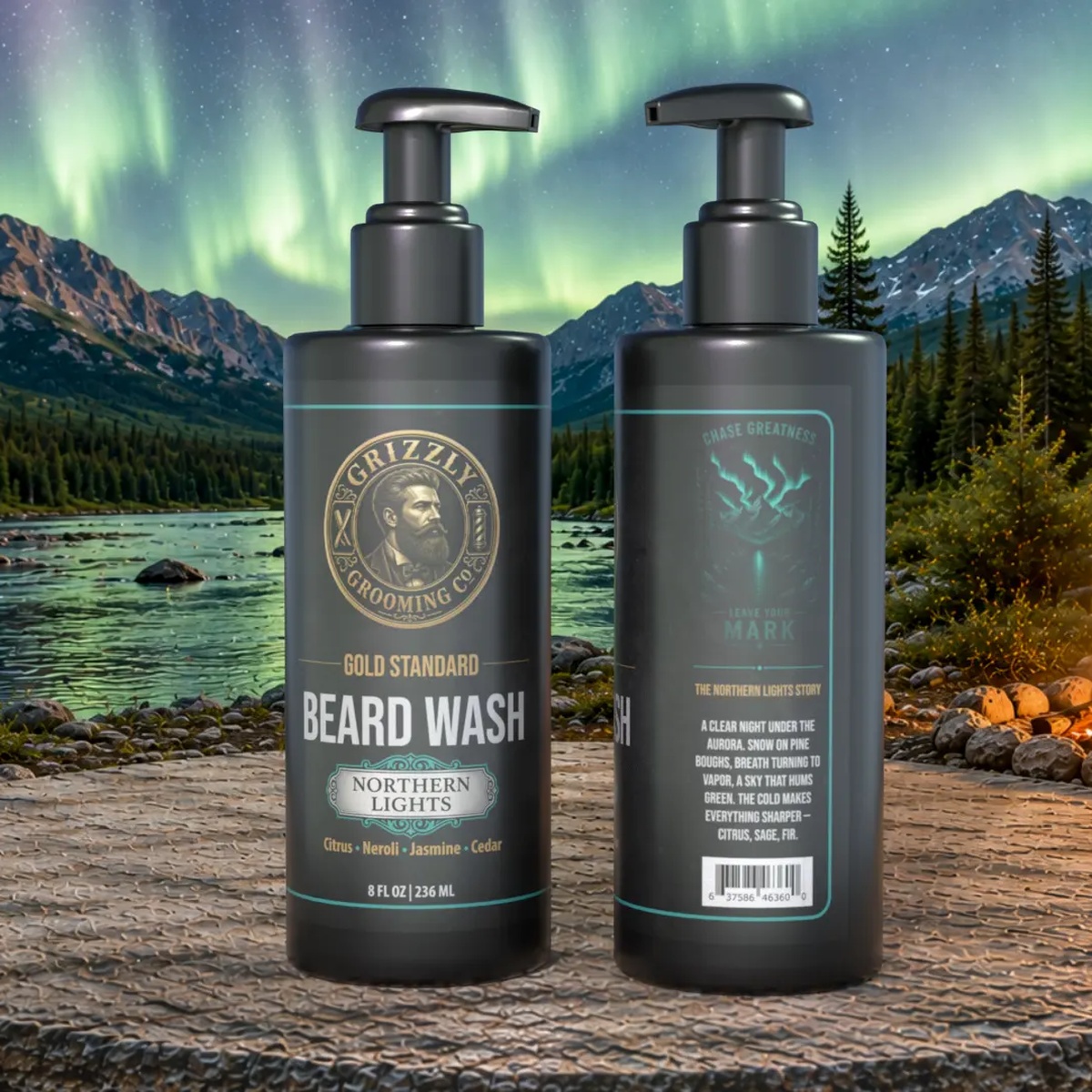
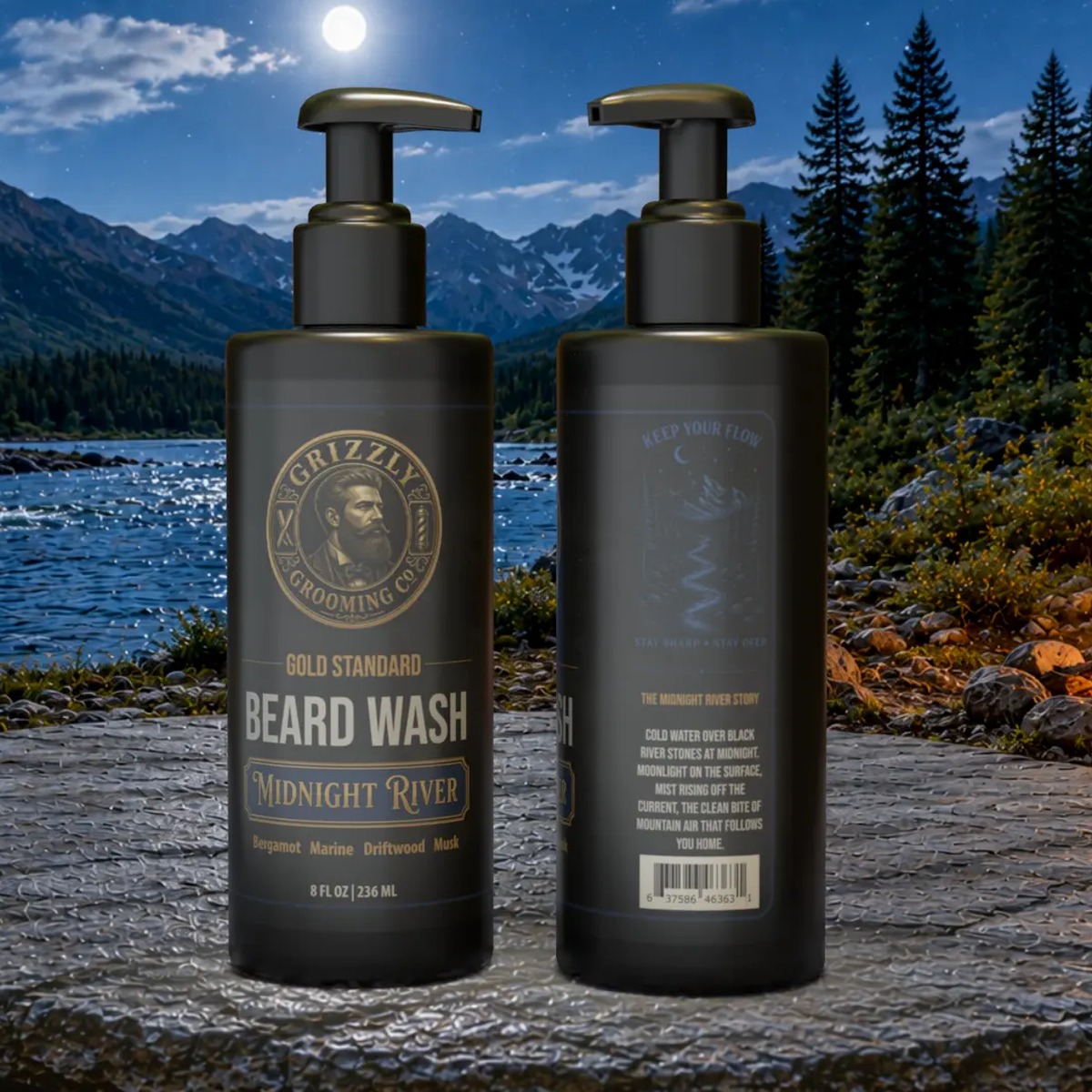
A daily shower does not necessitate a daily shampoo. You can and should rinse your beard with warm water every day to remove dust and maintain shape, but you must reserve the Grizzly Gold Standard beard wash for designated cleaning days.
Rinsing serves as a reset for styling products, allowing you to re-apply beard butter or oil to a fresh canvas. This mechanical cleaning is often sufficient for daily maintenance without the need for chemical surfactants.
Post-Wash Preservation
What you do after the wash is as critical as the frequency of the wash itself. When your follicles are clean and the pores are open from the warm water, the beard is most receptive to treatment.
Immediately pat your beard dry—never rub—and apply a high-quality beard oil while the hair is slightly damp. This locks in hydration and provides the weight necessary to keep the beard laying flat throughout the day.
Signs You Are Over-Washing
If your beard feels like straw or you notice increased breakage, you are likely washing too often. Persistent itching after a shower is a clear signal that the skin underneath is dehydrated and lacking its natural lipid barrier.
Alternatively, if your beard feels tacky, smells of old product, or looks dull, you may need to increase your frequency or ensure you are using a dedicated beard wash rather than a standard body bar.
Frequently Asked Questions
Can I use regular hair shampoo on my beard?
Regular shampoos are formulated for the scalp, which produces significantly more oil than the face. Using them on your beard will strip away the marginal oils you have, leaving the hair brittle and the skin prone to irritation.
Should I wash my beard after every gym session?
Generally, a thorough rinse with water is enough to remove salt from sweat. Unless you have been training in a particularly dirty environment, save the soap for your scheduled wash days to prevent drying out the hair.
Does beard length change how often I should wash?
Yes. Shorter beards can be washed slightly more often because the oil reaches the tips easily. Longer beards require more restraint with washing, as the ends are much further from the oil source and are more susceptible to drying out.
Build your ritual in 60 seconds.
Answer four questions and get a custom regimen — plus a 15% bundle discount.
Start The Ritual Builder