
Mastering the Beard Taper: How to Blend Your Facial Hair into a Fade
The hallmark of a professional haircut is the seamless transition from the temple into the cheek line. Achieving this blend at home requires a steady hand, a graduated set of clipper guards, and an understanding of hair density. When executed correctly, the beard fade elevates a standard trim into a deliberate style statement.
- ›Identify your leverage point at the top of the ear for the transition.
- ›Work in reverse from your longest length down to the skin.
- ›Use a fine-tooth comb to feed hair into the clippers during the blending process.
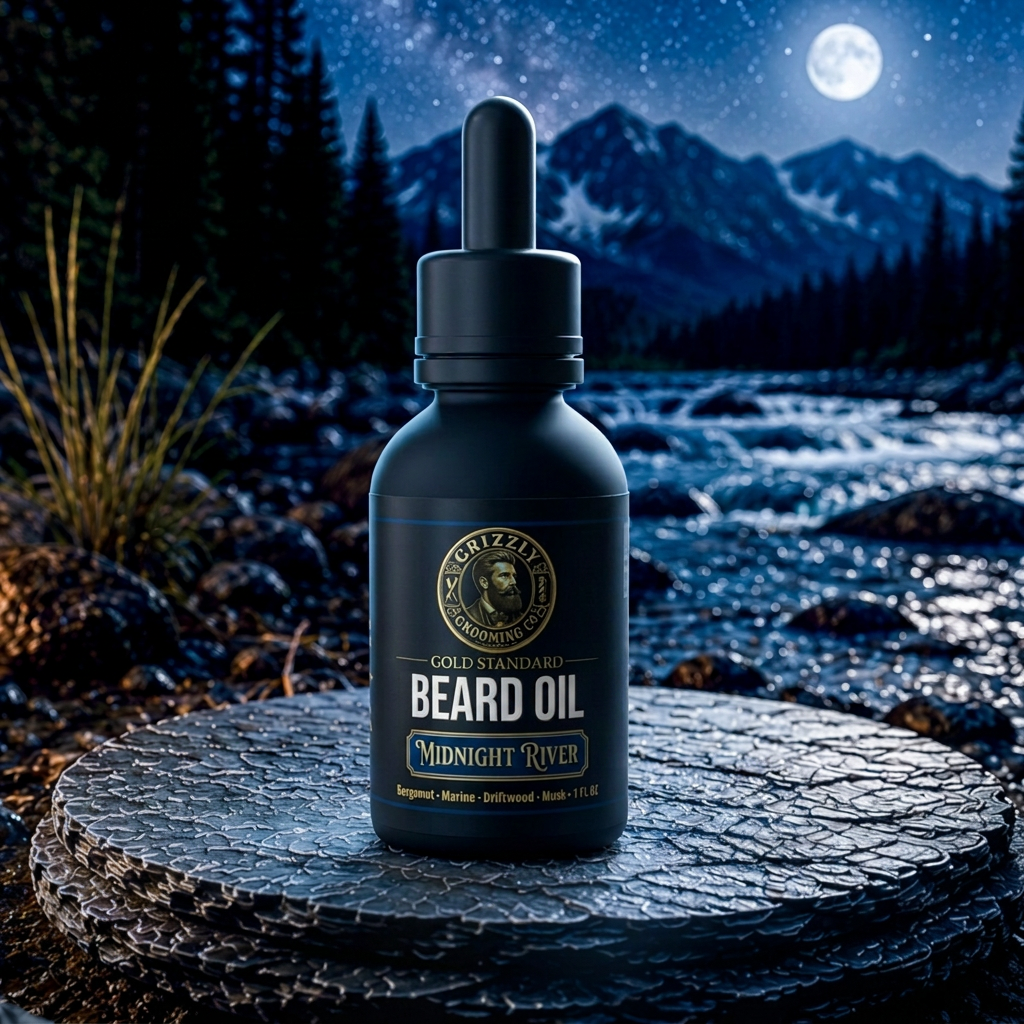
- ›Apply beard oil after the trim to relax the hairs and check for symmetry.
- ›Keep the neck line sharp to emphasize the gradient effect.
Setting the Foundation with Clean Hair
Before any clipper touches your face, the hair must be clean and free of residual styling products. A specialized beard wash is essential here; standard shampoos contain harsh surfactants that strip the natural oils needed for the hair to lay flat during a trim.
Wait until the beard is completely dry before starting. Wet hair stretches and appears longer than it actually is, which often leads to over-trimming and uneven patches once the hair retracts back to its natural state.
Establishing Your Baseline Guard Length
Start by determining the primary length of your beard at the mid-cheek. Most professional blends begin with a higher guard, such as a #3 or #4, to remove bulk from the lower sideburn area without cutting too deep into the established shape.
Moving in the direction of hair growth—the 'grain'—run your clippers from the top of the ear downward. This ensures you are thinning the density rather than hacking the length, allowing for a more natural taper that integrates with the rest of your facial hair.
The Art of the Reverse Gradient
To achieve a true fade, you must work in increments. If your sideburns meet a skin fade at the temple, you should transition from a #2 guard to a #1, and finally to the open blade or a 0.5 guard at the very top of the sideburn.
The critical zone is the one-inch space parallel to your ear. Use a flicking motion with your wrist to pull the clipper away from the skin as you reach the top of each stroke. This creates a soft edge rather than a harsh line of demarcation.
Detailing the Cheek and Neck Lines
A faded beard only looks intentional if the surrounding lines are crisp. Use a dedicated trimmer to define the cheek line. Following the natural line from your mustache to the top of the ear gives the most authentic masculine silhouette.
Symmetry is managed by checking your profile in a three-way mirror. If one side appears darker or denser than the other, use a beard balm to lay the hairs flat before performing a final pass with the clippers to remove any stragglers that disrupt the gradient.
Post-Trim Maintenance and Skin Care
Clippers can be abrasive on the skin, especially when blending close to the surface. After the trim, rinse with cool water to close the pores and apply a high-quality beard oil to hydrate both the follicles and the skin underneath.
In the days following your blend, use a boar bristle brush to train the hair to grow in the desired direction. This mechanical training ensures that as the hair grows back, the blend remains smooth for a longer period between maintenance sessions.
Frequently Asked Questions
How often should I touch up the blend between my beard and fade?
Because head hair grows faster than facial hair for many men, you should ideally touch up the blend every 7 to 10 days. This maintains the sharpness of the transition before the sideburns become too puffy.
Which guard size should I use for a natural look?
For most men, a #2 guard (6mm) is the ideal middle ground for the transition area. It provides enough density to show color while still being short enough to blend into a traditional taper or fade.
What if I accidentally cut too much off one side?
Do not try to match the other side immediately by going shorter. Use a beard butter to style the longer side down and wait a few days for the shorter side to fill in. Often, the skin's natural shadow will mask minor discrepancies.
Build your ritual in 60 seconds.
Answer four questions and get a custom regimen — plus a 15% bundle discount.
Start The Ritual Builder