
Mastering the Beard Neckline: A Professional Guide to Precision Trimming
The difference between a beard that looks intentional and one that looks neglected is found at the neckline. A poorly placed line can make even the thickest growth look unkempt or, worse, prematurely age the face. By following a structured approach, you can maintain a sharp profile without the risk of a permanent mistake.
- ›Locate the midpoint two fingers above the Adam's apple.
- ›Follow the natural curve toward the back of the ear lobes.
- ›Trim only what is below the line to preserve density.
- ›Keep the skin taut but never over-stretched while cutting.
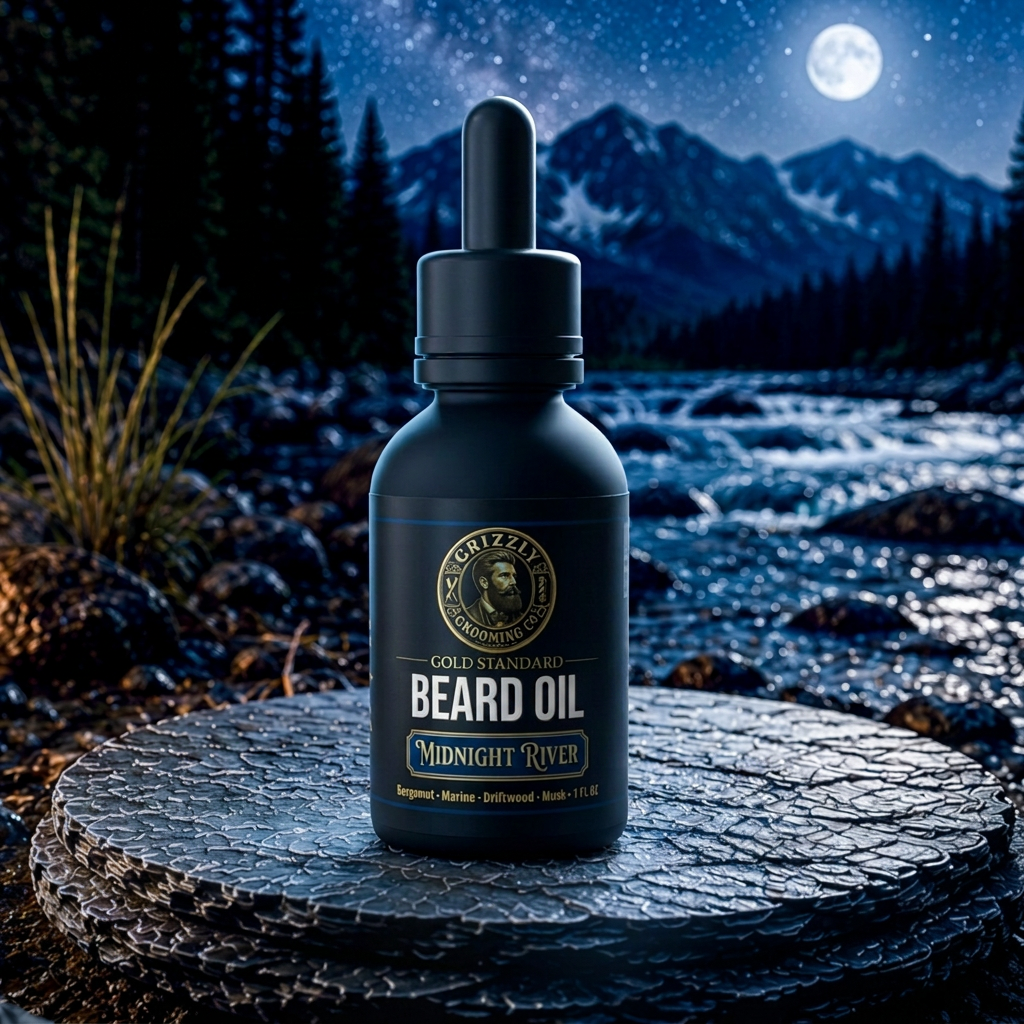
- ›Finish with beard oil to soothe the fresh line.
Defining the Proper Anatomy
The most common mistake men make is trimming the neckline too high, often following the jawbone itself. This creates a floating beard effect that looks unnatural and thins the appearance of the face. The goal is to create a soft 'U' shape that connects the back of one ear to the other, passing just above the throat.
To find the anchor point, place your index and middle finger horizontally above your Adam's apple. The top of your second finger marks the lowest point of your beard. This measurement ensures that when you tilt your head down, the beard doesn't fold awkwardly, and when you look up, the neck remains covered.
The Preparation Phase
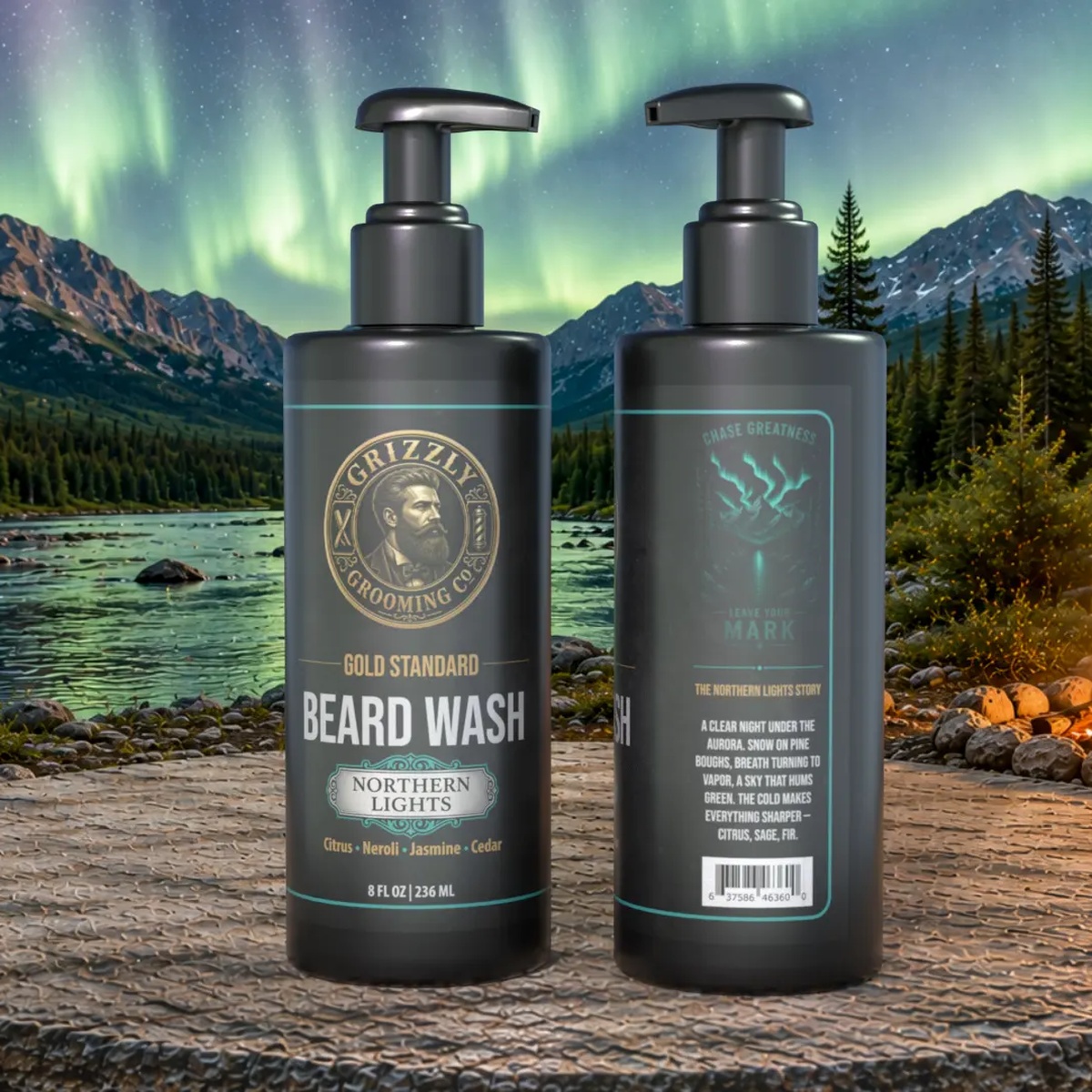
Never trim a wet beard. Hair expands when wet and shrinks as it dries, which can lead to taking off more length than intended. Start by washing with a dedicated beard wash to remove debris and soften the hair, then dry it completely before picking up your tools.
Comb your beard hair downward to its natural resting position. This allows you to see the true perimeter of your growth. If you have particularly thick or stubborn hair, applying a small amount of beard butter can help lay the hairs flat, providing a clearer canvas for your trimmer or razor.
Mapping the Path
Imagine a line that curves upward from your center point toward the ear. This line should follow the junction where the neck meets the underside of the jaw. If you struggle to visualize this, a white eyeliner pencil can be used to trace the line before you commit to the trim.
Always start trimming from the center and work outward toward one ear, then return to the center and work toward the other. This symmetrical approach prevents lopsided results. Ensure your trimmer is held with the blade flat against the skin for the cleanest pass and minimal irritation.
Post-Trim Skin Maintenance
Once the line is established, the skin on the neck will be sensitive. This area is prone to ingrown hairs and redness because the skin is thinner than on the face. Rinse the area with cold water immediately after trimming to close the pores and calm the skin.
Apply a high-quality beard oil to the newly exposed skin and the hair immediately above it. The botanical oils in the Grizzly Gold Standard formula serve a dual purpose: they hydrate the skin to prevent razor burn and soften the blunt-cut ends of the hair, making the transition look more natural.
Frequently Asked Questions
How often should I trim my neckline?
For most men, the neckline should be tidied every 3 to 7 days. Stubble grows back quickly on the neck, and maintaining the line frequently is easier than re-mapping the entire shape from scratch every month.
What if I accidentally trim too high?
If you take the line too high, don't try to even it out by raising the other side. Let the hair grow back for two weeks. Use a darker beard balm or styling product to help mask the transition until the length catches up.
Should I use a razor or an electric trimmer?
A trimmer is best for mapping and bulk removal. If you prefer a skin-smooth finish, follow up with a safety razor and a clear shave gel, which allows you to see the line you created with the trimmer as you work.
Build your ritual in 60 seconds.
Answer four questions and get a custom regimen — plus a 15% bundle discount.
Start The Ritual Builder