Mastering Repairs: How to Identify and Eliminate Beard Split Ends
A well-maintained beard is defined by its structural integrity, yet split ends often compromise the silhouette and texture of even the most diligent growth. When the hair shaft begins to fray, regular maintenance must shift from basic grooming to focused structural repair.
- ›Trim approximately a quarter-inch above the split to stop further travel up the hair shaft.
- ›Hydrate daily with beard oil to maintain the lipid barrier and prevent brittle tips.
- ›Eliminate high-heat styling tools which strip moisture and damage the protein structure.
- ›Use a dedicated beard wash instead of generic hair shampoo to preserve natural sebum.
- ›Switch to a wide-tooth wooden comb to reduce friction and mechanical stress on the hair.
The Anatomy of a Split End
Beard hair is inherently coarser and more prone to dryness than the hair on your scalp. A split end, or trichoptilosis, occurs when the protective outer cuticle of the hair is compromised, leaving the inner cortex exposed and vulnerable to fraying.
This damage often begins at the tips, where the hair is oldest and has endured the most environmental stress. If ignored, the split can migrate up the shaft toward the root, leading to thinning, tangles, and a generally dull appearance.
The Precision Trim Method
The only permanent solution for existing split ends is a clean excision. Use professional-grade shears rather than electric trimmers, as the dull blades of a motor-driven tool can actually cause further fraying by crushing the hair shaft instead of cutting it.
Inspect your beard in natural light and identify individual hairs that branch out or feel rough. Snip roughly 0.25 inches above the damage point. This preventative measure ensures the hair remains structurally sound and stops the deterioration from spreading.
Hydration as a Preventative Shield
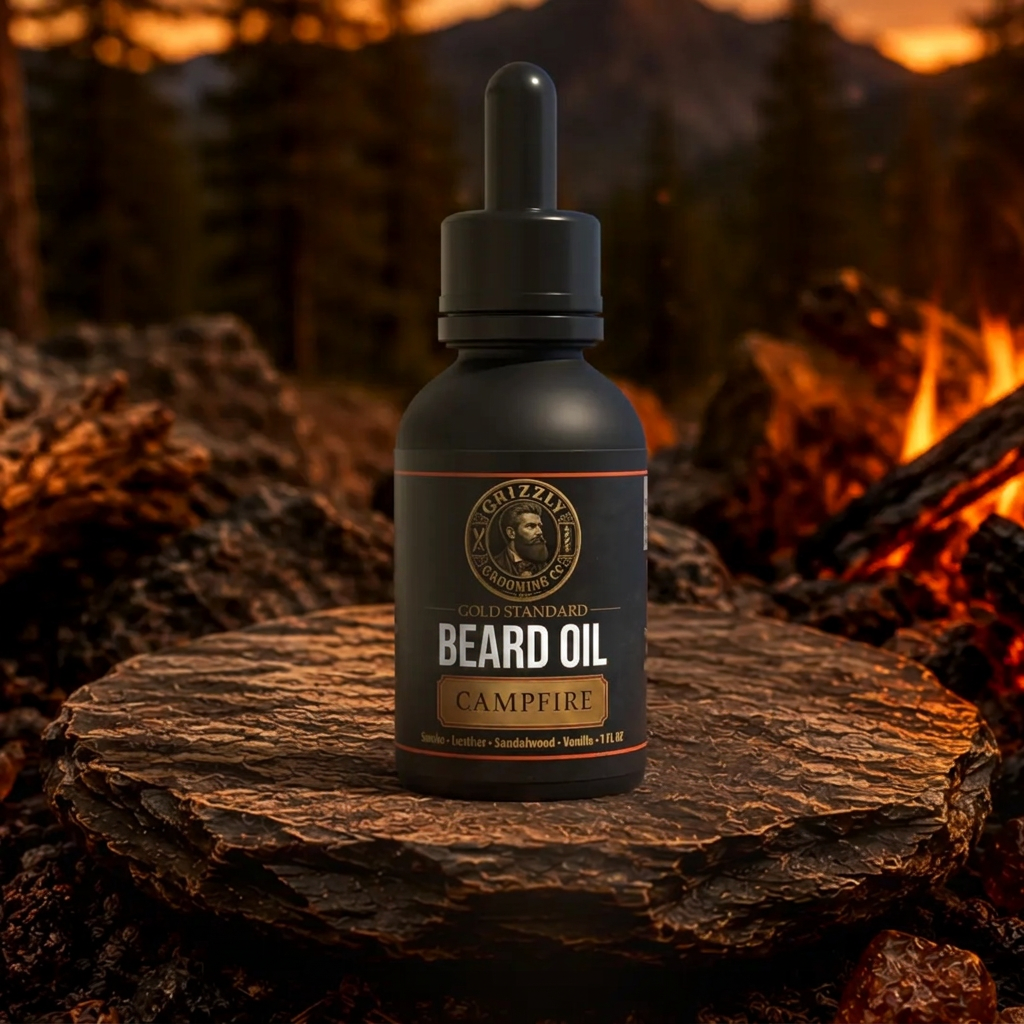
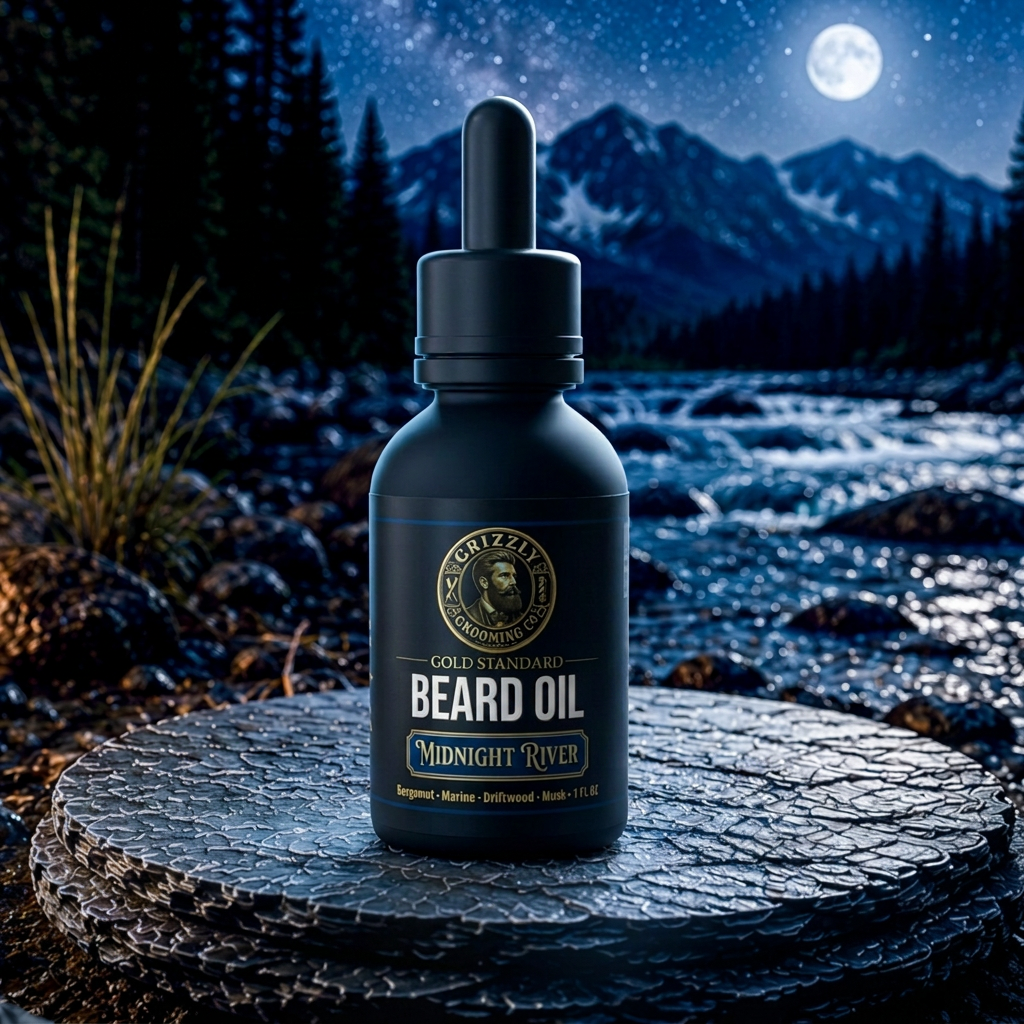
Preventing the return of split ends requires a focus on moisture retention. Grizzly Gold Standard beard oil serves as a synthetic sebum, replenishing the lipids lost during the day and sealing the cuticle to lock in internal moisture.
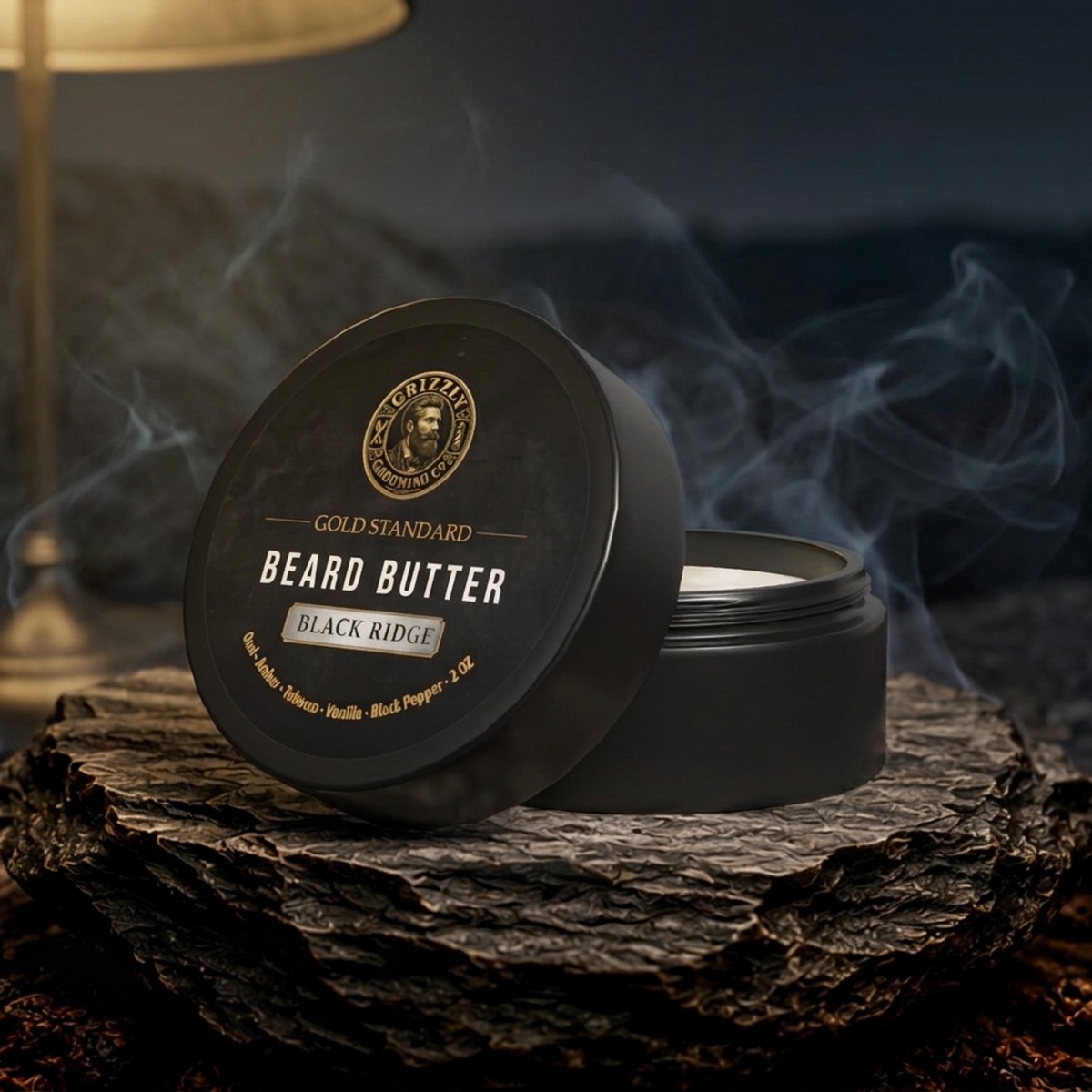
For men with particularly long or dense growth, following your oil application with a beard butter can provide an additional layer of protection. The shea butter and carrier oils work together to create a flexible barrier against environmental stressors like wind and dry air.
Chemical and Thermal Caution
Standard hair shampoos contain harsh sulfates designed to strip heavy oils from the scalp, but these chemicals are too aggressive for facial hair. Using a dedicated beard wash ensures the hair is cleansed without removing the essential oils that keep the ends from turning brittle.
Furthermore, excessive heat from hair dryers or straightening irons should be avoided. High temperatures can cause the water inside the hair shaft to boil, resulting in structural bubbles that lead to immediate splitting. Always use a cold-shot setting if a blow dryer is necessary for styling.
Frequently Asked Questions
Can split ends be repaired without cutting them?
No, once a hair shaft has split, it cannot be permanently fused back together. While beard balms can temporarily smooth the hair for styling, the only way to stop the damage from progressing is to prune it away with sharp shears.
How often should I check for split ends?
A thorough inspection every two to three weeks is sufficient for most men. This allows you to catch minor damage before it migrates higher up the hair shaft, requiring a more drastic length reduction.
Does diet affect the frequency of split ends?
Internal nutrition plays a significant role in hair tensile strength. A diet rich in biotin, zinc, and healthy fats helps the body produce stronger keratin, which makes the hair more resilient to physical and environmental damage.
Build your ritual in 60 seconds.
Answer four questions and get a custom regimen — plus a 15% bundle discount.
Start The Ritual Builder