Maintaining a Tidy Mustache Without The Use of Stiff Styling Wax
A well-kept mustache does not always require the structural rigidity of a firm-hold wax. Often, the best results come from working with the hair's natural direction and maintaining proper moisture levels to ensure the follicles lie flat against the skin.
- ›Prioritize length control through precise trimming of the lip line.
- ›Utilize a blow dryer and round brush to train hair direction.
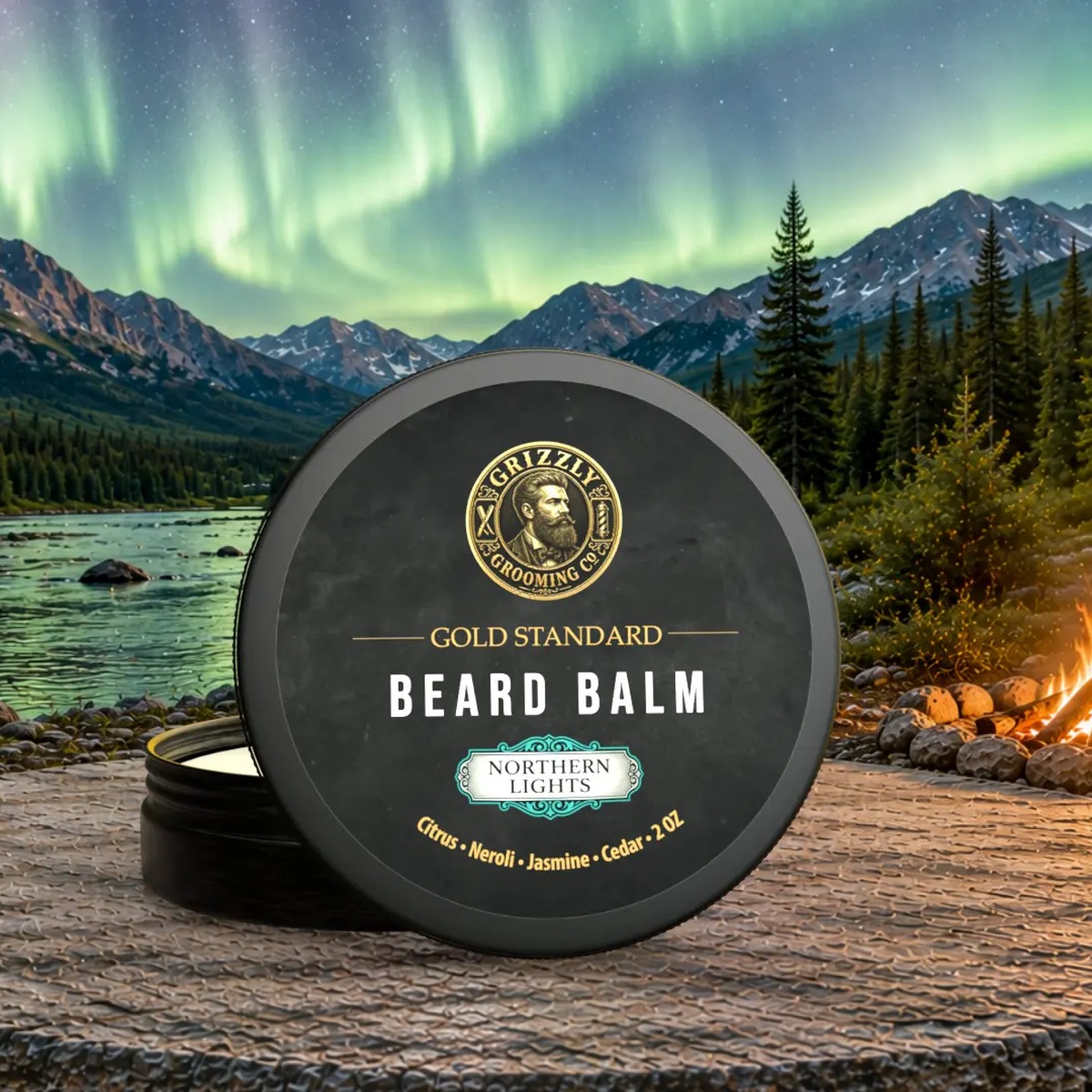
- ›Replace heavy waxes with lightweight beard oil or beard butter.
- ›Comb consistently throughout the day to reinforce hair memory.
- ›Hydrate the skin beneath the mustache to prevent coarse texture.
The Foundation of Precision Trimming
A tidy mustache starts with a clear boundary along the upper lip. Without wax to lift the hair, stray fibers will naturally droop into the mouth, creating a disheveled appearance. Use a dedicated pair of sharp grooming shears or a precision trimmer held at a 45-degree angle to clear the vermilion border.
Focus on removing only the hairs that cross the line where your lips meet. By maintaining a clean edge, the mustache appears intentional and sharp, even when left in its natural state. This technical cut reduces the visual bulk that often necessitates styling products.
Heat Styling for Natural Direction
Hair memory is your greatest asset when avoiding wax. After washing your face, while the mustache is still damp, use a blow dryer on a medium-heat setting. Direct the airflow from the center of the nose outward toward the corners of the mouth while using a small fine-tooth comb to guide the path.
The heat breaks down the temporary hydrogen bonds in the hair, allowing you to reset its direction. Follow the heat with a five-second blast of cold air to set the shape. This mechanical training reduces the tendency for hairs to stick straight out or curl toward the nostrils.
Conditioning Over Structural Hold
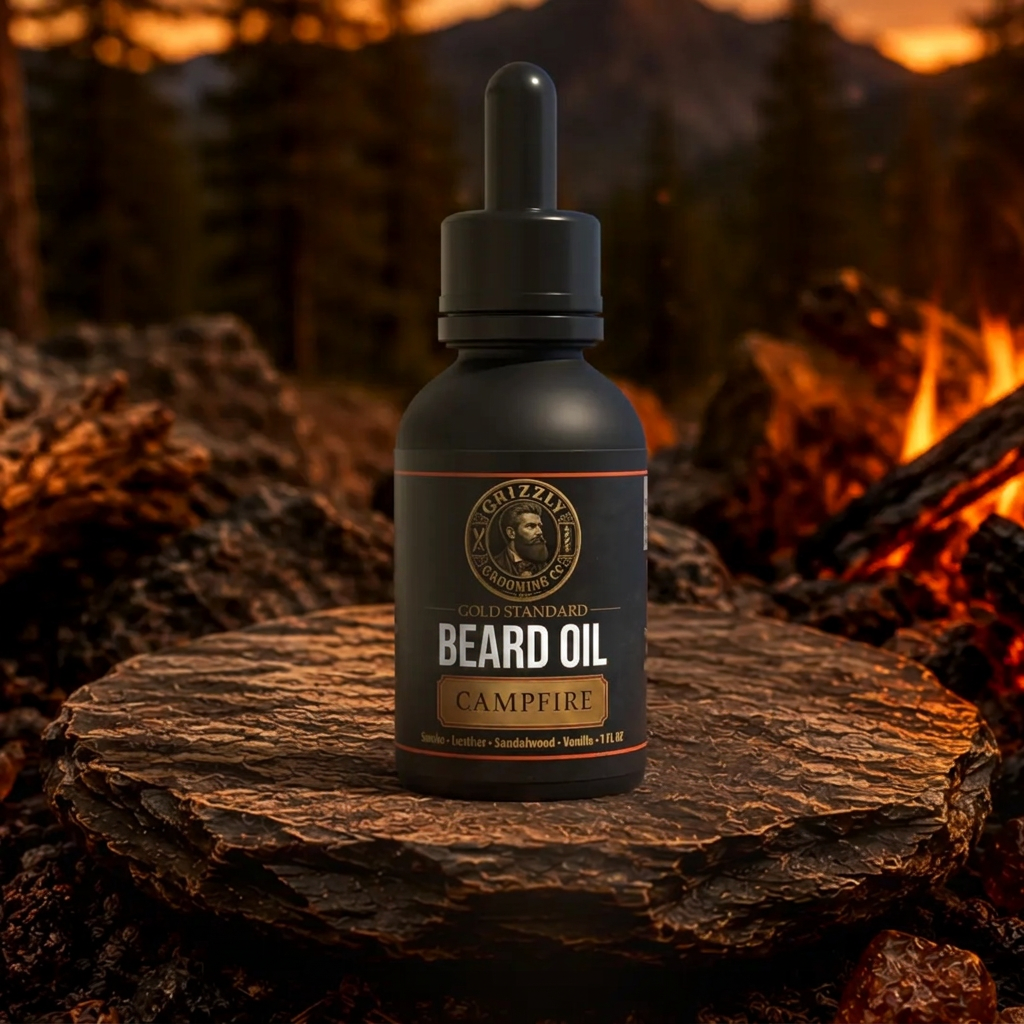
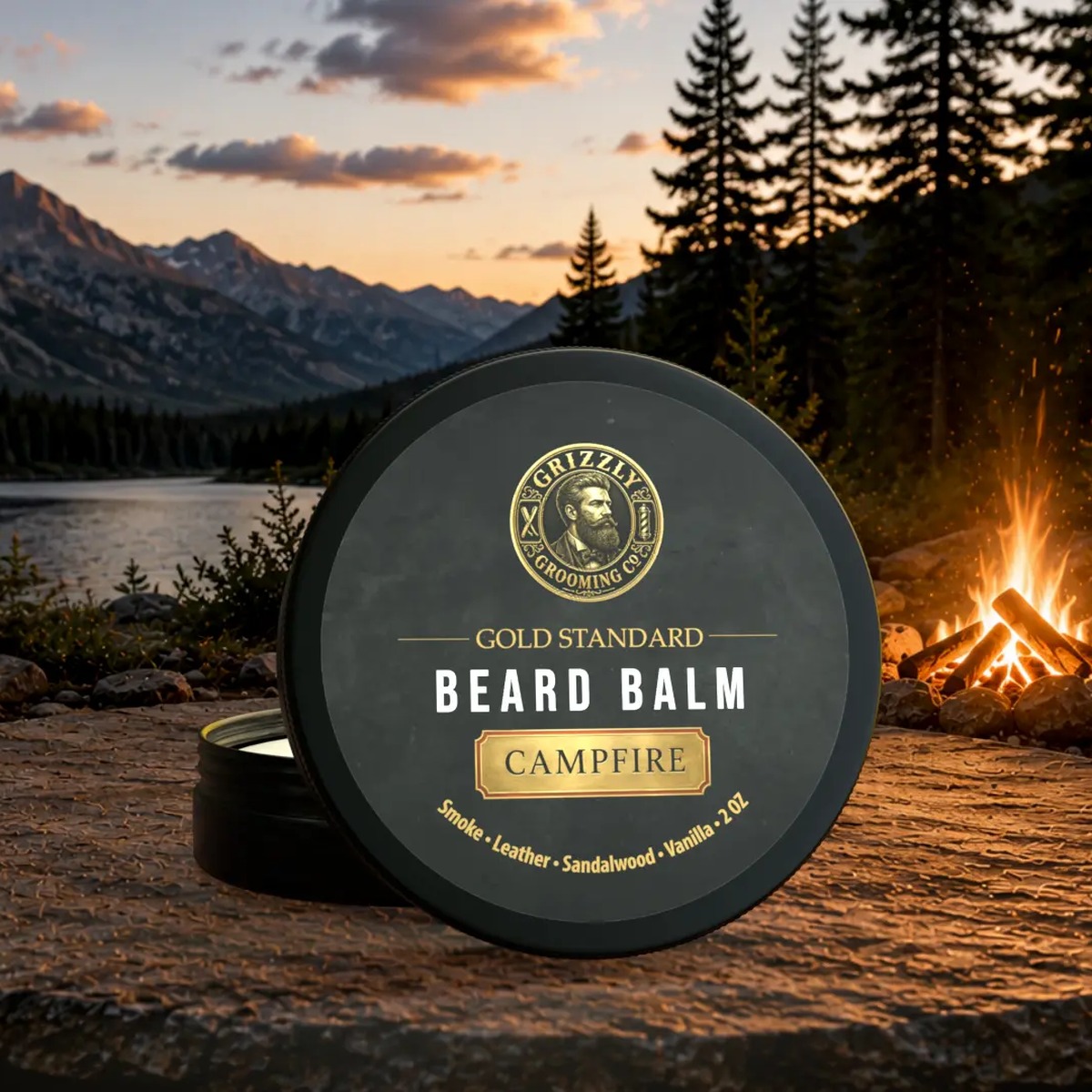
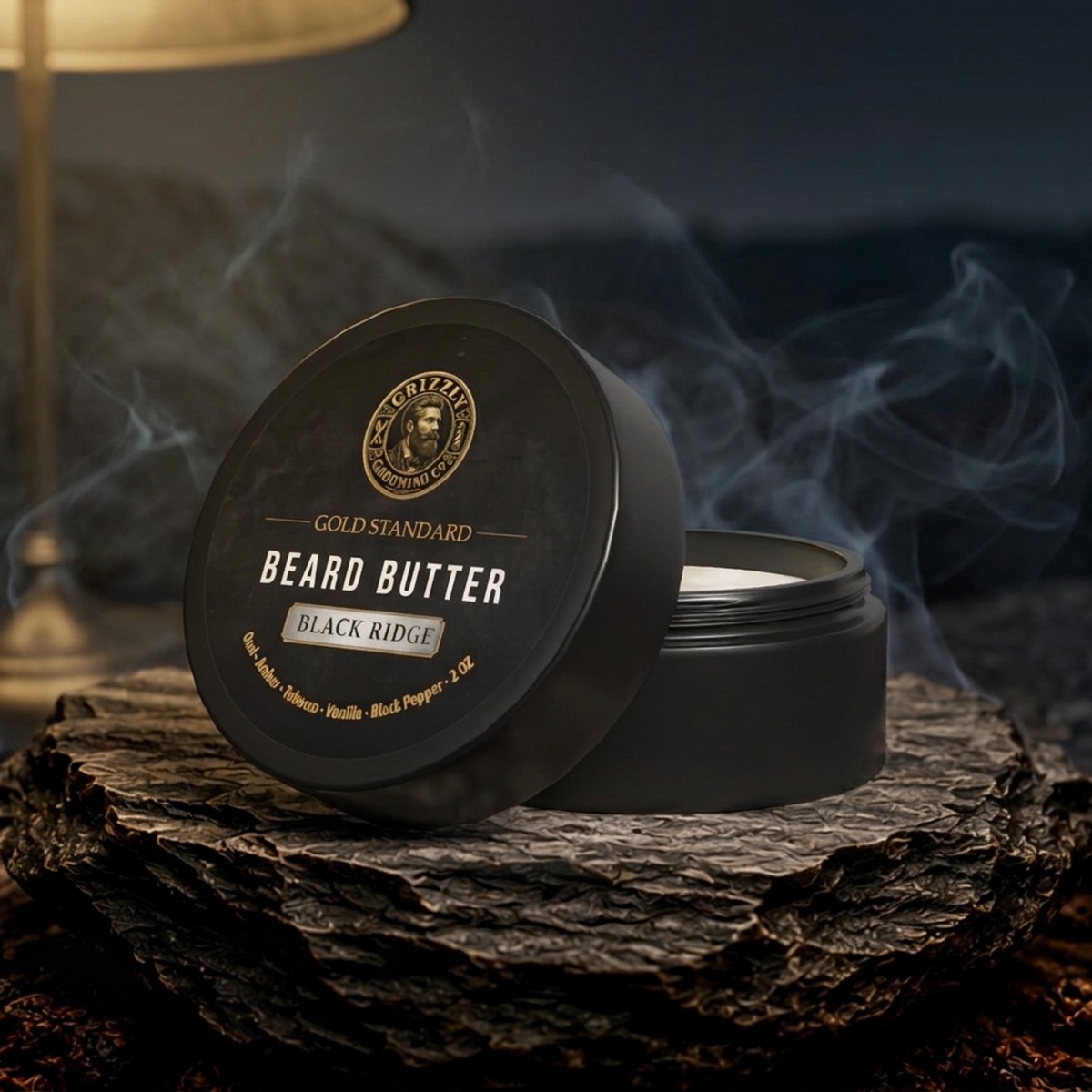
Coarse, dry hair is inherently unruly. By applying a few drops of Grizzly Gold Standard beard oil or a small amount of beard butter, you soften the cuticle of the hair. Soft hair is more pliable and less likely to resist the direction in which you comb it.
Unlike wax, which uses resins or high concentrations of beeswax to pin hair in place, a quality beard butter uses shea butter and carrier oils to add just enough weight to keep the hair down. This provides a natural, soft-to-the-touch finish that maintains its shape through healthy hydration rather than sticky adhesion.
The Role of Consistency and Combing
Training a mustache is a long-term endeavor. A pocket-sized acetate or wooden comb should be used multiple times a day to reinforce the desired growth pattern. This physical repetition encourages the follicles to lean in a specific direction over time, a process known as training the grain.
Ensure you are combing from the philtrum outward. Avoid plastic combs, which create static and cause hairs to stand on end. Consistent combing also distributes the natural oils from your skin and any products you have applied, ensuring the entire mustache stays unified.
Frequently Asked Questions
Can I use hair spray as a wax alternative?
Hair spray is generally too high in alcohol content for facial hair and will lead to brittleness and skin irritation. If you need a slight hold without wax, a small amount of beard butter or a leave-in conditioner is a much healthier choice for the hair.
How often should I trim for a wax-free look?
Without wax to manage length, you should perform a light maintenance trim every 4 to 7 days. Focus specifically on the lip line and any 'flyaway' hairs that grow faster than the main body of the mustache.
Why does my mustache still look messy after combing?
This is often due to split ends or extreme dryness. Ensure you are using a dedicated beard wash rather than standard soap, and follow up with an oil to weigh down the hairs and seal the cuticle for a smoother appearance.
Build your ritual in 60 seconds.
Answer four questions and get a custom regimen — plus a 15% bundle discount.
Start The Ritual Builder