Maintaining a Tidy Mustache Without the Daily Use of Styling Wax
While styling wax provides the firmest hold for complex styles, not every man desires a stiff or tacky finish for his daily wear. Achieving a disciplined mustache without heavy resins requires a focus on structural trimming and foundational hair health. By managing the weight and moisture of the hair, you can influence its direction naturally.
- ›Prioritize precise trimming over the upper lip to prevent stray hairs from losing their shape.
- ›Utilize heat from a blow dryer to train the hair follicles to lay in the desired direction.
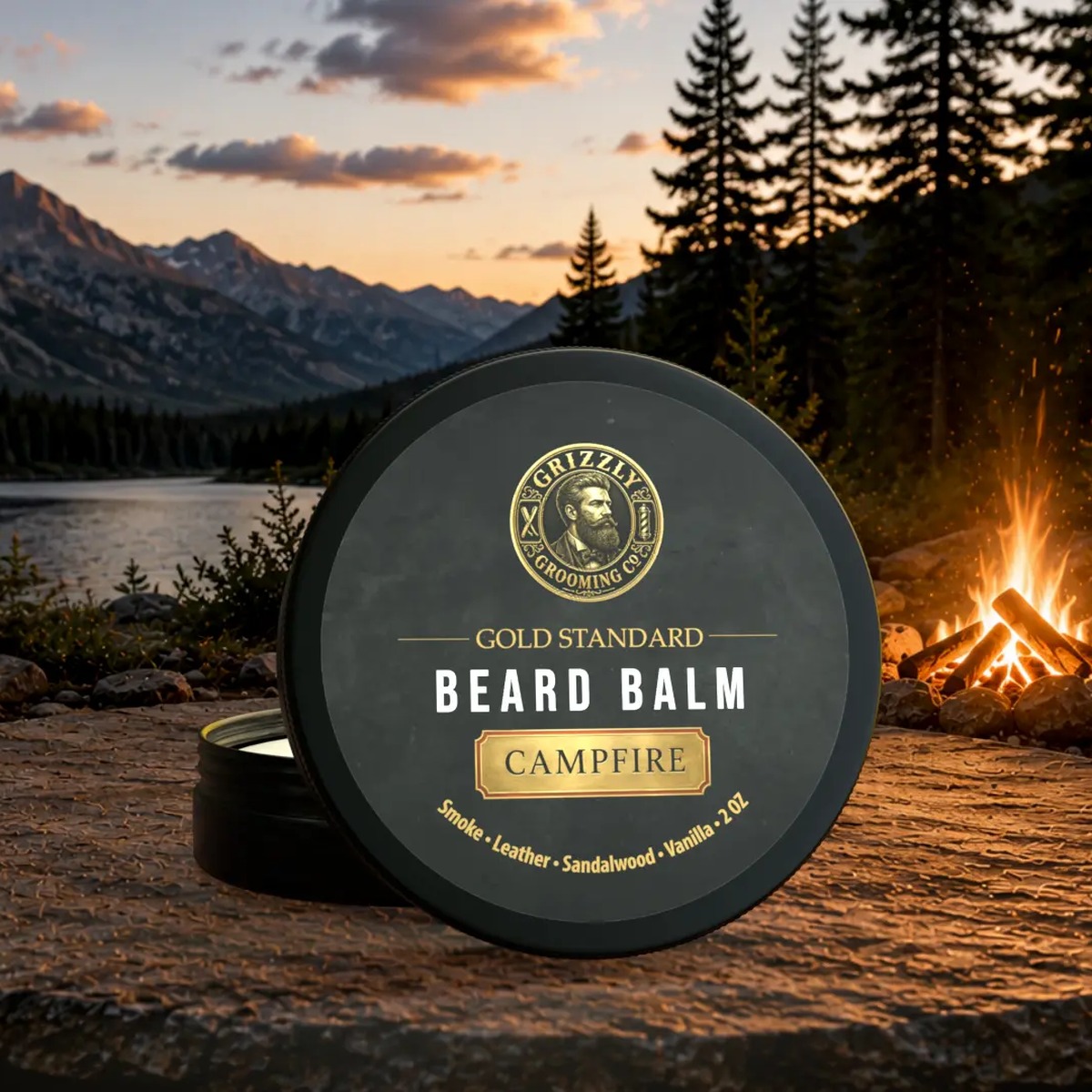
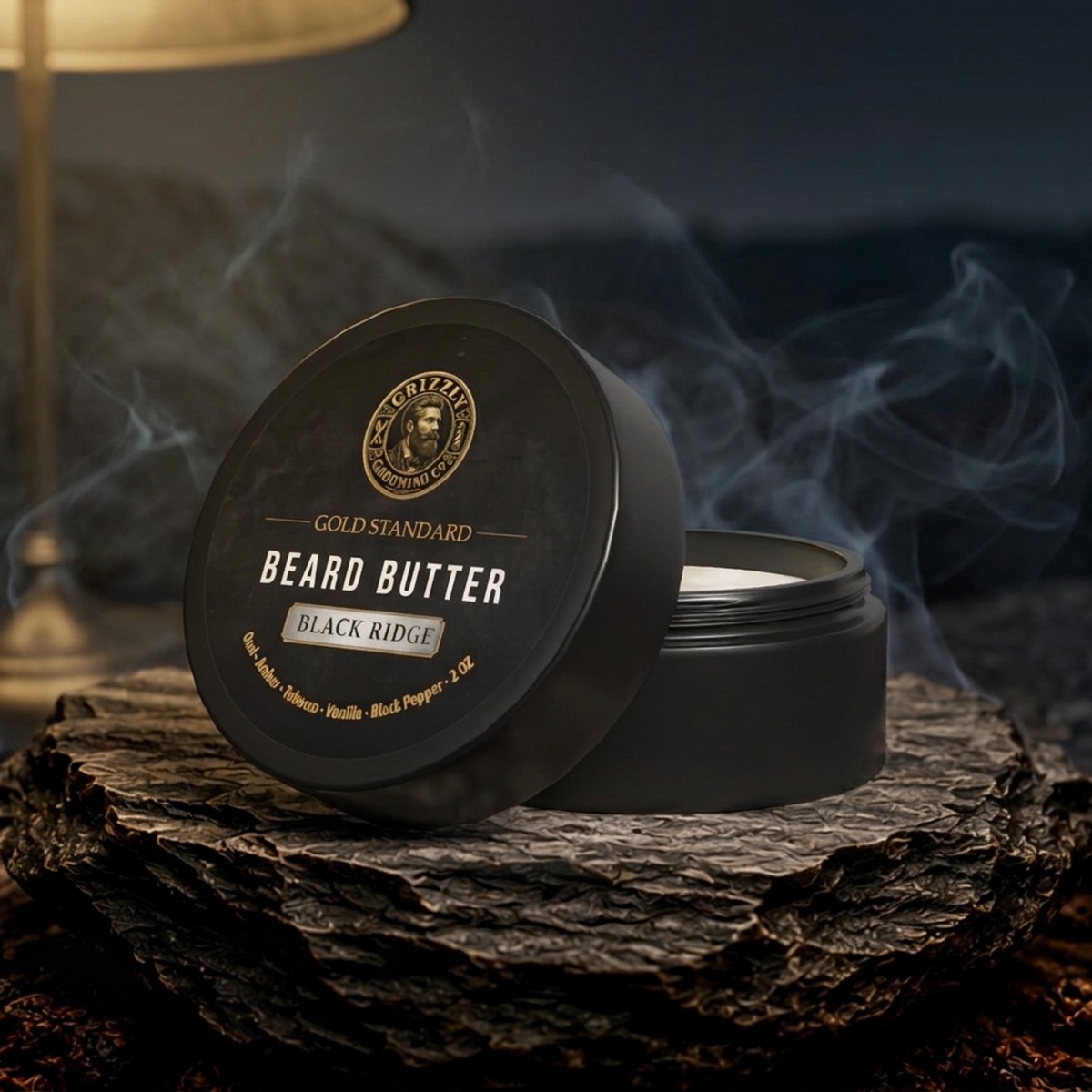
- ›Replace heavy waxes with premium beard balm or beard butter for a soft, natural hold.
- ›Exfoliate the skin beneath the mustache to ensure hairs grow outward without obstruction.
- ›Comb the mustache daily while damp to establish a growth pattern away from the mouth.
The Foundation of Structural Trimming
A mustache that appears messy often suffers from poor weight distribution rather than a lack of product. To maintain a tidy appearance tanpa wax, you must use professional shears or a high-quality trimmer to clear the line of the upper lip. This prevents hairs from curling into the mouth, which is the primary cause of an unkempt look.
Focus on 'tapering' the bulk from the middle of the mustache toward the corners of the mouth. By removing slight weight from the center, the remaining hair lays flatter against the skin. This structural approach ensures the mustache retains its silhouette even when exposed to humidity or movement throughout the day.
Training Hair with Heat and Moisture
Hair has a memory that can be influenced by temperature. After your morning shower, while the mustache is still damp, use a fine-tooth comb to work the hair into your preferred shape. Directing a blow dryer on a medium-heat setting toward the hairs while combing will set the keratin bonds in place.
Finish the process with a cold-air shot from the dryer. This sudden temperature drop seals the hair cuticle and locks in the shape you have just created. This technique allows for a controlled look that remains pliable and soft to the touch, unlike the rigid structure provided by traditional waxes.
Leveraging High-Quality Balms and Butters
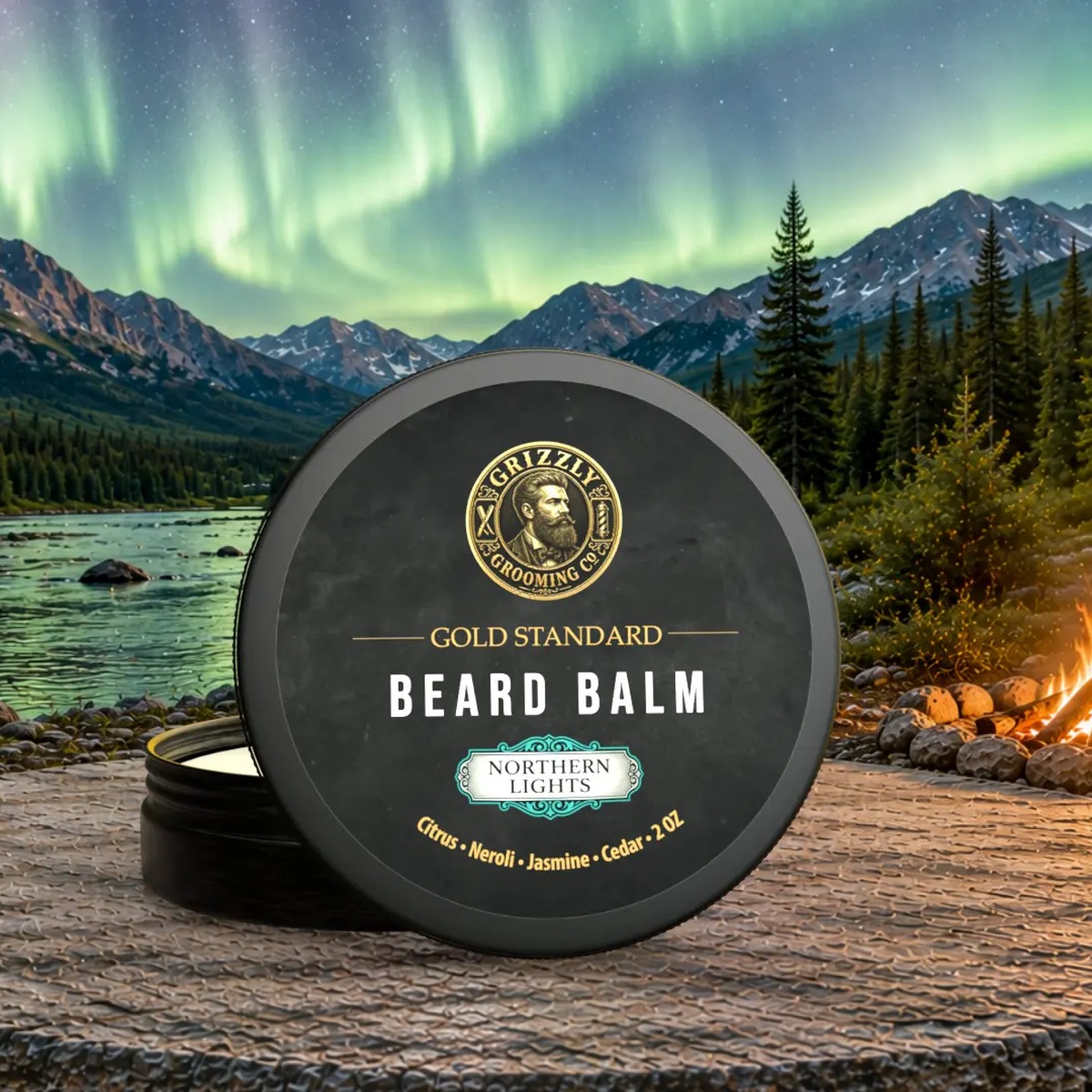
If you find that a completely product-free mustache is too unruly, look toward lighter alternatives. A premium beard balm, such as our Grizzly Gold Standard formula, utilizes beeswax and lanolin in lower concentrations than a dedicated mustache wax. This provides enough weight to keep flyaways down without the stiff, glossy finish.
For those with particularly coarse hair, a beard butter is an even better alternative. The high shea butter content provides deep hydration, making the hair more obedient. Applying a small amount at night ensures the hair is soft enough by morning to be manipulated into place with nothing more than a few strokes of a comb.
Skincare and Follicle Management
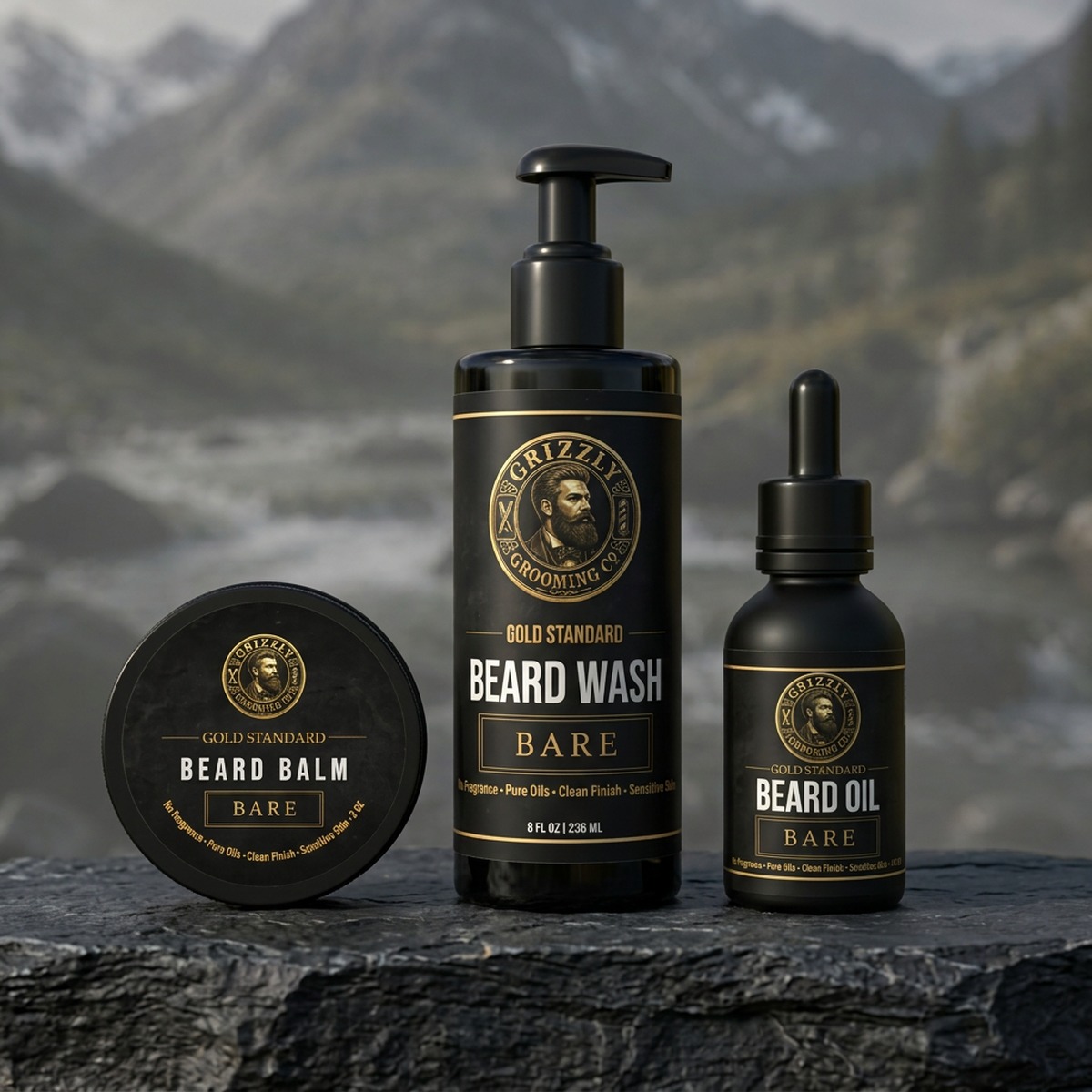
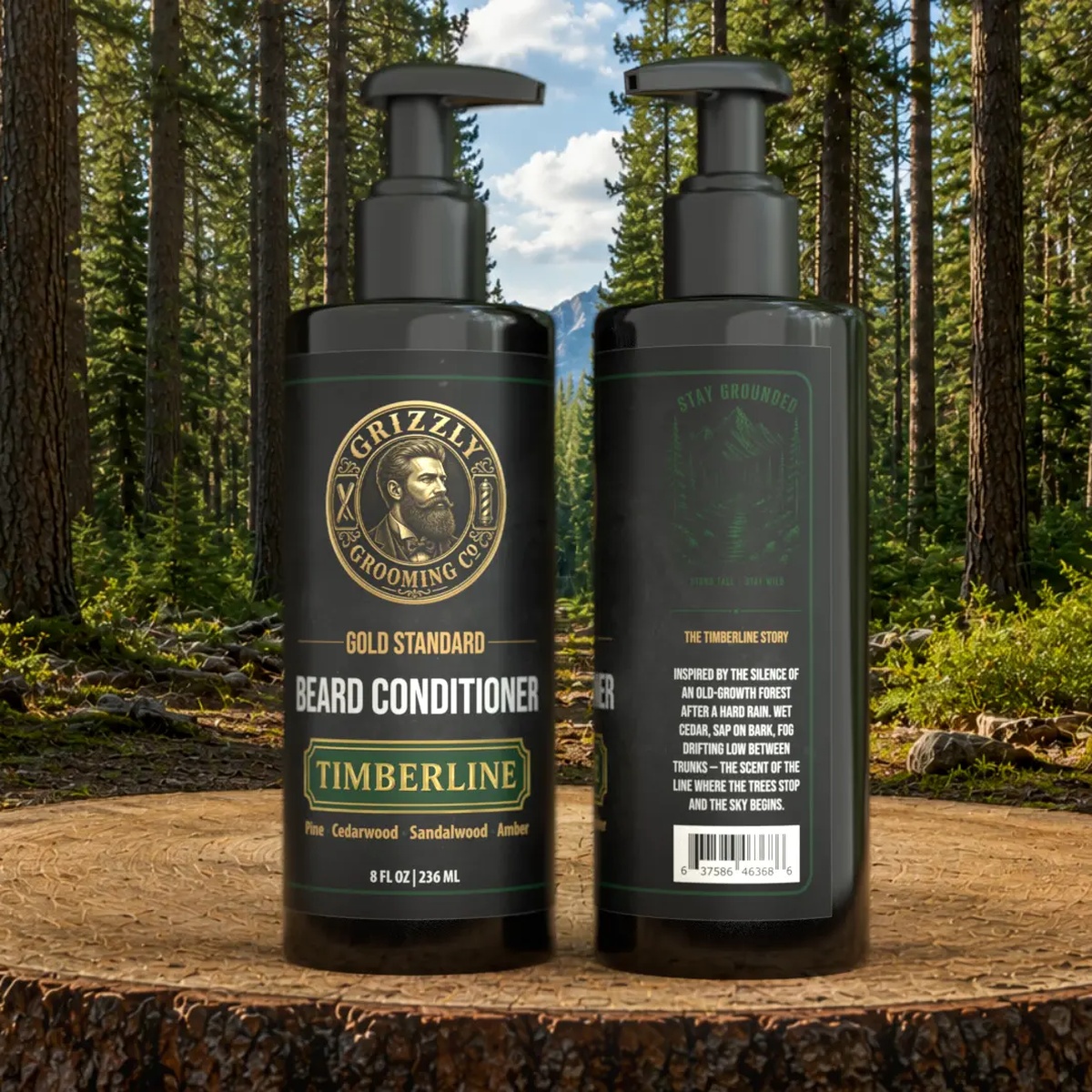
The health of the skin underneath the mustache dictates how the hair sits. When the skin is dry or flaky, it can cause the hair to stand at odd angles. Incorporating a dedicated beard wash into your routine ensures that the skin remains clean and the hair remains light.
Regularly using a drop of beard oil near the skin level facilitates a smoother exit for the hair from the follicle. This reduces the tension that causes hairs to 'spring' outward. A well-hydrated mustache is a heavy mustache, and weight is the natural enemy of frizz and disorder.
Frequently Asked Questions
Can I use hair gel on my mustache instead of wax?
It is not recommended. Most hair gels contain high alcohol content which dehydrates facial hair, leading to split ends and a brittle texture. If you need hold, a light beard balm is a far superior choice for the health of your whiskers.
How often should I trim if I am not using wax?
Without wax to pin stray hairs back, you will likely need to perform minor maintenance trims every 3 to 5 days. Keeping the line above the lip clear is essential for a tidy appearance.
Will my mustache eventually grow in one direction naturally?
To an extent, yes. Consistent combing and the use of heat training can help the hairs 'learn' to grow outward. However, genetics and follicle angle will always play a role in the natural flow of your facial hair.
Build your ritual in 60 seconds.
Answer four questions and get a custom regimen — plus a 15% bundle discount.
Start The Ritual Builder