Identifying the Signs Your Current Beard Oil Is Damaging Your Facial Hair
The right beard oil should be invisible in its work, leaving your skin hydrated and your whiskers manageable without a heavy residue. If your grooming routine feels like a constant battle against irritation or greasiness, the issue usually lies in the bottle. Understanding the chemistry of your topicals is the first step toward a healthier beard.
- ›Persistent itchiness often signals low-quality carrier oils or synthetic fragrances.
- ›A greasy finish that doesn't absorb within twenty minutes indicates a formulation mismatch.
- ›Breakouts and clogged pores are common side effects of comedogenic ingredients like coconut oil.
- ›Fragile, snapping beard hairs suggest your oil lacks the necessary fatty acids for deep hydration.
- ›Strong chemical odors are a red flag for phthalates and parabens that dry out the dermis.
The Myth of the Persistent Beard Itch
Many men believe that an itchy beard is a natural stage of growth that must be endured. While new growth can cause minor irritation, a mature beard that continues to itch is typically reacting to an inferior oil. If your current product relies on heavy silicones, it may be sitting on top of the skin rather than penetrating the follicle, causing the skin beneath to become chronically parched.
Quality beard oil should prioritize lightweight carrier oils like jojoba or argan, which mimic the skin's natural sebum. When these oils are absent, the skin reacts by becoming inflamed. If you find yourself scratching at your chin throughout the day, your oil is failing its primary objective of dermal hydration.
Absorption Rates and Greasy Residue
A well-formulated beard oil should be fully absorbed within fifteen to twenty minutes of application. If your phone screen is covered in oil hours after grooming, or if your beard looks unnaturally wet, the oil's molecular structure is likely too large for your hair porosity. This is often a sign of high concentrations of castor oil or mineral oil without proper balancing agents.
Grizzly Gold Standard beard oil is designed to provide a matte to low-shine finish because the ingredients are selected for their absorption rates. Overly greasy oils attract environmental dust and debris, which leads to tangles and a gritty texture that can damage the hair cuticle over time.
Comedogenic Ingredients and Skin Congestion
Beard acne, or 'beardne', is frequently a result of using comedogenic oils that clog pores. Ingredients like coconut oil, while popular in budget formulations, have a high comedogenic rating and can lead to painful cystic bumps under the beard line. If you notice increased breakouts shortly after starting a new bottle, the formula is likely too heavy for your skin type.
We recommend looking for non-comedogenic alternatives such as grapeseed or sweet almond oil. These provide the necessary vitamins E and A without suffocating the pores. A clean beard starts with the skin, and your oil must respect the delicate balance of your facial microbiome.
Scent Stability and Chemical Irritants
If your beard oil smells intensely artificial or changes scent profile significantly an hour after application, it likely contains synthetic 'fragrance' or 'parfum'. These umbrella terms often hide phthalates and alcohols that strip moisture from the hair shaft, leading to brittle ends and split fibers.
A premium beard oil uses essential oils or high-grade fragrance oils that are stable and skin-safe. If you experience a stinging sensation upon application, or if the skin turns red, immediately discontinue use. This is a clear indicator of an allergic reaction or a pH imbalance in the product.
Brittle Hair and Lack of Elasticity
Healthy beard hair should have a degree of elasticity. If you notice excessive shedding or hairs snapping when you use a beard comb, your oil is not providing sufficient nourishment. True conditioning comes from essential fatty acids that seal the hair cuticle and prevent 'hygral fatigue', which occurs when hair absorbs too much water and then dries out too quickly.
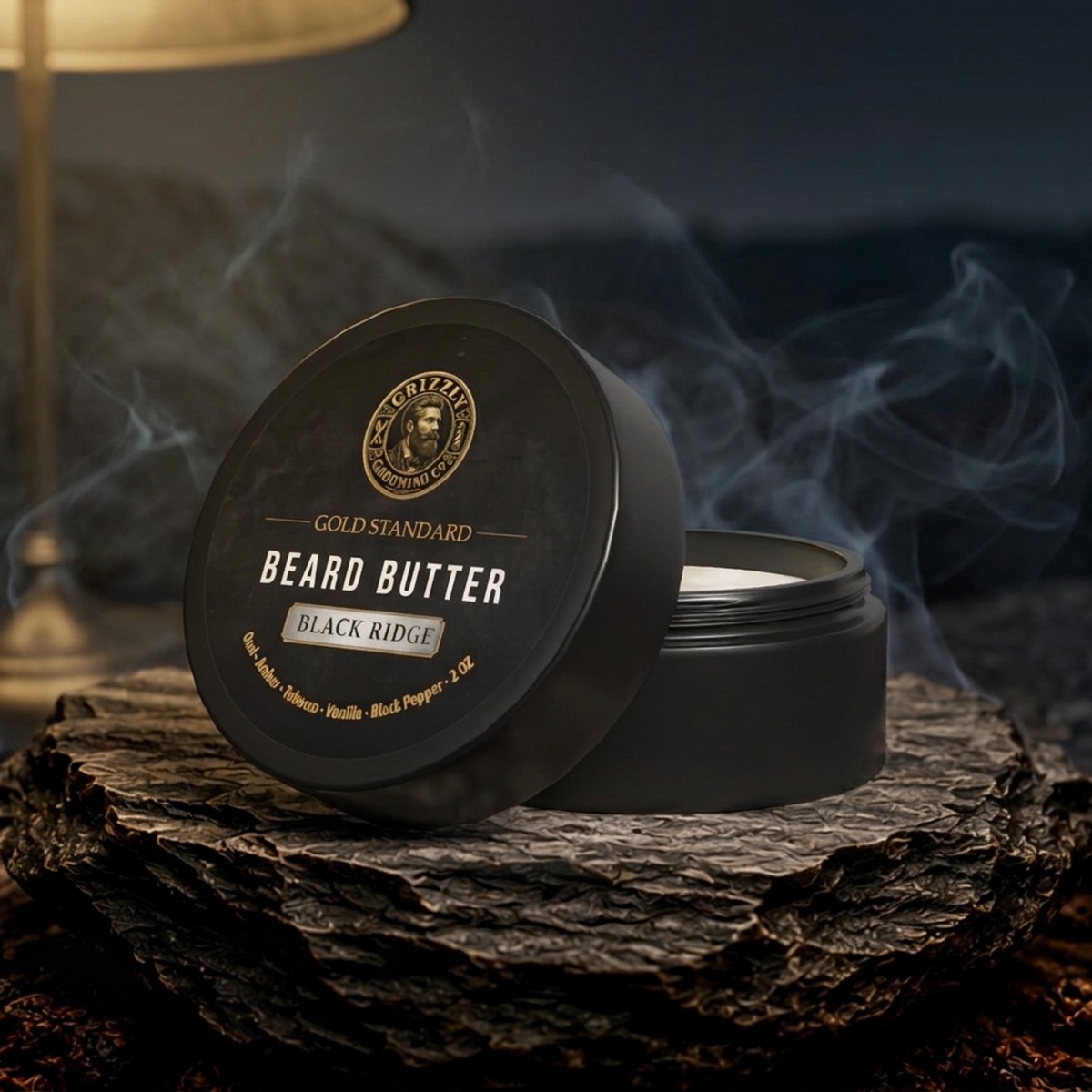
Switching to a formula that balances humectants and emollients will restore that natural flex. For those with extremely dry facial hair, layering a beard butter over a high-quality oil can provide the deeper overnight conditioning required to fix the structural integrity of the hair.
Frequently Asked Questions
How much beard oil should I actually be using?
For a medium beard, 3-5 drops is typically sufficient. The goal is to coat the skin underneath first, then work the remaining oil through the ends of the hair. Using more won't increase the benefits; it will only lead to wastage and a greasy finish.
Can I use beard oil if I have oily skin?
Yes, but you must choose a specific formulation. Using a lightweight, non-comedogenic oil can actually help regulate your skin's natural oil production by signaling to the pores that they are already sufficiently hydrated.
Why does my beard feel crunchy even after applying oil?
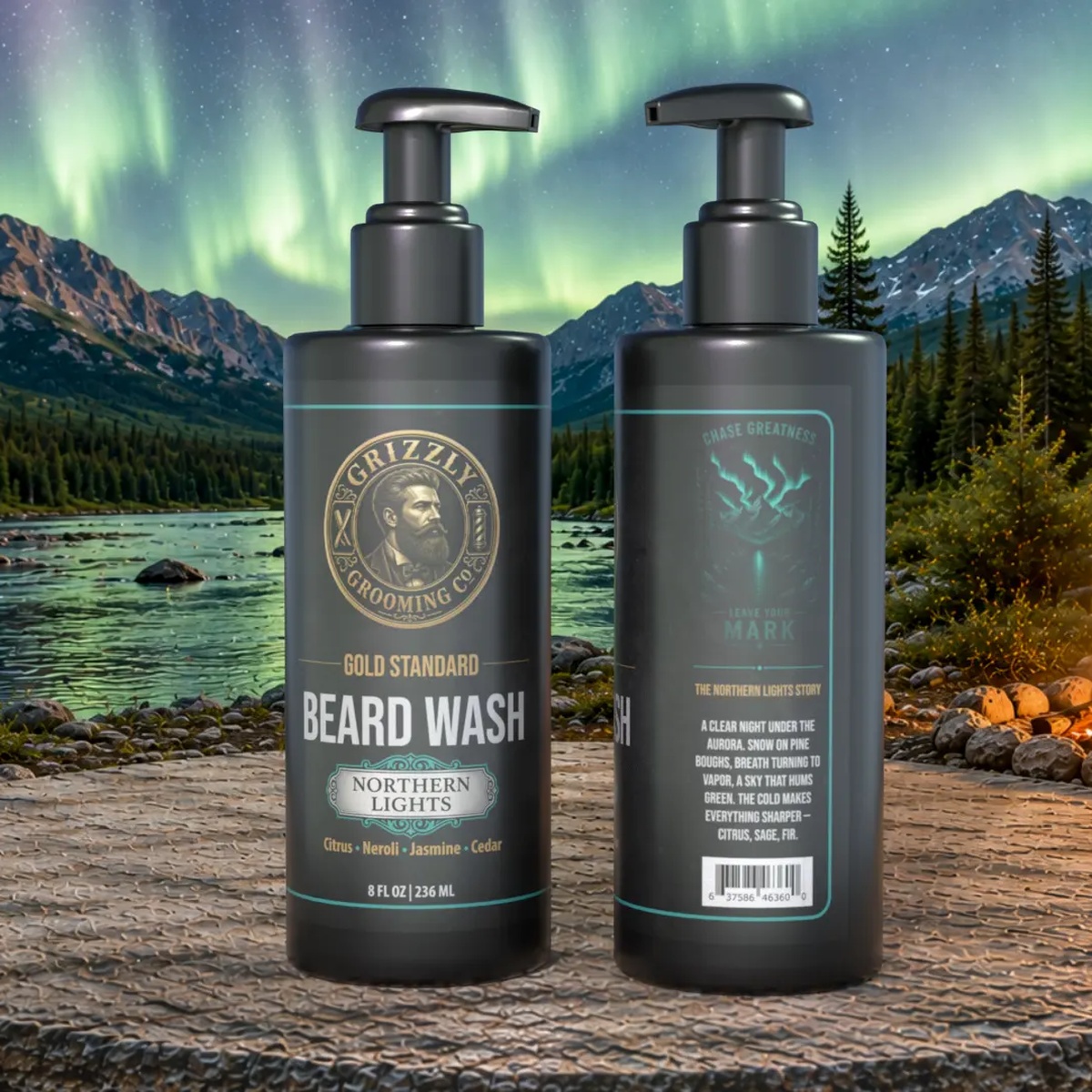
Crunchiness is often a sign of buildup from synthetic styling agents or a lack of internal moisture. Ensure you are using a dedicated beard wash to remove old product before applying a fresh layer of oil to slightly damp hair.
Build your ritual in 60 seconds.
Answer four questions and get a custom regimen — plus a 15% bundle discount.
Start The Ritual Builder