Identifying Signs Your Beard Oil is Wrong for Your Skin and Hair
A quality beard oil should disappear into your skin and hair, leaving nothing but a healthy sheen and a soft texture. If you are experiencing persistent discomfort or visual skin issues, the formulation you are using likely contradicts your biological needs. Understanding how specific carrier oils and fragrances interact with your sebum production is essential for a refined grooming ritual.
- ›Persistent itchiness usually indicates a reaction to synthetic fragrances or poor quality carrier oils.
- ›Beard acne or 'beardne' is often the result of comedogenic oils like coconut oil blocking the pores.
- ›A greasy residue that lasts more than thirty minutes suggests the oil is not absorbing correctly.
- ›Dry, brittle hair despite daily application points to a lack of essential fatty acids in the blend.
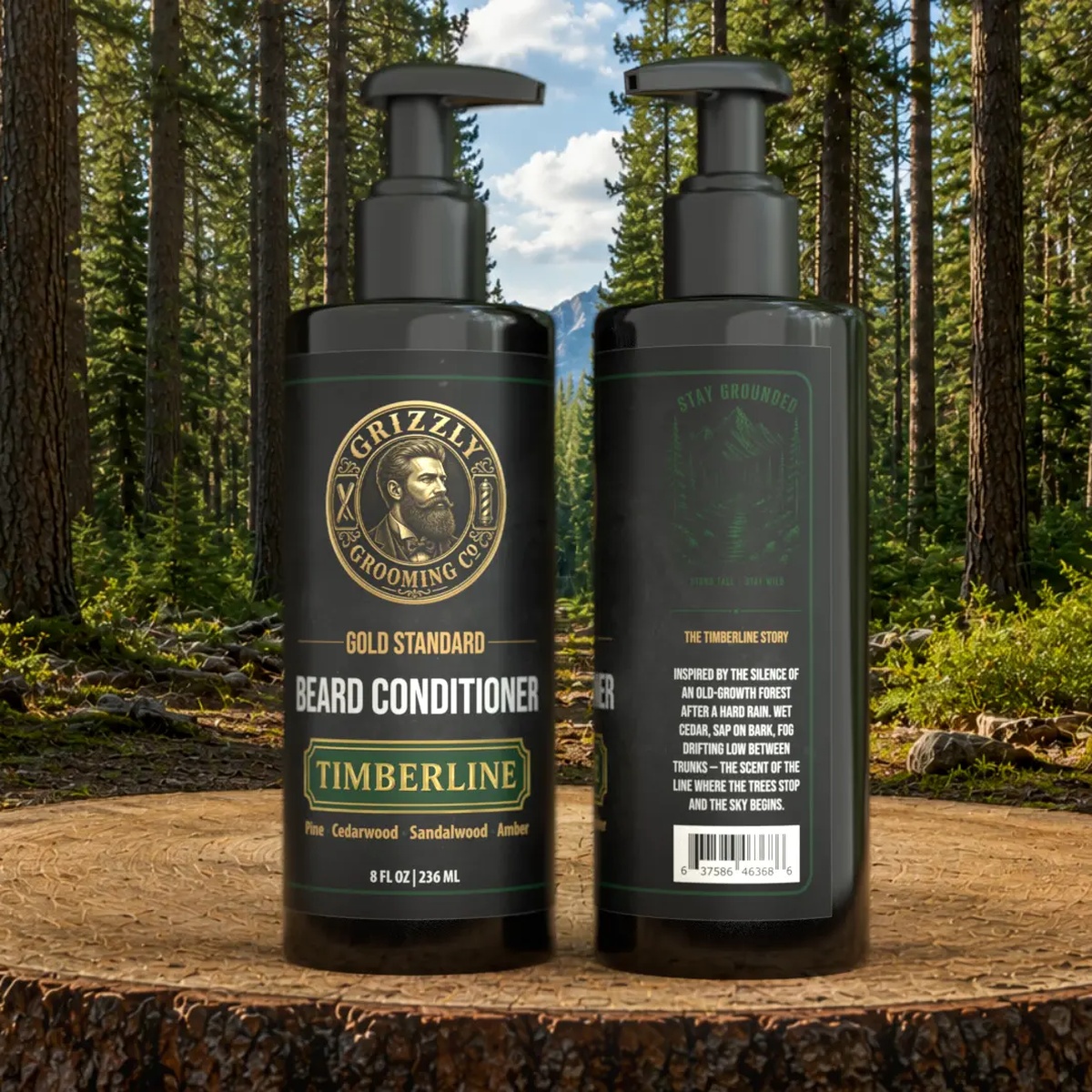
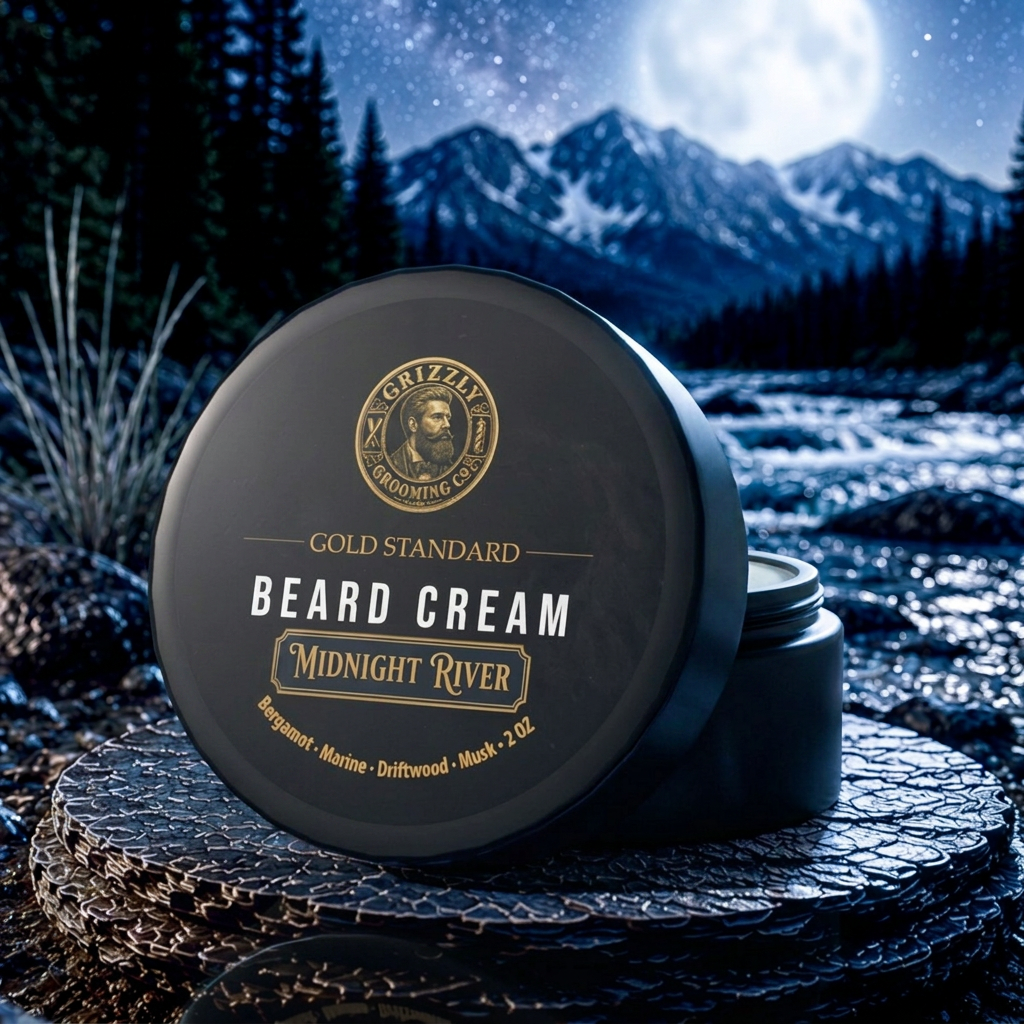
- ›Switching to a balanced formula like Grizzly Gold Standard ensures proper absorption and skin health.
The Persistence of the Beard Itch
While a new beard often itches during the first few weeks of growth, a mature beard should remain comfortable. If you find yourself scratching at the skin beneath your hair several hours after application, your oil is likely the culprit. This is often caused by high concentrations of synthetic fragrance oils or low-grade essential oils that strip the skin's natural barrier.
To remedy this, examine your ingredient list for 'parfum' or 'fragrance.' These are umbrella terms for hundreds of chemicals that can cause contact dermatitis. A superior alternative is a blend focused on jojoba and argan oils, which closely mimic human sebum and soothe the skin rather than irritating it.
Breakouts and Comedogenic Congestion
If you are noticing small bumps or full-blown acne beneath your beard, your oil is likely comedogenic. This means the molecules in the oil are too large to be absorbed, causing them to sit on the surface and trap bacteria, dead skin, and dirt within the follicle. Coconut oil, while popular, is a frequent offender in this category for men with oily or combination skin.
A well-engineered beard oil should use lightweight carriers. Our Grizzly Gold Standard formulations prioritize absorption, ensuring the skin remains breathable. If you see 'Isopropyl Myristate' or high amounts of cocoa butter in your current bottle, these are likely the sources of your congestion.
The Greasy Residue Problem
A proper beard oil application should be touch-dry within 15 to 20 minutes. If your phone screen is covered in oil after a call or your shirt collar shows yellowing stains, the oil is sitting on the hair shaft rather than penetrating the cuticle. This often happens with heavy, cheap fillers like soybean oil or sunflower oil used to bulk out the product.
Quality oils use a specific balance of saturated and unsaturated fats. When the balance is correct, the oil travels into the cortex of the hair to provide internal hydration. If your beard feels coated but remains stiff and straw-like, you are dealing with a surface-level product that lacks the molecular structure to provide real nourishment.
Unexpected Scent Distortions
The way an oil smells in the bottle should remain consistent once applied to the skin. If the scent turns sour, metallic, or overly musky after an hour, it is reacting poorly to your skin's natural pH level. This oxidation process not only smells unpleasant but indicates that the oil is breaking down and losing its protective qualities.
This is particularly common in oils that lack natural antioxidants like Vitamin E (Tocopherol). Vitamin E acts as a stabilizer, preventing the botanical oils from going rancid. When choosing a product, ensure it contains these stabilizing elements to maintain the integrity of the scent and the health of your facial hair throughout the day.
Frequently Asked Questions
How long should it take for beard oil to absorb?
On average, a high-quality beard oil should be fully absorbed into the skin and hair within 15 to 30 minutes. If your face still feels oily or slick after an hour, you are likely using too much product or the carrier oils are too heavy for your skin type.
Can beard oil cause dandruff?
Actually, the wrong beard oil can exacerbate 'beardruff.' If the oil contains drying alcohols or harsh synthetic scents, it can dehydrate the skin, leading to flaking. True beard dandruff is often a result of either extreme dryness or a fungal imbalance, both of which require a clean, botanical-based oil to resolve.
Should I stop using oil if I get a pimple?
Not necessarily, but you should evaluate the ingredients. Switch to a non-comedogenic oil that uses jojoba or grapeseed as a base. You should also ensure you are using a dedicated beard wash to remove old oil and dead skin cells before applying a fresh layer.
Build your ritual in 60 seconds.
Answer four questions and get a custom regimen — plus a 15% bundle discount.
Start The Ritual Builder