Identifying Signs Your Beard Oil Formulation Is Damaging Your Skin
A high-quality beard oil should be invisible in its utility, providing moisture to the skin and a slight sheen to the hair without weight or irritation. If your current routine feels like a constant battle against itch or excessive grease, your oil is likely the culprit rather than the solution.
- ›Persistent beard itch often indicates synthetic fragrances or low-quality carrier oils.
- ›Breakouts under the beard are a sign of comedogenic ingredients like coconut oil.
- ›Beard hair that feels crunchy or stiff suggests high alcohol content or cheap fillers.
- ›Lingering grease that doesn't absorb within twenty minutes indicates a heavy, improper blend.
The Persistency of Chronic Beard Itch
While a new beard often experiences a transitional itch, an established beard should be comfortable. If you find yourself scratching at the skin beneath your facial hair hours after application, your beard oil is likely failing to penetrate the dermal layer or, worse, causing a mild allergic reaction.
Synthetic fragrances are the most common offenders in this category. Many mass-market products use phthalates to stretch scents, which can strip the skin of its natural sebum. A proper Grizzly Gold Standard beard oil utilizes plant-based carriers that mimic natural oils to soothe the skin rather than irritate it.
If the itch is accompanied by redness, stop use immediately. Your skin is communicating that the chemical profile of the oil is too harsh for your specific pH level.
Clogged Pores and Sub-Beard Acne
Beard oil is, first and foremost, a skin product. When you notice whiteheads or painful cystic bumps forming under your beard, your oil is likely comedogenic. This means the molecules are too large to be absorbed, leading them to sit on the surface and trap bacteria within the pore.
Common culprits include low-grade coconut oil or olive oil blends that haven't been properly refined for facial use. While these ingredients work for the body, the face requires lighter oils like jojoba or argan that balance sebum production rather than blocking it.
Switching to a professionally formulated beard oil with non-comedogenic properties will typically clear these breakouts within one growth cycle, which is approximately four to six weeks.
The Greasy Residue Timeline
A well-crafted beard oil should absorb completely within fifteen to twenty minutes of application. If you can still feel a slick, oily film on your hands when you touch your beard at midday, the formulation is too heavy for your hair density or skin type.
Excessive grease often stems from a high concentration of castor oil or mineral oils. While castor oil has its place for thickness, an imbalance makes the beard a magnet for environmental dust and pollutants, leading to a 'gritty' feeling by evening.
Evaluate the absorption rate by pressing a single ply of tissue against your beard thirty minutes after grooming. If the tissue comes away with significant oil spots, you need a lighter blend.
Brittleness and the Illusion of Hydration
It is a common paradox: applying oil daily yet finding your beard hair feels like straw. This usually happens when an oil relies on drying alcohols or silicones to create a temporary shine. These ingredients coat the hair shaft, preventing actual moisture from penetrating the cuticle.
Over time, this coating builds up and causes the hair to become brittle and prone to split ends. If your beard feels 'crunchy' despite regular oiling, you are likely dealing with a product that prioritizes aesthetics over structural hair health.
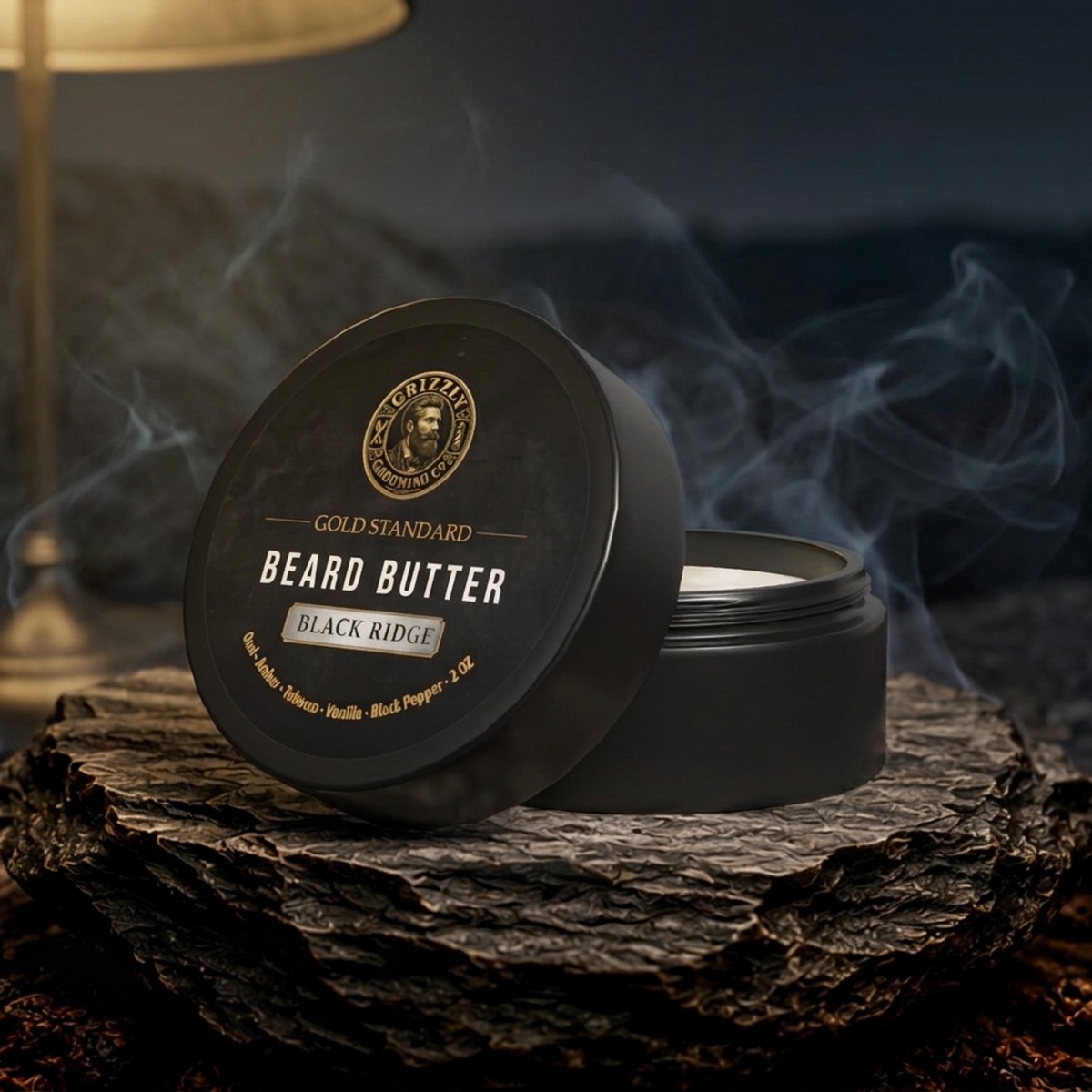
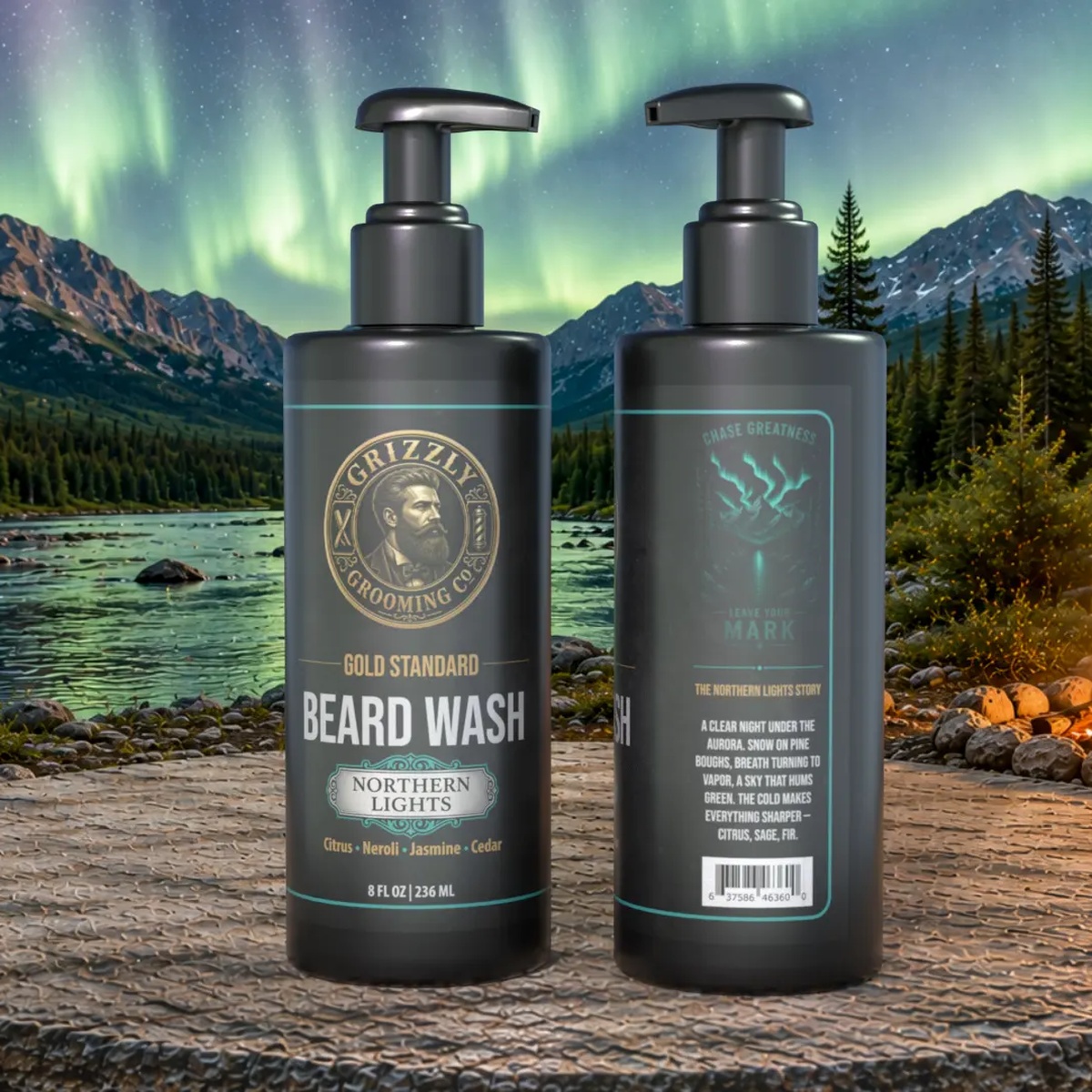
For men experiencing this, a deep cleanse with a dedicated beard wash followed by a high-quality beard butter can help reset the moisture balance that the improper oil destroyed.
Frequently Asked Questions
Can beard oil cause my skin to peel or flake?
Yes, if the oil contains harsh synthetic scents or lacks sufficient hydrating carriers, it can dry out the skin, leading to 'beardruff.' Ensure your oil uses jojoba or sweet almond oil as a base to prevent this.
Why does my beard smell sour a few hours after using oil?
This occurs when the carrier oils in the product have gone rancid or are reacting poorly to your skin's natural bacteria. Switch to a fresh, small-batch oil with stable ingredients to avoid this odor.
Should I stop using oil if I get a single pimple?
Not necessarily, but monitor the frequency. One pimple may be environmental, but a cluster of breakouts is a clear indicator that the oil's viscosity is too high for your pores.
Build your ritual in 60 seconds.
Answer four questions and get a custom regimen — plus a 15% bundle discount.
Start The Ritual Builder