How to Choose a Signature Scent: A Practical Method
A signature scent is a shortcut. It means people associate a smell with you, that you stop deliberating in front of a shelf, and that your grooming products can be chosen to reinforce one identity instead of arguing with each other. But most men choose wrong, because they choose in a store, on paper, in the first ninety seconds — which tells you almost nothing about how a fragrance will behave on your skin four hours later. Here is a method that works.
- ›Test on skin, not paper, and judge at four hours — not at first spray.
- ›Know your family: fresh, woody, spicy, aromatic, or oriental.
- ›Match to climate and context; heavy scents fail in heat and small offices.
- ›Try no more than three fragrances a day, and live in each for a full day.
- ›Layer wash, oil, and cologne in one family for all-day presence.
Start with families, not bottles
Fragrance is organised into families, and knowing yours narrows the field from thousands to dozens. Fresh scents lean citrus, marine, and green — bright, clean, easy to wear, and best in heat. Woody scents centre on cedar, sandalwood, and vetiver — grounded, warm, and the most reliably masculine register. Aromatic scents use herbs like sage, rosemary, and lavender and read crisp and classic. Spicy scents bring cardamom, black pepper, and clove and carry well in cold weather. Oriental and amber scents are the heaviest — resin, vanilla, incense — and belong to evenings and winter.
The fastest way to identify your family is to look backwards. Think of three smells you have always liked, in or out of perfumery: pine forest, wet stone, cut grass, campfire, leather, orange peel. Those associations usually map cleanly onto one or two families, and they are far more predictive than what sounds sophisticated on a description card.
Understand notes and how a scent moves
A fragrance unfolds in three stages. Top notes are the first ten to fifteen minutes: light, volatile molecules like citrus and mint. Heart notes carry the next two to four hours and define the character — spices, florals, herbs. Base notes are what remain after that: woods, resins, musks, vanilla, vetiver.
This matters because you make purchase decisions during the top notes and then live with the base notes. A fragrance that smells thrilling on the first spray can settle into something you do not recognise or like. If you take one rule from this article: judge a fragrance at the four-hour mark, on your own skin.
Concentration decides longevity
The suffix on the bottle is a concentration, not a quality grade. Eau de cologne sits around two to five percent fragrance oil and lasts about two hours. Eau de toilette runs five to fifteen percent and lasts three to five hours. Eau de parfum runs fifteen to twenty percent and lasts six to eight. Parfum or extrait exceeds twenty percent and can last all day.
For a signature scent that will be worn daily, eau de parfum is usually the right balance of presence and cost per wear. For hot climates or close-quarters offices, eau de toilette is often the smarter choice — you want people to notice it when they are near you, not before they enter the room.
A testing method that actually works
Never buy on the first sniff. Spray one fragrance on each wrist and one on an inner elbow, no more than three at once, and then leave. Live your day. Check at thirty minutes, two hours, and four hours. Note in your phone what it does — many men are surprised by how differently the same fragrance behaves on their skin compared with the store's paper strip.
Skin chemistry is real: pH, sebum production, and diet shift how notes project. Oily skin tends to amplify and hold a fragrance longer; dry skin burns through top notes faster. Go into a shop with clean skin, no other fragrance on, and no coffee or strong food immediately before. Samples and decants are worth the small cost — a week with a five-millilitre vial answers more questions than an hour in a store.
Match the scent to your actual life
A fragrance has to work in the rooms you occupy. Heat amplifies projection, so a heavy amber that is perfect in December becomes overpowering in July. Cold air suppresses volatility, which is why spicy and woody scents shine in winter. Open-plan offices, gyms, and hospitals call for restraint; evenings, dinners, and cold weather permit more.
Many men solve this with two anchors rather than one: a fresh or aromatic scent for daytime and warm weather, and a woody or spicy one for evenings and winter. That still counts as having a signature if both live in adjacent families and share a common thread, like cedar or bergamot.
Apply it properly
Two to four sprays is the correct dose for almost everyone. Target pulse points where blood flow warms the skin and lifts the scent: the sides of the neck, the chest, and the inner wrists. Spray from about six inches. Do not rub the wrists together — friction breaks down the top notes.
Apply to moisturised skin. Hydrated skin holds fragrance markedly longer than dry skin, which is why applying just after a shower and a light lotion or beard oil improves longevity noticeably. And avoid spraying directly into the beard at close range if the fragrance is high in alcohol, which dries the hair; spray the neck and chest instead and let the beard pick up the ambient scent.
Layer within one family for real presence
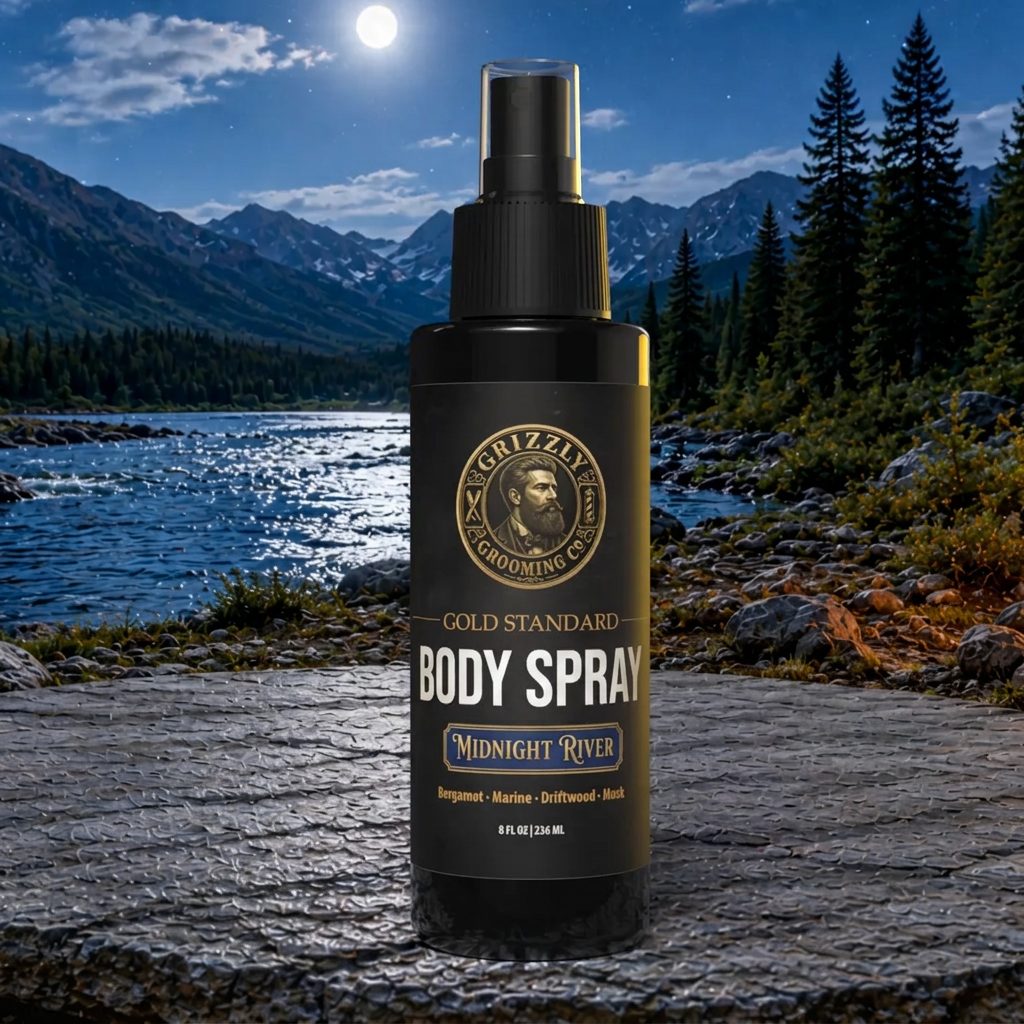
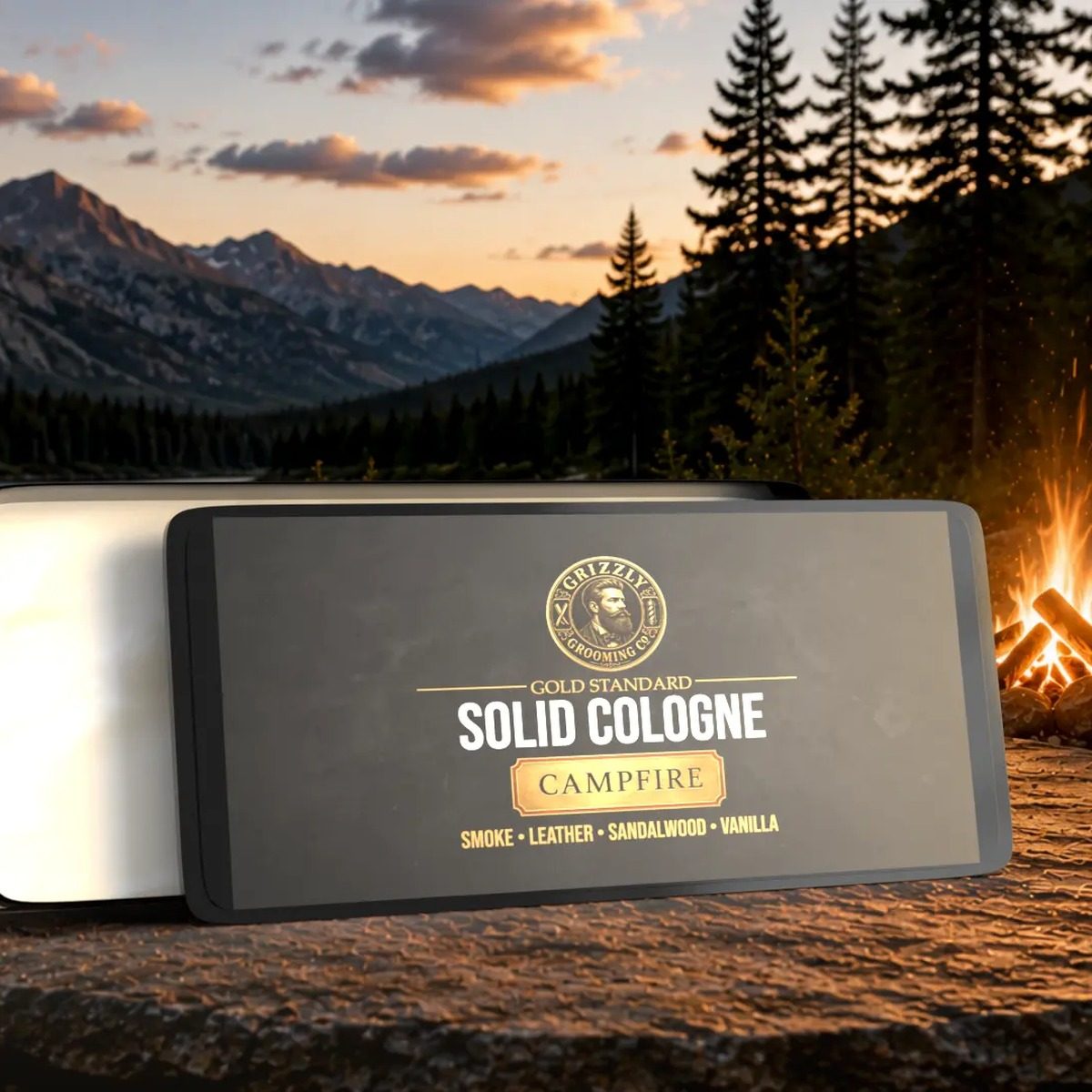
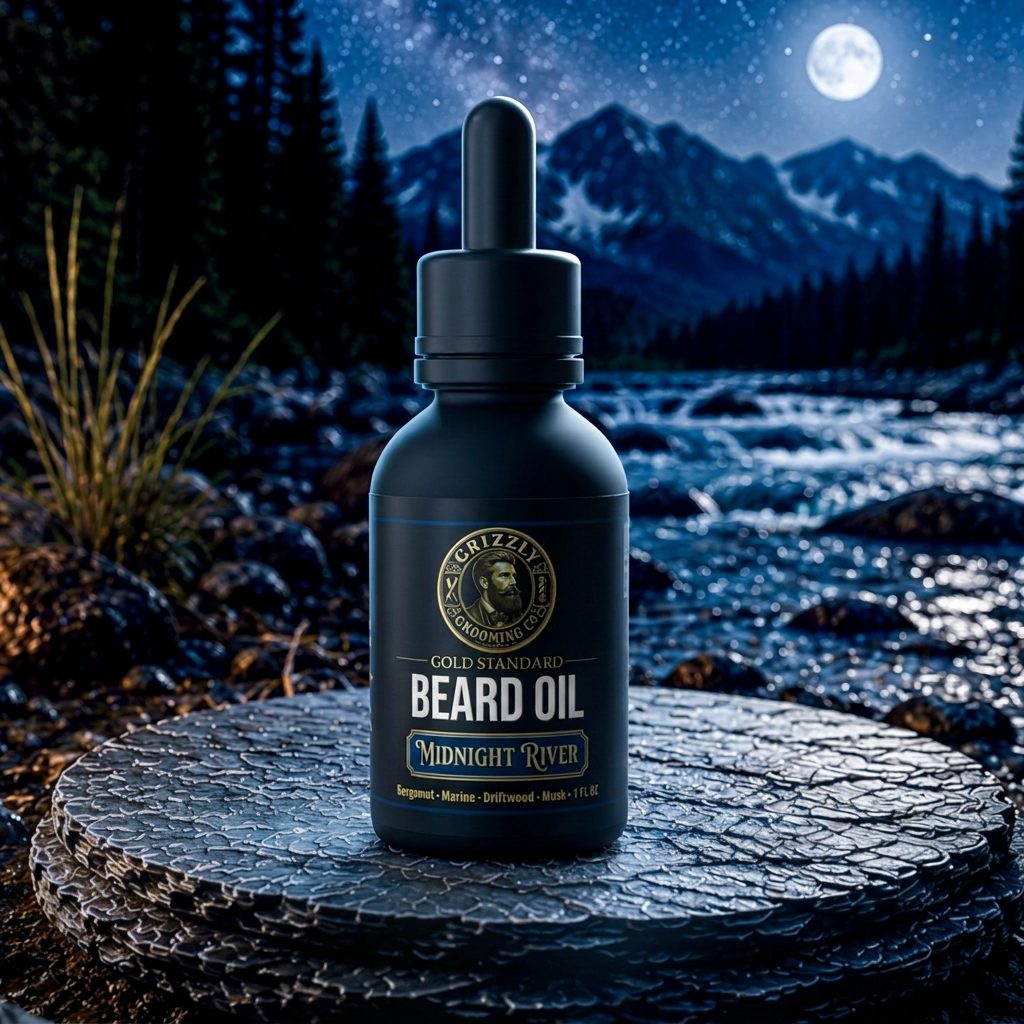
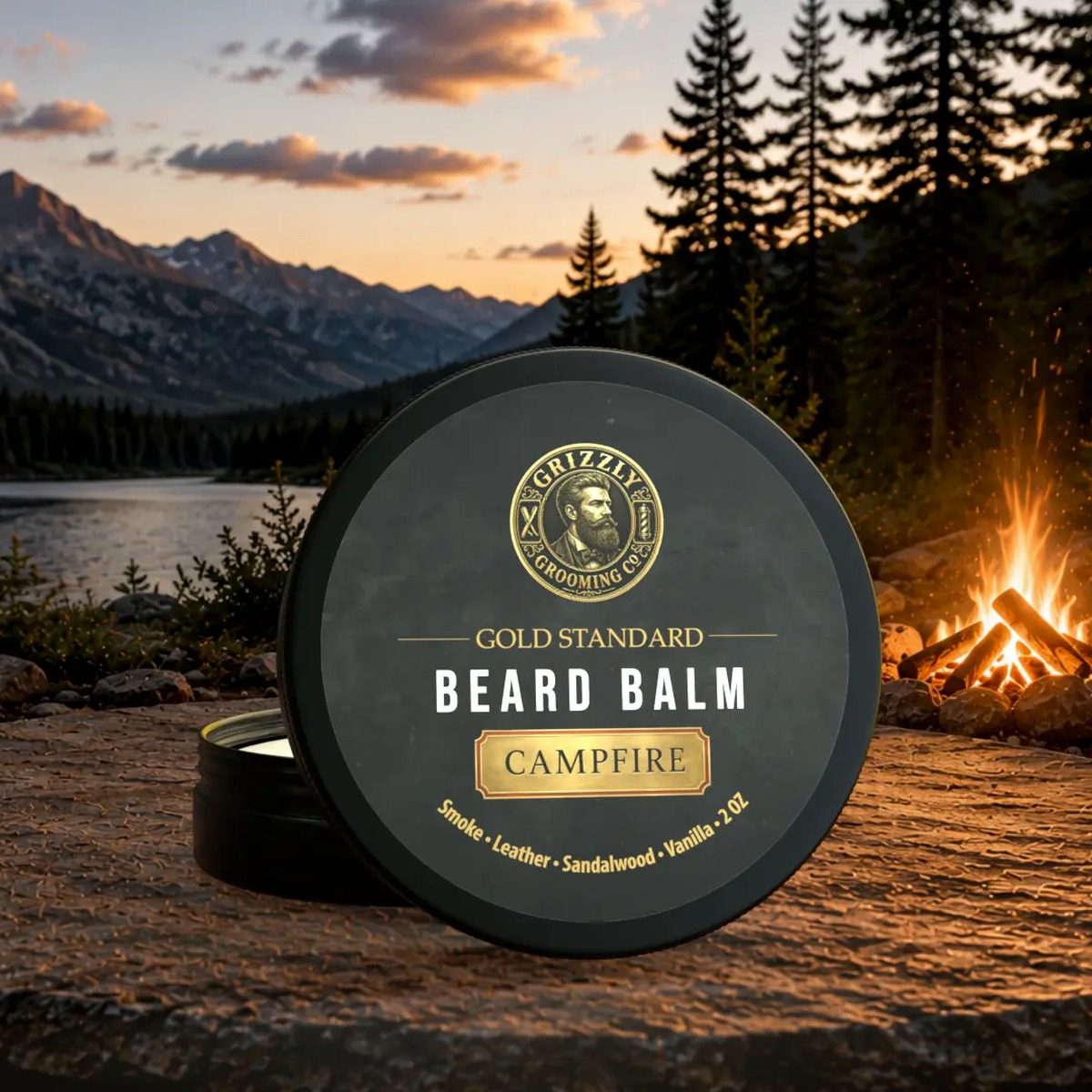
The most effective longevity trick is not a stronger cologne. It is layering the same scent family across your wash, your beard oil, and your fragrance. Each product releases at a different rate, so the composite lasts far longer than any single application and smells like you rather than like a spray.
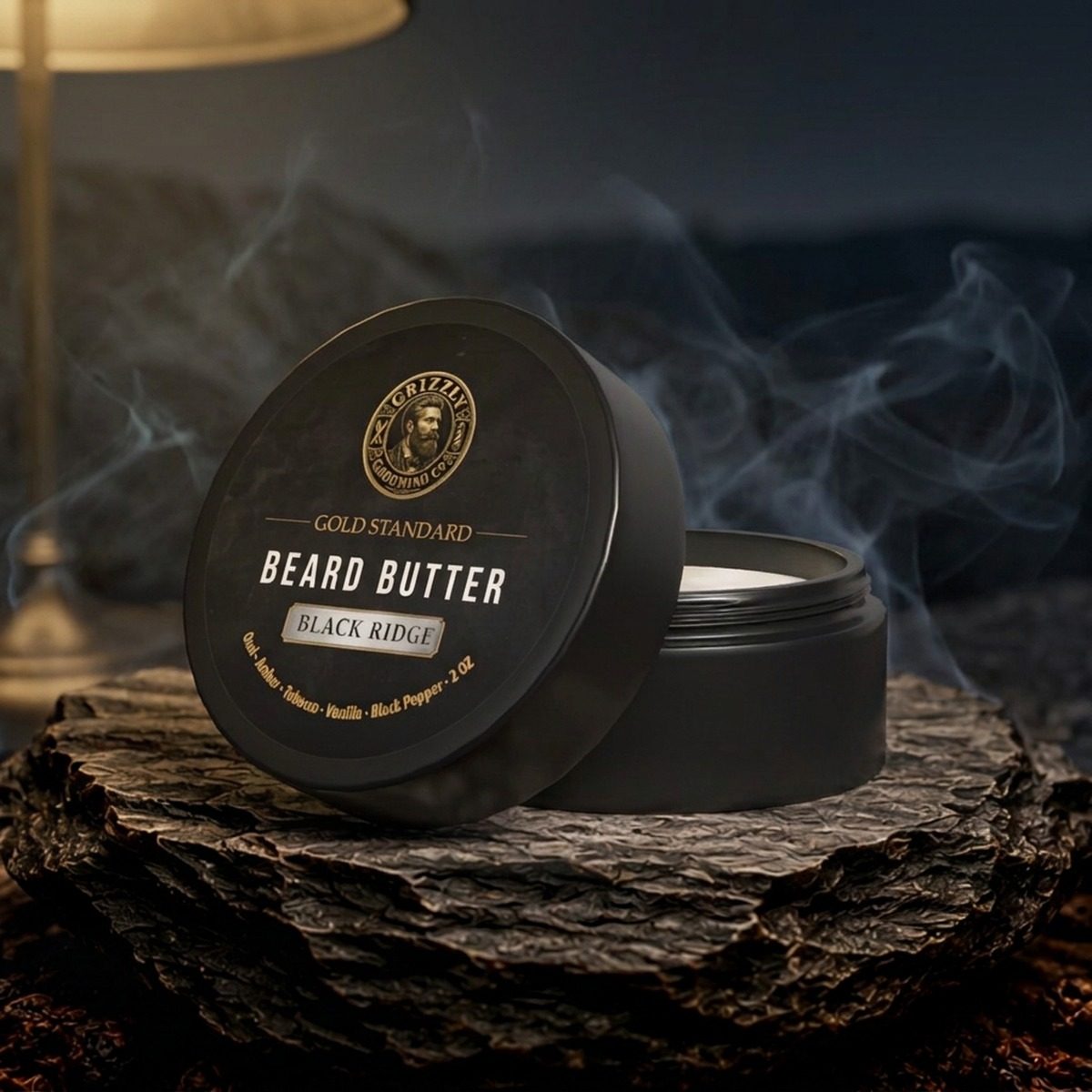
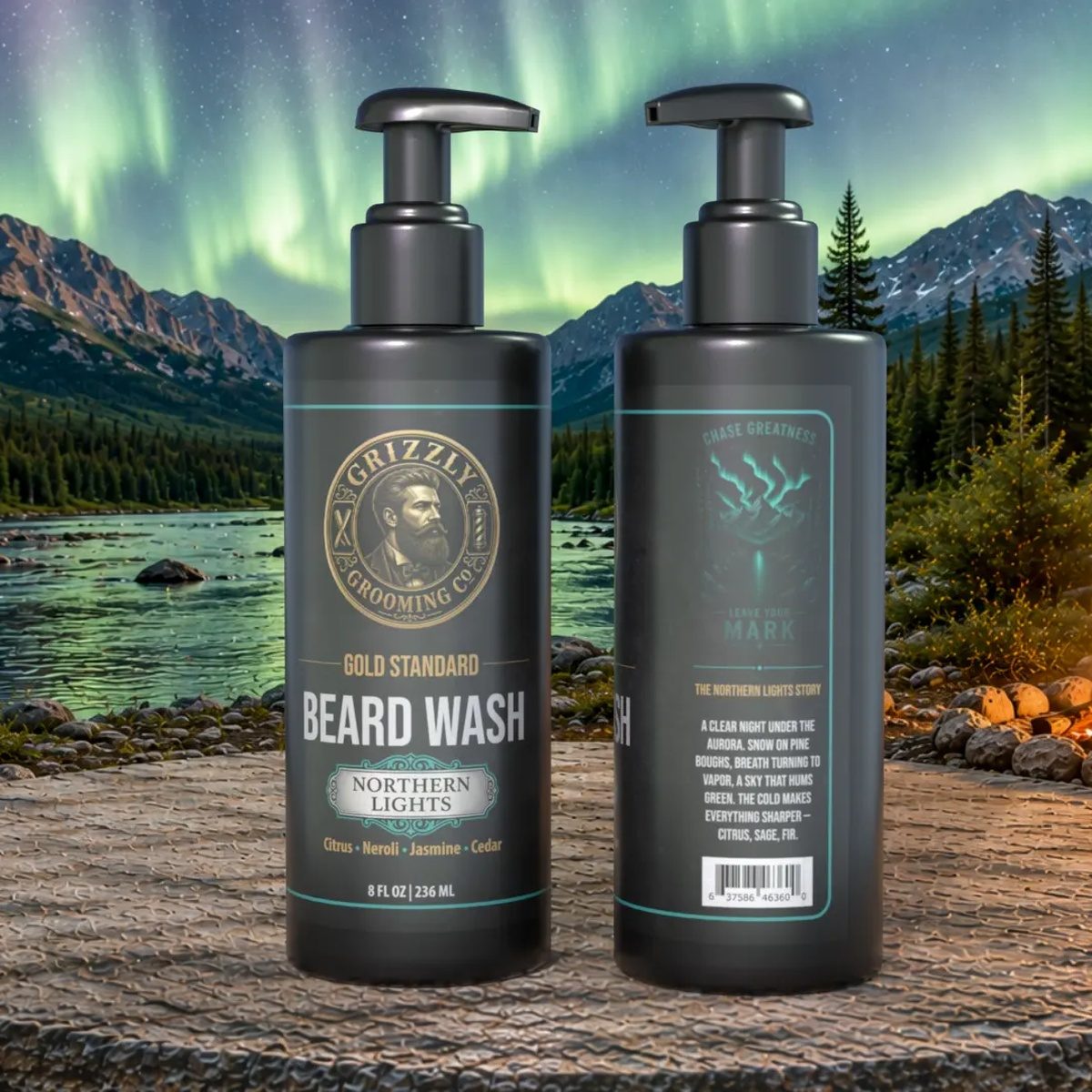
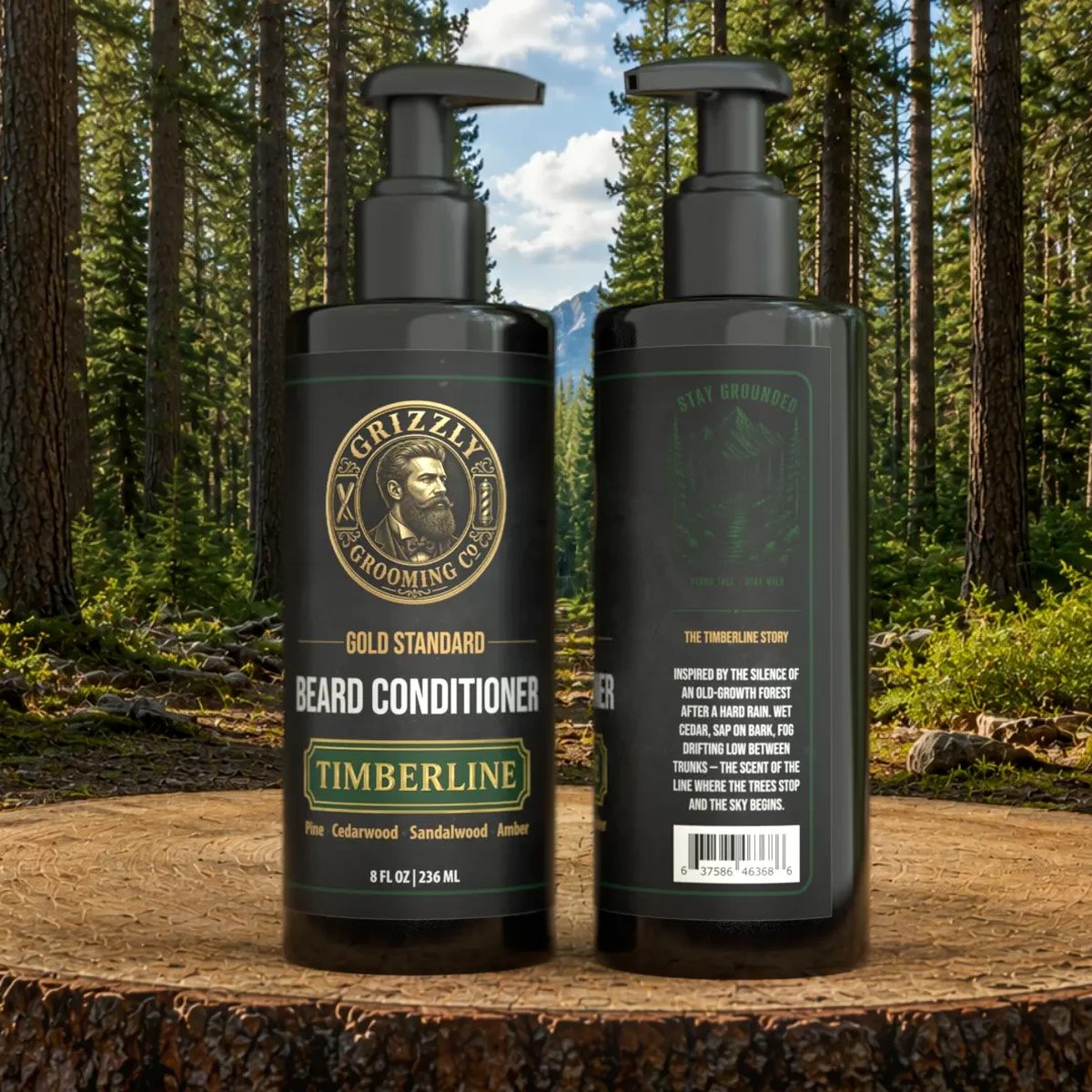
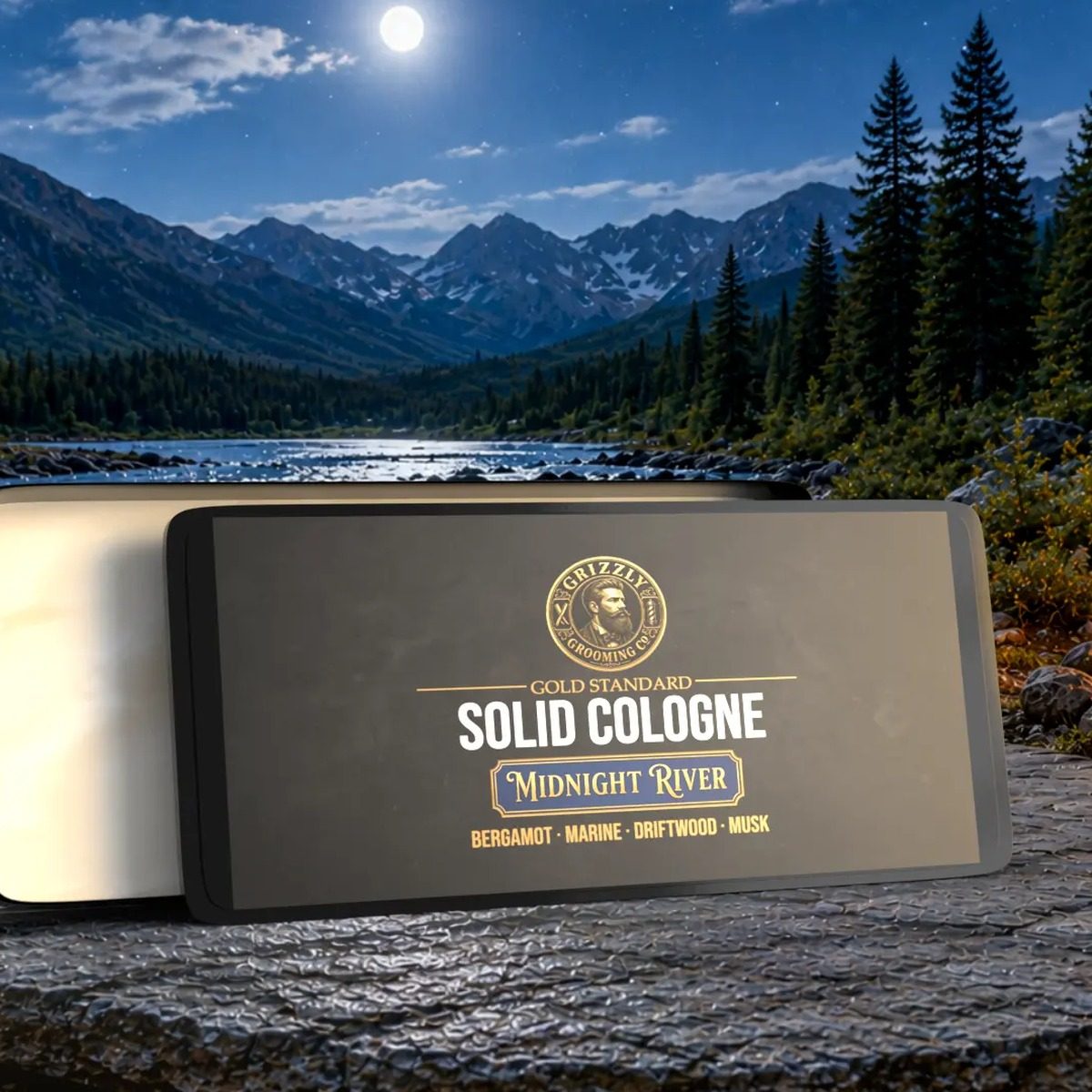
This is why brands build product lines in matched scents. Wash sets the base in the shower, oil carries it through the middle of the day at low intensity, and cologne provides the projection. Choose one family — say cedar and pine, or smoke and amber — and build the whole shelf around it. The alternative, three unrelated fragrances fighting each other, is the most common reason a good cologne smells muddled.
Store it correctly and reassess yearly
Heat, light, and humidity degrade fragrance. A bathroom shelf is the worst place in the house for a bottle you paid real money for; a bedroom drawer or closet is the best. Keep bottles upright, capped, out of sunlight, and ideally in their box. Well-stored eau de parfum lasts three to five years; a bottle cooked on a windowsill can turn in one.
Reassess annually. Skin chemistry changes with age and diet, climate changes if you move, and your sense of your own style shifts. A signature scent should be a decision you revisit deliberately, not a default you never question.
Building a small wardrobe around one signature
A signature scent does not mean owning one bottle. It means having a recognisable centre of gravity. The most practical structure is three fragrances: the signature itself, worn most days; a lighter version of the same family for heat, gyms, and close-quarters work; and one heavier evening scent for cold weather and formal occasions.
Keep them related. If your signature is cedar and bergamot, the light option might be citrus and vetiver and the evening option cedar and amber. The shared thread is what makes people associate the smell with you rather than with an occasion. Three bottles chosen this way outperform eight chosen at random, and they cost less over a year because you finish what you buy.
Where fragrance goes wrong: five common mistakes
Overspraying is first, and it is nearly always caused by nose blindness — you stop registering your own fragrance within twenty minutes and assume it has faded. Trust the dose, not your nose. Second, spraying into clothing rather than skin: fabric holds top notes but never develops the warm base, so the scent smells thinner and flatter all day.
Third, rubbing wrists together, which crushes the top notes. Fourth, storing bottles in a steamy bathroom, which degrades them within months. Fifth, and least discussed, wearing a fragrance that conflicts with your grooming products — a citrus cologne over a smoky beard oil reads as confusion rather than complexity. Pick one direction and let everything reinforce it.
Age, context, and the confidence factor
Certain registers read differently depending on context, and it is worth being deliberate rather than defensive about it. Bright, sweet, high-projection scents skew young and social. Woody, aromatic, and leather registers read older and more formal. Neither is better; a twenty-four-year-old wearing heavy oud to an office reads as trying, and a forty-five-year-old wearing a sugary sport fragrance to a dinner reads the same way.
The useful question is not what suits your age but what suits the room you are walking into. A fragrance you feel comfortable in makes you behave differently — you stand slightly straighter and think about your appearance less. That effect is real and it is most of the practical value of having a signature at all.
Testing at home: a one-week protocol
Buy or request three samples in the family you identified. Wear one per day, two sprays on the neck and one on the chest, and set two phone reminders: one at two hours and one at five. Write a single line each time — what you smell, how strong it feels, whether anyone commented.
Repeat the week with the same three in different order, because context colours perception and a scent worn on a stressful day rarely gets a fair hearing. By the end of two weeks, one will have accumulated more good notes than the others, and that is your answer. This method costs a fraction of a full bottle and prevents the most expensive mistake in fragrance, which is buying on the first thirty seconds.
Frequently Asked Questions
How many sprays of cologne should I use?
Two to four for most fragrances: one on each side of the neck, one on the chest, optionally one on a wrist. If people notice it before they are near you, reduce it.
How long should I test a fragrance before buying?
A full day on your own skin, judged at the four-hour mark. Top notes mislead. Samples or decants are the cheapest way to test properly.
Should I have one signature scent or several?
One family is enough, but two anchors — lighter for warm weather and daytime, warmer for cold weather and evenings — is more practical and still reads as consistent.
Can I spray cologne directly on my beard?
Better not to at close range. Alcohol dries beard hair. Spray the neck and chest, and use a scented beard oil in the same family if you want the fragrance in the beard itself.
Why does my cologne fade so fast?
Usually dry skin, low concentration, or a fresh-family scent with volatile top notes. Apply to moisturised skin right after a shower, consider an eau de parfum, and layer with a matching wash and beard oil.
How do I stop overspraying my cologne?
Count sprays instead of judging by smell — you go nose-blind within twenty minutes. Two to four sprays total, on the neck and chest, is right for almost every eau de parfum.
Should my beard oil match my cologne?
Ideally yes, or at least share a family. Conflicting scents read as muddled; matched ones extend the fragrance for hours because each product releases at a different rate.
Build your ritual in 60 seconds.
Answer four questions and get a custom regimen built around your beard and routine.
Start The Ritual Builder