From Razor to Beard: A Master Guide to Growing Your Facial Hair
Deciding to set down the razor is a commitment to a new aesthetic identity. Success in this transition is not found in neglect, but in a disciplined approach to skin health and hair management from the very first week of stubble.
- ›Cleanse the skin daily to prevent clogged follicles during early growth.
- ›Introduce beard oil at the two-week mark to combat dehydration and itch.
- ›Define your neckline and cheek lines early to maintain a professional look.
- ›Exfoliate once a week to remove dead skin cells trapped beneath new hair.
- ›Resist the urge to trim for at least four weeks to allow for natural filling.
Week One: The Foundation of Skin Health
The most common mistake men make when starting a beard is assuming the grooming process is on hiatus. In reality, your skin is about to undergo a significant shift in moisture retention and cell turnover.
During the first seven days, continue using a high-quality facial cleanser. This ensures that natural oils and environmental debris do not congest the pores, which can lead to ingrown hairs and follicular inflammation as the hair breaks the surface.
Managing the Transition Itch
Around day ten, you will likely encounter the infamous beard itch caused by the sharp, tapered ends of hairs previously cut by a razor. At this stage, the skin begins to dry out as the hair draws moisture away from the surface.
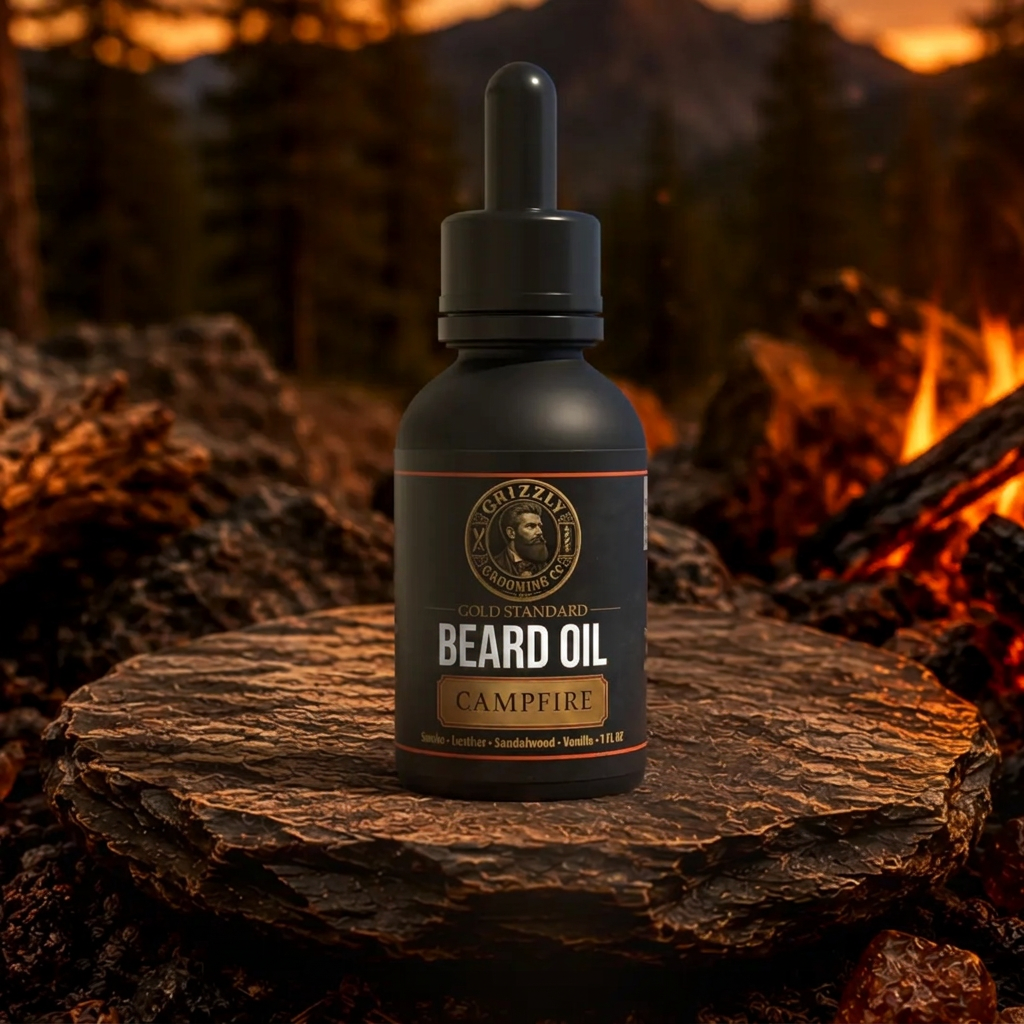
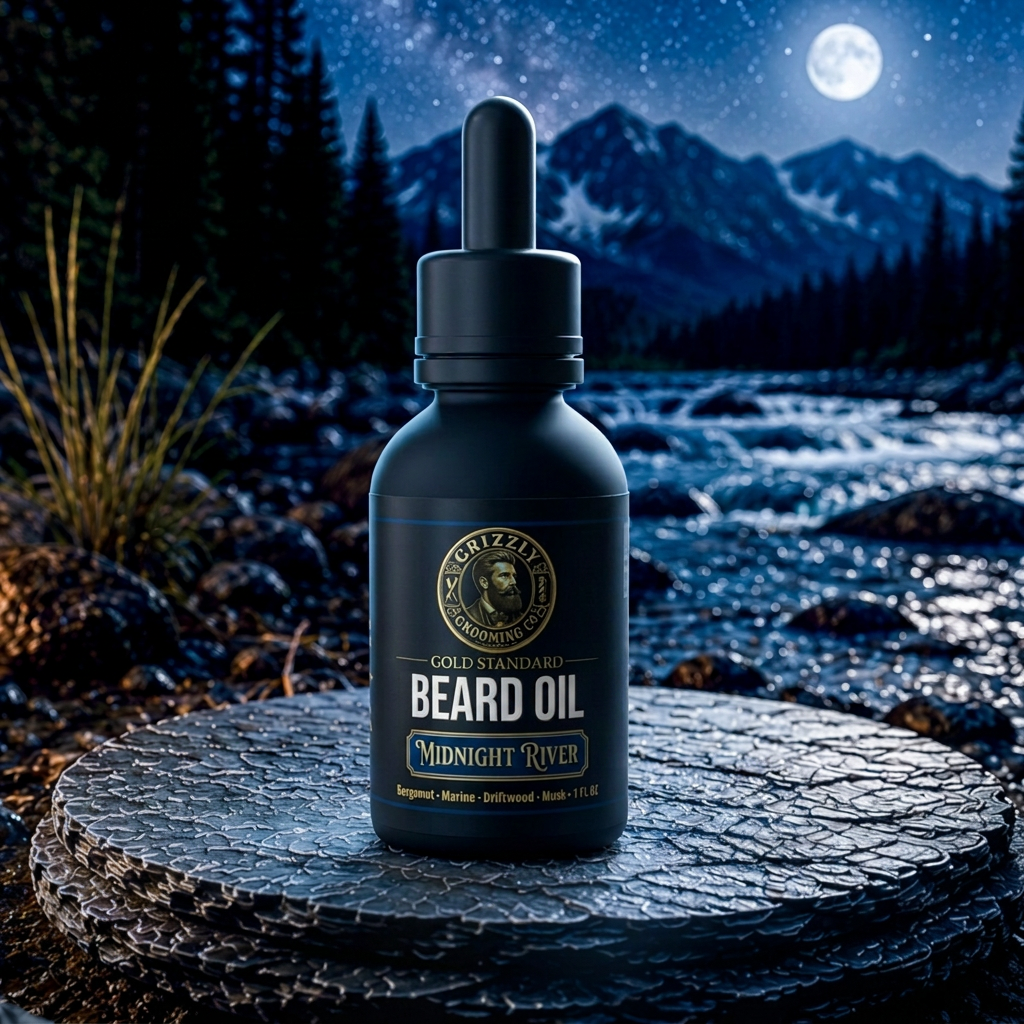
This is the precise moment to integrate a few drops of Grizzly Gold Standard beard oil into your daily routine. By moisturizing the skin and softening the emerging hair shaft, you neutralize the irritation before it becomes unbearable.
Establishing the Perimeter
A beard looks unkempt when it lacks intentional boundaries. After two weeks of growth, you must define the neckline to ensure the transition looks deliberate rather than accidental.
Locate the point two fingers above your Adam's apple and shave everything below that line. This simple act of maintenance provides the structural integrity needed to keep a growing beard looking sharp in professional environments.
The Role of Early Exfoliation
As hair grows longer, it traps dead skin cells that would otherwise be shed naturally. If left unaddressed, this leads to 'beardruff' and localized breakouts.
Use a gentle exfoliant or a soft-bristled beard brush once your hair is long enough to cover the skin. This stimulates blood flow to the follicles and ensures the skin beneath remains healthy enough to support long-term growth.
Navigating the Patchy Phase
Virtually every man faces a period of uneven growth between weeks three and five. This is the 'awkward stage' where some areas appear denser than others.
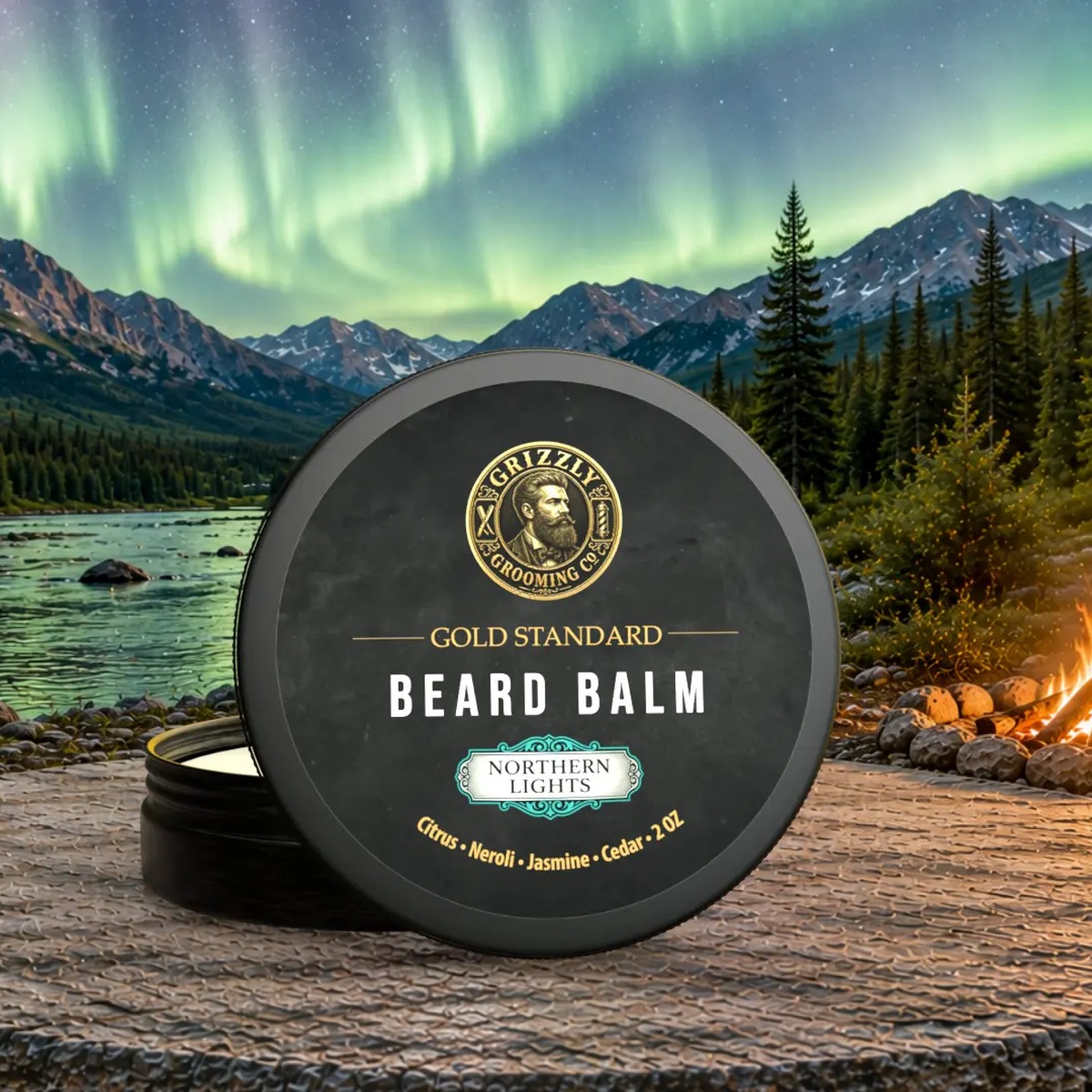
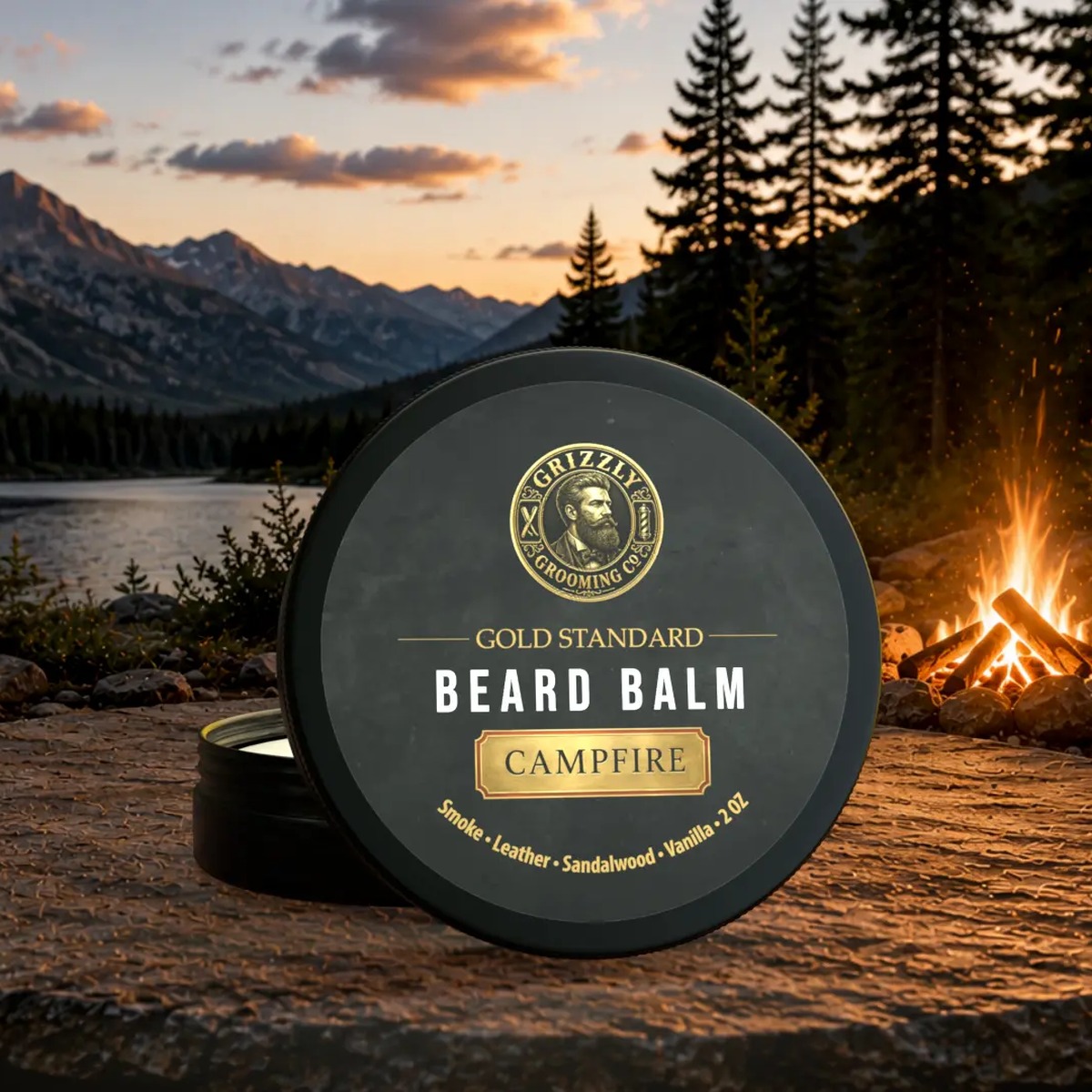
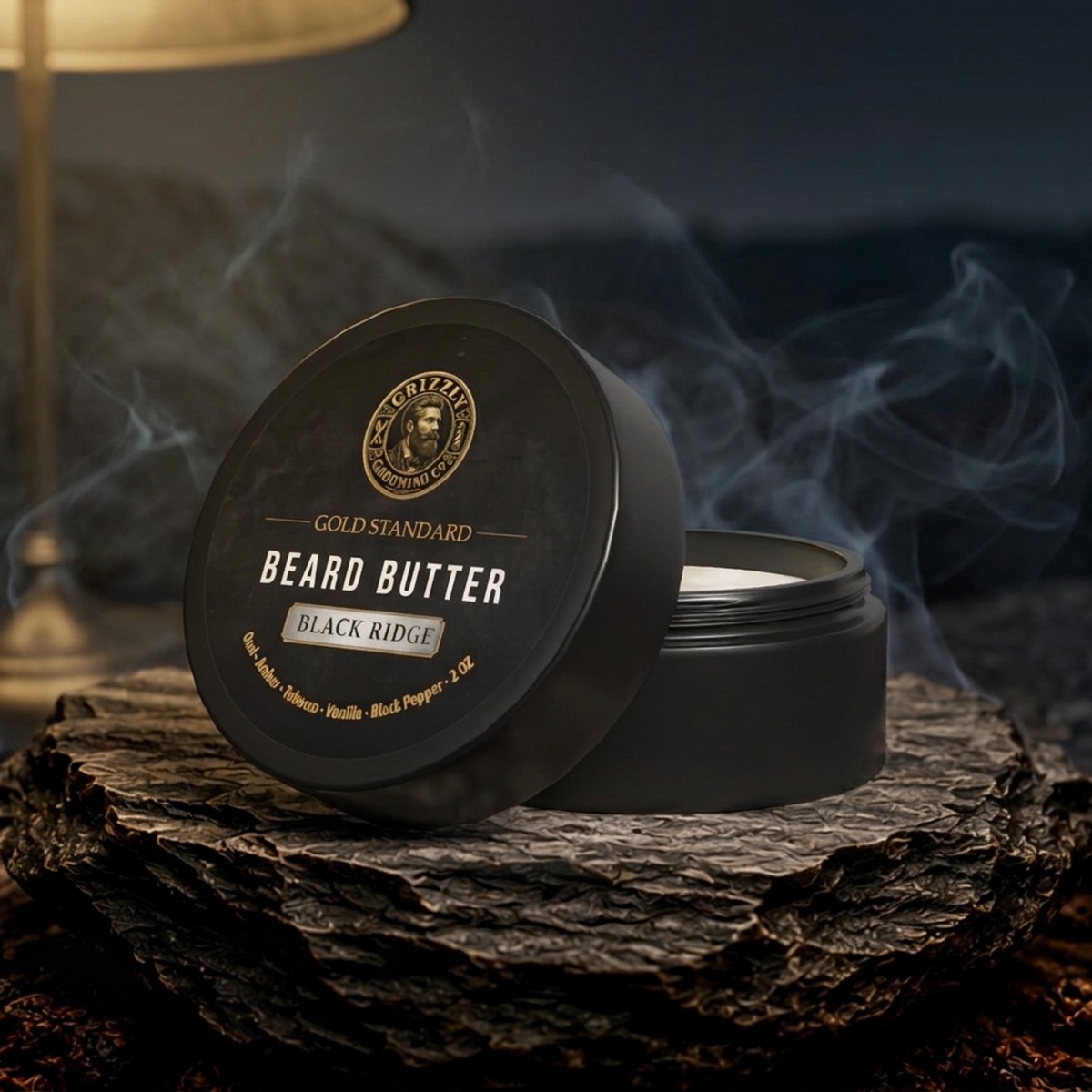
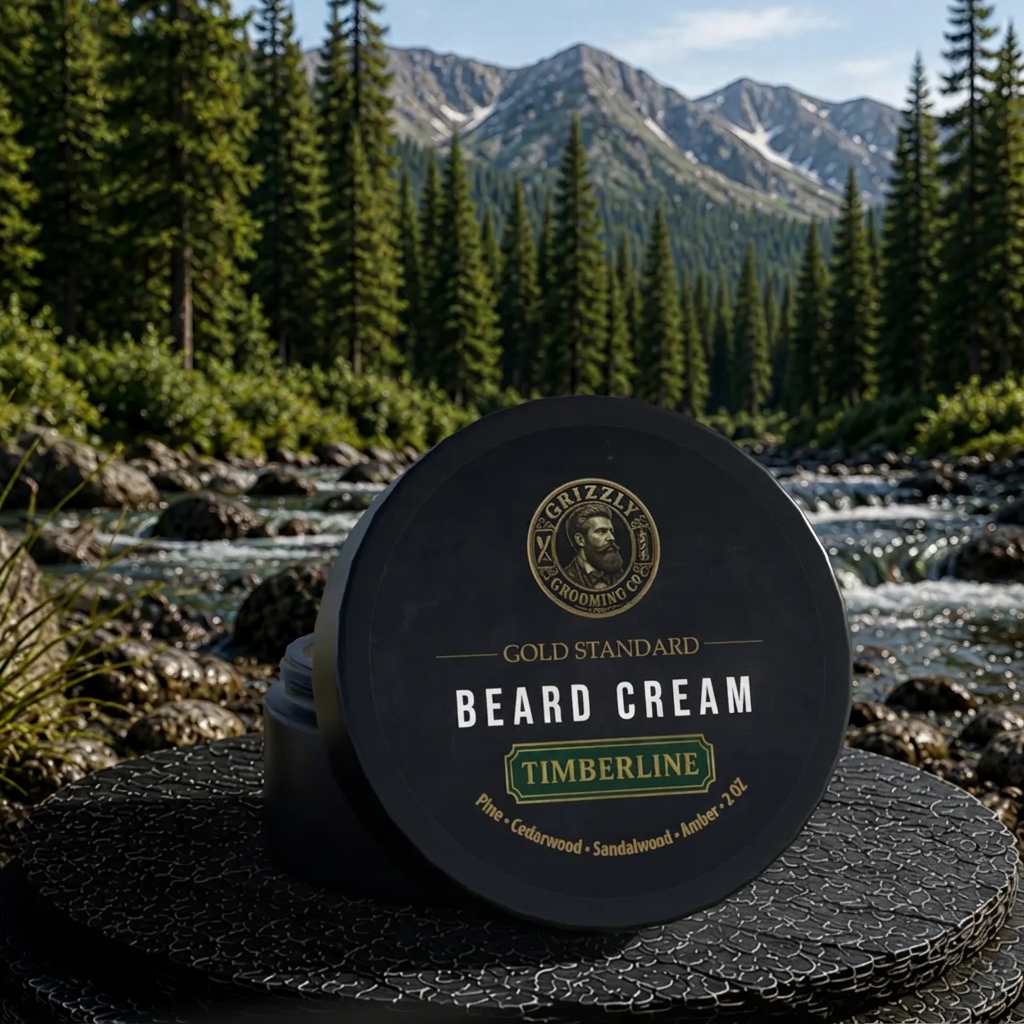
Instead of reaching for the trimmer, switch to a beard balm or butter. These products provide light hold and added volume, helping to lay down stray hairs and bridge the gaps in thinner areas until the slower-growing follicles catch up.
Frequently Asked Questions
When should I start using beard oil?
You should start using oil as soon as you have stubble covering your face, typically around the ten-day mark. This prevents the skin from drying out and eliminates the initial growth itch.
How often should I wash my new beard?
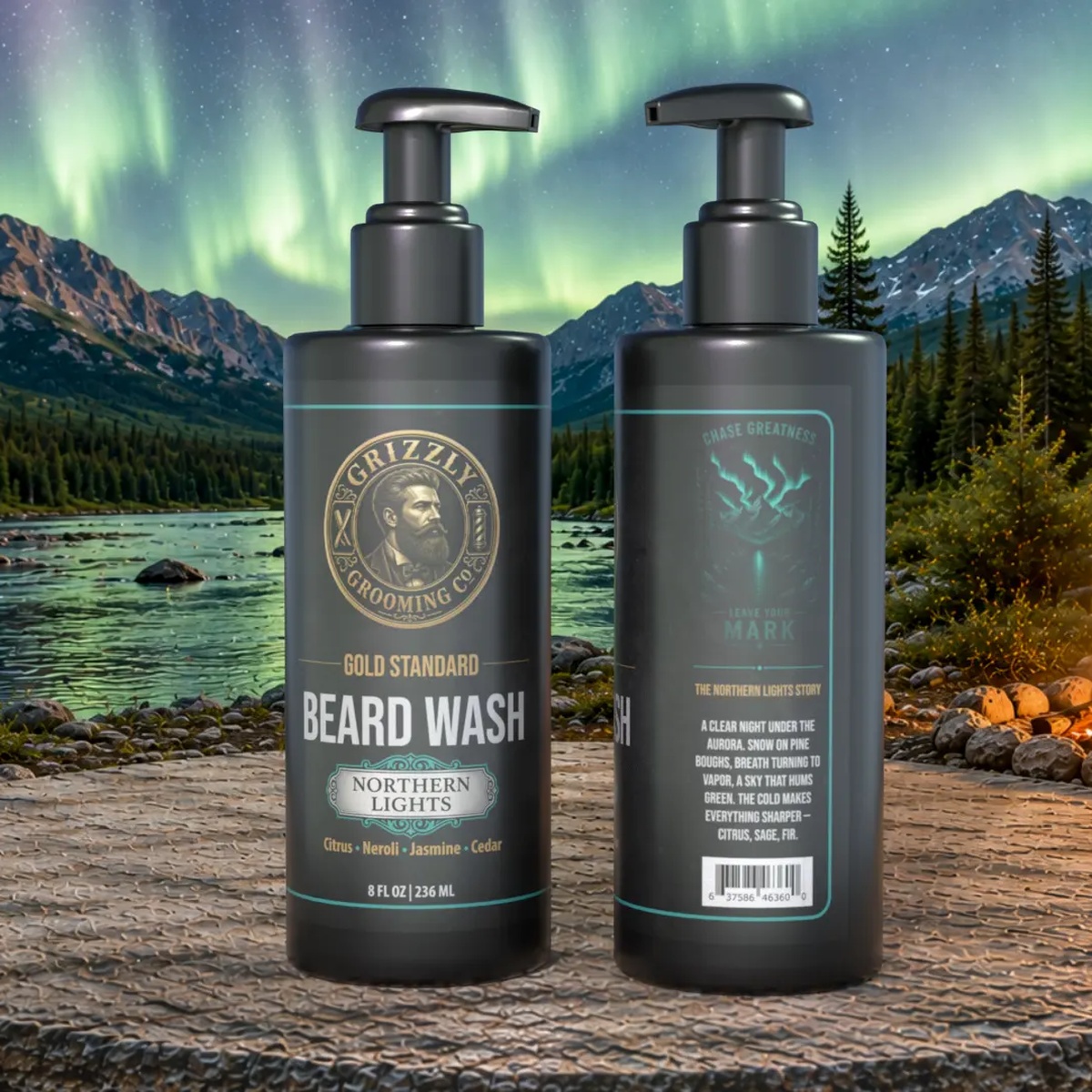
Avoid using harsh soaps that strip natural oils; instead, use a dedicated beard wash two to three times per week. On other days, rinsing with warm water is sufficient to maintain hygiene without causing dryness.
How do I fix a patchy beard during the growth phase?
Patience is your primary tool, as different hairs grow at different rates. Using a beard butter can help style the longer hairs to cover thinner spots while you wait for the full silhouette to emerge.
Build your ritual in 60 seconds.
Answer four questions and get a custom regimen — plus a 15% bundle discount.
Start The Ritual Builder