Five Signs Your Beard Oil Ingredient Profile is Not Working For You
The right beard oil should be invisible in its performance, leaving the hair soft and the skin hydrated without a trace of irritation. If your grooming routine feels like a constant battle against grease or itching, your choice of oil is likely the culprit.
- ›Chronic itching often indicates high concentrations of synthetic fragrances or drying alcohols.
- ›Persistent breakouts suggest your oil contains high-comedogenic ingredients like coconut oil.
- ›A greasy residue that sits on the hair surface means the oil lacks proper skin-absorbing carriers.
- ›Flaking despite regular application is a sign the oil is not effectively sealing in moisture.
The Persistence of the Beard Itch
While a new beard often experiences a transitional itch, an established beard should never feel uncomfortable. If you have moved past the initial growth phase and still find yourself scratching, the topical application you are using is likely causing contact dermatitis or simple dehydration.
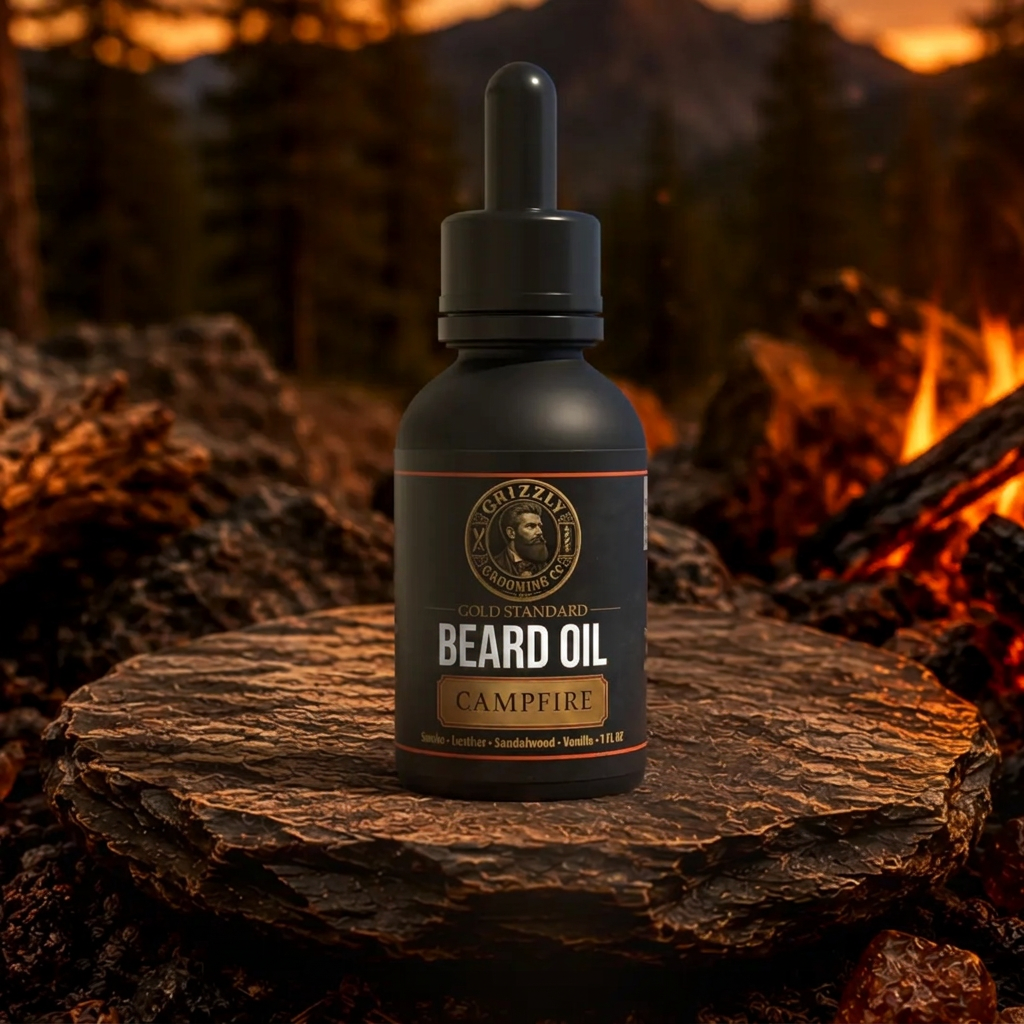
Many mass-market oils rely on heavy synthetic perfumes to carry their scent. These compounds can strip the natural sebum from your chin, leading to a paradoxical dryness that causes the skin to crack and itch. A proper formulation, like the Grizzly Gold Standard beard oil, utilizes balanced carrier oils to soothe the dermis rather than irritate it.
Breakouts and Comedogenic Interference
If you are noticing acne or small red bumps beneath your facial hair, your beard oil is likely clogging your pores. This is common with oils that use high concentrations of coconut oil or wheat germ oil, which sit high on the comedogenic scale.
A sophisticated oil should use non-comedogenic carriers such as jojoba or argan oil. These oils mimic the molecular structure of human sebum, allowing the skin to breathe and absorb the nutrients without trapping bacteria or dead skin cells in the follicle.
The Unabsorbed Greasy Sheen
Beard oil is designed to be a skin treatment first and a hair conditioner second. If your face feels slick or you find oil transferring to your shirt collar hours after application, the oil's viscosity is too high for your skin type.
The goal is a 'dry touch' finish. When an oil sits on top of the hair without penetrating the cuticle or the skin, it simply acts as a dust magnet. High-quality oils are formulated to disappear within ten to fifteen minutes of application, leaving only a natural, healthy luster.
Recurring Flakes and Beardruff
White flakes are often mistaken for dry skin when they are actually a result of a fungal imbalance triggered by the wrong oil. If your oil is too heavy or contains ingredients that feed Malassezia, a common yeast, you will see an increase in flaking.
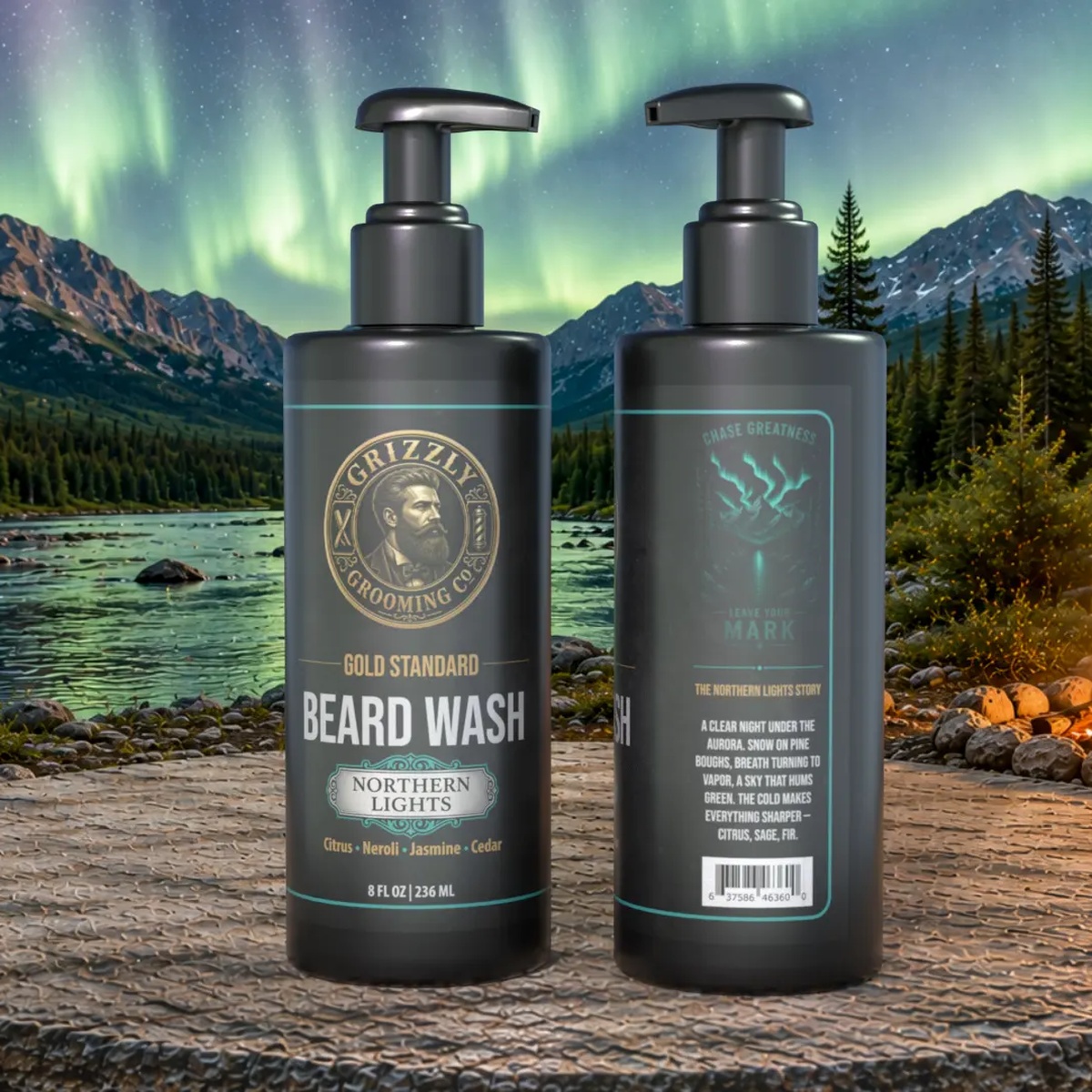
Switching to a lighter oil or incorporating a dedicated beard wash can help reset this balance. If topical hydration isn't stopping the flakes, you may need to look for an oil with anti-fungal properties or simply reduce the frequency of application to allow the skin to regulate itself.
Scent Fatigue and Chemical Headaches
Your beard sits directly under your nose. If the scent of your oil becomes cloying, metallic, or causes a headache after an hour, it is a sign that the fragrance load is too high or low-quality synthetics were used.
Professional grade oils use a controlled percentage of essential oils or refined fragrance oils that evolve throughout the day. A well-constructed scent profile should have top notes that dissipate early, leaving subtle base notes that don't overwhelm your senses or your cologne.
Frequently Asked Questions
How long should it take for beard oil to absorb?
On average, a quality beard oil should fully absorb into the skin and hair within 15 to 30 minutes. If your face still feels greasy an hour later, you are either applying too much or the oil contains heavy fillers that your skin cannot process.
Can I use beard oil if I have sensitive skin?
Yes, but you must avoid oils with heavy synthetic fragrances and citrus-based essential oils which can be photosensitive. Look for clean, carrier-forward blends that prioritize skin health and use a minimal ingredient list to reduce the chance of a reaction.
Why does my beard feel crunchier after using oil?
This usually happens when an oil contains drying alcohols or when it is applied to bone-dry hair. For the best result, apply your oil to a slightly damp beard to lock in moisture, and ensure your product doesn't contain hidden silicones that can coat the hair and prevent hydration.
Build your ritual in 60 seconds.
Answer four questions and get a custom regimen — plus a 15% bundle discount.
Start The Ritual Builder