Correcting the Critical Hydration Error for New Beard Growth
The transition from a clean-shaven face to a full beard is often met with a common hurdle: persistent irritation. Most men mistake this discomfort for a natural phase of growth, when it is actually a symptom of neglected skin health.
- ›Prioritize skin hydration over hair styling
- ›Apply beard oil directly to the skin, not just the surface of the hair
- ›Identify the difference between beard dandruff and dry skin
- ›Establish a consistent daily washing and oiling routine
- ›Avoid over-washing with standard soaps that strip natural oils
The Misconception of Surface-Level Care
The most prevalent mistake beginners make is treating their beard like the hair on their head. While scalp hair can handle many environmental stressors because of its density and the proximity of oil glands, facial skin is significantly more delicate and prone to dehydration.
When you stop shaving, your facial hair begins to pull sebum—your skin's natural oil—away from the surface to coat the growing shaft. Without an external supplement, the skin becomes parched, leading to the infamous beard itch that causes many men to shave prematurely.
The Foundation of Skin Hydration
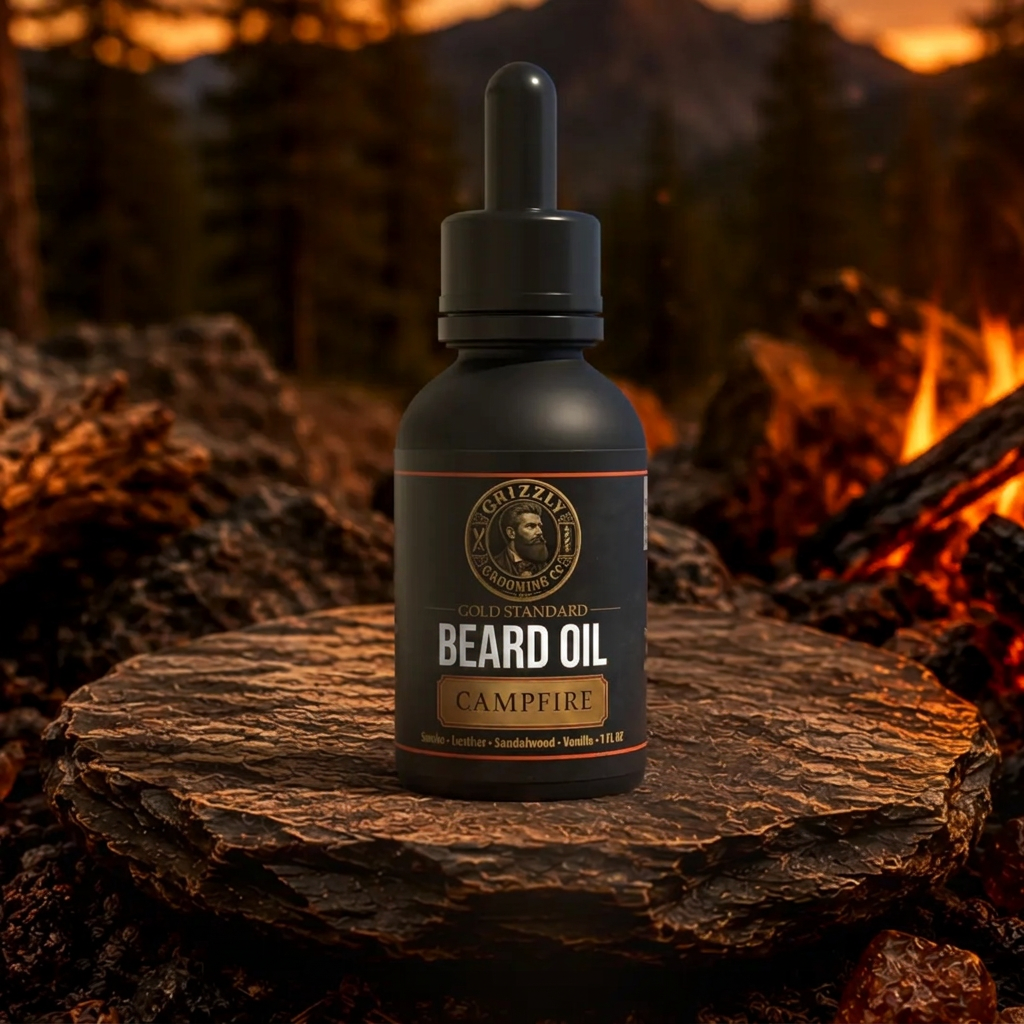
To combat this, the first tool in your arsenal must be a high-quality beard oil. A common error is applying the oil only to the outer layer of the beard. Effective application requires massaging the oil through the hair and deep into the pores of the skin.
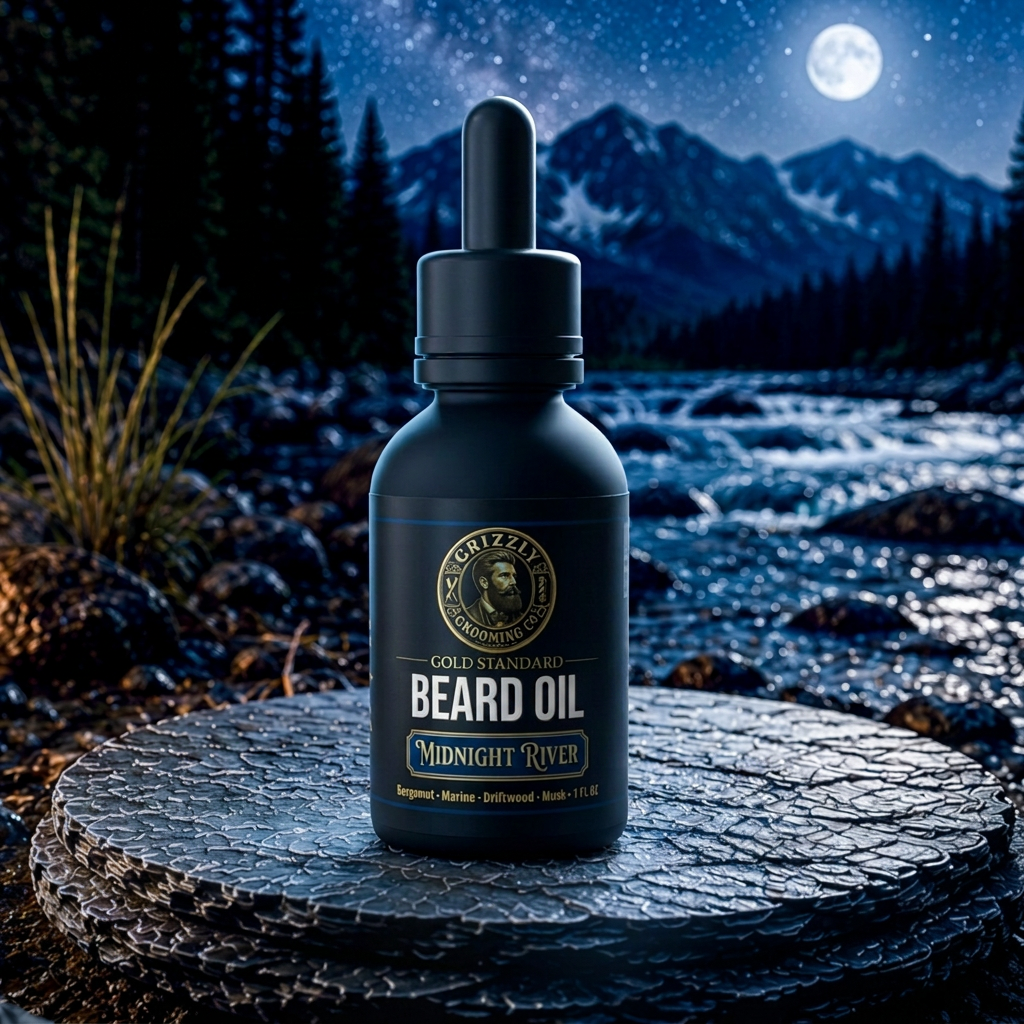
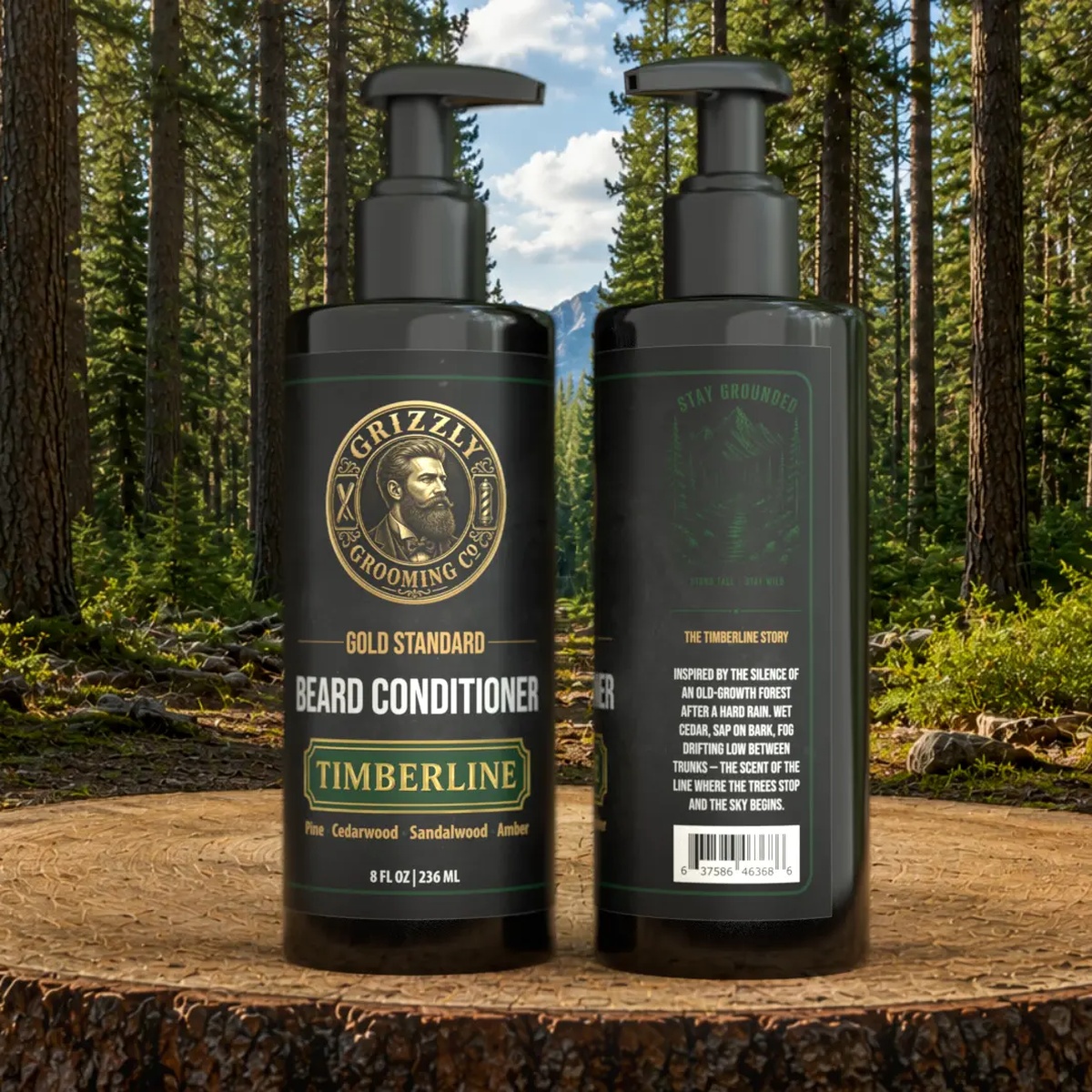
Using a Grizzly Gold Standard beard oil daily provides the necessary lipids to mimic natural sebum. This reinforces the skin barrier and prevents the flaking commonly referred to as beardruff, which is almost always a result of dry skin rather than a fungal issue.
The Dangers of Harsh Cleansing
Beginners frequently use standard bar soaps or hair shampoos on their face. These products contain harsh sulfates designed to strip heavy oils from the scalp, which is far too aggressive for the sensitive skin on your chin and cheeks.
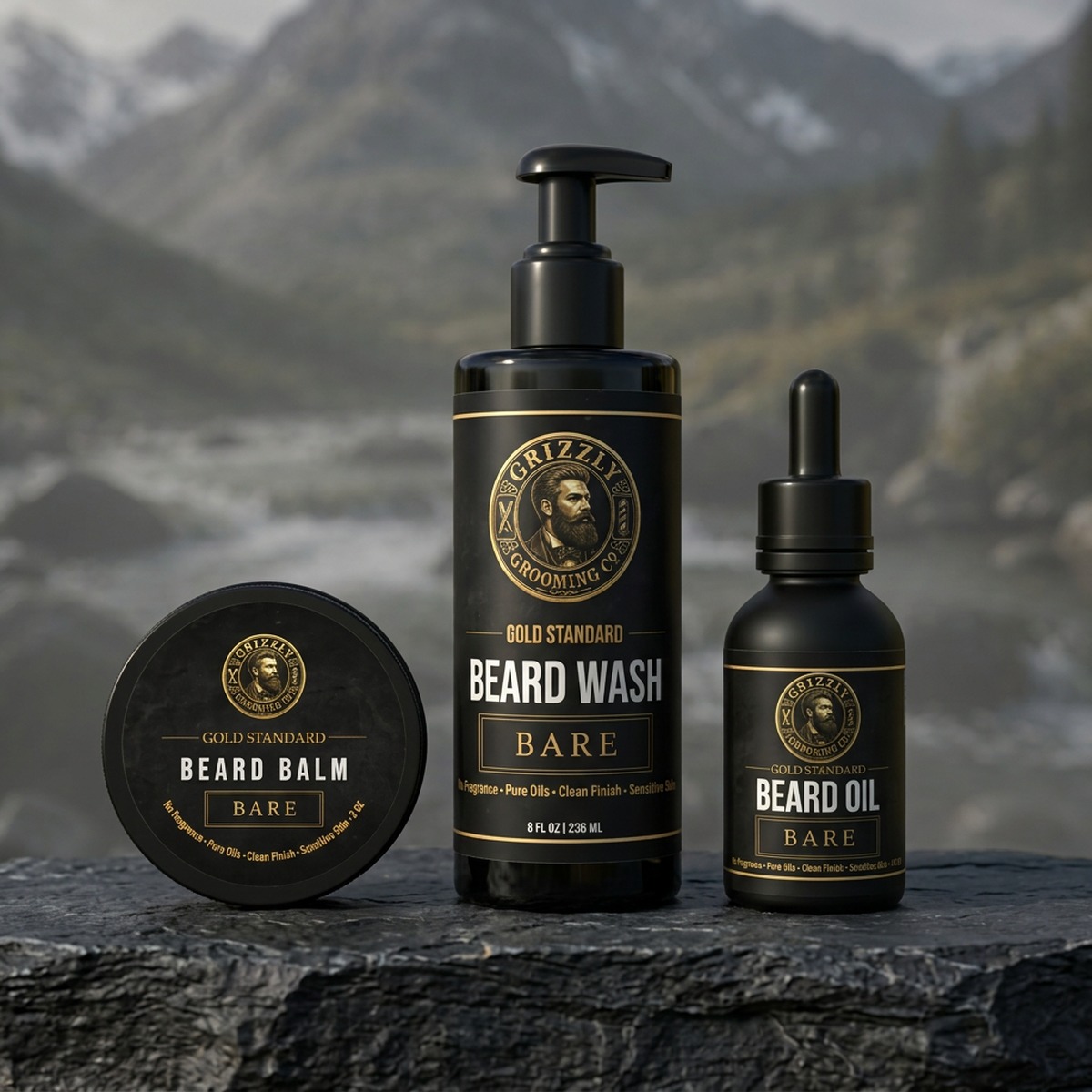
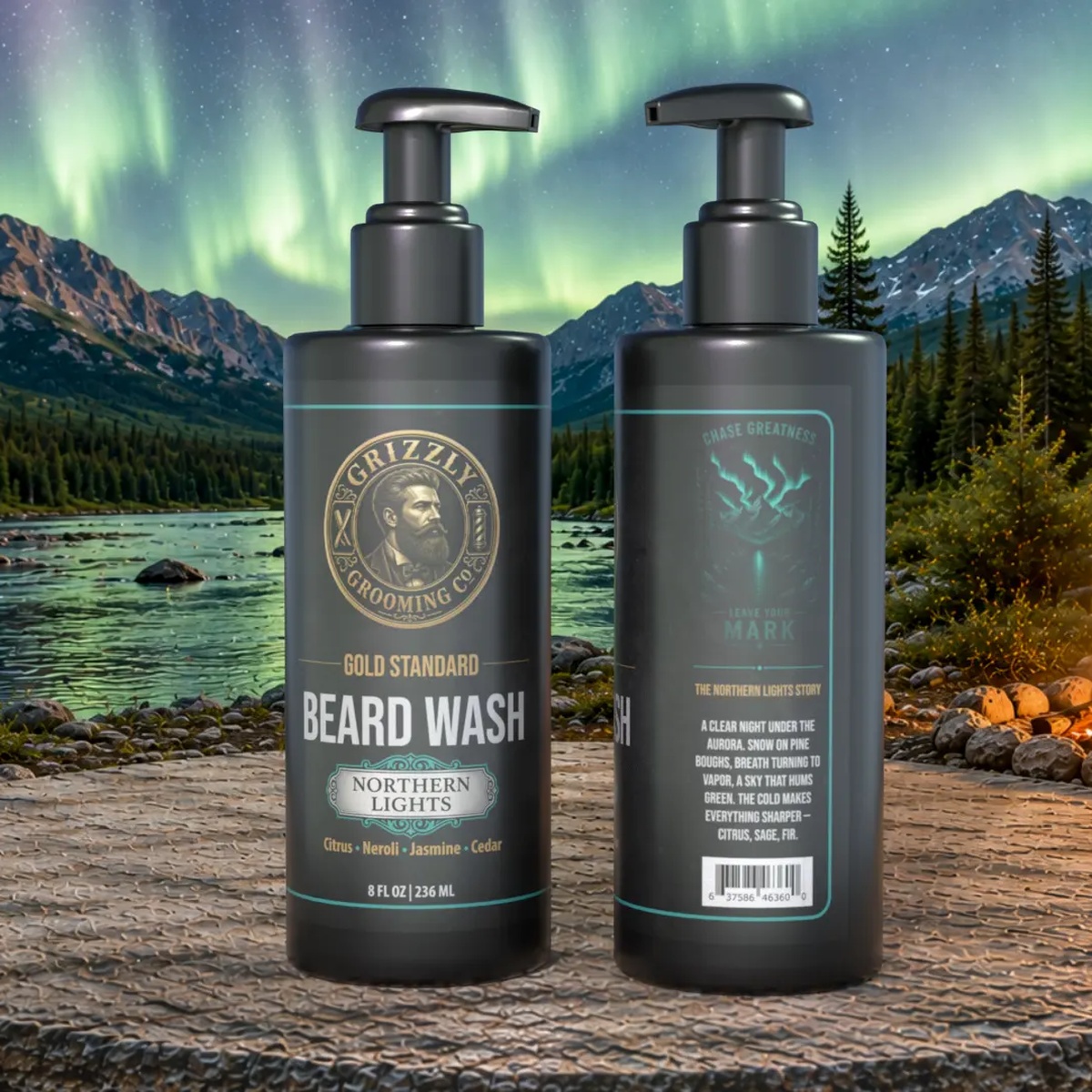
A dedicated beard wash is formulated with milder surfactants that clean the hair without compromising the integrity of the underlying skin. Maintaining this balance is critical during the first three months of growth, as the skin is still adapting to the presence of longer follicles.
When to Introduce Deep Conditioning
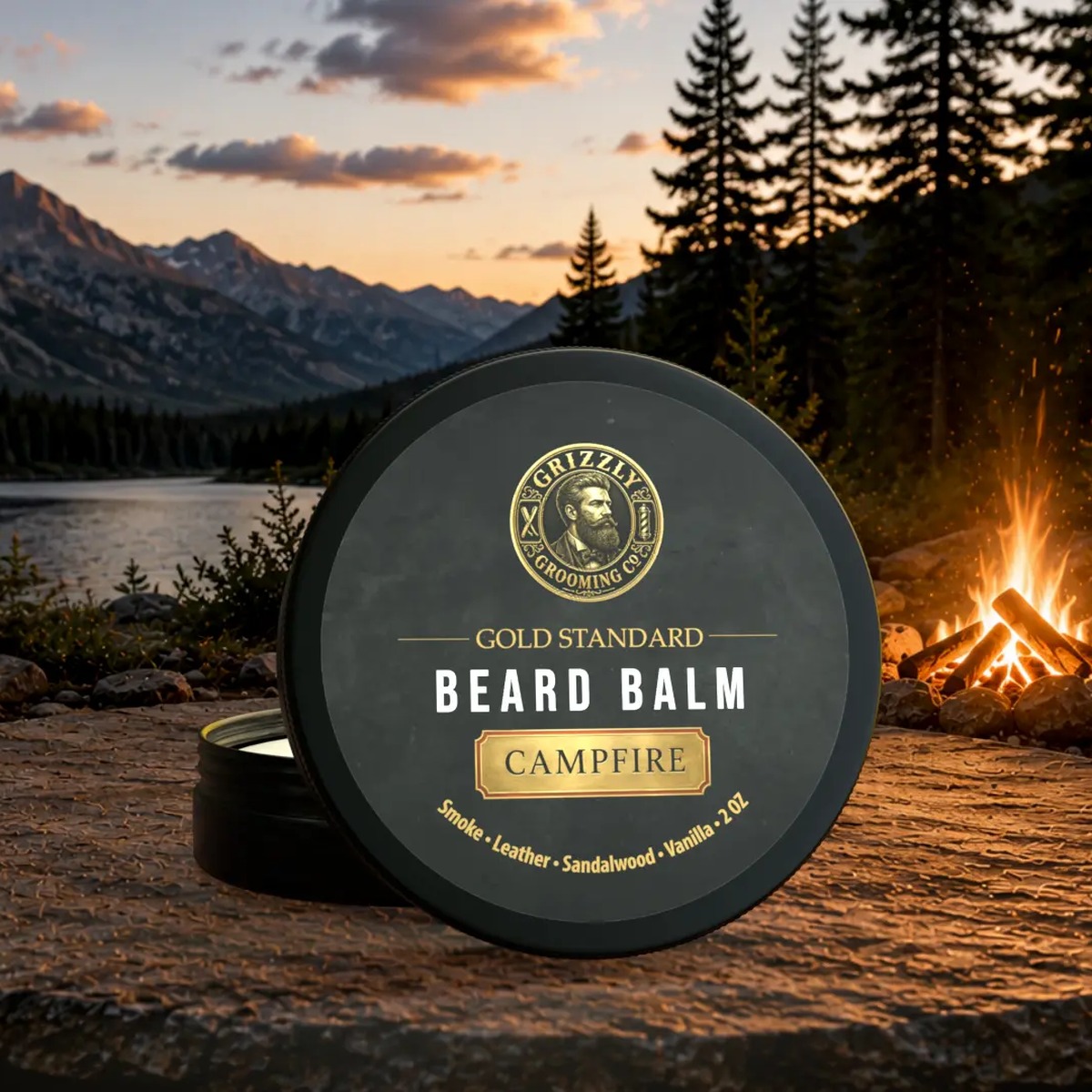
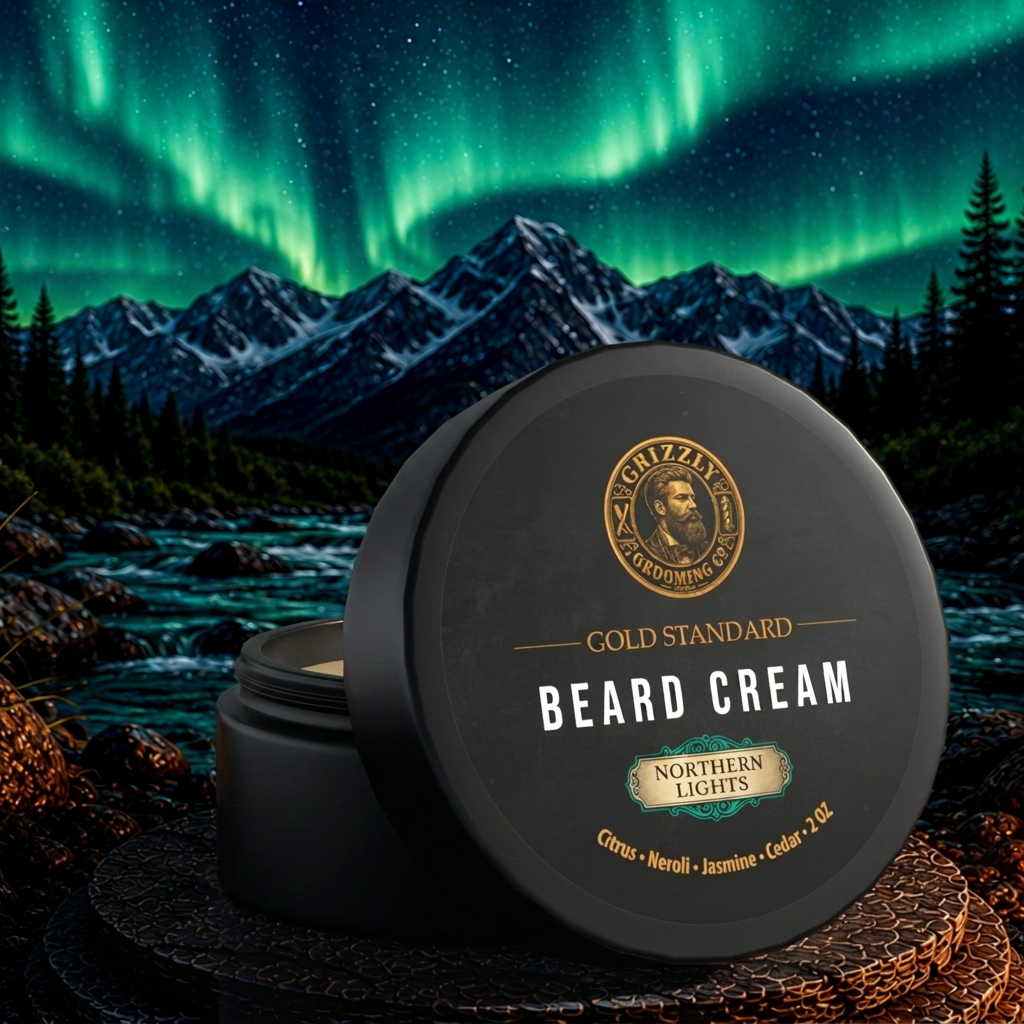
Once your beard reaches a length where the hair begins to curl back towards the skin, oil alone may not suffice. This is the stage where a beard butter or balm becomes necessary to provide lasting moisture and a light hold to keep the hair from irritating the face.
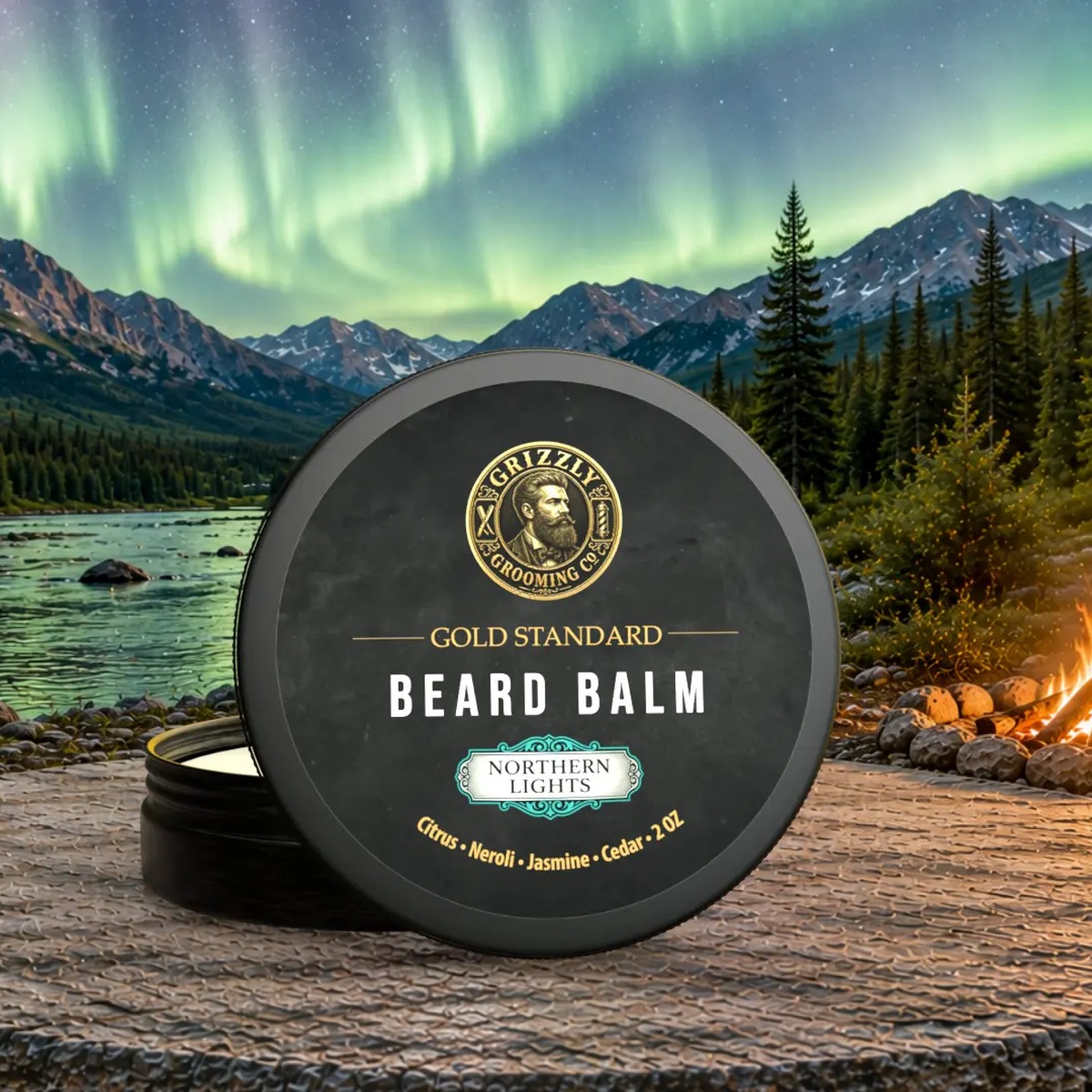
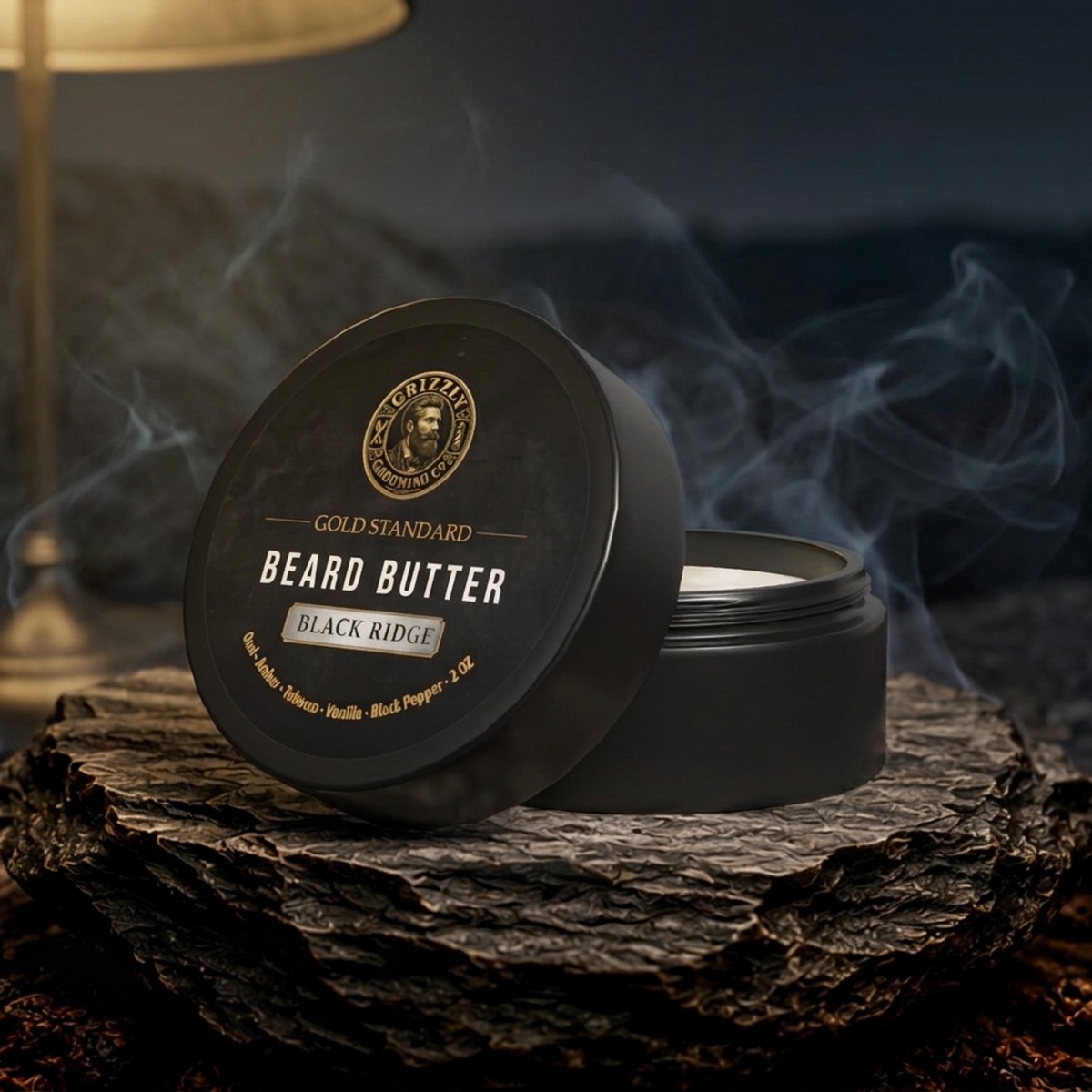
Grizzly Gold Standard beard butter is specifically designed for this transition. Unlike heavy waxes, it absorbs into the hair fiber to improve elasticity, preventing split ends and breakage that can make a novice beard look unkempt and patchy.
Frequently Asked Questions
Why does my beard itch after the first two weeks?
As hair grows, it curls and the sharp tips from previous shaves begin to prick the skin. This irritation is exacerbated by dry skin caused by the follicles absorbing all available sebum.
Can I use standard lotion on my beard instead of oil?
Lotions are often too thick to reach the skin through the hair and may contain alcohols that further dry out the follicle. A lightweight, carrier-oil based beard oil is the superior choice for penetration.
How often should I apply beard oil?
For most men, once a day after a shower is sufficient. However, if you live in a dry climate or have naturally dry skin, a secondary application in the evening will help maintain the hydration barrier.
Build your ritual in 60 seconds.
Answer four questions and get a custom regimen — plus a 15% bundle discount.
Start The Ritual Builder