Correcting the Common Beard Oil Over-Application Mistake
The first instinct of a man growing his beard is to drench it in product in hopes of accelerating growth and softness. However, over-application is the quickest way to end up with a greasy mess and irritated skin. A disciplined approach to beard care relies on precise volume and consistency rather than excess.
- ›Most beginners use two to three times more oil than their skin can absorb.
- ›Beard oil is designed for the skin underneath, not just the hair fibers.
- ›Applying product to a wet beard dilutes the oil and prevents proper absorption.
- ›Frequency of application matters more than the quantity used in a single sitting.
- ›High-quality oils with jojoba and argan absorb faster without leaving a residue.
The Saturation Fallacy
New growers often equate a shinier beard with a healthier one, leading to the use of excessive amounts of beard oil. When you apply more oil than the skin can process, the excess sits on the surface, attracting dust and environmental pollutants. This creates a tacky texture that can actually make the hair feel stiffer over time.
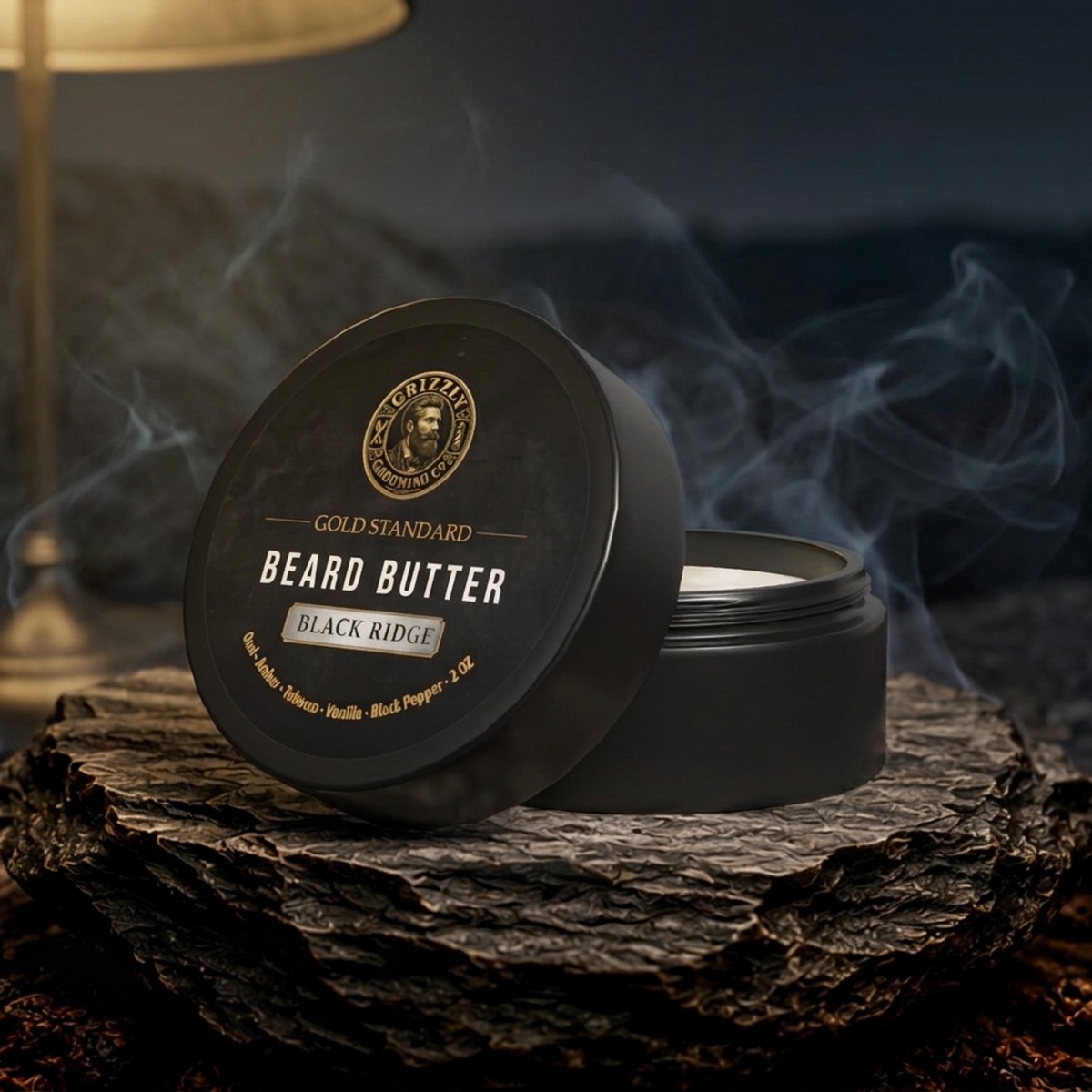
Instead of soaking the beard, start with a measured approach. For a beard under one inch, three drops of Grizzly Gold Standard beard oil is usually sufficient. Increasing this to five or six drops is only necessary once the hair extends past the chin. The goal is a natural sheen, not a reflective coating.
Prioritizing the Dermis Over the Hair
The primary purpose of beard oil is to supplement the natural sebum produced by your face, which becomes depleted as the hair grows longer and draws moisture away from the skin. Beginners often make the mistake of rubbing oil onto the surface of the hair rather than working it down to the root. If the skin is neglected, you will experience the dreaded 'beard itch' and flaking.
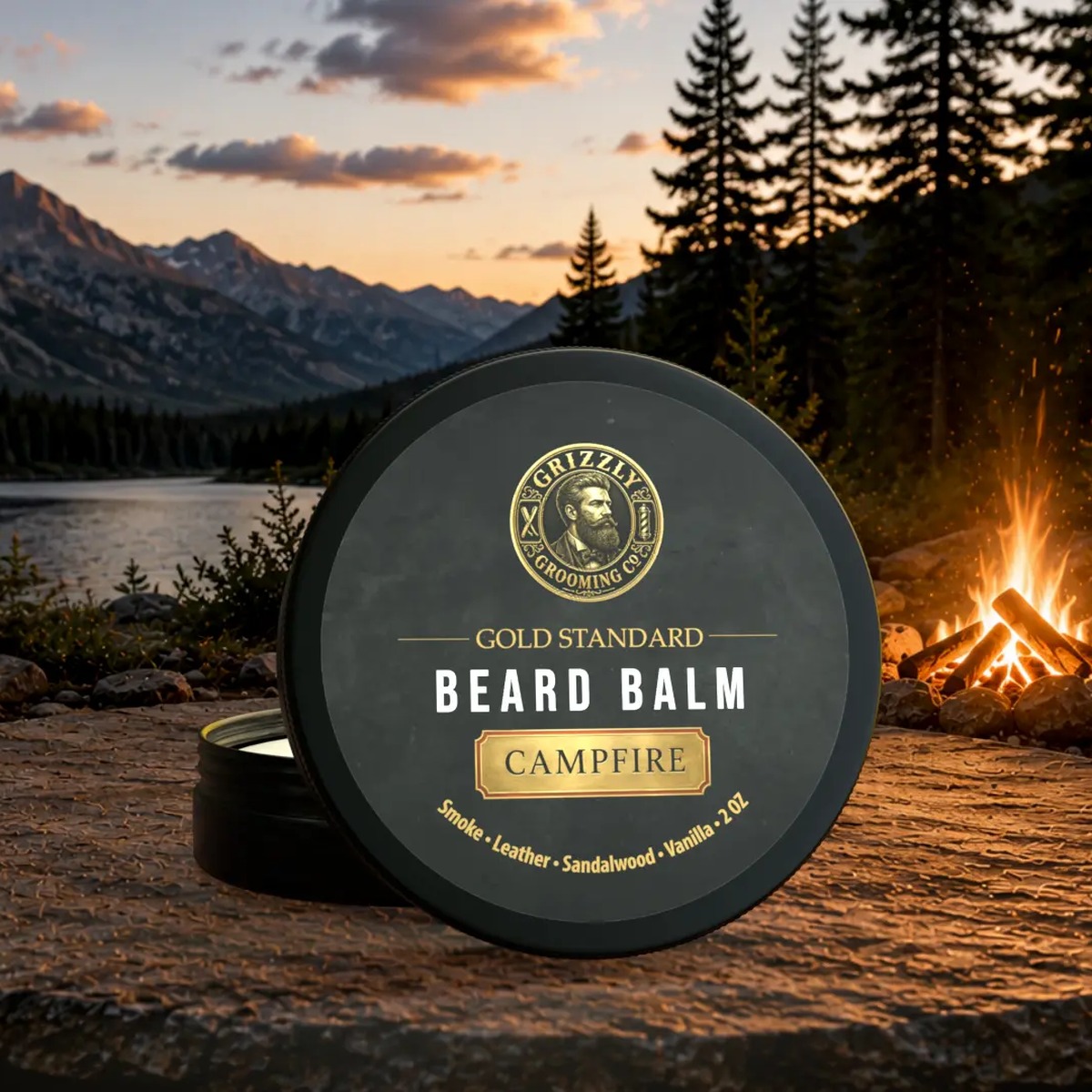
To apply correctly, use your fingertips to massage the oil directly into the skin. Once the skin is hydrated, you can use a boar bristle brush to distribute the remaining product through the length of the hairs. This ensures the foundation is cared for, which is essential for long-term growth and comfort.
Timing and Surface Preparation
Applying oil to a dripping wet beard is a common error that leads to wasted product. Water and oil do not mix; the water acts as a barrier, preventing the nutritious carrier oils from reaching the hair cuticle and the pores. Always towel-dry your beard until it is slightly damp—roughly 80% dry—before introducing any oil or beard balm.
The warmth from a post-shower towel dry helps slightly open the pores, making it the optimal time for absorption. If you find your beard feels greasy an hour after application, you likely applied it to a surface that was too wet, or you used a product containing heavy fillers like petroleum or mineral oil, which do not penetrate the skin.
The Role of Consistency and Tools
A single heavy application will not fix a dry beard. Consistency is the hallmark of a well-groomed man. It is far more effective to apply a small amount of beard oil every morning than to try and 'reset' a dry beard with a massive dose once a week. This steady supply of nutrients keeps the hair supple and prevents split ends.
Using the right tools further refines the process. After applying your oil, a wooden comb or a boar bristle brush should be used to ensure even distribution. These tools help move the oil from areas where it may be concentrated to the tips of the hair, which are the oldest and most prone to breakage. This mechanical distribution is what separates a professional look from a beginner mistake.
Frequently Asked Questions
How do I know if I am using too much beard oil?
If your hands feel oily when you touch your beard two hours after application, or if you see visible oil spots on your phone screen after a call, you are over-applying. The beard should feel soft and look healthy, but it should not leave a residue on surfaces.
Can I use beard oil and beard balm at the same time?
Yes, but you must reduce the amount of each. Apply the oil to the skin first for hydration, then use a small amount of balm for styling and to seal in the moisture. Using full amounts of both will lead to a heavy, greasy appearance.
What should I do if my skin feels itchy despite using oil?
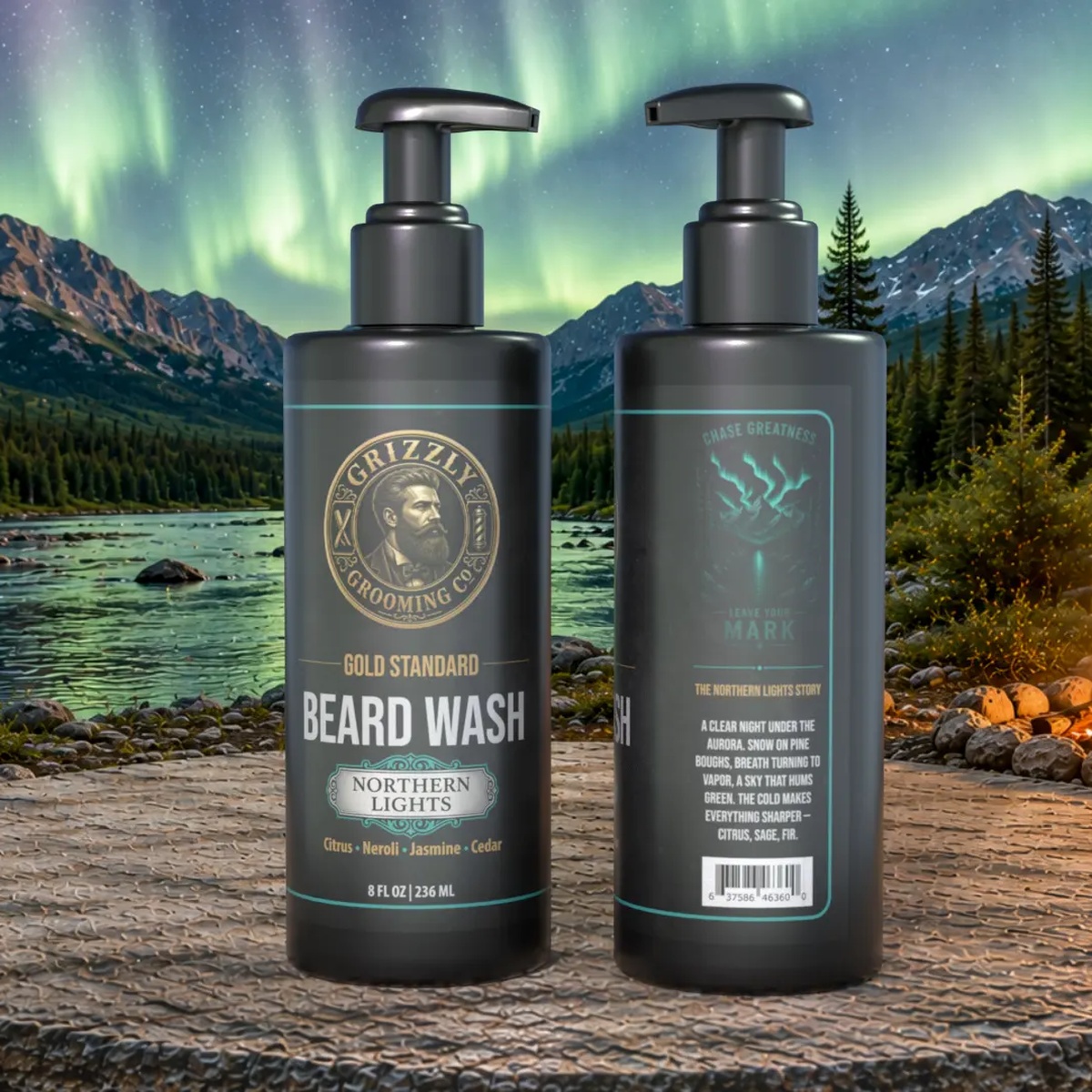
Itchiness often stems from either inadequate skin penetration or using a product with synthetic fragrances. Ensure you are massaging the oil into the skin, and consider switching to a high-quality wash like our Grizzly beard wash to remove any dead skin cell buildup that might be blocking the oil.
Build your ritual in 60 seconds.
Answer four questions and get a custom regimen — plus a 15% bundle discount.
Start The Ritual Builder