Cold Weather Beard Survival: Protecting Your Facial Hair in Winter
The shift in temperature brings a significant drop in humidity that quickly depletes the natural sebum oils your beard relies on for structural integrity. Without a strategic adjustment to your grooming routine, your facial hair will become brittle, leading to split ends and the persistent irritation commonly known as beardruff.
- ›Switch to heavier beard balms to create a protective barrier against freezing winds.
- ›Lower your water temperature during washing to avoid stripping essential lipids.
- ›Increase your beard oil application frequency to twice daily during peak winter months.
- ›Seal in hydration immediately after showering while the hair cuticle is still slightly open.
- ›Utilize a dedicated beard wash to maintain pH balance without the harshness of standard soap.
The Science of Winter Dehydration
When the air temperature drops, its ability to hold moisture decreases significantly. This creates an osmotic effect where the dry air actively draws moisture out of your beard fibers and the skin underneath. For men with medium to long beards, this lack of environmental humidity causes the hair cuticle to lift, making the beard feel coarse and straw-like.
Internal heating systems further exacerbate the issue by circulating hot, dry air that evaporates whatever topical moisture remains. This dual-threat environment necessitates a shift from light hydration to heavy-duty protection. Understanding that your beard is a porous organic fiber is the first step in managing it through the colder months.
Prioritizing the Lipid Barrier
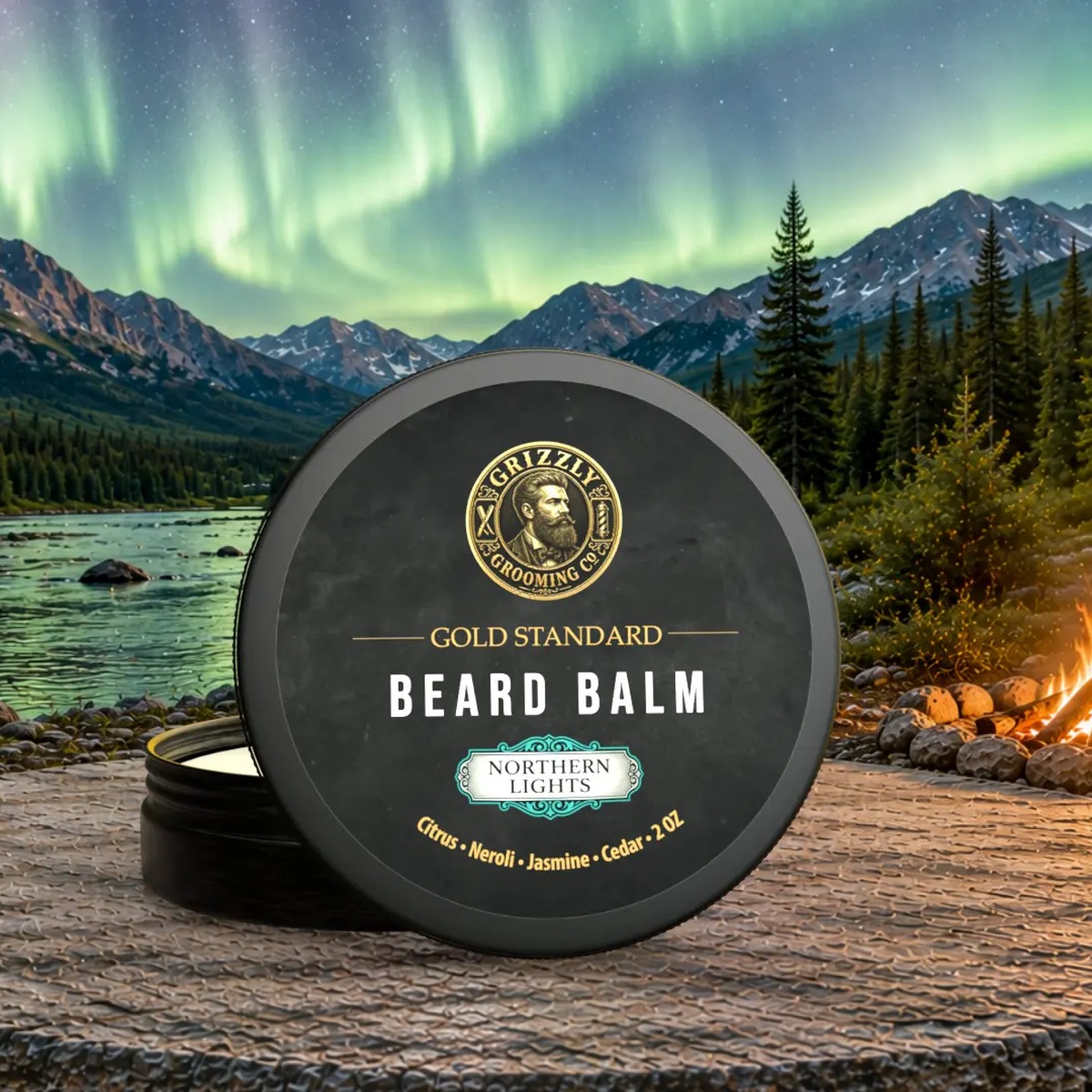
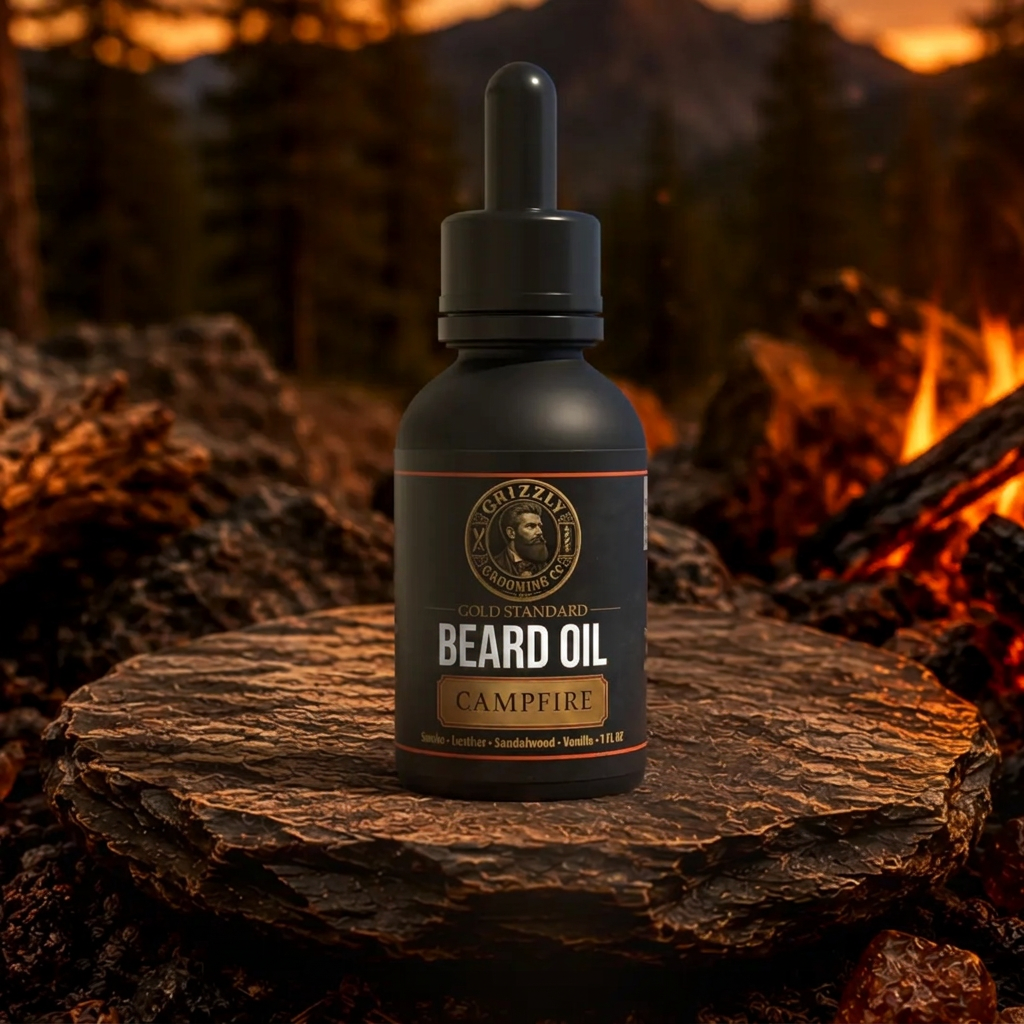
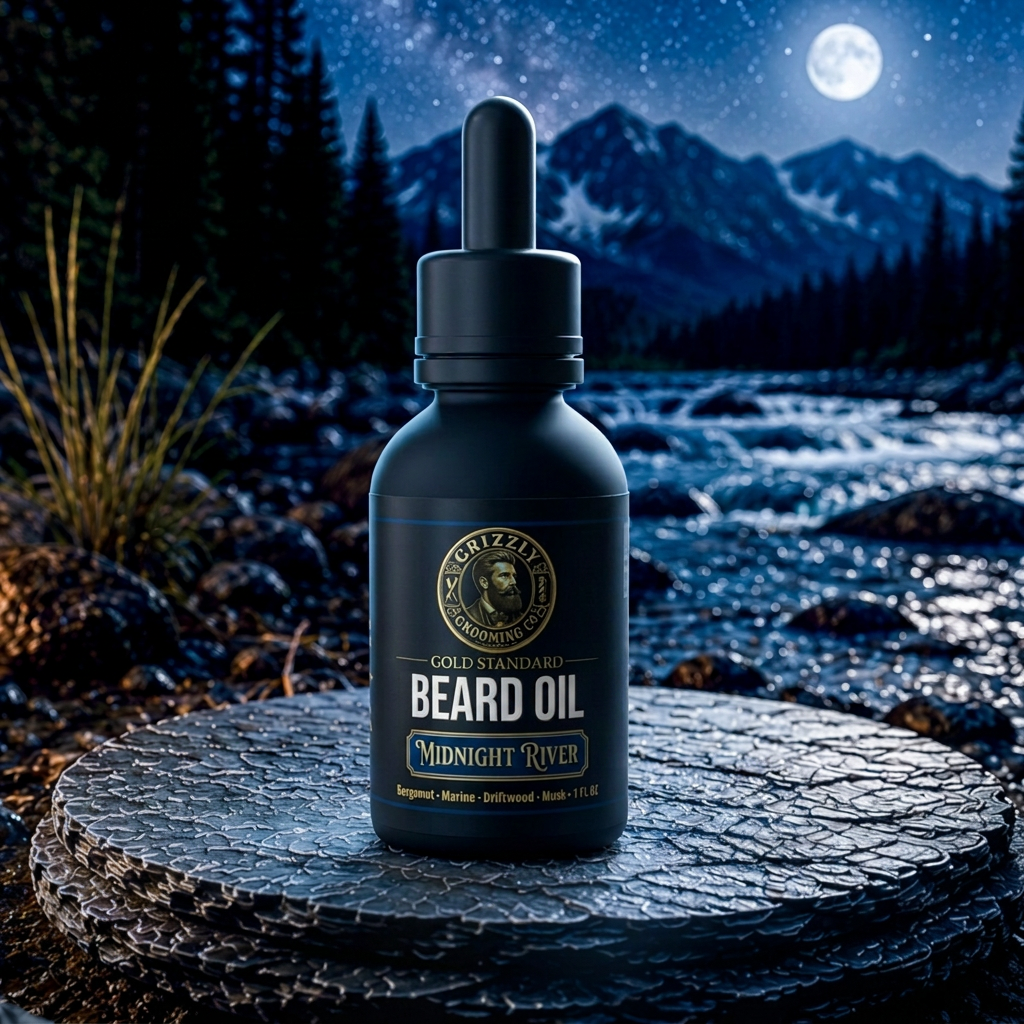
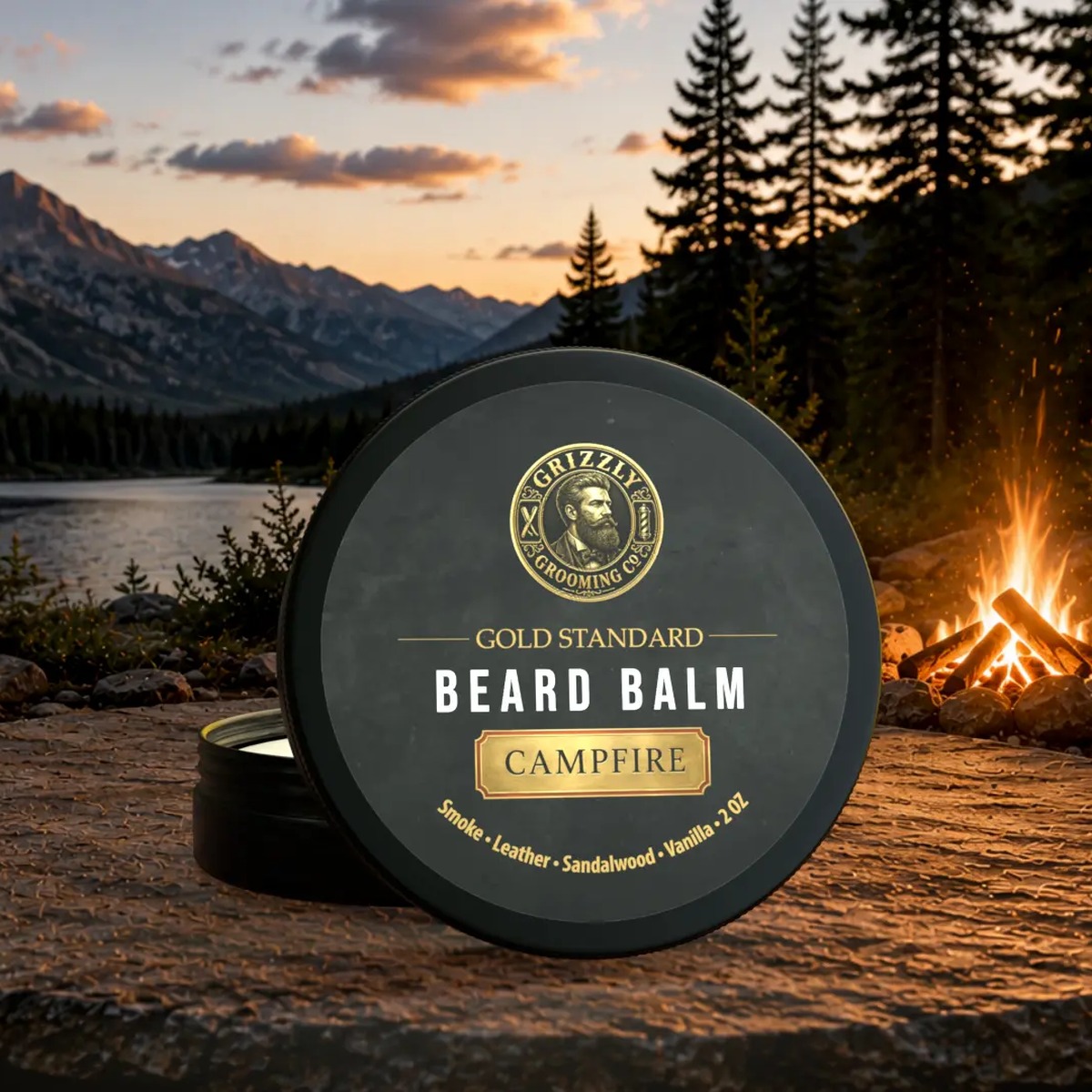
During summer, a light application of Grizzly Gold Standard beard oil might suffice, but winter demands a more robust approach. You should consider beard oil your primary hydrator and beard balm your primary protectant. The beeswax and shea butter found in high-quality balms act as a physical shield, locking the oil against the hair shaft and preventing the wind from wicking it away.
Apply your oil first to ensure the skin is treated, then follow up with a pea-sized amount of balm worked through the length of the hair. This layering technique mimics the skin's natural defense system and provides a sustained release of moisture throughout the day. If you are spending extended time outdoors, a secondary application of balm in the afternoon can prevent mid-day stiffness.
Temperature Control in the Ritual
One of the most common mistakes men make in winter is turning up the shower temperature to combat the cold. Scalding water is a solvent that effectively dissolves the very oils you are trying to preserve. This leads to a tight, itchy sensation on the face and leaves the beard vulnerable to breakage.
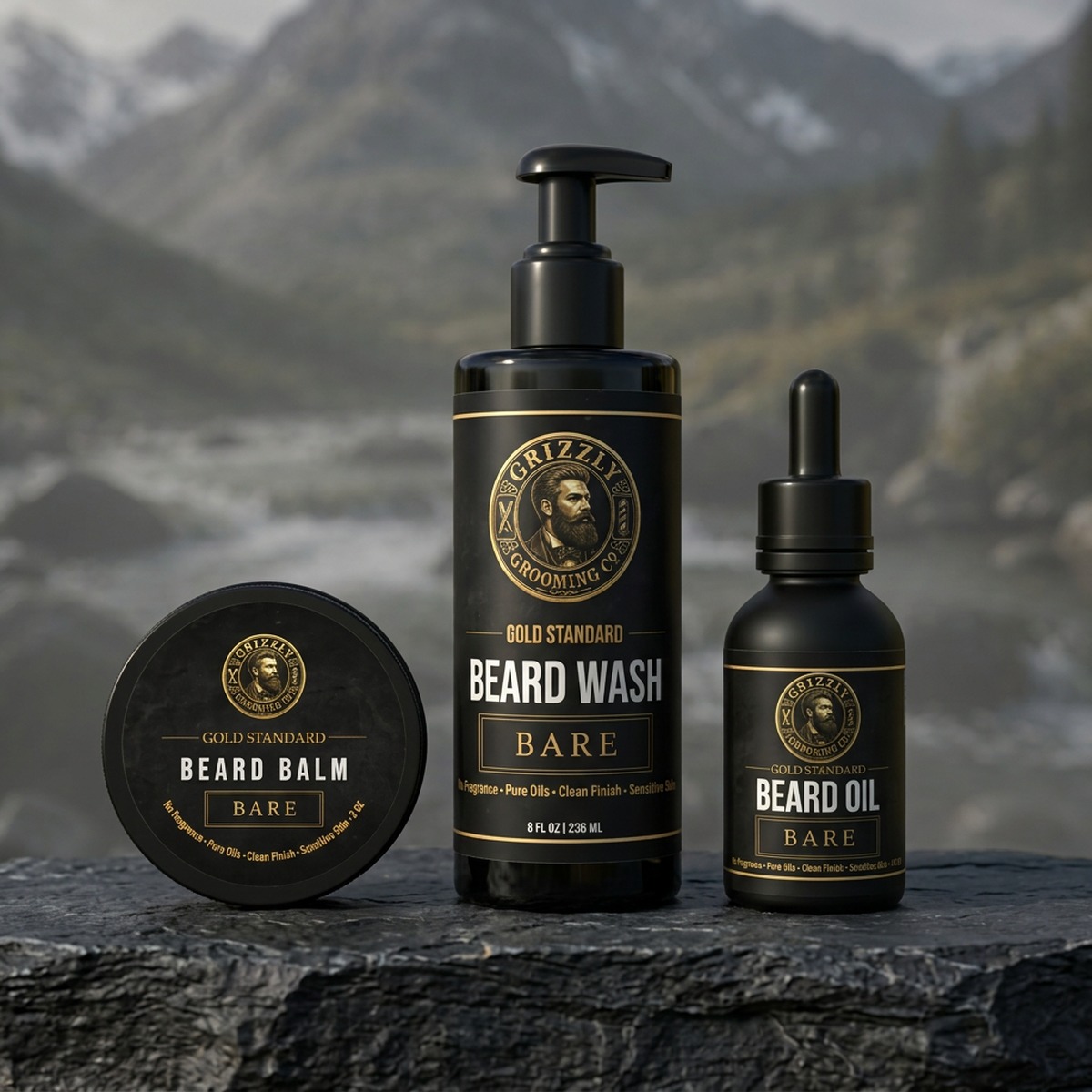
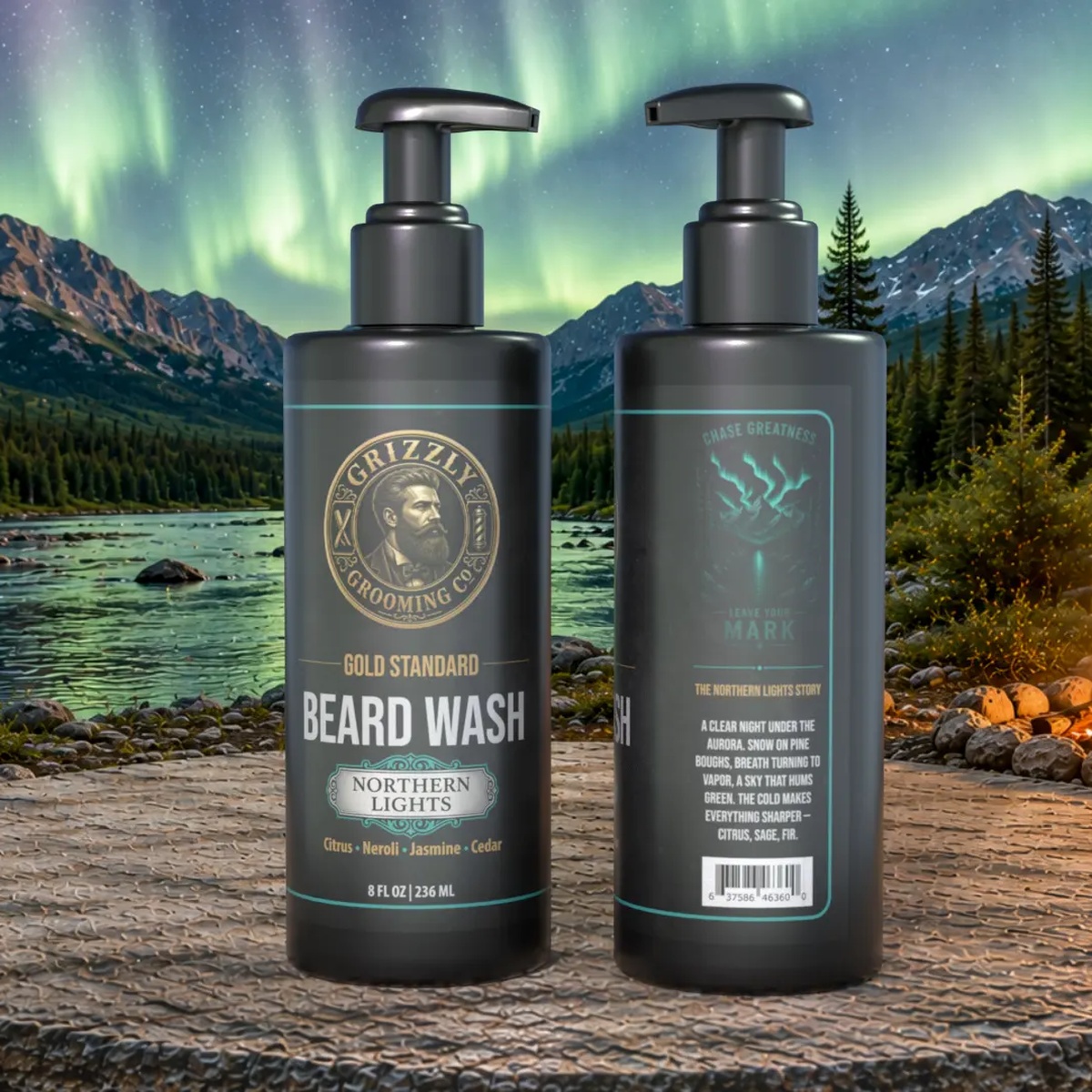
Keep your beard wash routine to lukewarm water only. Use a specialized beard wash rather than a standard hair shampoo; the latter often contains sulfates designed to strip heavy scalp oils, which are far too aggressive for the delicate skin on your face. After washing, pat the beard dry with a microfiber towel rather than rubbing vigorously, which can damage weakened winter cuticles.
Mechanical Protection and Maintenance
The physical environment in winter presents unique challenges, such as friction from wool scarves and high-collar coats. This constant rubbing can cause knotting and physical wear on the tips of the beard. Regular trims become even more essential in winter to remove these damaged ends before they split further up the hair shaft.
When venturing into sub-zero temperatures, ensure your beard is completely dry before leaving the house. Moisture trapped inside the hair can freeze and expand, causing structural damage to the cortex of the hair. Use a boar hair brush to distribute oils evenly, ensuring every strand is coated and protected from the elements.
Frequently Asked Questions
Should I wash my beard less often during the winter?
Yes, reducing your wash frequency to two or three times a week is generally advisable in cold weather. This allows your natural oils to build up, providing a natural defense against the dry air, though you should still rinse with water and apply oil daily.
Why does my beard feel itchier when it gets cold?
The itchiness is usually a sign of dehydrated skin, or 'beardruff.' As the air dries out your skin, it begins to flake; using a nutrient-dense beard oil that reaches the skin surface is the most effective way to eliminate this discomfort.
Is beard butter better than balm for winter use?
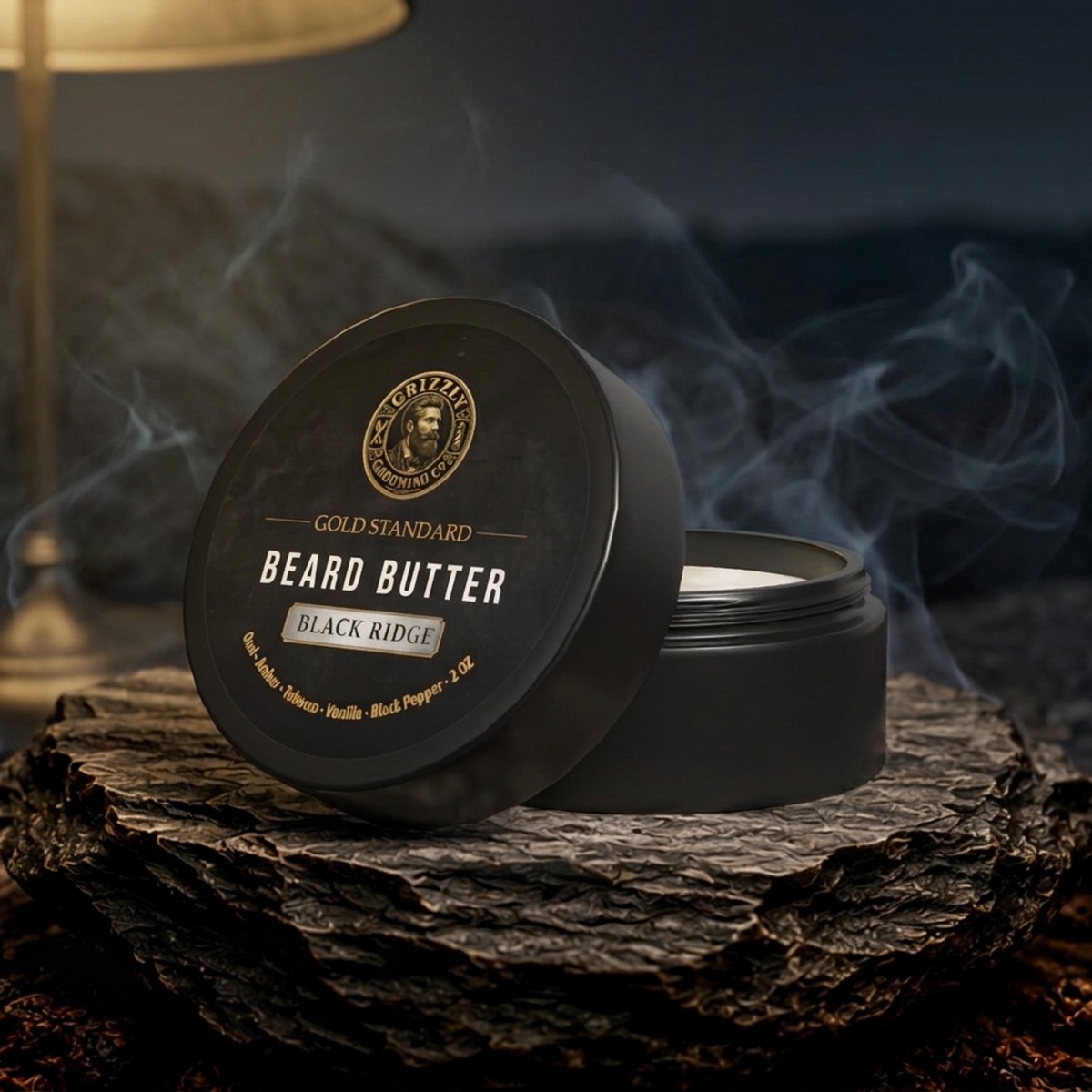
Beard butter is excellent for deep conditioning and overnight repair due to its high butter content. However, for daytime protection against wind and cold, a balm is superior because the beeswax content provides a stronger physical barrier against the elements.
Build your ritual in 60 seconds.
Answer four questions and get a custom regimen — plus a 15% bundle discount.
Start The Ritual Builder