Closing the Gaps: Professional Strategies for a Patchy Jawline Beard
A strong jawline is the structural foundation of a great beard, though few men are born with uniform density across the mandible. Achieving a filled-in look requires a combination of patience, proper skin preparation, and technical trimming that works with your natural growth patterns rather than against them.
- ›Lower the neckline to create a visual base of density.
- ›Prioritize skin health to ensure dormant follicles have the best environment.
- ›Utilize boar hair brushes to redistribute natural sebum and product.
- ›Allow at least twelve weeks of growth before assessing true coverage.
- ›Incorporate a nutrient-rich beard oil to prevent breakage and thinning.
The Architecture of the Neckline
One of the most common mistakes men make when dealing with a patchy jawline is carving the neckline too high. When you trim directly onto the jawbone, you remove the supporting hair from underneath that provides the illusion of thickness and depth. By letting the hair grow about one finger's width above the Adam's apple, you create a dark backdrop that obscures skin gaps.
Consistency is key during this growth phase. Use a high-quality trimmer with a steady hand to define the periphery, but leave the bulk of the jawline untouched. This allows the slower-growing terminal hairs to eventually overlap the thinner areas, creating a cohesive look over time.
Stimulating the Follicle Environment
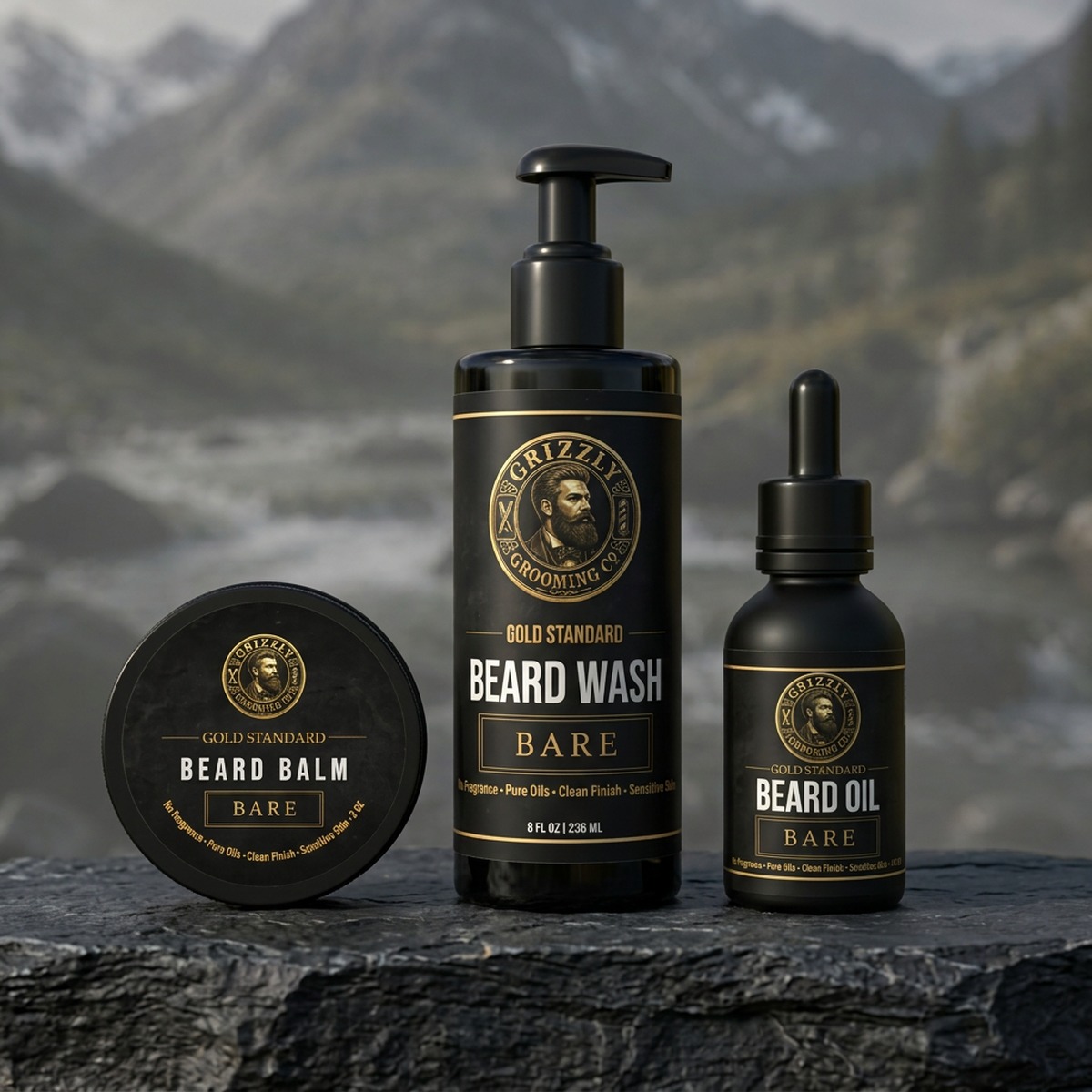
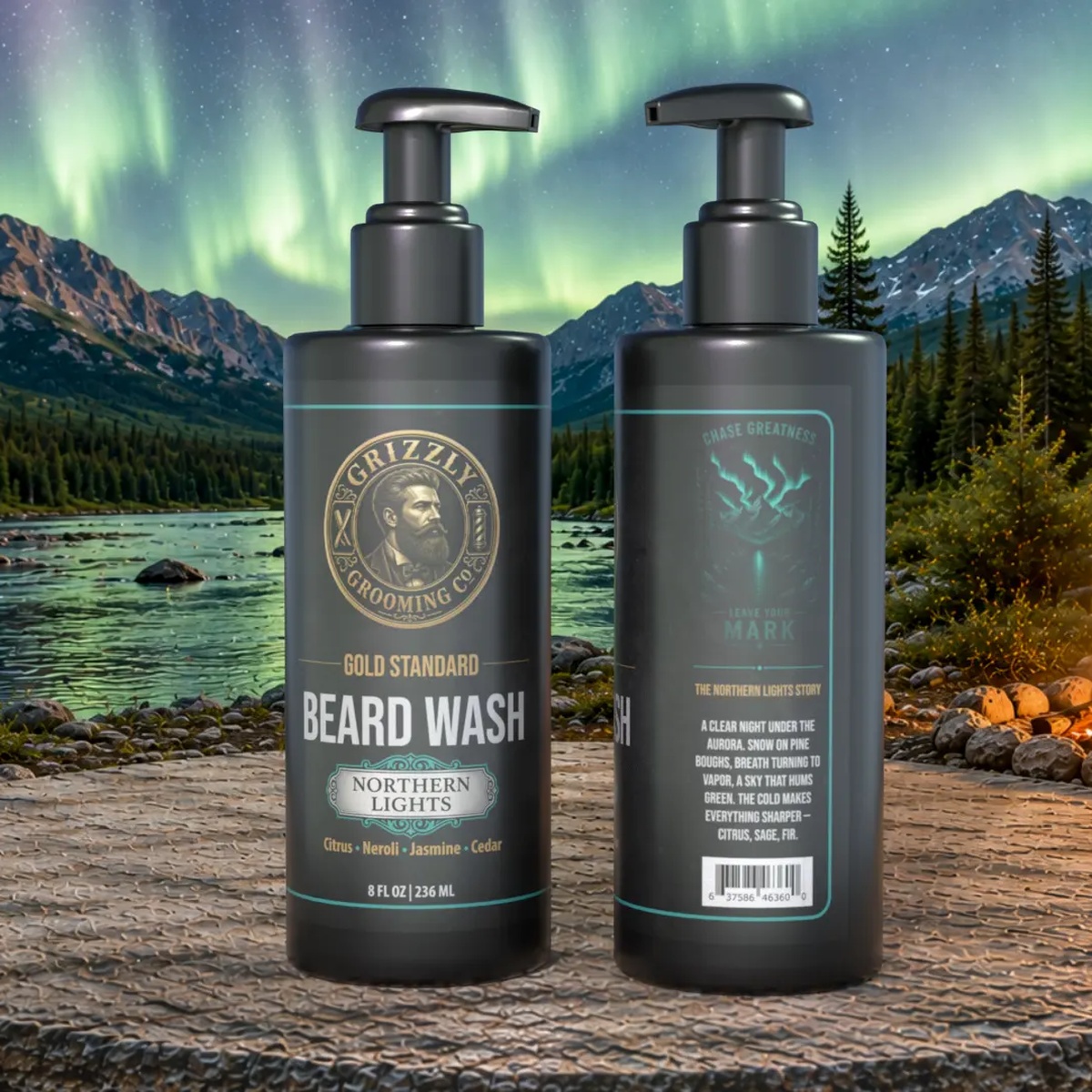
Hair cannot grow in a hostile environment characterized by dry, flaky skin or clogged pores. A patchy jawline is often exacerbated by poor circulation or localized inflammation. Using a dedicated beard wash instead of harsh facial soaps ensures you are cleansing without stripping the essential lipids necessary for hair shaft integrity.
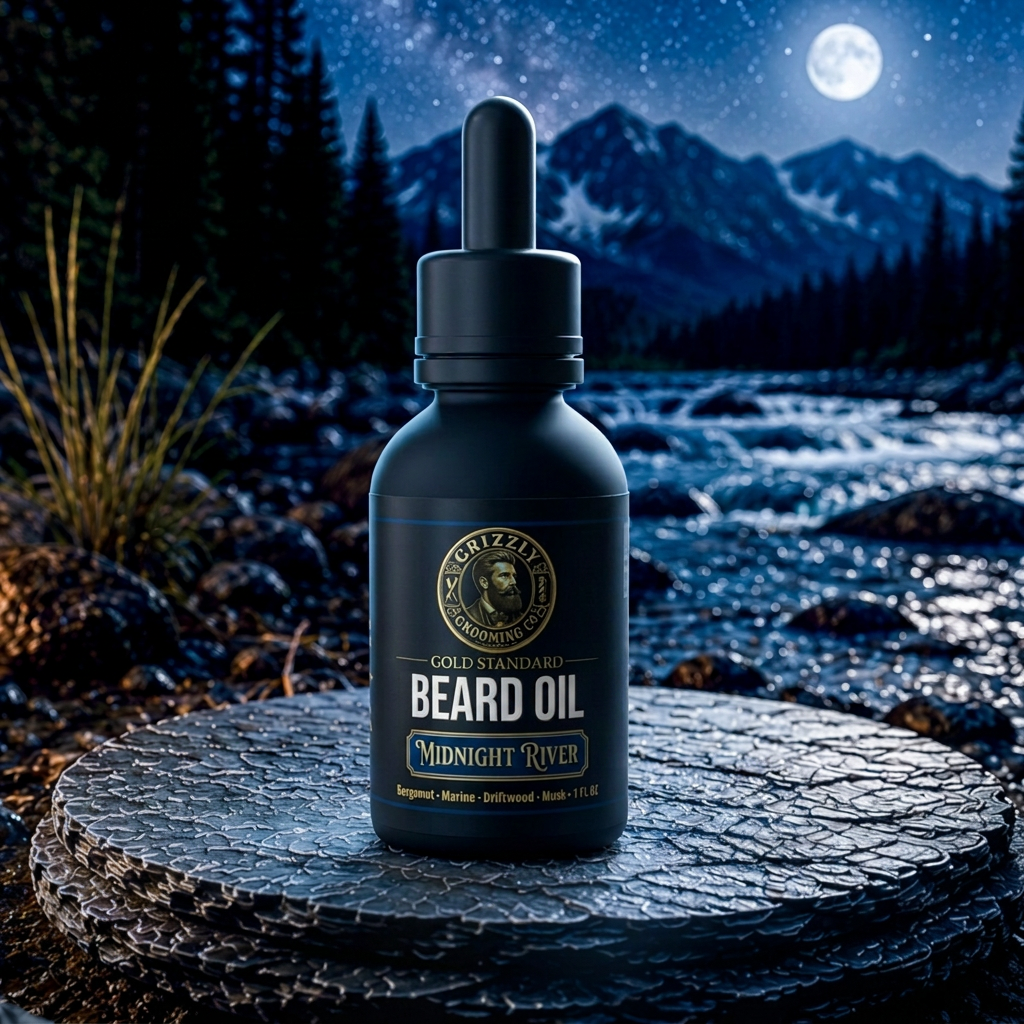
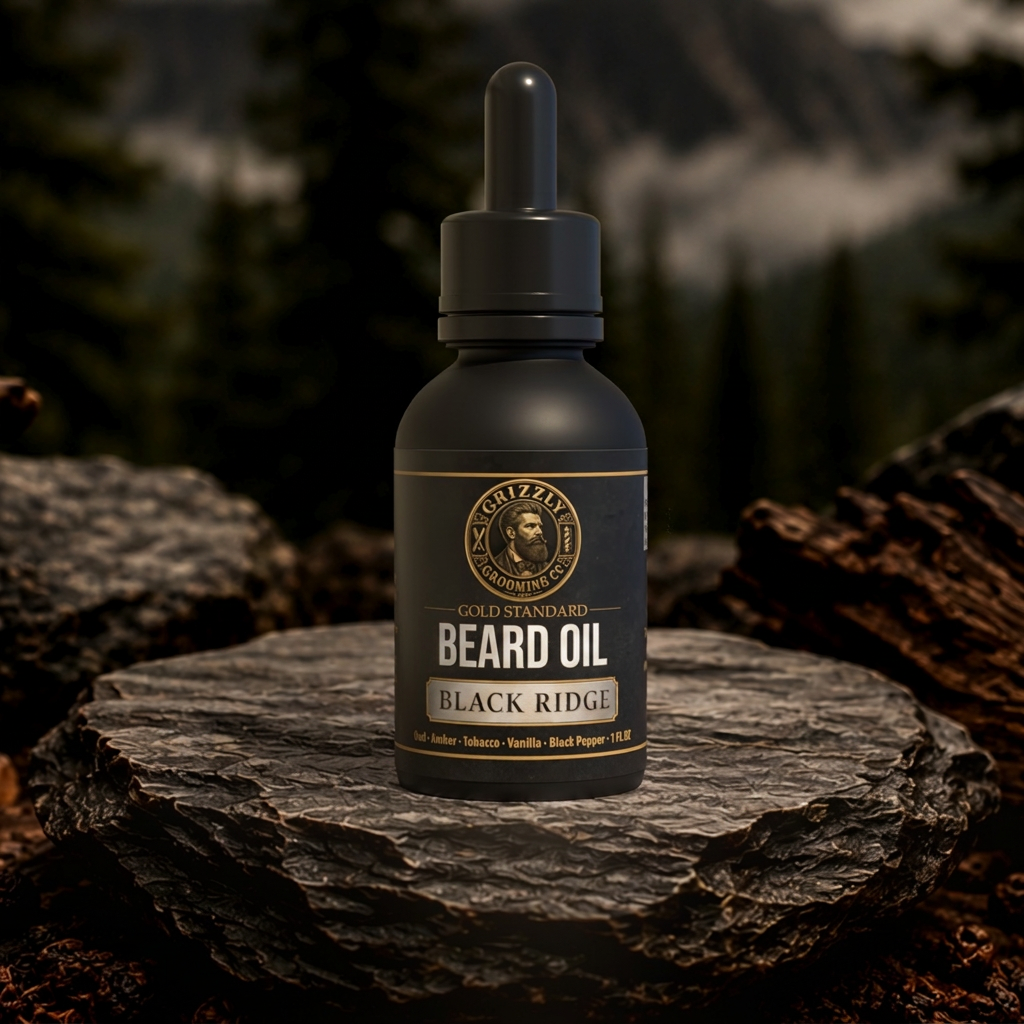
Daily massage is a neglected tool in the barber's kit. Spending two minutes massaging Grizzly Gold Standard beard oil into the jawline increases blood flow to the area. This delivery of oxygen and nutrients to the follicles is essential for transitioning vellus hairs into thicker, darker terminal hairs.
The Role of External Hydration
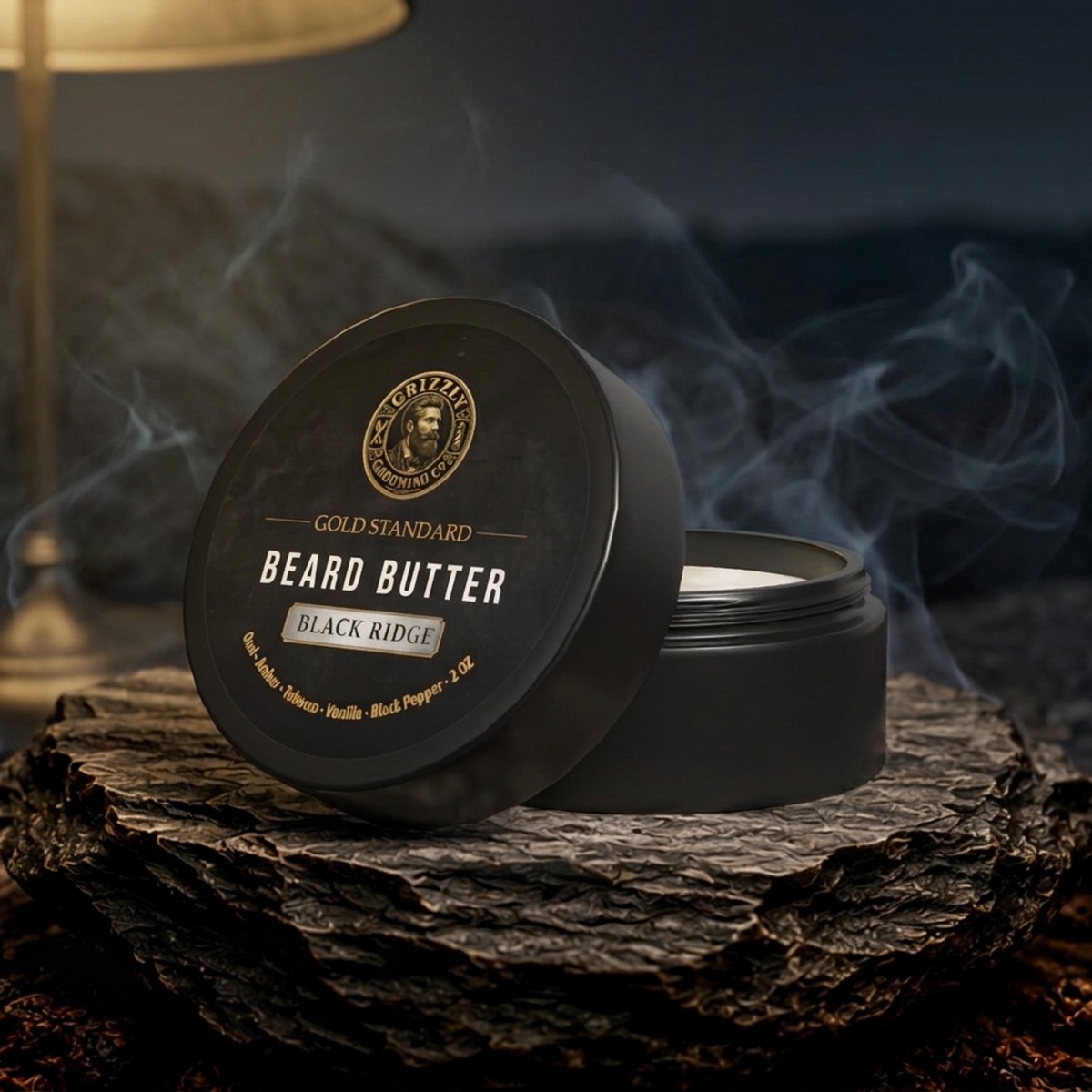
When beard hair is dry, it becomes brittle and transparent, which highlights patches. Hydrated hair is physically thicker. Applying a specialized beard butter or oil ensures the hair shaft is swollen with moisture, which helps bridge the gaps between sparse follicles.
Grizzly Gold Standard products utilize carrier oils that mimic the skin's natural sebum. By sealing the cuticle, you prevent the 'flyaway' effect that often makes a thin beard look unkempt. A well-conditioned beard lies flat, covering more surface area on the jaw than a dry, frizzy one.
Technical Brushing and Taming
A firm boar hair brush is an essential instrument for managing a patchy jawline. Unlike synthetic combs, boar bristles have a natural scale-like texture that grips the hair and trains it to grow in a specific direction. You can effectively 'sweep' hair from denser areas to cover spots where the jawline is lacking.
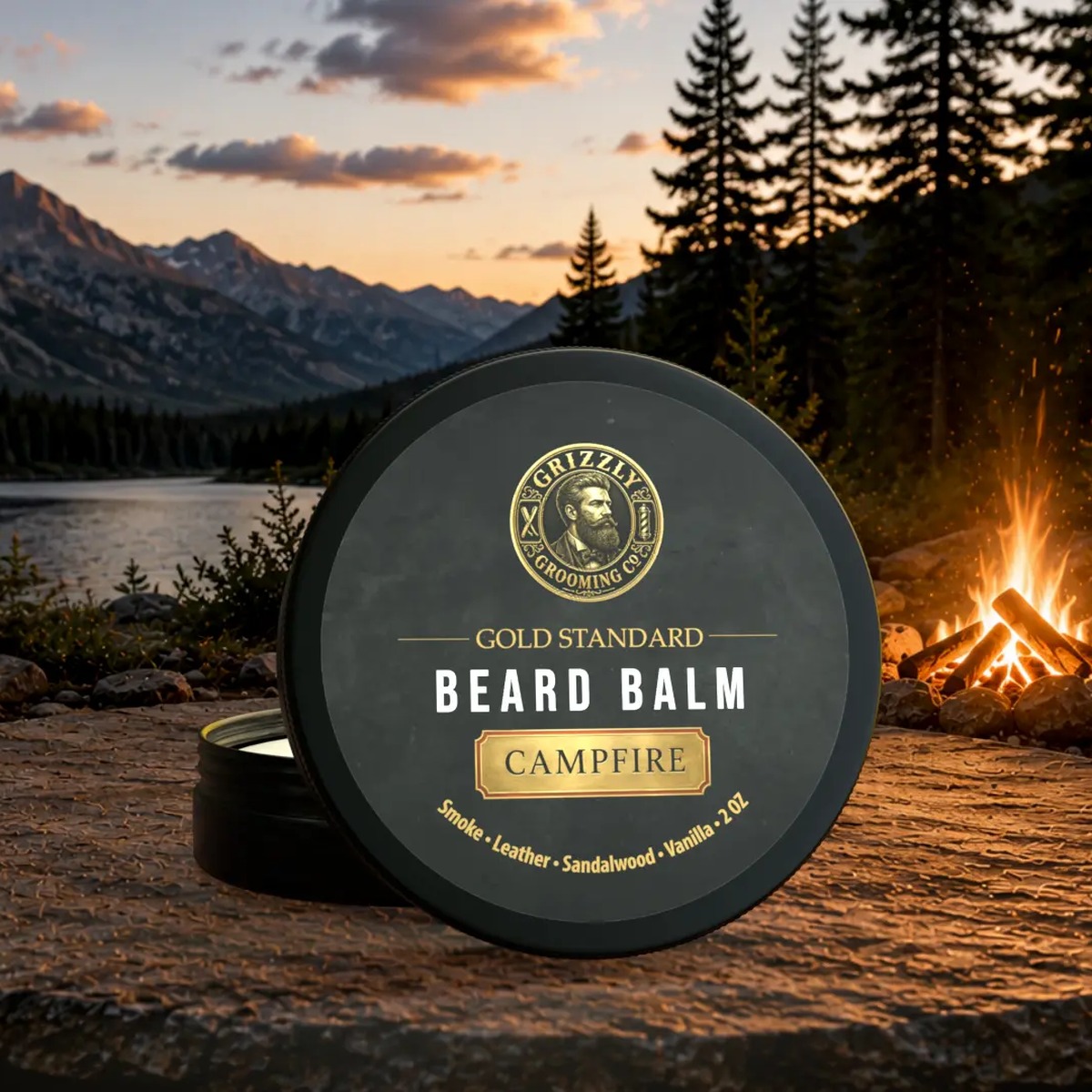
For those with significant gaps, a light application of mustache wax or a firm beard balm can provide the hold necessary to keep that coverage in place throughout the day. This is not about hiding the beard, but about styling it for maximum density.
Patience and the Twelve-Week Rule
The majority of men abandon their beard growth far too early, often at the four-to-six week mark when patchiness is most visible. Hair grows at different rates across the face; the chin and mustache usually lead, while the jawline and cheeks lag behind. You must commit to a minimum of ninety days before making a judgment on your beard's potential.
During this window, focus on maintenance rather than removal. Keep the edges clean with a sharp razor to signal that the growth is intentional. A patchy beard that is well-groomed at the margins always looks better than a full beard that is neglected.
Frequently Asked Questions
Will beard oil actually grow hair in bald spots?
Beard oil does not change your DNA or create new follicles where none exist. However, it creates the optimal health conditions for existing dormant follicles to produce hair and prevents existing hair from breaking off prematurely.
How often should I trim common jawline patches?
Avoid trimming the patches themselves. Instead, trim the surrounding dense areas to a shorter length to even out the contrast. This makes the patches less noticeable while the rest of the beard catches up.
Does shaving make the jawline hair grow back thicker?
This is a common myth. Shaving gives hairs a blunt tip, which may feel coarser to the touch, but it does not increase follicular density or the actual diameter of the hair shaft.
Build your ritual in 60 seconds.
Answer four questions and get a custom regimen — plus a 15% bundle discount.
Start The Ritual Builder