Choosing the Right Beard Shape for Your Unique Face Structure
The difference between a haphazard beard and a professional look lies in how the hair interacts with your natural bone structure. A well-chosen style balances your features, providing definition where it is lacking and softening harsh angles.
- ›Square faces benefit from rounded growth to soften the jawline.
- ›Oval faces are versatile but require maintenance to avoid over-lengthening.
- ›Round faces should focus on verticality and sharp angles to create structure.
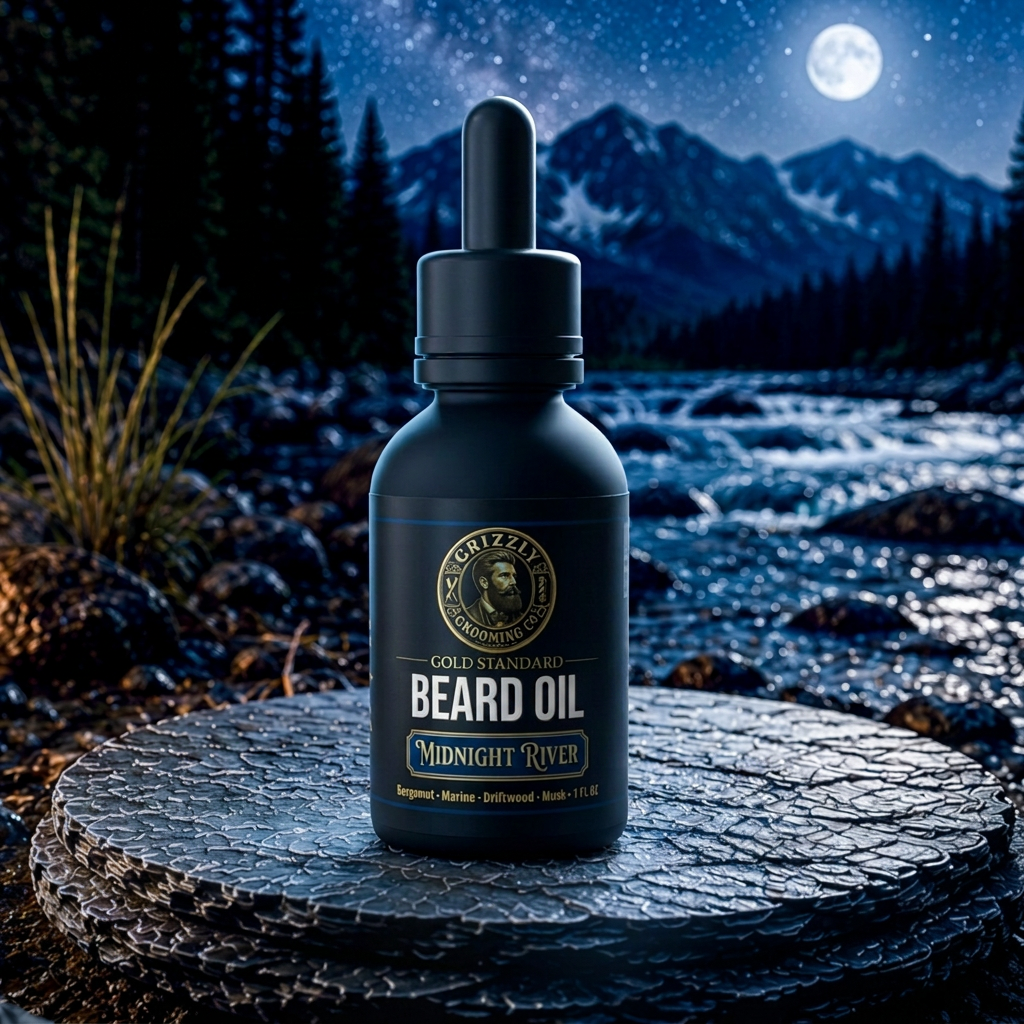
- ›Proper hydration with beard oil is essential regardless of the chosen style.
- ›Regular trimming ensures the shape remains intentional rather than accidental.
The Square Face: Adding Softness and Length
A square face is defined by a broad forehead and a strong, angular jawline. While these are desirable traits, a beard that is too thick on the sides can make the head appear boxy or overly wide. The goal here is to lengthen the face rather than widen it.
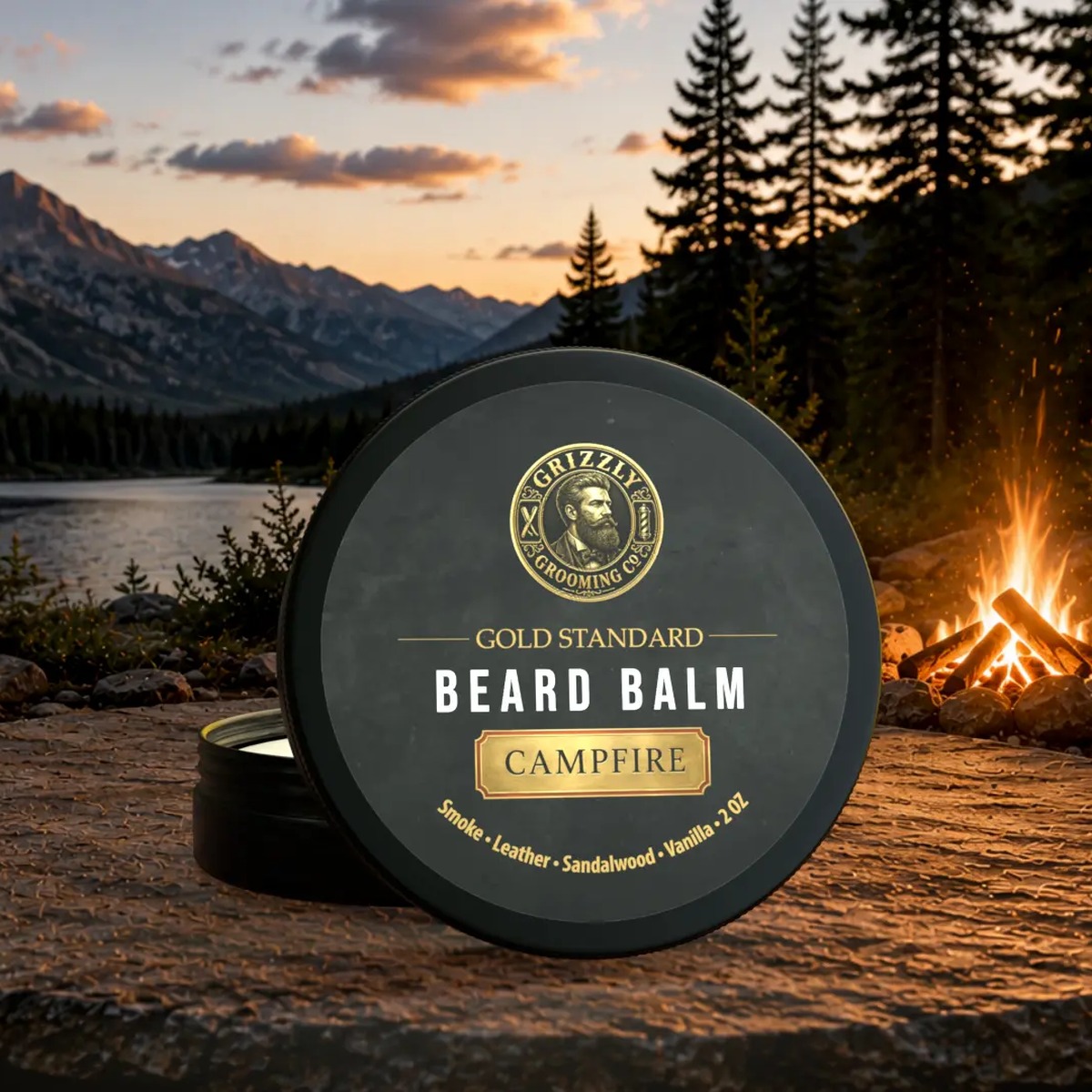
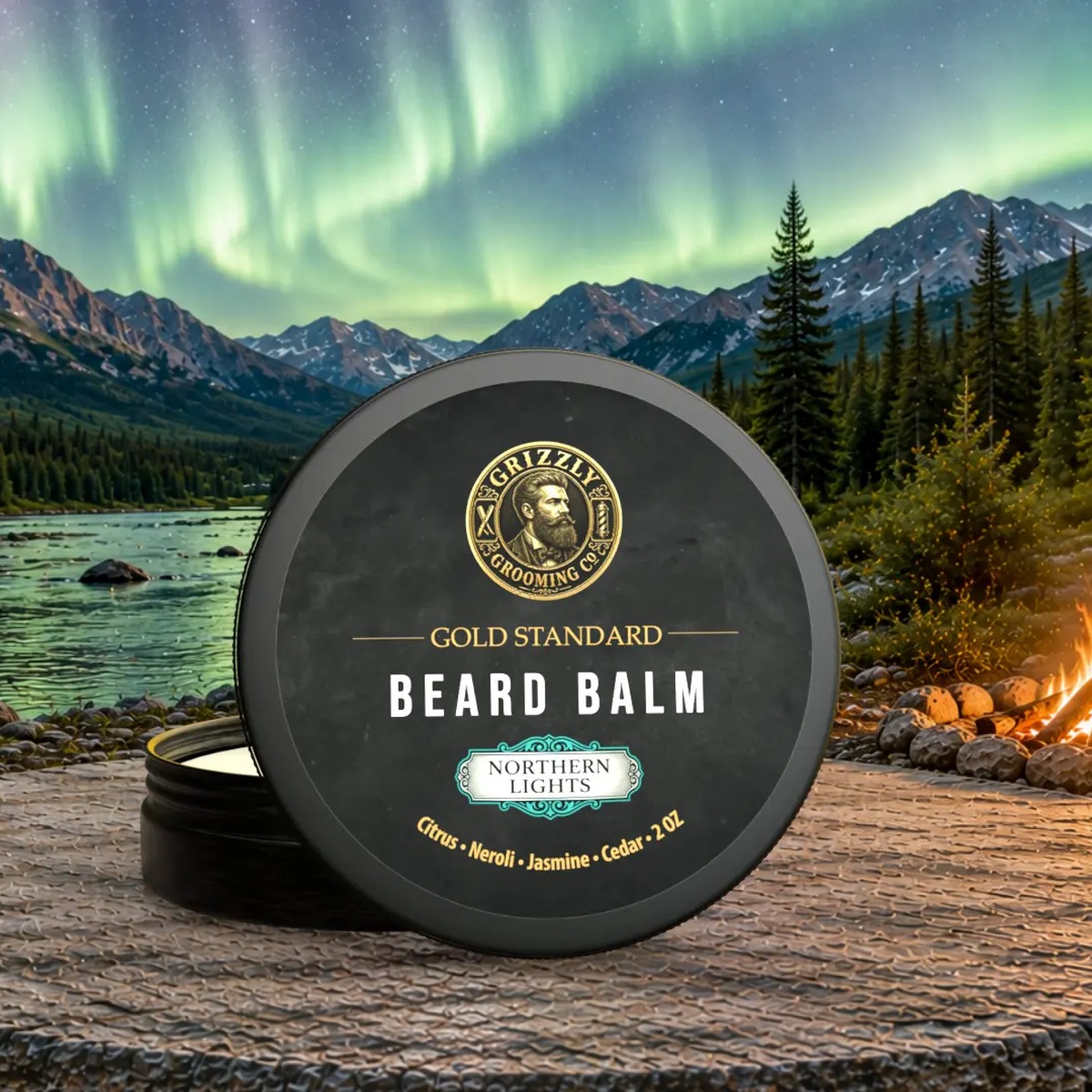
We recommend keeping the sides tight and allowing more length at the chin. A heavy goatee or a rounded corporate beard works well. Use a small amount of Grizzly Gold Standard beard balm to keep the stray hairs tucked in, ensuring the silhouette remains smooth and deliberate.
The Round Face: Creating Structural Definition
Men with round faces often lack natural definition in the cheek and jaw area. To combat this, you must use your facial hair to create the illusion of sharper angles. Focus on a style that is shorter on the cheeks and longer at the chin to draw the eyes downward.
Avoid high cheek lines, as they emphasize fullness. Instead, opt for a lower, angled cheek line to create a shadow that mimics a more prominent cheekbone. A structured Van Dyke or a tapered full beard are excellent choices for adding the necessary verticality.
The Oval Face: Maintaining Natural Symmetry
The oval face is often considered the ideal canvas because of its balanced proportions. Most styles will suit this shape, but the risk lies in over-complicating the look or letting the beard grow so long that it distorts the natural symmetry.
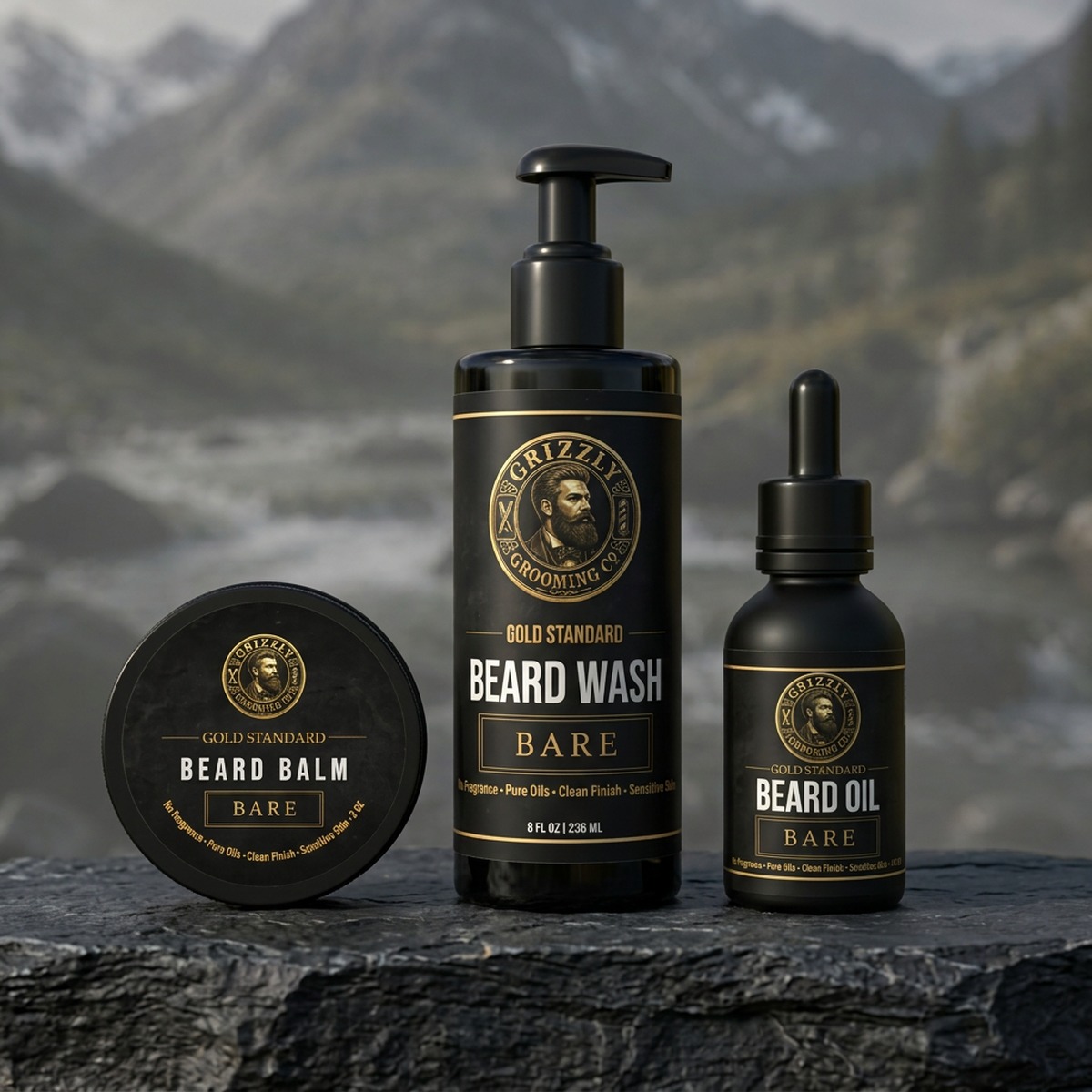
Maintain a consistent length throughout the beard to preserve the face's natural flow. Because this shape is so versatile, it is an excellent opportunity to experiment with a thicker mustache paired with a medium-length beard. Keep the hair healthy with a dedicated beard wash to ensure the volume remains consistent.
The Rectangular Face: Width and Volume
A rectangular or oblong face is significantly longer than it is wide. If you grow a long, pointed beard, you risk making your face look excessively thin. The strategy here is the opposite of the square face: you want to add width to the sides.
Keep the bottom of the beard relatively short and allow the hair on the cheeks to grow a bit fuller. This creates a more horizontal profile that balances the vertical length of the skull. A well-groomed Garibaldi or a classic full beard with bulk on the sides will serve this face shape best.
Maintaining Your Shape Through Product
Regardless of the shape you choose, the integrity of the style depends on the health of the hair. Dry, brittle hair will frizz and lose its shape, ruining the lines your barber worked to create. Daily application of beard oil is non-negotiable for maintaining the weight and drape of the hair.
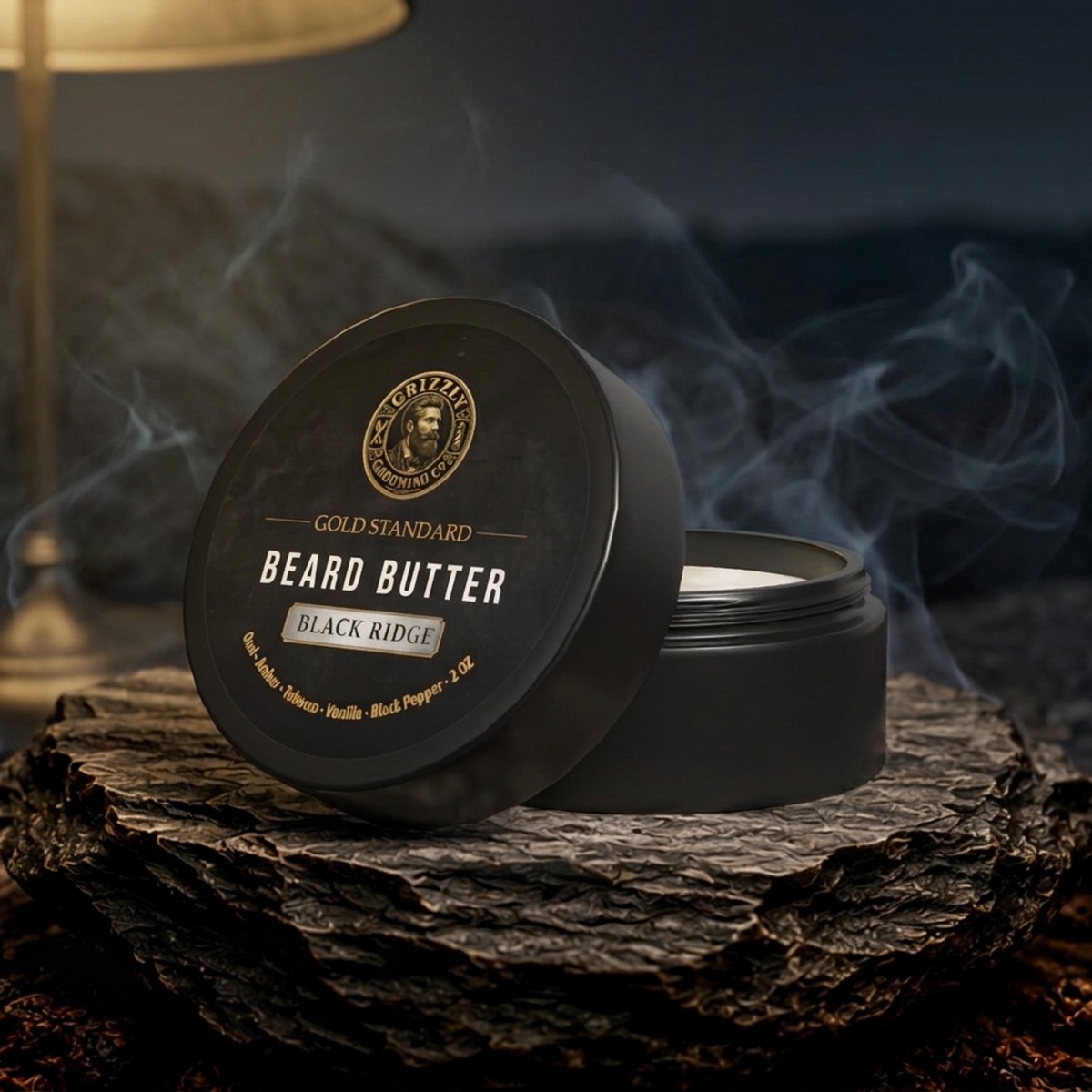
For styles requiring more structure, such as those for round or square faces, beard butter provides the necessary hold without the stiffness of wax. It allows for natural movement while keeping the profile sharp. Consistent use of these products prevents the 'shelf' effect where the beard flares out unnaturally.
Frequently Asked Questions
How do I determine my face shape accurately?
Measure the width of your forehead, cheekbones, and jawline, then compare these to the total length of your face. If the length is similar to the cheekbone width, you likely have a round or square face; if the length is significantly greater, you are likely oval or rectangular.
Can I change my face shape with a beard?
You cannot change bone structure, but you can use facial hair to alter the visual proportions. By adding bulk to the chin or keeping the sides slim, you shift the focal point and create the appearance of a different jawline or face height.
How often should I trim to maintain the shape?
For most professional styles, a light trim every 7 to 10 days is necessary to maintain the clean lines of the cheek and neck. This prevents the beard from losing its intended silhouette as it grows at different rates across your face.
Build your ritual in 60 seconds.
Answer four questions and get a custom regimen — plus a 15% bundle discount.
Start The Ritual Builder