Choosing the Best Beard Styles for Every Masculine Face Shape
The difference between a haphazard beard and a deliberate style lies in how it interacts with the underlying bone structure. A master barber does not simply trim length; they manipulate volume and angles to bring the face into ideal proportion.
- ›Square faces benefit from rounded bottoms to soften sharp jawlines.
- ›Round faces require length at the chin to create an elongated appearance.
- ›Oval faces provide the most versatility and can support most beard styles.
- ›Triangular faces need bulk on the sides to balance a prominent chin.
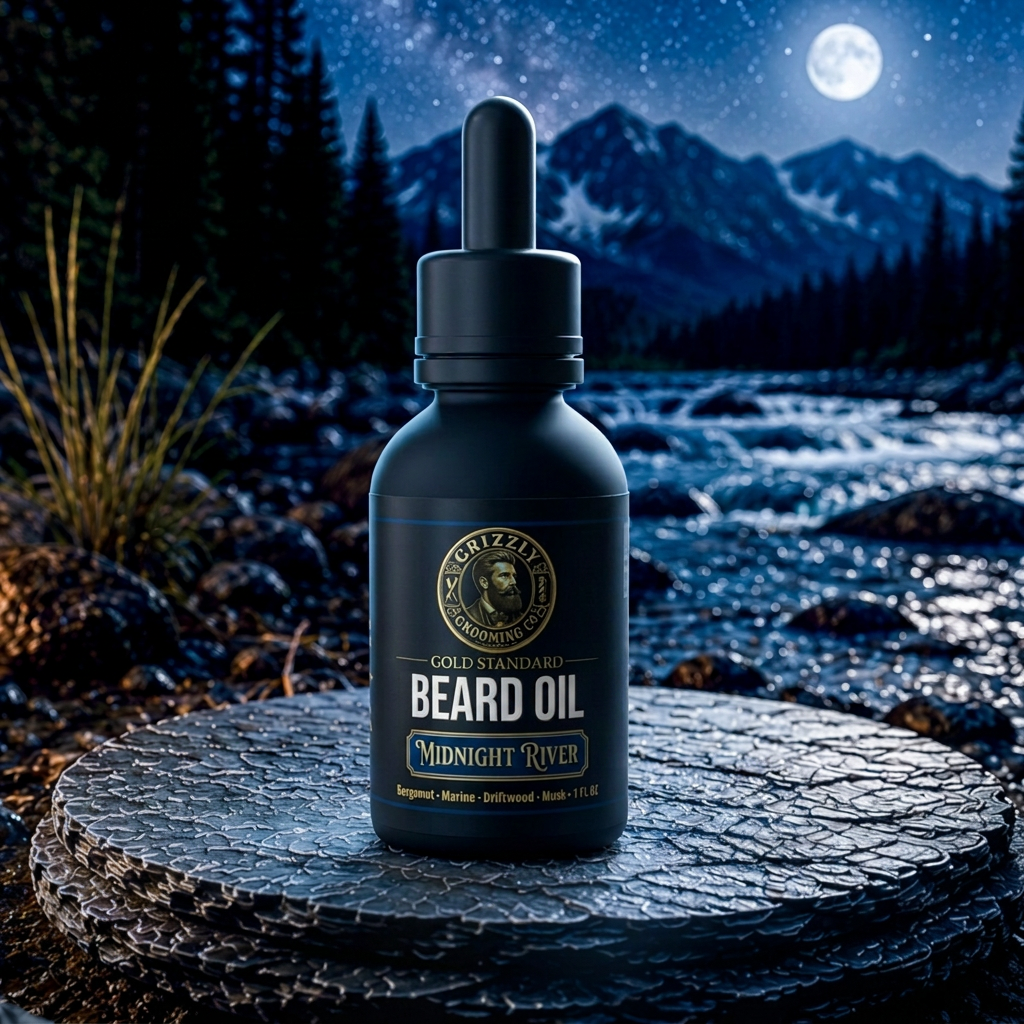
- ›Proper hydration with beard oil is essential for maintaining any structural style.
The Square Face: Softening the Angles
A square face is characterized by a broad jawline and a wide forehead. The goal here is not to add more width to the sides, which can make the head look blocky, but to add length and roundness at the chin. By keeping the sideburns and cheeks closely cropped, you allow the jaw to remain the focal point without over-emphasizing its width.
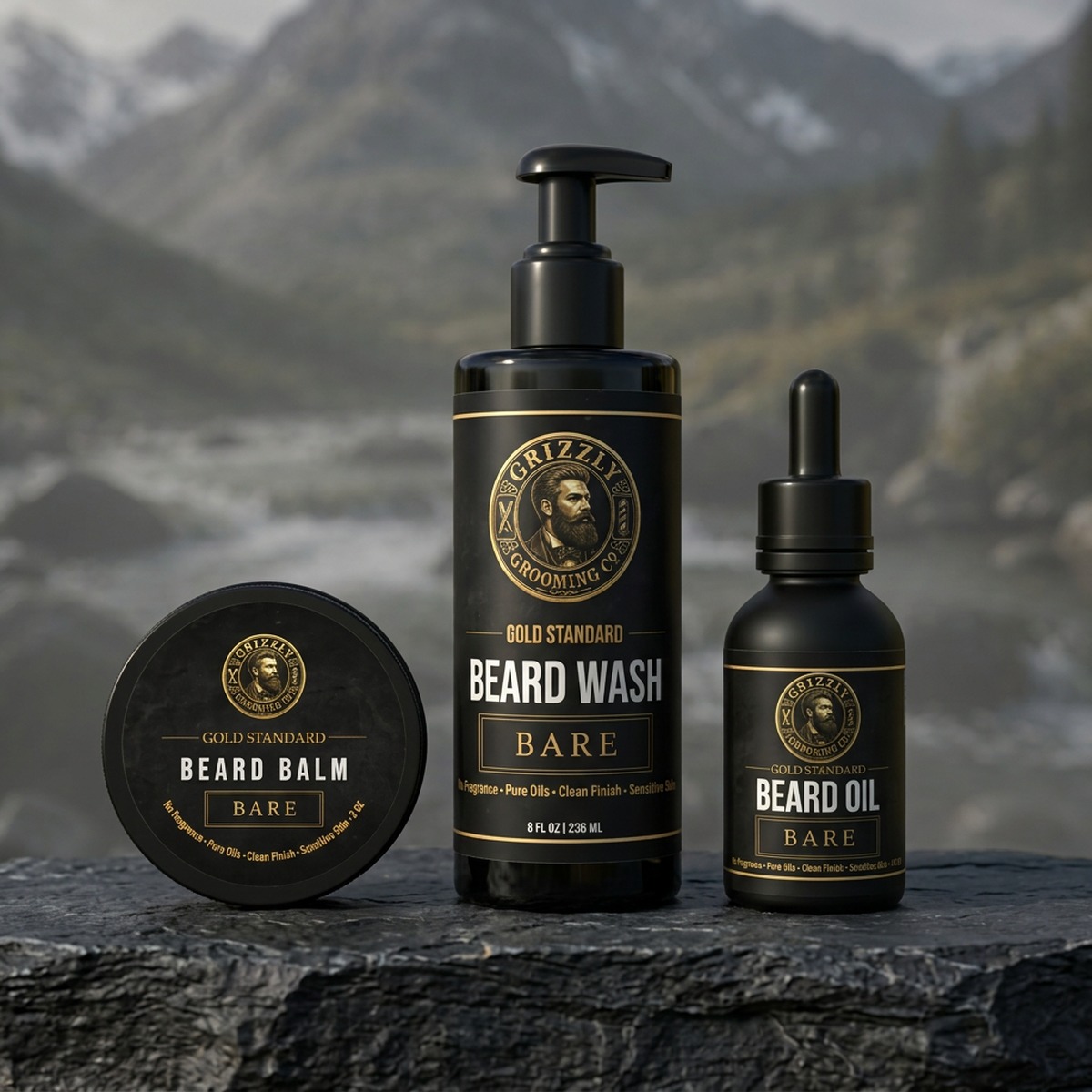
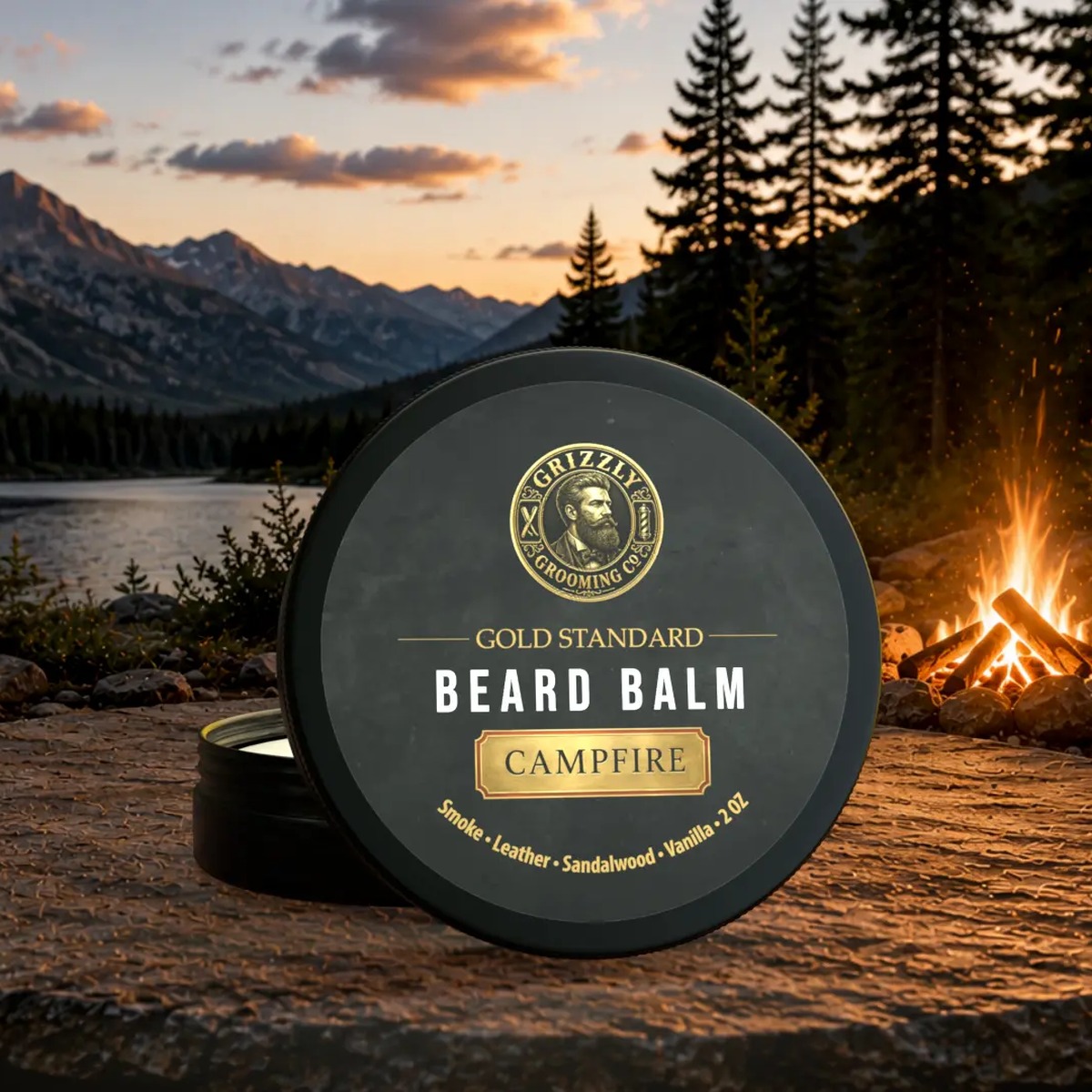
Opt for a Goatee or a rounded Corporate Beard. When trimming, use your clippers to create a gradual taper toward the chin. This creates a more oval silhouette. To keep the hair manageable during this transition, a light application of beard balm provides the necessary weight to keep stray hairs from flaring out at the sides.
The Round Face: Adding Much-Needed Definition
Round faces lack natural angles, often appearing youthful but soft. The objective is to create the illusion of a longer, more masculine jawline. This is achieved by growing the hair longer at the bottom while keeping the sides extremely short. A sharp, square cut at the base of the chin can provide the structural contrast a round face lacks.
Avoid thick sideburns, as they will only widen the face. Instead, focus on a Garibaldi or a long, tapered beard. Maintaining the verticality of these styles requires a dedicated beard wash to ensure the hair remains clean and light, allowing it to hang naturally and emphasize the length you are cultivating at the chin.
The Oval and Rectangular Face: Balancing Length
The oval face is often considered the ideal canvas because its proportions are naturally balanced. Most styles work here, but the Rectangular face—a longer version of the oval—requires care. If your face is long, avoid adding more length at the chin. Instead, grow the hair fuller on the sides to add width and create a more proportional look.
For rectangular faces, a short boxed beard or even well-maintained heavy stubble works best. Use a high-quality mustache wax to keep the upper lip defined, which helps break up the vertical plane of the face. The key is horizontal volume rather than vertical extension.
The Triangular and Heart Face: Managing the Chin
A triangular face features a prominent chin and a narrower forehead. The goal is to bulk up the area around the cheeks and temples to balance the lower half of the face. A 'Beardstache' or a full, bushy beard works well here, as long as the sides are not tapered too aggressively.
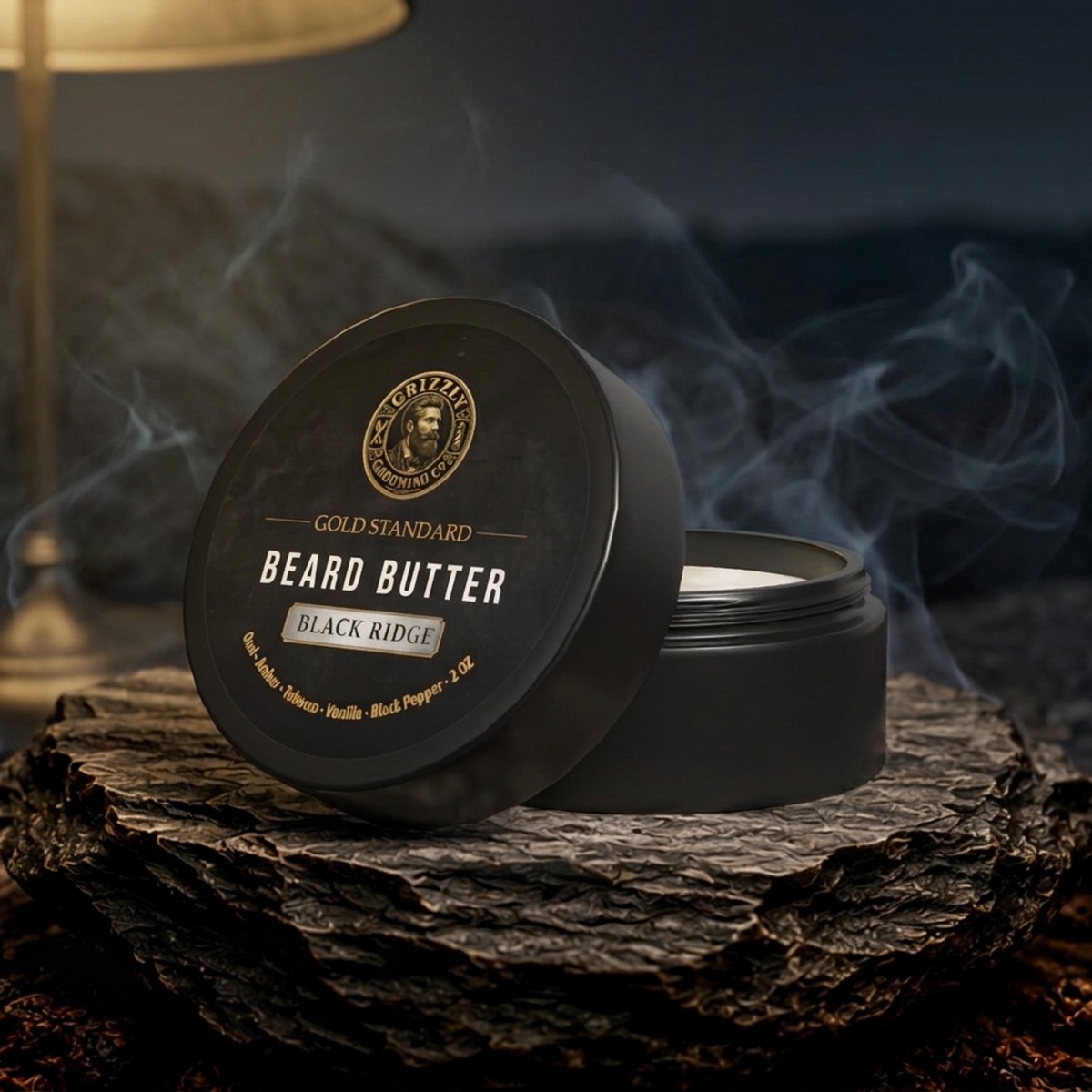
For heart-shaped faces, which are wider at the top and narrow at the bottom, a thicker beard adds necessary volume to a smaller chin. This prevents the face from appearing top-heavy. Consistent use of beard butter at night will keep these fuller styles soft and prevent the skin underneath from becoming irritated as the density increases.
Frequently Asked Questions
How do I determine my actual face shape?
Stand in front of a mirror and trace the outline of your face using a bar of soap or a dry-erase marker. Focus on the width of your forehead, cheekbones, and jawline, as well as the overall length from hairline to chin.
Can I change my beard style if my face shape changes with weight?
Yes. As facial fullness increases or decreases, you should adjust the bulk of your beard. If your face rounds out, shorten the sides and lengthen the chin; if it becomes more angular, you can afford more volume on the cheeks.
What is the best way to maintain the lines of these styles?
Precision is key. Use a single-blade safety razor or a professional trimmer to define the cheek and neck lines every three to four days. Consistent maintenance prevents a structured style from looking like neglect.
Build your ritual in 60 seconds.
Answer four questions and get a custom regimen — plus a 15% bundle discount.
Start The Ritual Builder