Choosing the Best Beard Style for Your Specific Face Shape
The difference between a mediocre beard and a signature look lies in the geometry of the trim. Professional grooming is a matter of architectural balance, using hair to correct or enhance the natural proportions of the skull and jaw.
- ›Symmetry is the primary goal of any beard style choice.
- ›Oval faces offer the most versatility for length and volume.
- ›Square and round faces require length at the chin to elongate the profile.
- ›Angular face shapes benefit from softer, fuller sides to add necessary width.
- ›Consistent maintenance with quality beard oil is essential for shape retention.
The Oval Face: The Versatile Foundation
An oval face is widely considered the aesthetic baseline in barbering because of its natural symmetry. If you possess this shape, your goal is to maintain that balance without over-extending the chin or widening the cheeks excessively.
Most styles work here, from a tightly cropped corporate beard to a full, natural growth. To keep the look sharp, focus on hydration rather than correction. A daily application of Grizzly Gold Standard beard oil ensures the hair remains manageable and the underlying skin stays healthy.
Avoid heavy styling on the chin that might make the face appear unnecessarily long. Instead, maintain a uniform length across the jawline to preserve your natural proportions.
Elongating the Round and Square Face
Round and square faces share a common requirement: the need for perceived length. For round faces, the objective is to create angles where they do not naturally exist. Keeping the sides short and allowing the hair to grow longer at the chin creates a slimming effect.
Square faces have strong, blocky features that can be softened with a slightly more rounded beard shape. By keeping the hair fuller at the chin and trimmed narrow at the cheeks, you shift the focus to a more vertical orientation.
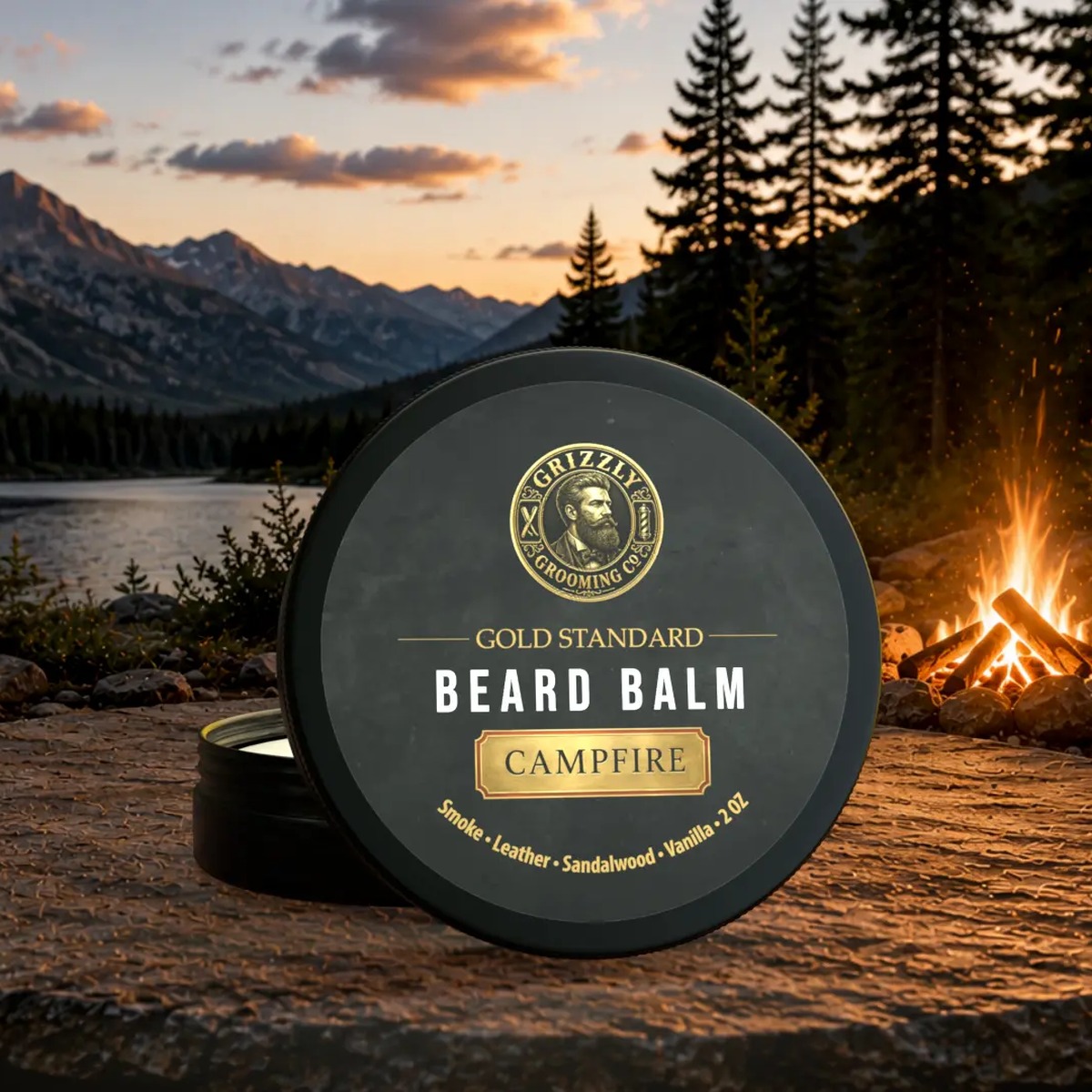
To manage the extra length at the chin, use a dense beard balm. The wax content provides the hold necessary to keep the 'point' of the beard centered, preventing a ragged appearance that undermines the intended structure.
Adding Width to Rectangular and Oblong Shapes
Longer face shapes require the opposite approach of the round face. The goal is to add width to the sides to prevent the face from looking overly narrow. Fuller sideburns and thicker growth on the cheeks are your primary tools here.
Avoid excessive length at the bottom of the chin, which only serves to draw the eye downward. A 'short boxed beard' is often the most effective choice, providing a defined border that squares off the face without adding verticality.
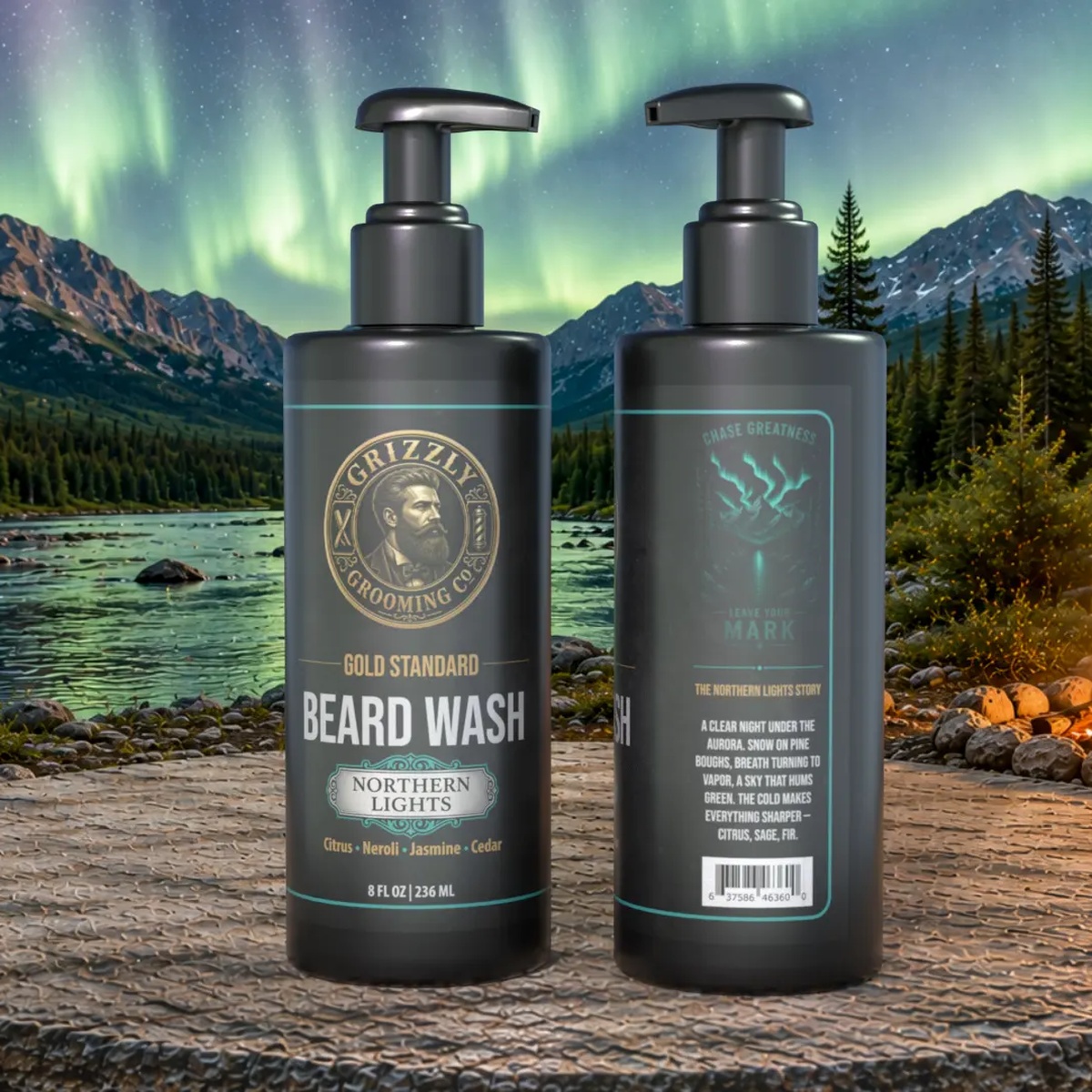
Because this style relies on volume on the sides, using a high-quality conditioner during your wash routine is vital. It plums the hair follicle, making the beard appear thicker and more robust in those critical side areas.
Managing the Heart and Diamond Face
Heart-shaped faces tend to have a narrow chin and a wider forehead. To balance this, you need a full beard that adds significant bulk to the lower third of the face. This fills out the narrow jawline and creates a more rugged, masculine profile.
Diamond shapes have wide cheekbones but narrow brows and chin. The strategy here is to maintain a full beard while keeping the mustache and chin area well-defined. Avoid removing too much bulk from the cheeks, as this can over-accentuate the cheekbones.
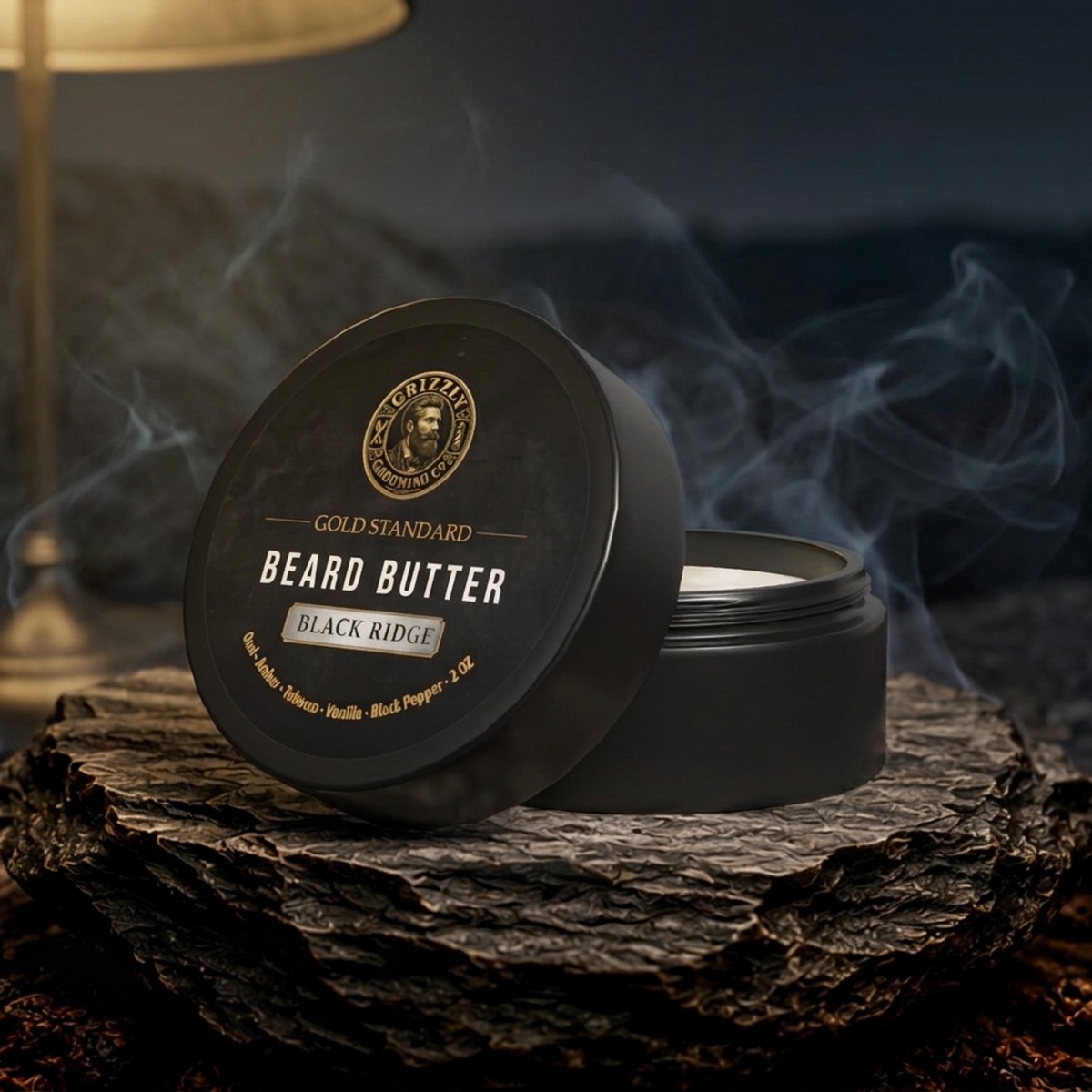
For these complex shapes, a beard butter is often the best utility tool. It provides a light hold that allows the beard to look natural and full while controlling the flyaways that can disrupt the clean silhouette required for these styles.
Frequently Asked Questions
How do I accurately determine my face shape?
Measure the width of your forehead, cheekbones, and jawline, then measure the length of your face from hairline to chin. Identifying which measurement is largest will point you toward your primary shape category.
Can I change my beard style if I have a double chin?
Yes. A beard is an excellent tool for masking a soft jawline. Grow the hair 1-2 inches past the chin and trim the neck line slightly higher than usual to create a new, sharper artificial shadow line.
How often should I trim to maintain my shape?
For most styles, a light maintenance trim every 7 to 10 days is necessary. This prevents the edges from blurring and ensures the proportions you have established stay consistent as the hair grows.
Build your ritual in 60 seconds.
Answer four questions and get a custom regimen — plus a 15% bundle discount.
Start The Ritual Builder