Choosing a Beard-Friendly Aftershave to Protect Skin and Hair
The ritual of the post-shave is often misunderstood by those cultivating facial hair. While a clean shave requires closure, a bearded face requires a balance of skin recovery and follicle hydration.
- ›Avoid alcohol-based splashes that strip natural oils from the skin and beard.
- ›Prioritize humectants like glycerin to lock in moisture at the root.
- ›Look for anti-inflammatory botanicals such as witch hazel or aloe vera.
- ›Ensure your aftershave scent profile complements your beard oil or cologne.
- ›Apply post-shave products to damp skin for maximum absorption and efficacy.
The Problem with Traditional Alcohol Splashes
Most commercial aftershaves rely on high concentrations of isopropyl alcohol to act as an astringent. While this kills bacteria, it is devastating for a man growing a beard because it dissolves the sebum oils your follicles require to remain supple.
When these oils are stripped, the beard hair becomes brittle and prone to breakage. Furthermore, the skin underneath becomes dry and flaky, leading to the discomfort commonly known as beardruff.
Prioritize Witch Hazel and Natural Astringents
A sophisticated aftershave should utilize witch hazel as its primary astringent. It provides the necessary pore-closing effect and antiseptic properties without the dehydration associated with ethanol.
Combining witch hazel with aloe vera creates a barrier that calms the skin after a blade has passed over it. This is especially important for those maintaining sharp lines on the neck and cheeks while keeping the rest of the beard intact.
The Role of Humectants and Soothing Oils
Look for ingredients like vegetable glycerin or hyaluronic acid. These humectants pull moisture from the air into the skin, ensuring the area around your beard line stays hydrated throughout the day.
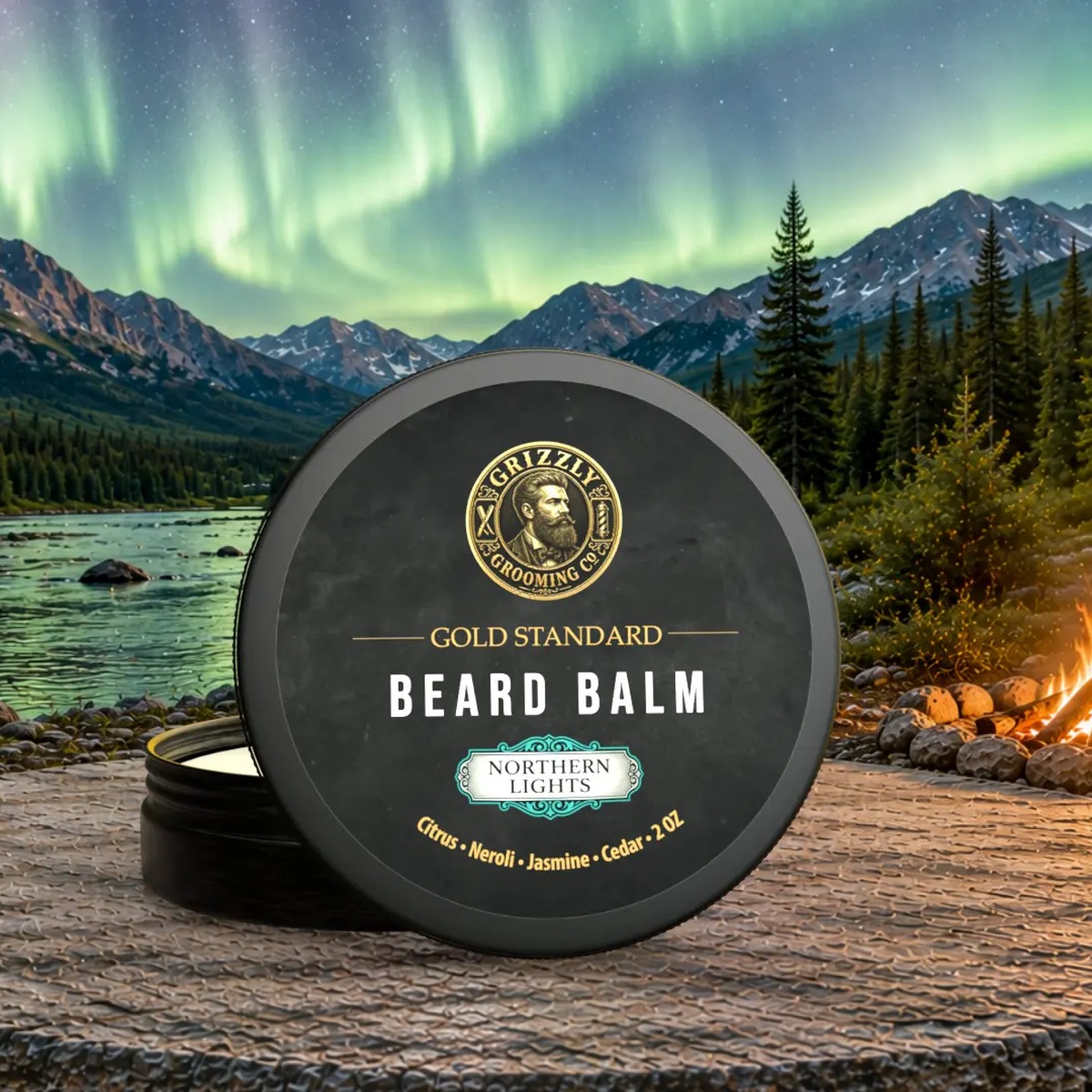
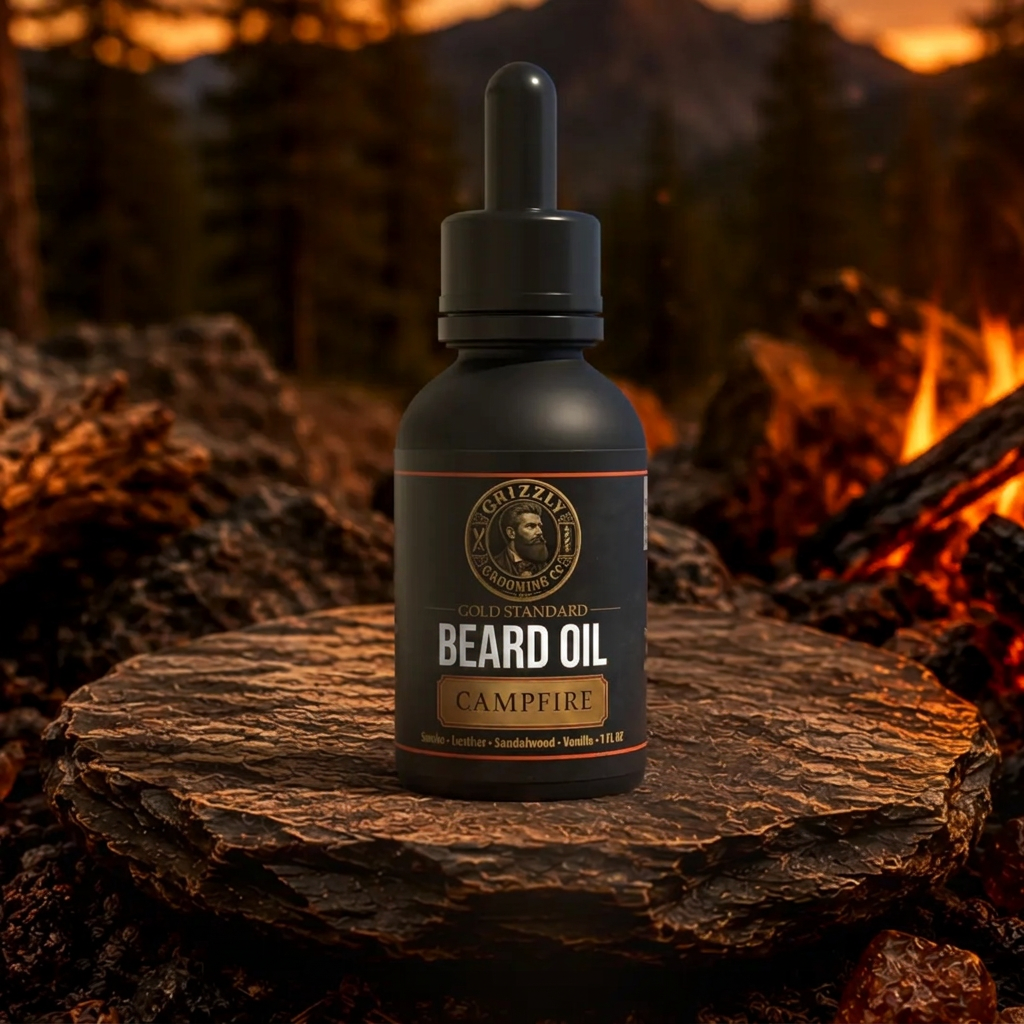
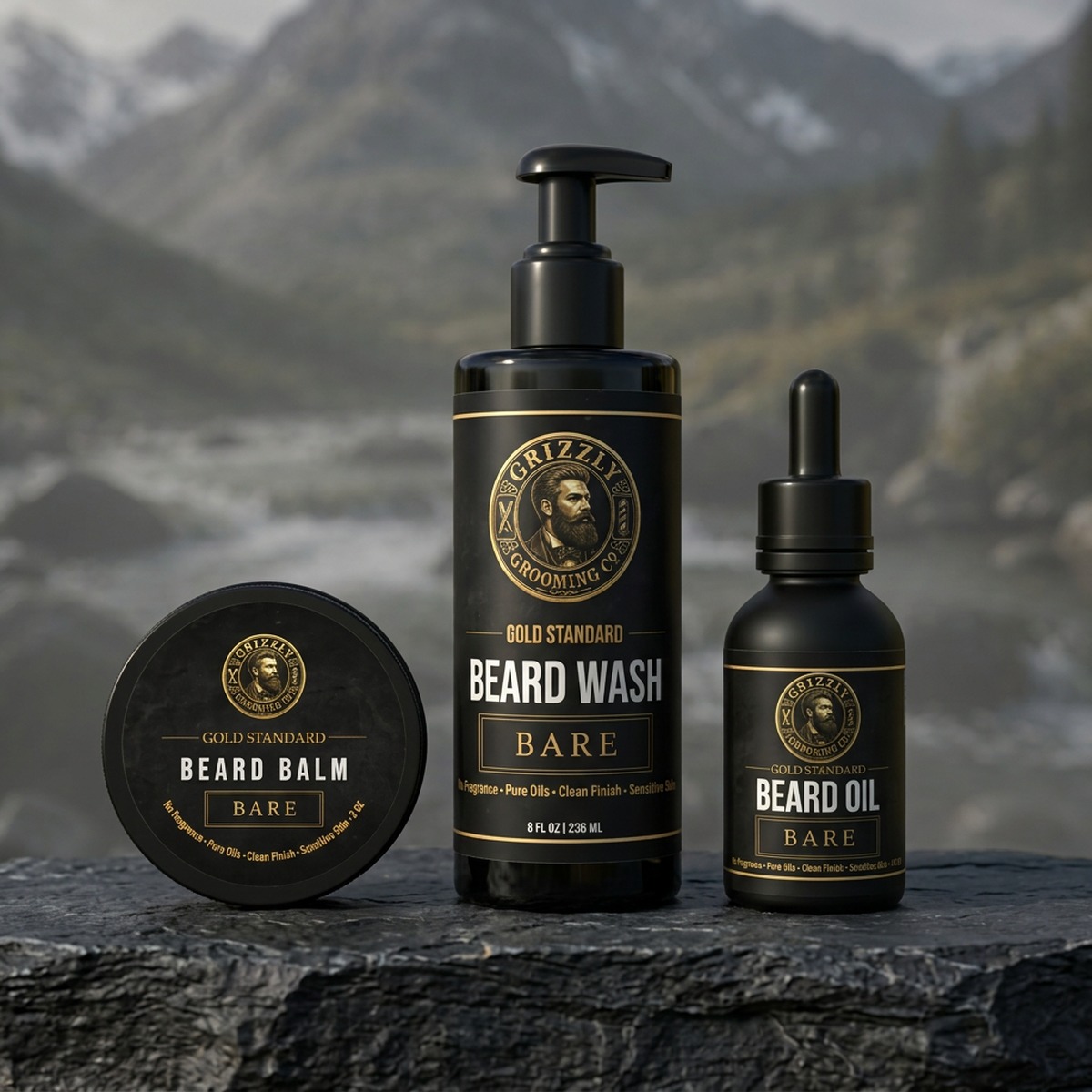
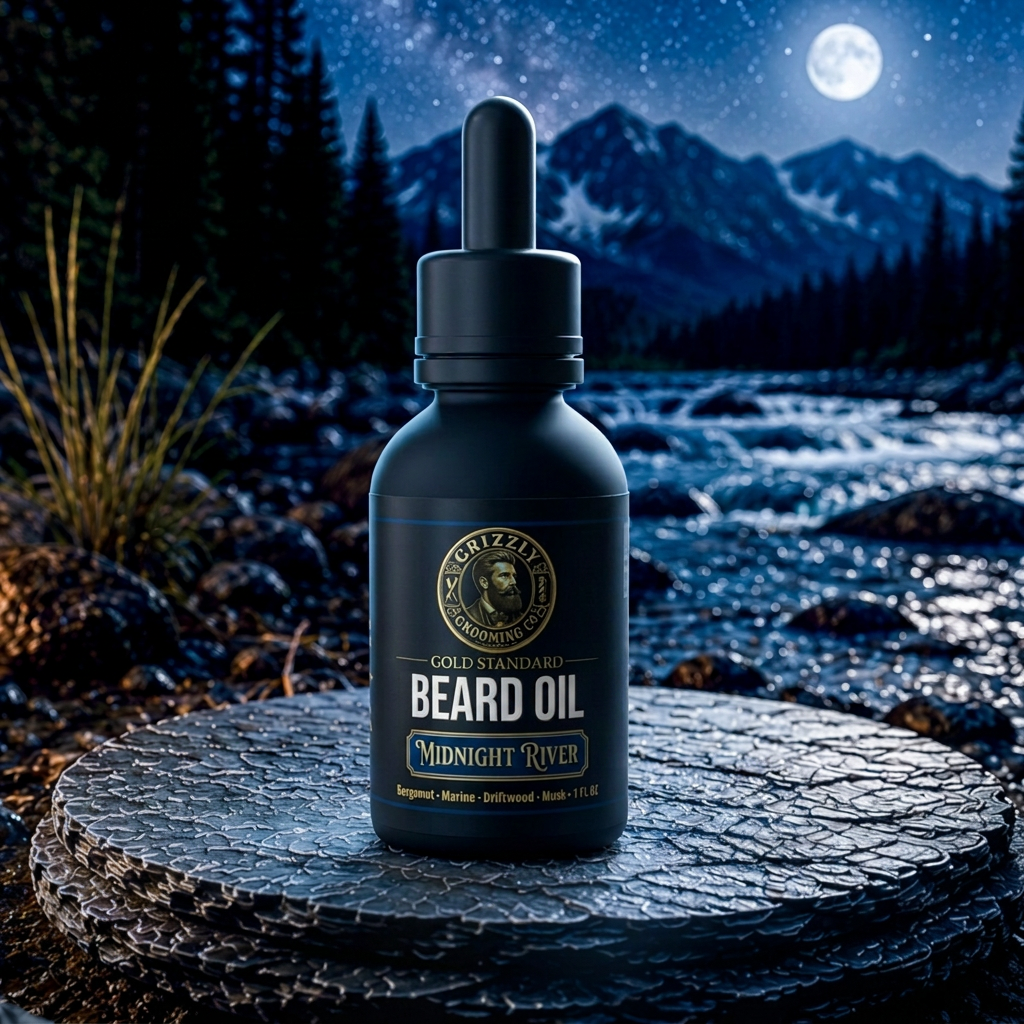
If you are using a Grizzly Gold Standard beard oil, your aftershave should serve as a base layer. Using an aftershave balm with light carrier oils like jojoba can bridge the gap between your shave and your beard maintenance routine.
Scent Layering and Compatibility
One of the most common mistakes in a grooming ritual is scent clashing. Your aftershave should either be unscented or share a similar profile with your cologne and beard balm to avoid a chaotic olfactory presence.
We recommend selecting wood-based or clean citrus notes that ground your presence. A quality aftershave will have a subtle dry-down that allows your primary fragrance to lead without competition.
Frequently Asked Questions
Can I use aftershave on my entire beard?
No, traditional aftershave is designed for the skin where you have just used a razor. For the hair itself, you should rely on beard oil or beard butter to provide the deep conditioning those fibers need.
Will aftershave help with beard itch?
If it is an alcohol-free formula with soothing ingredients like aloe, it can help. However, if the itch persists, it is usually a sign of dry skin that requires a dedicated beard oil to penetrate the hair and reach the dermis.
When should I apply aftershave in my routine?
Apply your aftershave immediately after rinsing your face with cold water post-shave. Once the aftershave has absorbed, you can then apply your beard wash or styling products to the rest of your facial hair.
Build your ritual in 60 seconds.
Answer four questions and get a custom regimen — plus a 15% bundle discount.
Start The Ritual Builder