Choosing a Beard-Friendly Aftershave to Protect Hair and Skin
The post-shave ritual is often where the most damage occurs to a growing beard. Using the wrong formula can lead to brittle hair and irritated skin, undermining the health of your facial hair.
- ›Avoid high-alcohol formulas that dehydrate hair follicles.
- ›Look for natural astringents like witch hazel to close pores.
- ›Prioritize ingredients like glycerin and aloe vera for hydration.
- ›Coordinate your aftershave scent with your beard oil or cologne.
- ›Apply product only to freshly shaved areas to maintain beard health.
The Problem with Traditional Alcohol Splashes
Traditional aftershaves are often built on a foundation of isopropyl or ethyl alcohol. While these serve as effective antiseptics to prevent infection in micro-cuts, they are notoriously harsh on the skin and disastrous for beard hair.
Alcohol acts as a solvent that strips away sebum, the natural oil produced by your skin. When these oils are removed, the hair becomes brittle and prone to breakage, which can hinder your progress if you are aiming for a fuller look.
Essential Ingredients for the Modern Bearded Man
A beard-friendly aftershave should focus on soothing and repairing the moisture barrier. Look for witch hazel as a base; it provides the same antiseptic benefits as alcohol but without the dehydrating side effects.
Ingredients like glycerin and hyaluronic acid are humectants that draw moisture into the skin. When your skin is hydrated, the base of the beard hair remains supple, allowing for healthier growth and less itchiness during the regrowth phase.
Managing the Transition to Beard Oil
If you are maintaining a shaped beard, you are managing two different environments: the shaved skin on your neck and cheeks, and the bearded areas. It is a mistake to use a single product for both if that product contains drying agents.
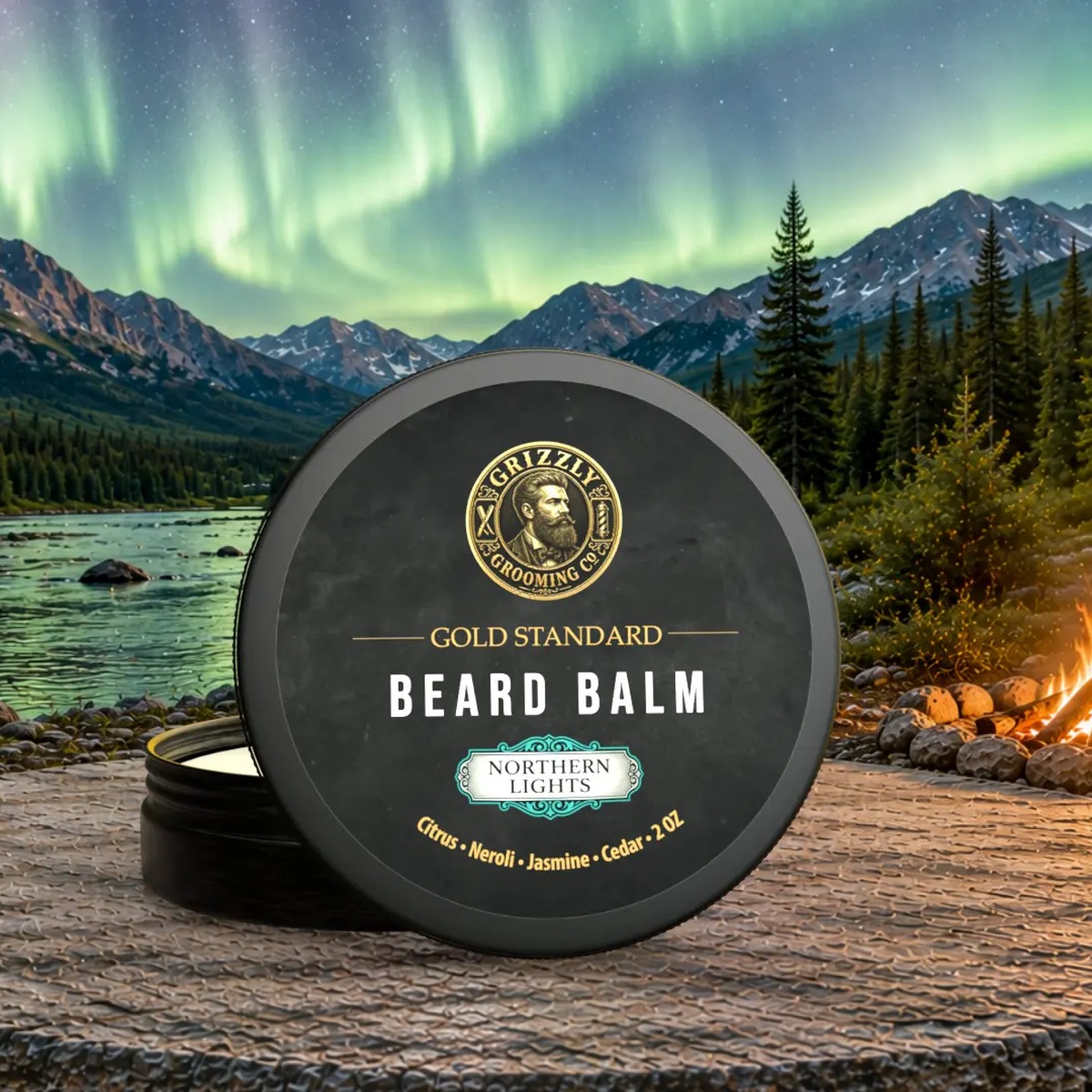
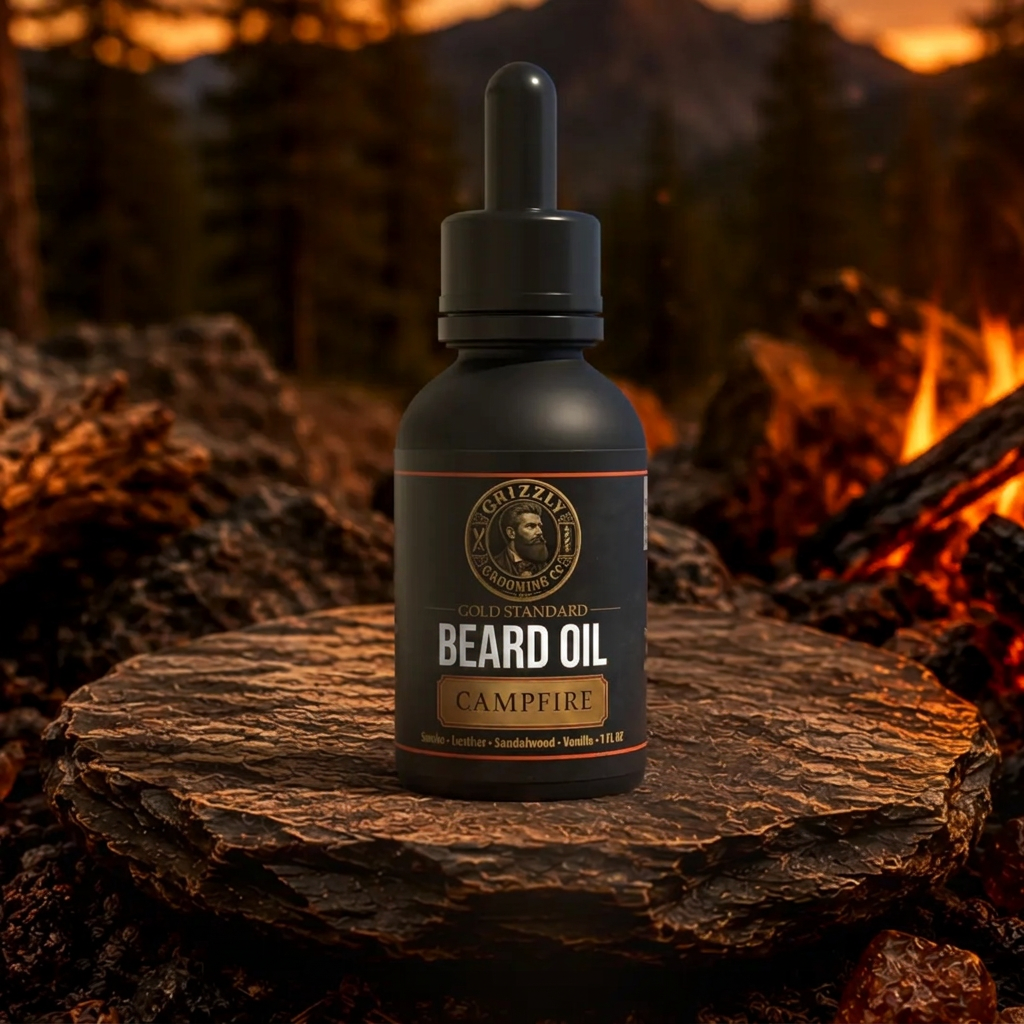
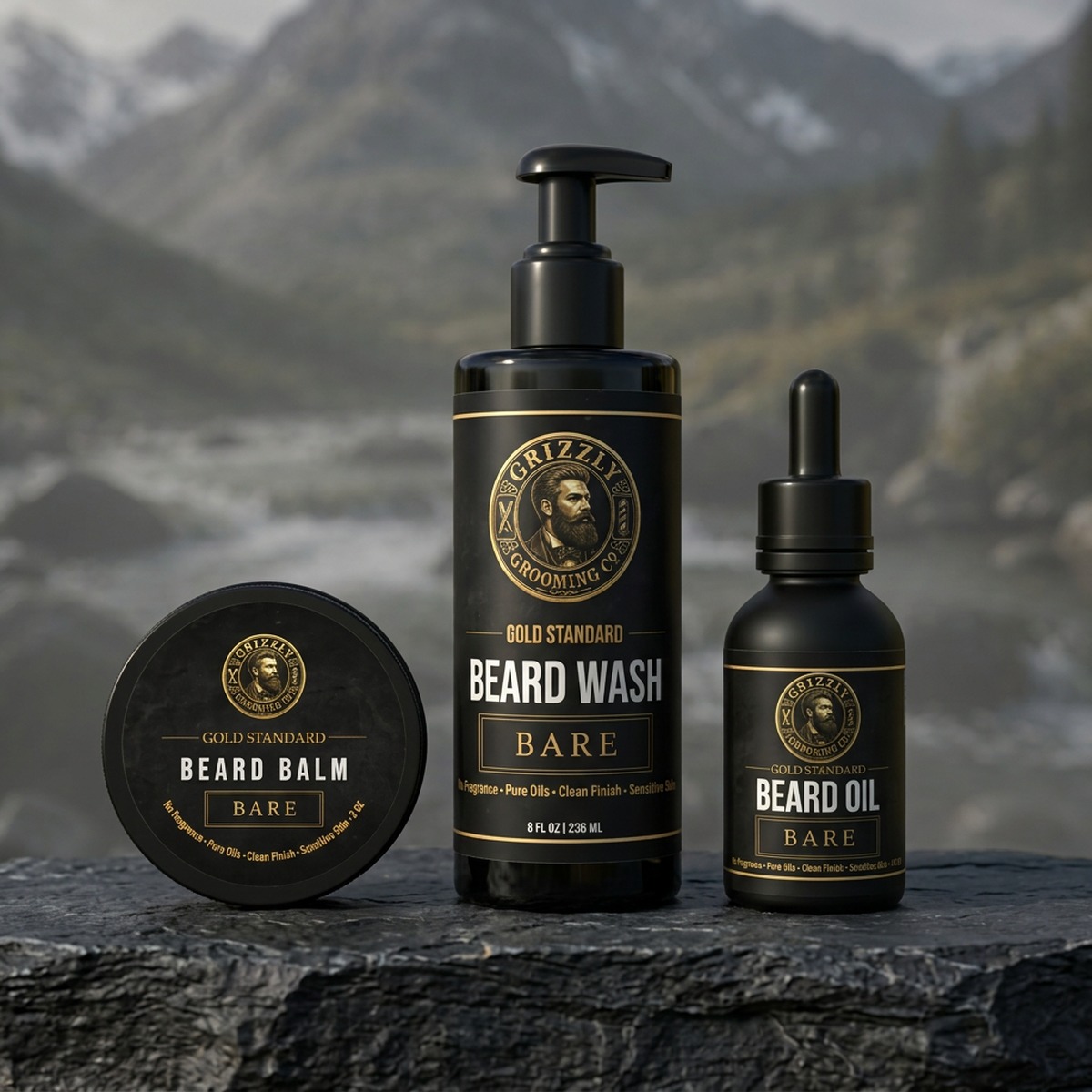
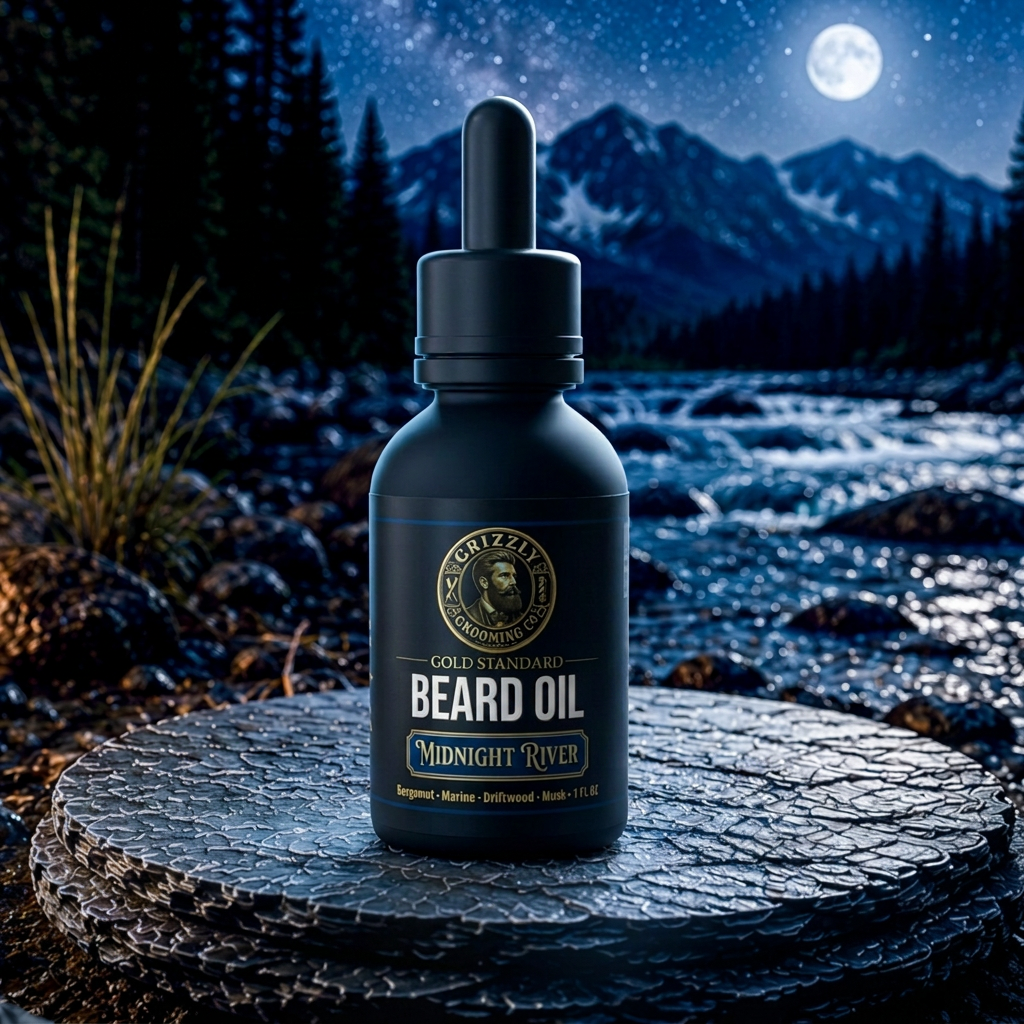
After rinsing with cold water to close the pores, apply a moisturizing aftershave balm to the shaved areas. Follow this by applying Grizzly Gold Standard beard oil to the actual hair, ensuring the skin underneath the beard receives its own dedicated nourishment.
The Role of Botanical Extracts
Botanicals such as aloe vera, chamomile, and calendula are more than just marketing terms. These extracts have documented anti-inflammatory properties that reduce the redness and 'razor burn' common after a morning shave.
By calming the skin immediately, you prevent the urge to scratch or touch the area, which often introduces bacteria. A calm skin environment is the best foundation for a healthy, well-groomed beard.
Scent Layering and Consistency
One often overlooked aspect of grooming is scent clashing. If your aftershave has a heavy synthetic fragrance, it may compete with your beard balm or cologne, creating an overwhelming and unrefined profile.
We recommend choosing an aftershave with a subtle, natural scent or one that matches the woodsy or citrus notes of your existing routine. Consistency in your scent profile reflects a disciplined approach to personal grooming.
Frequently Asked Questions
Can I use beard oil as an aftershave?
While beard oil is excellent for moisturizing, it does not contain the astringent properties needed to close pores and prevent infection after shaving. It is best used as a secondary step once the skin has been treated with a proper aftershave balm.
Should I use a splash or a balm?
For most men, especially those with beards, a balm is superior. Balms are typically alcohol-free and contain heavier moisturizing agents that protect the skin's barrier, whereas splashes are more likely to cause dryness.
How soon after shaving should I apply aftershave?
Apply your aftershave immediately after rinsing your face with cold water and patting it dry. This timing ensures that the soothing ingredients can act on the skin while the pores are most receptive to treatment.
Build your ritual in 60 seconds.
Answer four questions and get a custom regimen — plus a 15% bundle discount.
Start The Ritual Builder