Choosing a Beard-Friendly Aftershave for Healthier Skin and Growth
The skin beneath a beard is often the most neglected area of a man's grooming routine. While many reach for traditional aftershaves to soothe the neck line, the wrong ingredients can migrate into the beard, causing damage to both the skin and the hair fibers.
- ›Avoid high-alcohol formulas which strip natural sebum oils from the beard.
- ›Prioritize humectants like glycerin to lock moisture into the skin barrier.
- ›Look for anti-inflammatory botanical extracts to reduce post-shave redness.
- ›Ensure your aftershave scent profile complements your beard oil or cologne.
- ›Transition to alcohol-free splashes or balms to preserve follicular integrity.
The Chemistry of the Skin Barrier
Traditional aftershaves were designed primarily as antiseptics to prevent infection from nicks and cuts. While effective at killing bacteria, the high ethanol content found in many drugstore brands acts as a harsh solvent that dissolves the skin's lipid barrier.
For the bearded man, this is particularly problematic. When the skin loses its natural moisture, it draws hydration from the hair follicles, leaving your beard feeling wiry and prone to breakage. A beard-friendly aftershave should support the skin's pH balance rather than disrupting it.
Ingredients to Prioritize
When reading a label, look for ingredients that offer genuine therapeutic value. Witch hazel is an excellent natural astringent that provides the 'snap' men expect from an aftershave without the dehydrating effects of pure alcohol. It effectively closes pores and calms inflammation after the blade passes.
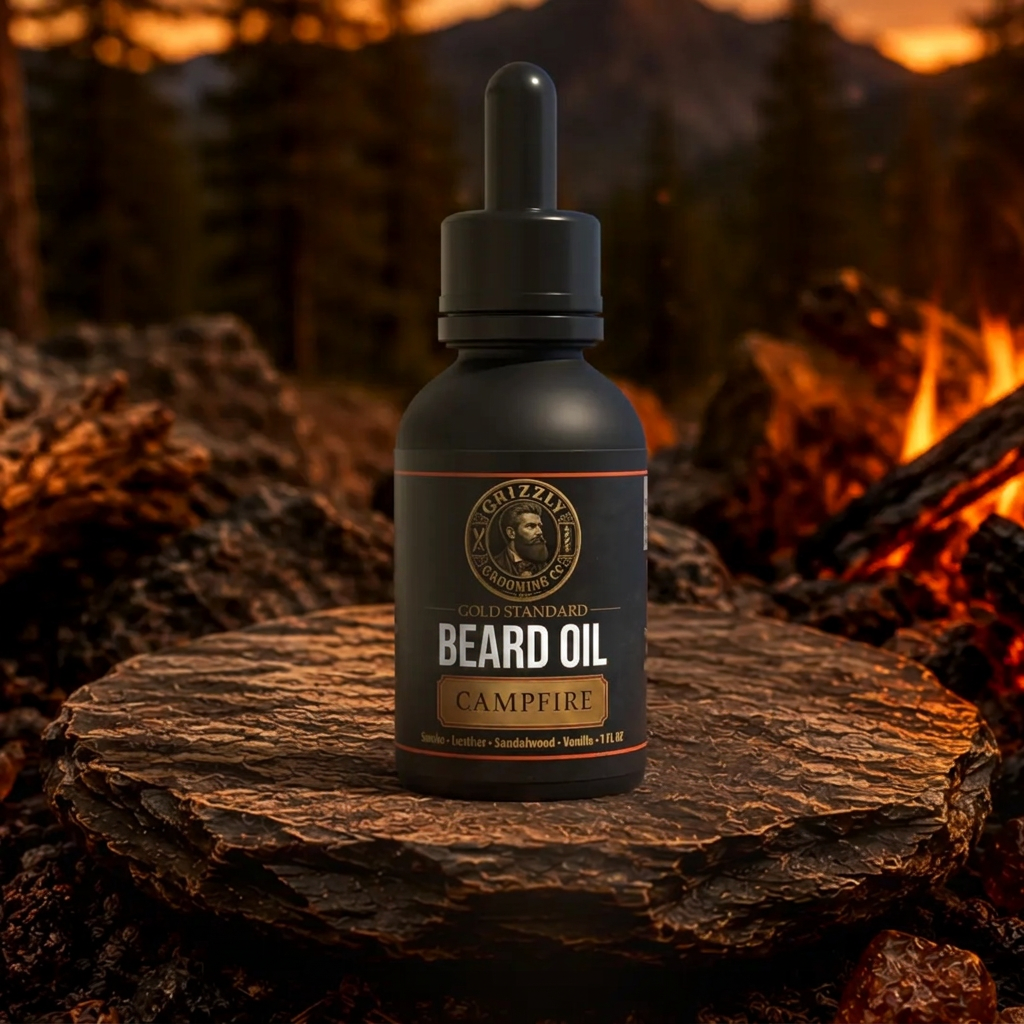
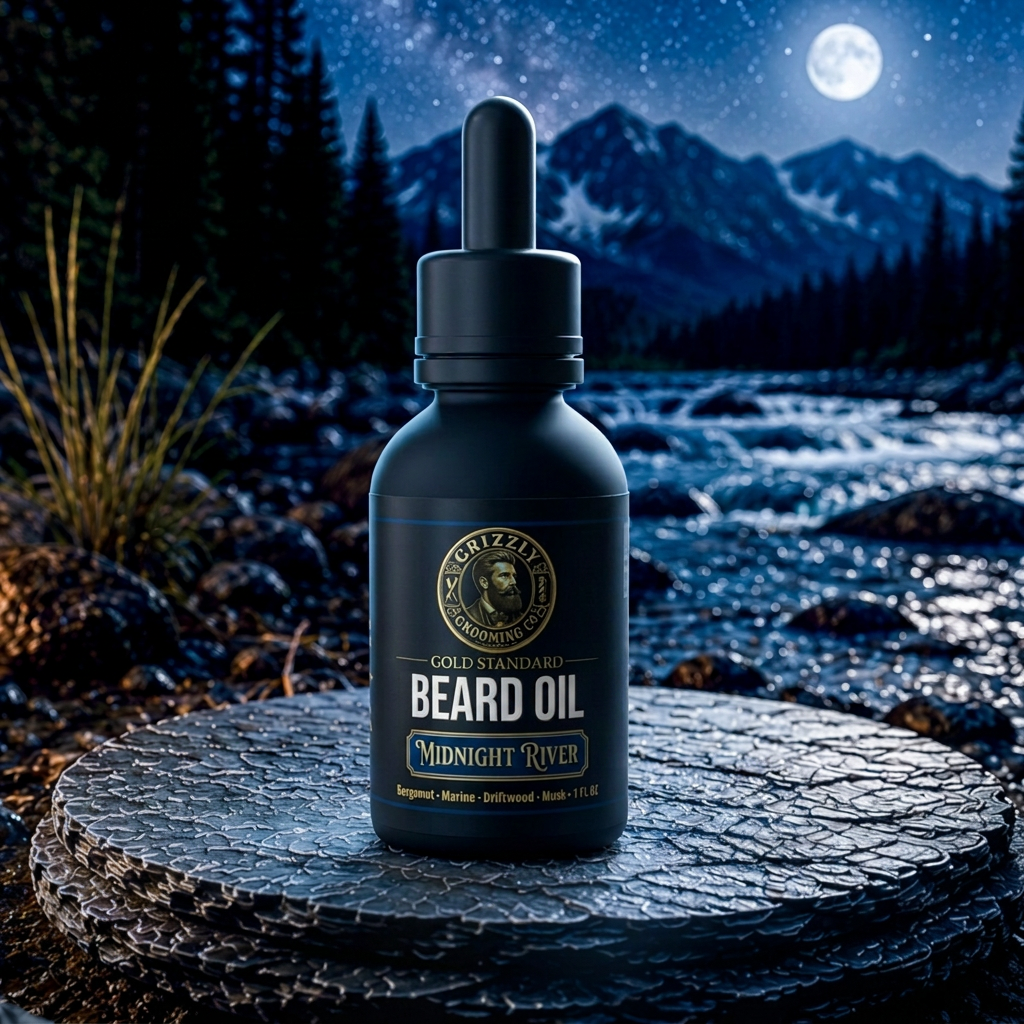
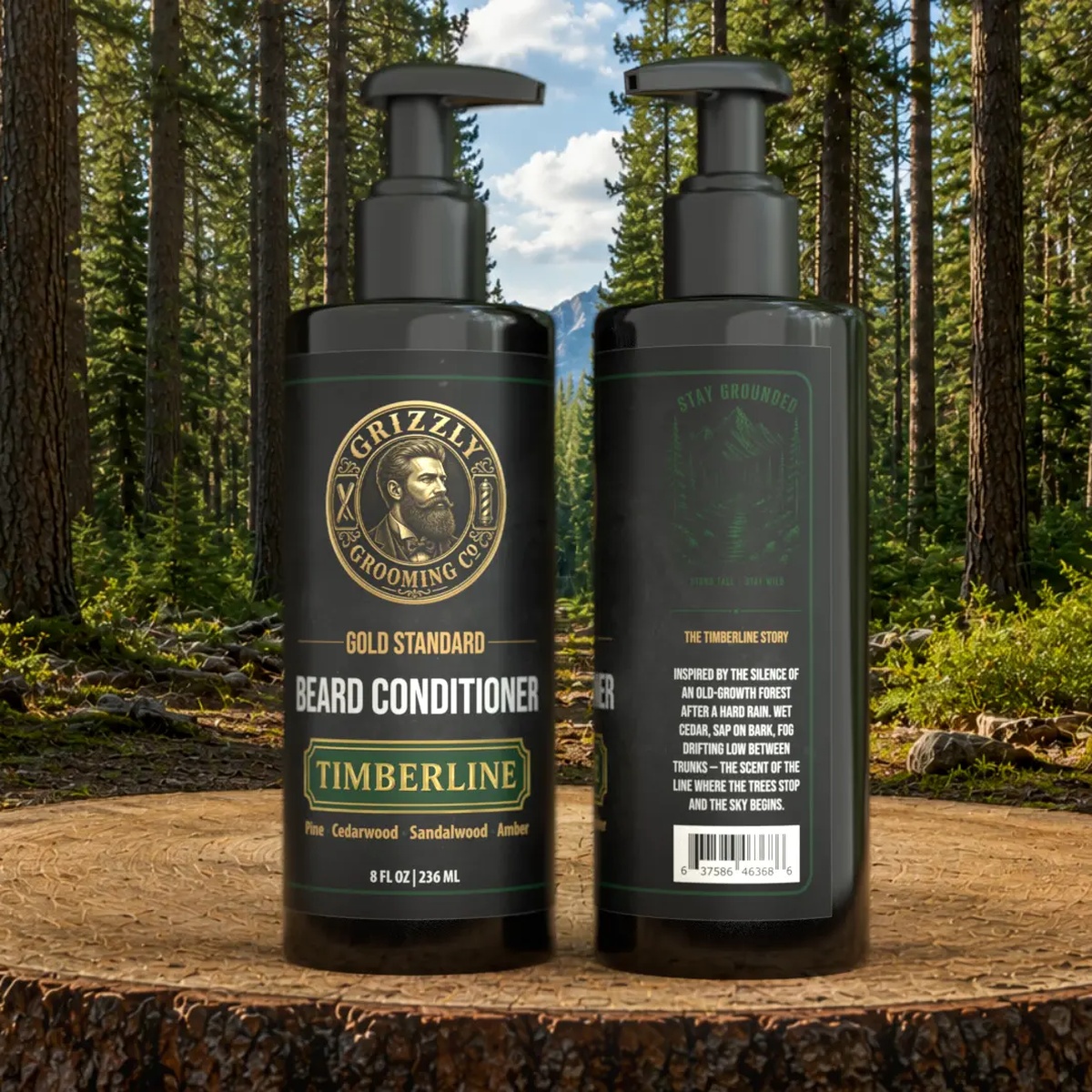
Additionally, look for aloe vera and vitamin E. These components soothe the epidermal layer and provide a foundation of moisture. If you prefer a more substantial finish, a light application of Grizzly Gold Standard beard oil can further seal in this hydration once the aftershave has dried.
The Danger of Synthetic Fragrances
Many commercial aftershaves rely on heavy synthetic fragrances that contain phthalates. These chemicals are notorious for causing contact dermatitis, which manifests as itching and flaking beneath the beard—often mistaken for simple 'beardruff'.
Opt for products that utilize essential oils or high-quality fragrance oils. These provide a cleaner scent profile that won't interfere with your cologne. The goal is to nourish the skin while providing a subtle, sophisticated aroma that fades naturally throughout the morning.
Application Technique for Bearded Men
The application of aftershave should be targeted. Use a small amount specifically on the areas you have just shaven—typically the cheek lines and the neck. Avoid splashing high concentrations directly into the bulk of the beard, as this can lead to uneven texture over time.
If you find your skin feels tight after shaving, consider switching to an aftershave balm rather than a splash. Balms provide a physical barrier of protection and are often formulated with shea butter or jojoba oil, both of which are highly compatible with the natural oils produced by your skin.
Integrating with Your Full Routine
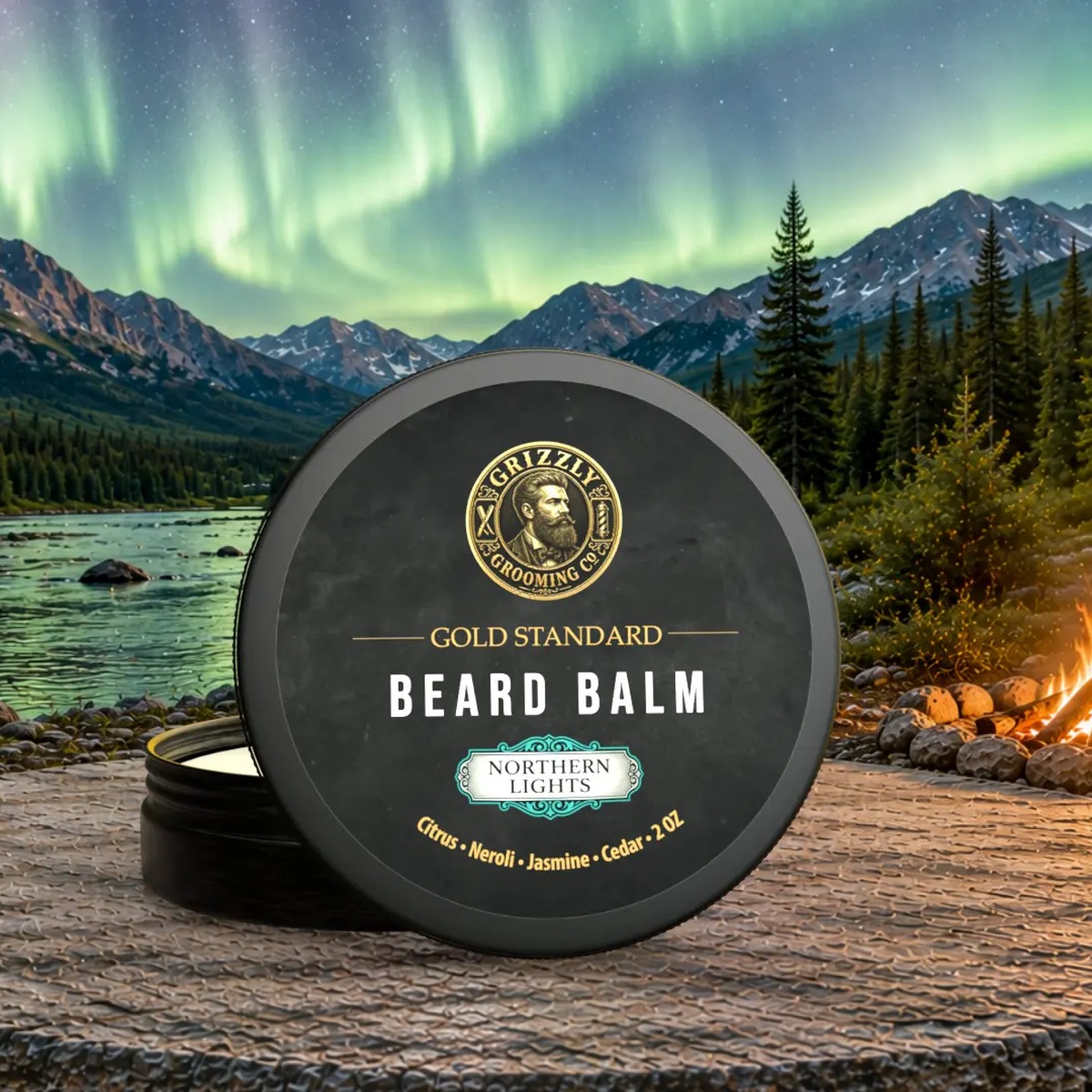
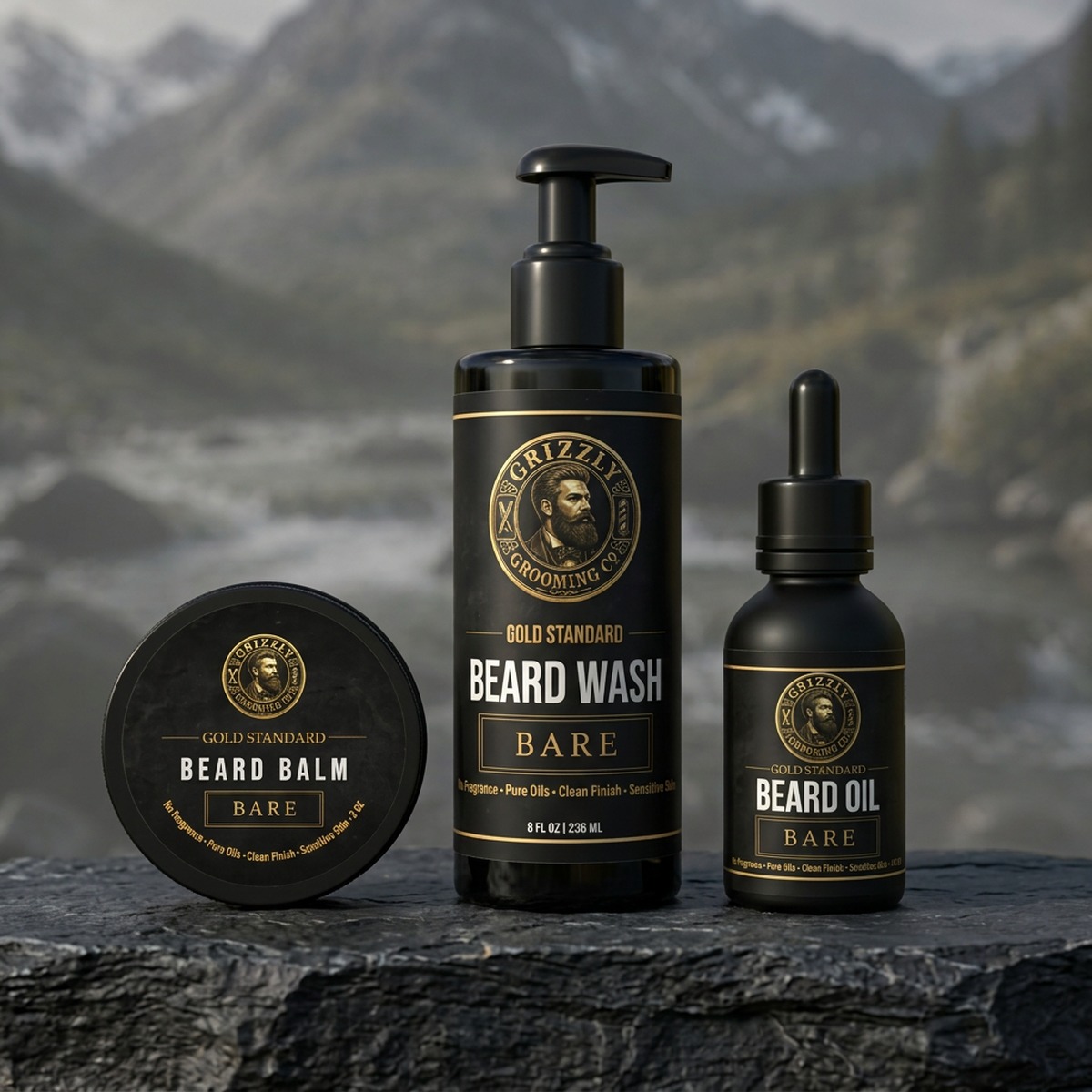
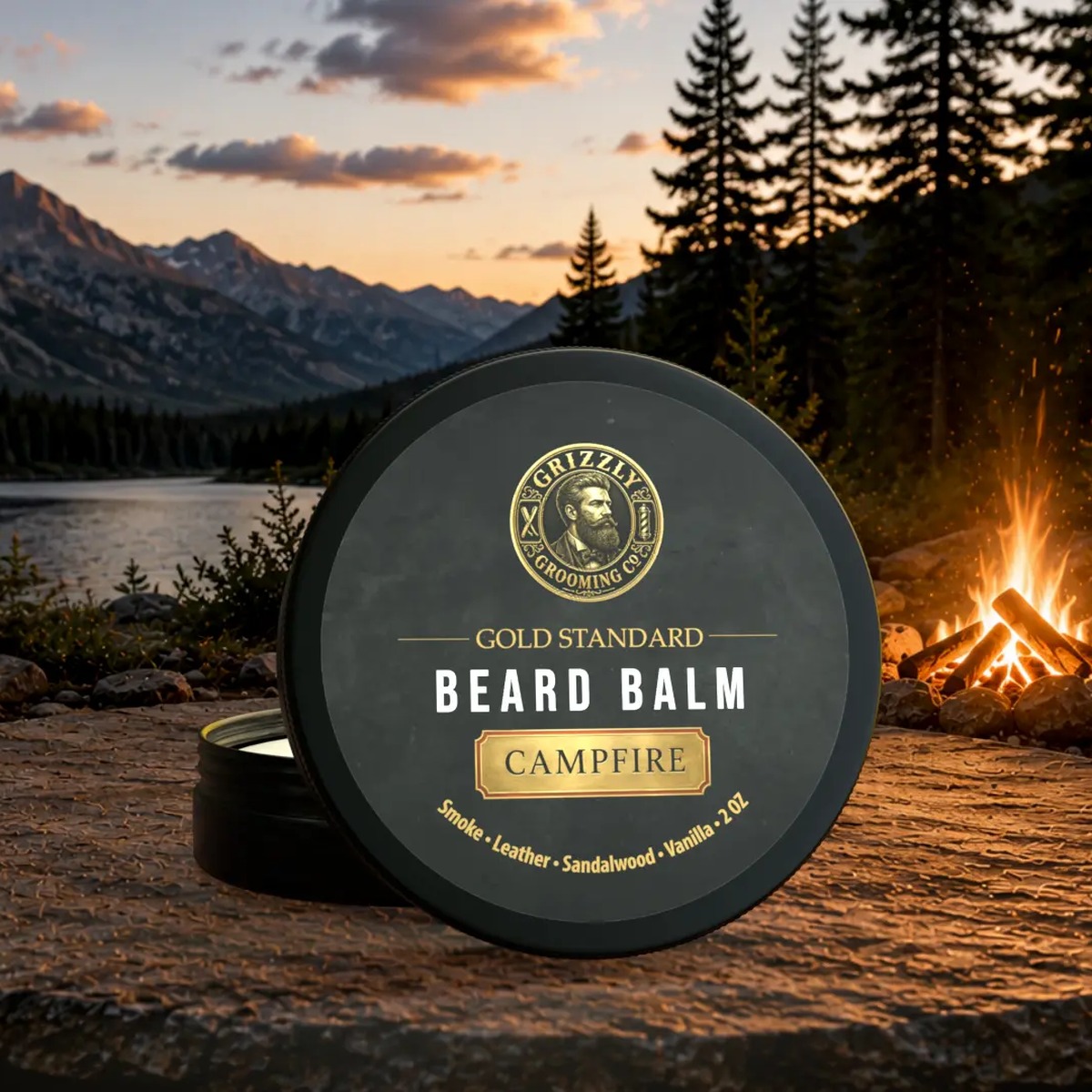
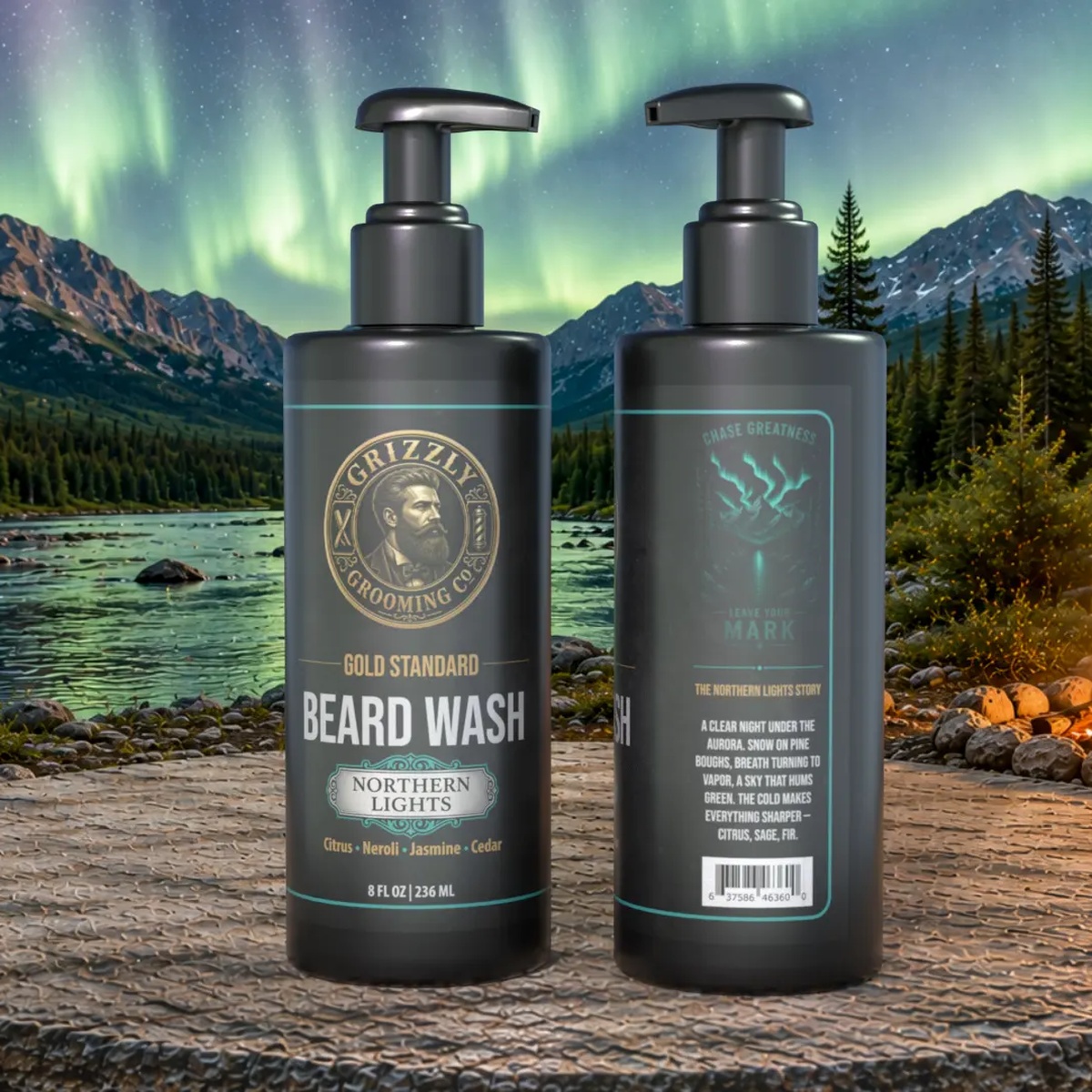
A beard-friendly aftershave is only one component of a professional-grade routine. After treating the shaven areas, your beard still requires specialized care. This is where a dedicated beard wash and beard balm come into play to manage the hair that remains.
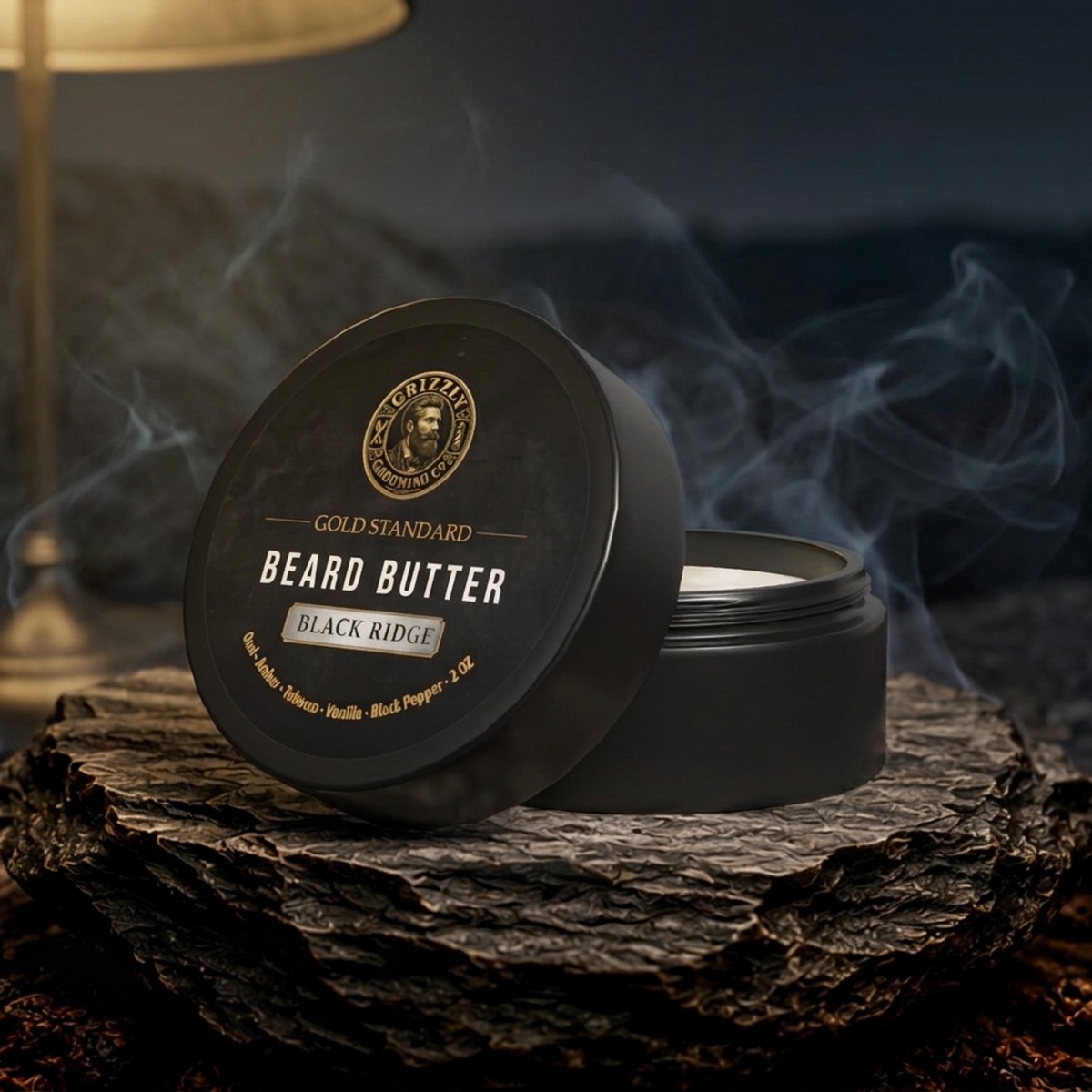
By using an alcohol-free aftershave splash on your neck and a nutrient-dense beard butter on your facial hair, you create a cohesive environment for growth. This dual approach ensures that the skin stays clear and the beard stays soft, avoiding the common pitfalls of irritation and dryness.
Frequently Asked Questions
Can I use regular aftershave if I have a beard?
You can, but it is not recommended if the product contains high amounts of alcohol. Alcohol dries out both the skin and the beard hair, which can lead to itching, flaking, and split ends in your facial hair.
What is the difference between an aftershave splash and a balm?
Splashes are watery and typically act as astringents to tighten the skin, while balms are thicker and focus on hydration and protection. For men with dry skin or longer beards, a balm is generally the superior, more beard-friendly choice.
Should I apply beard oil or aftershave first?
Apply your aftershave first to the freshly shaven areas of your neck and cheeks. Once it has absorbed, apply beard oil to the bearded areas and any remaining skin to provide a final layer of moisture and protection.
Build your ritual in 60 seconds.
Answer four questions and get a custom regimen — plus a 15% bundle discount.
Start The Ritual Builder