Choosing a Beard-Friendly Aftershave: A Professional Barber Guide
The modern beard involves precise lines on the neck and cheeks, necessitating a post-shave routine that treats the skin without sabotaging the hair. Applying the wrong product to these freshly shorn areas can lead to chronic dryness and stunted growth in adjacent follicles.
- ›Avoid high-alcohol splashes that dehydrate hair and skin.
- ›Prioritize humectants like glycerin to lock in moisture.
- ›Choose witch hazel or aloe vera as natural astringents.
- ›Avoid synthetic fragrances that trigger contact dermatitis.
- ›Seal the skin with a lightweight beard oil immediately after.
The Problem With Traditional Alcohol Splashes
Most commercial aftershaves rely on denatured alcohol to kill bacteria after a shave. While effective at sanitizing, alcohol is a harsh desiccant that strips the natural lipid barrier from your skin and the sebum from your beard.
When these alcohols migrate into your beard, they cause the hair cuticle to lift and become brittle. A beard-friendly aftershave must prioritize hydration over evaporation to ensure the integrity of the hair shaft remains intact.
Essential Ingredients for Post-Shave Care
Look for botanical astringents like witch hazel. It provides the necessary pore tightening and anti-inflammatory benefits without the sting or dehydrating effects of ethanol. This keeps the skin under the beard supple and prevents itching.
Aloe vera and vitamin E are crucial for repairing the skin's moisture barrier. These ingredients facilitate faster healing of micro-cuts along the beard line, ensuring that your grooming ritual doesn't lead to long-term skin damage or folliculitis.
Managing the Beard Line Transition
The most sensitive area is the transition zone where the shaved skin meets the full beard. Using a heavy cream can clog pores and lead to ingrown hairs, while a harsh liquid can migrate into the beard and cause flaking, commonly known as beardruff.
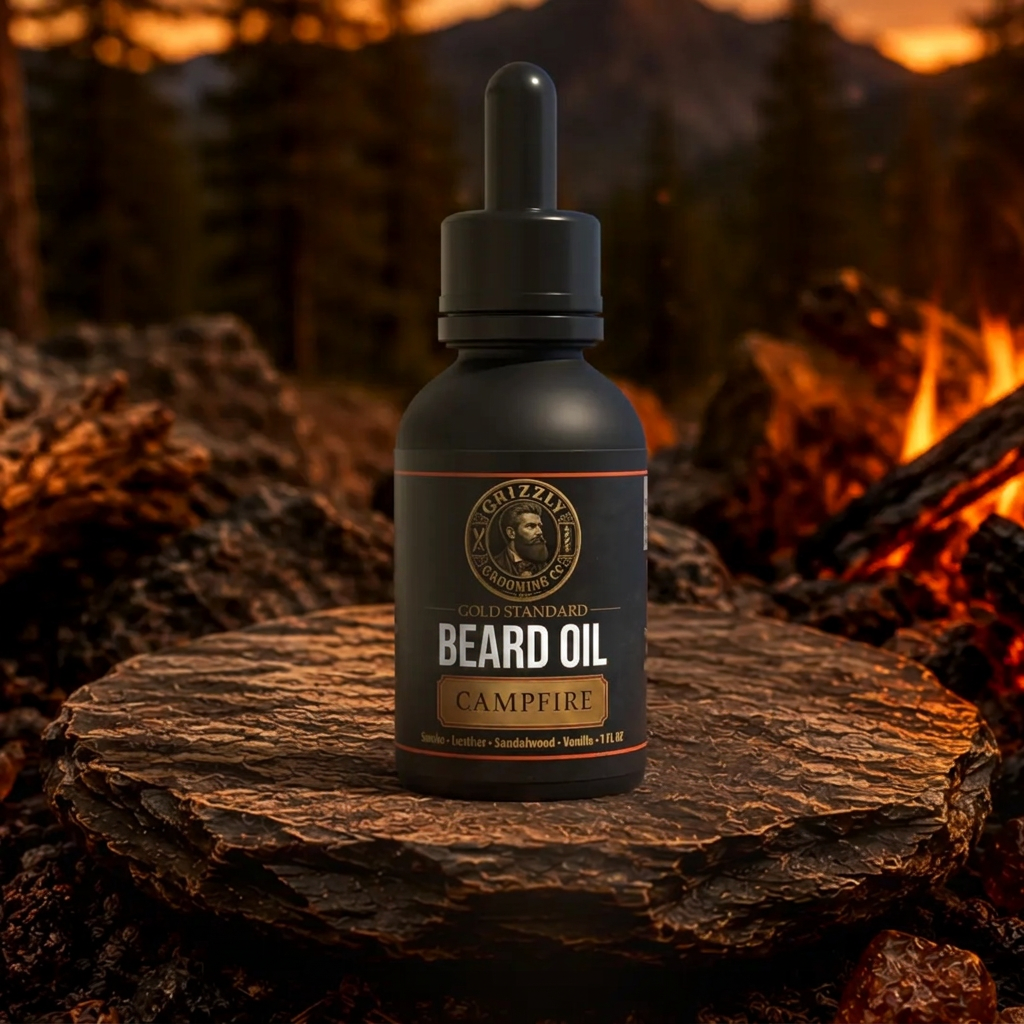
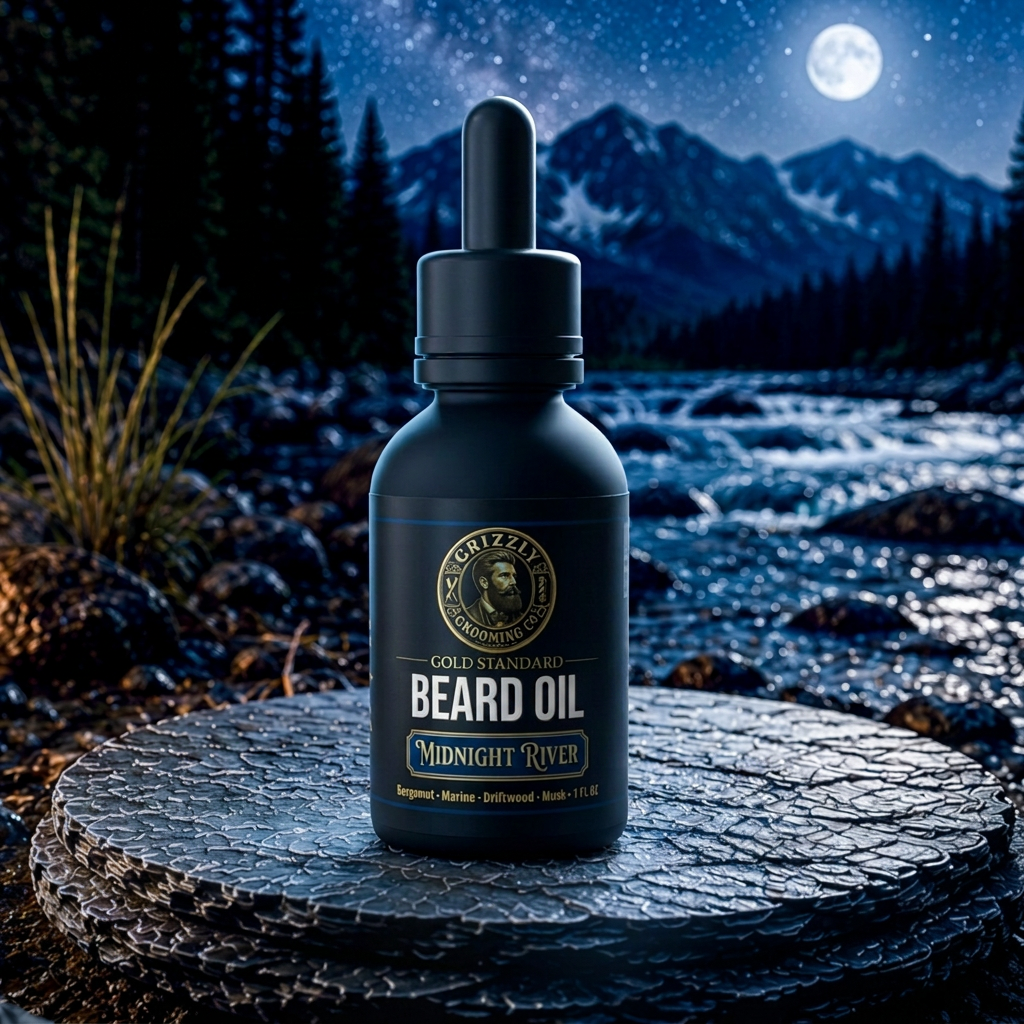
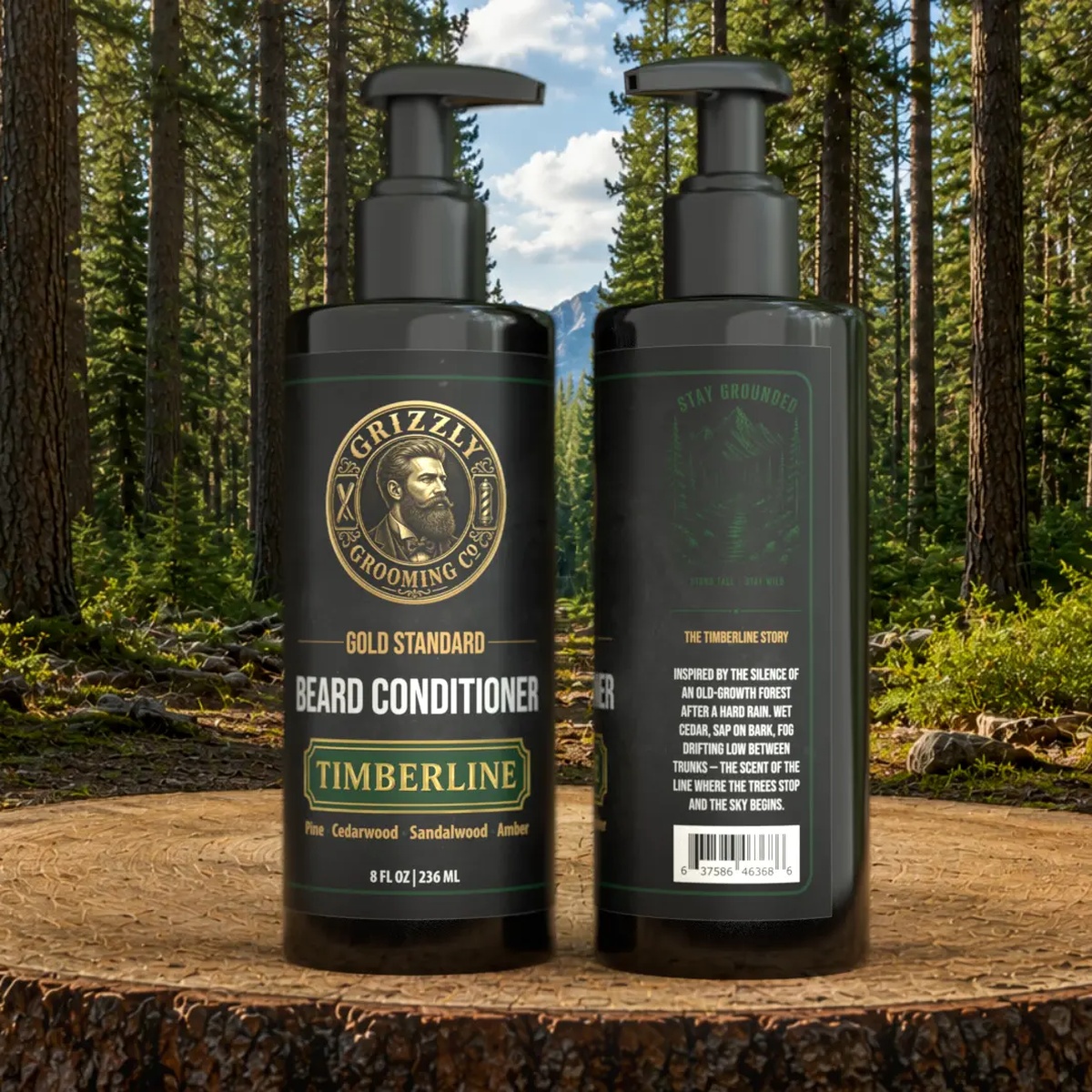
We recommend a light, water-based balm or a high-quality beard oil applied to damp skin. Our Grizzly Gold Standard beard oil utilizes carrier oils that mimic the skin's natural oils, making it an excellent bridge between the shaved and unshaved portions of your face.
Fragrance and Skin Sensitivity
Synthetic perfumes are the leading cause of post-shave irritation. When your pores are open after a blade pass, these chemicals penetrate deeper and can cause redness that lasts for hours. This inflammation can eventually affect the health of your beard follicles.
Opt for products scented with essential oils or those that are fragrance-free. If you prefer a scent, ensure it comes from natural resins or woods, which often carry secondary therapeutic benefits for the skin rather than just a masking aroma.
Frequently Asked Questions
Can I use regular aftershave if I have a beard?
You can, but it is not optimal. Traditional aftershaves with high alcohol content will dry out the hair near your shave lines, leading to split ends and skin irritation underneath the beard.
What is the best way to apply aftershave around a beard?
Pat the product onto the shaved areas with your fingertips rather than splashing it. This targeted application prevents the product from saturating the beard hair where it isn't needed.
Should I use beard oil or aftershave first?
Apply your aftershave or balm to the freshly shaved skin first to calm irritation. Once absorbed, follow up with beard oil through the length of the beard, lightly crossing over the shave line to seal in moisture.
Build your ritual in 60 seconds.
Answer four questions and get a custom regimen — plus a 15% bundle discount.
Start The Ritual Builder