Choosing a Beard-Friendly Aftershave: A Barber's Guide to Skin Health
The ritual of the shave often concludes with a splash of aftershave, yet for those maintaining a beard, traditional options can do more harm than good. A proper post-shave treatment should prioritize skin recovery and moisture retention rather than just a sharp scent or a stinging antiseptic effect.
- ›Avoid high-alcohol splashes that dehydrate both the skin and the beard hair.
- ›Look for anti-inflammatory ingredients like witch hazel or aloe vera.
- ›Prioritize lotions or balms over thin liquids for better barrier protection.
- ›Ensure the scent profile does not clash with your daily beard oil or cologne.
- ›Apply treatment only to freshly shaven areas to maintain hair texture.
The Problem With Traditional Alcohol Splashes
Most commercial aftershaves rely on a high percentage of isopropyl or ethyl alcohol to act as an astringent. While this effectively kills bacteria on broken skin, it simultaneously strips the natural sebum oils that your beard needs to remain soft and manageable.
Chronic use of alcohol-heavy products leads to 'beardruff' and brittle hair fibers. If you are cleaning up the cheek line or neck, the overspray can easily reach the main body of your beard, causing long-term dryness that standard conditioners struggle to rectify.
Prioritizing Natural Astringents and Calming Agents
A beard-friendly aftershave replaces harsh chemicals with botanical extracts. Witch hazel is the industry standard for a reason; it tightens the pores and reduces redness without the aggressive moisture loss associated with alcohol.
Ingredients like aloe vera and glycerin provide a humectant effect, drawing moisture into the skin. For those with sensitive skin, look for allantoin or chamomile, which serve to actively calm the inflammatory response triggered by the blade's friction.
Integrating Post-Shave With Your Beard Routine
The goal of a grooming ritual is cohesion. When you apply an aftershave balm to your neck and cheeks, you are essentially prepping the surrounding area for your beard care products. A lightweight, non-greasy balm creates a barrier that prevents your beard oil from migrating and causing breakouts on freshly shaven skin.
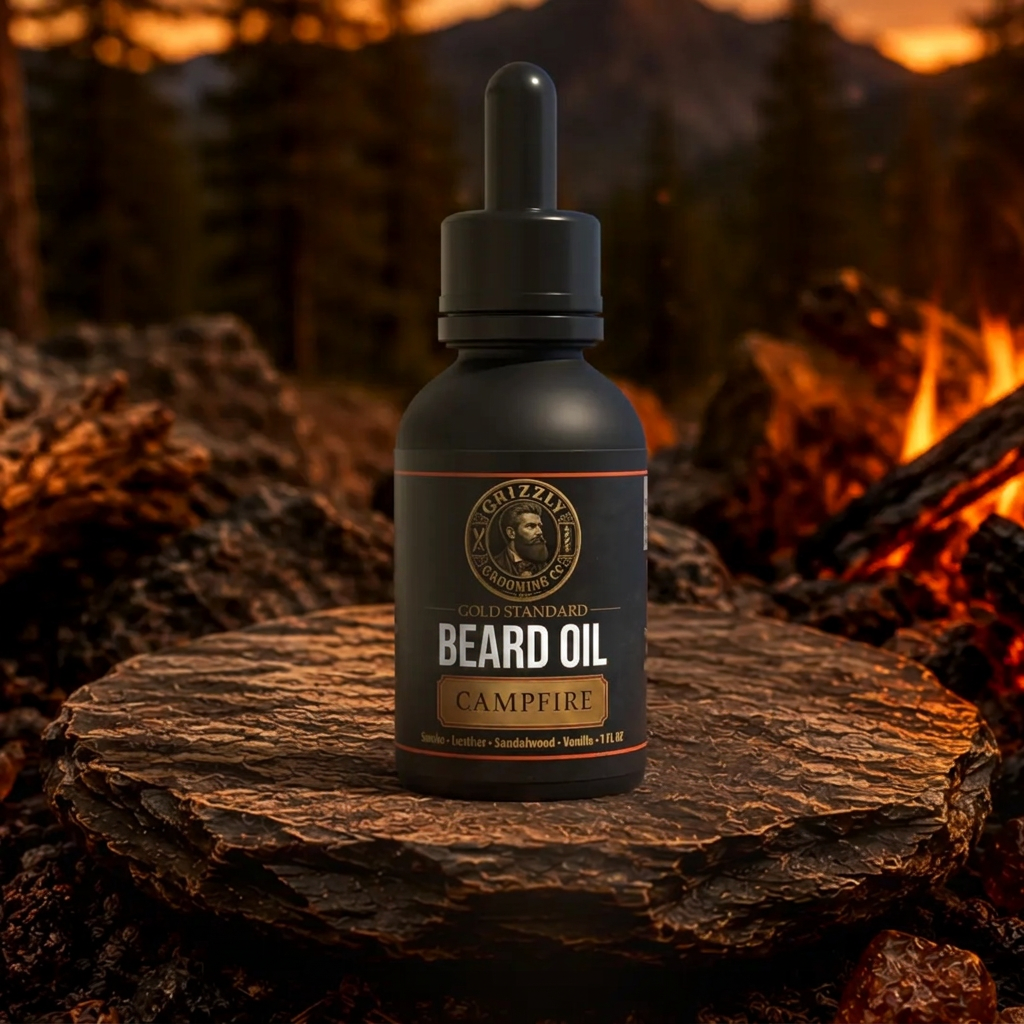
For the best results, apply your aftershave first, allow it thirty seconds to absorb, and then follow with Grizzly Gold Standard beard oil on the remainder of the growth. This layering technique ensures the skin is protected while the hair remains nourished.
Scent Layering and Compatibility
A common mistake is choosing an aftershave with a heavy synthetic fragrance that competes with your cologne or beard butter. Look for products scented with essential oils or those that offer a clean, neutral profile.
If you use a signature scent like Grizzly Gold Standard cologne, ensure your aftershave is either unscented or features complementary notes like sandalwood or cedar. This prevents a sensory overload and maintains the sophisticated profile of your personal brand.
Frequently Asked Questions
Should I use aftershave if I only shave my neck?
Yes, the neck is one of the most sensitive areas on a man's body. Applying a beard-friendly aftershave balm helps prevent ingrown hairs and redness in this high-friction zone while keeping the border of your beard hydrated.
Can I use beard oil as an aftershave?
While beard oil is excellent for hair and skin, it does not contain the astringent properties needed to close pores or disinfect micro-cuts. It is better to use a dedicated alcohol-free aftershave followed by a light application of oil.
What is the difference between an aftershave splash and a balm?
A splash is typically a liquid that provides a cooling, antiseptic sensation, whereas a balm is a thicker emulsion that focuses on hydration and repairing the skin barrier. For bearded men, a balm is generally the superior choice to avoid dryness.
Build your ritual in 60 seconds.
Answer four questions and get a custom regimen — plus a 15% bundle discount.
Start The Ritual Builder